Is this the most beautiful place we have ever been?
Now that our Pacific crossing is over, we've taken time to absorb our surroundings, and honestly, the geography here is wild to take in from the deck of a boat. It's technically a French territory, but it's spread across a stretch of Pacific roughly the size of Europe, with 118 islands and atolls split into five very different groups: the Society Islands (where Tahiti and Bora Bora live), the Tuamotus, the Marquesas, the Australs, and the Gambiers. We're planning to explore the Marquesas, Tuamotus, and Society Islands while we're here. We made landfall in the Marquesas first, all rugged volcanic peaks rising straight out of the sea, a total contrast to the low, flat coral atolls we're told to expect in the Tuamotus later on. With around 2,000 km separating some of these archipelagos, you really feel the scale of it out here, and boats and small planes are the only way to island-hop. Definitely a geography lesson none of us are getting from a textbook!
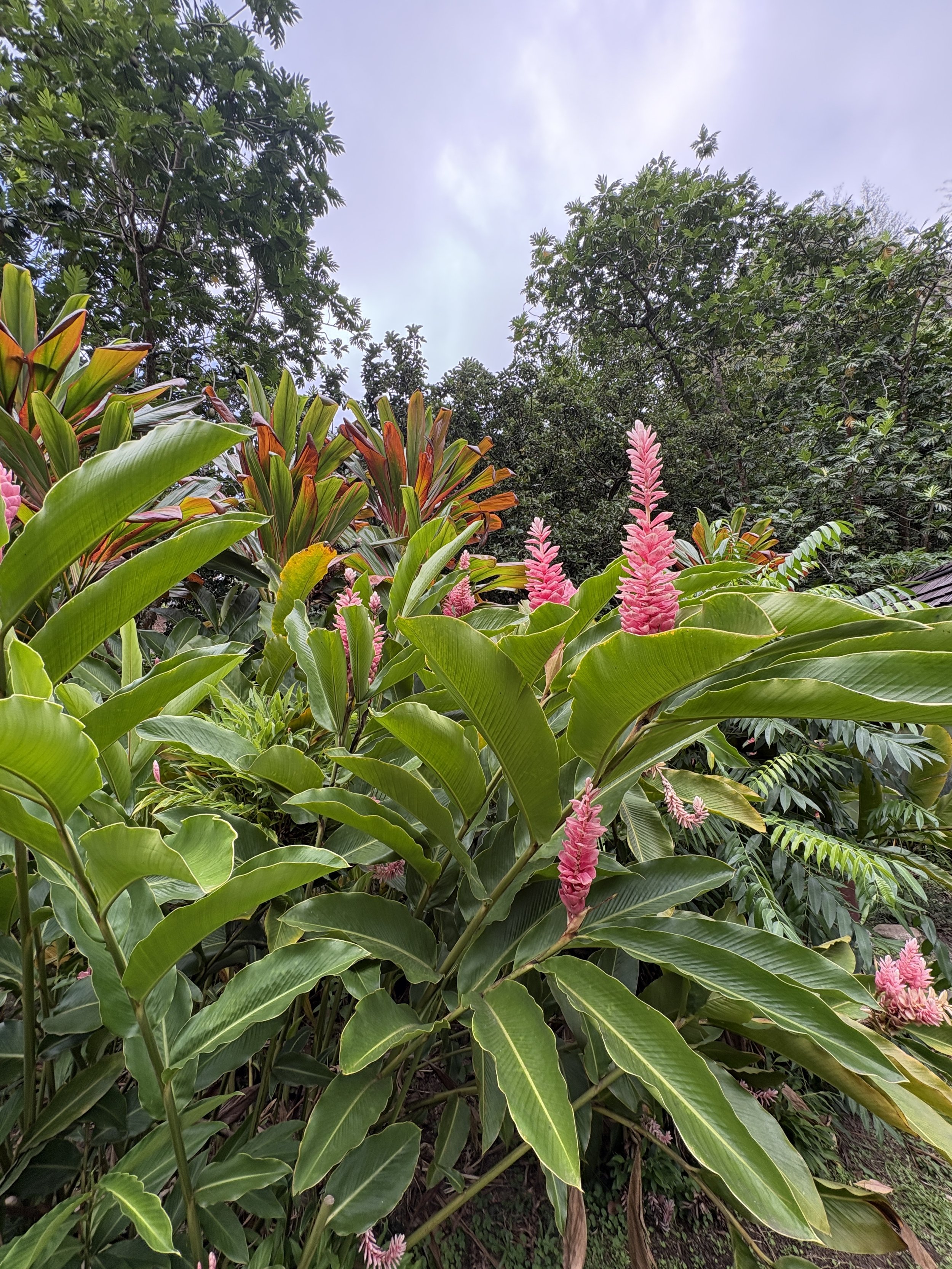
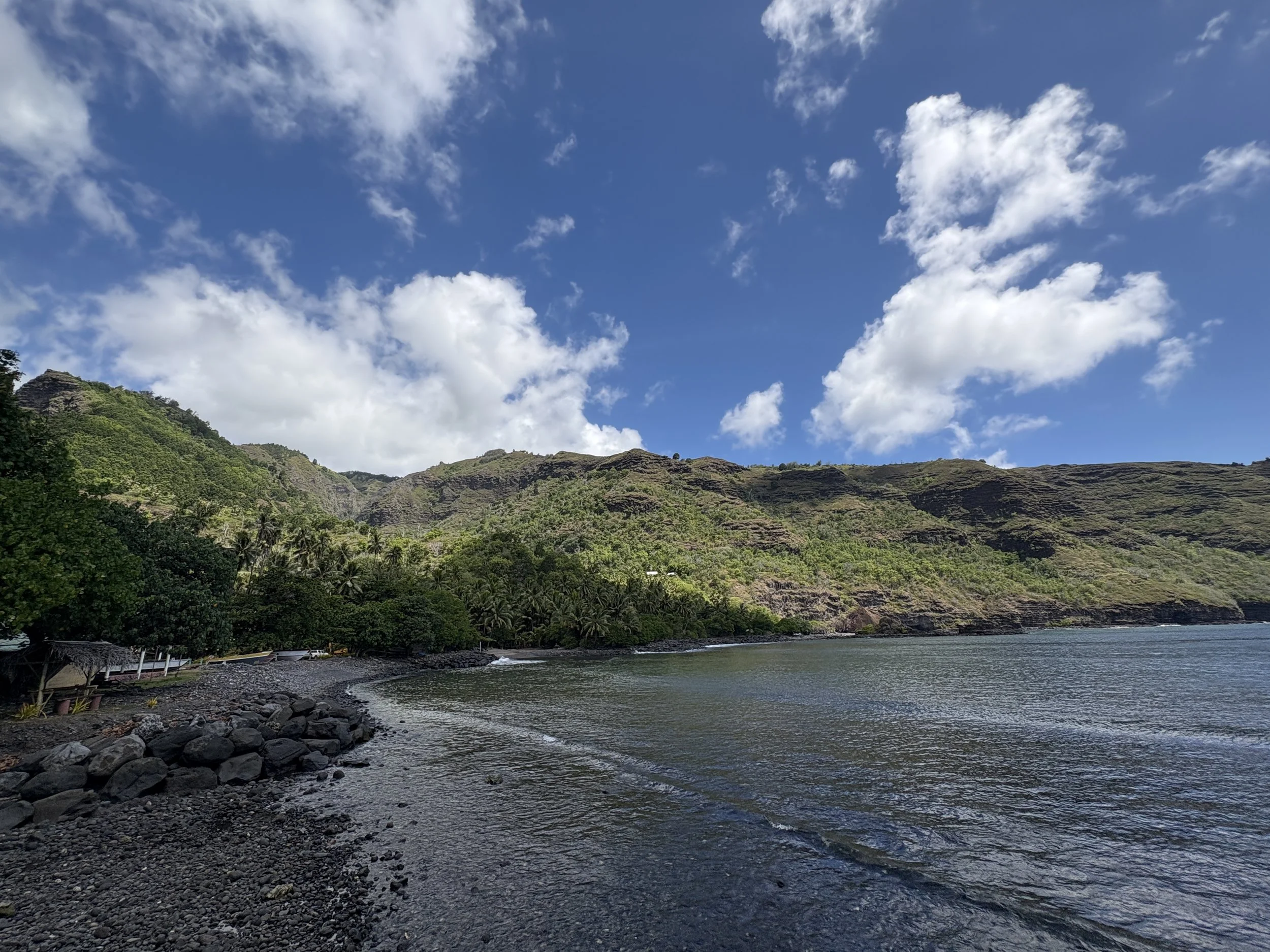
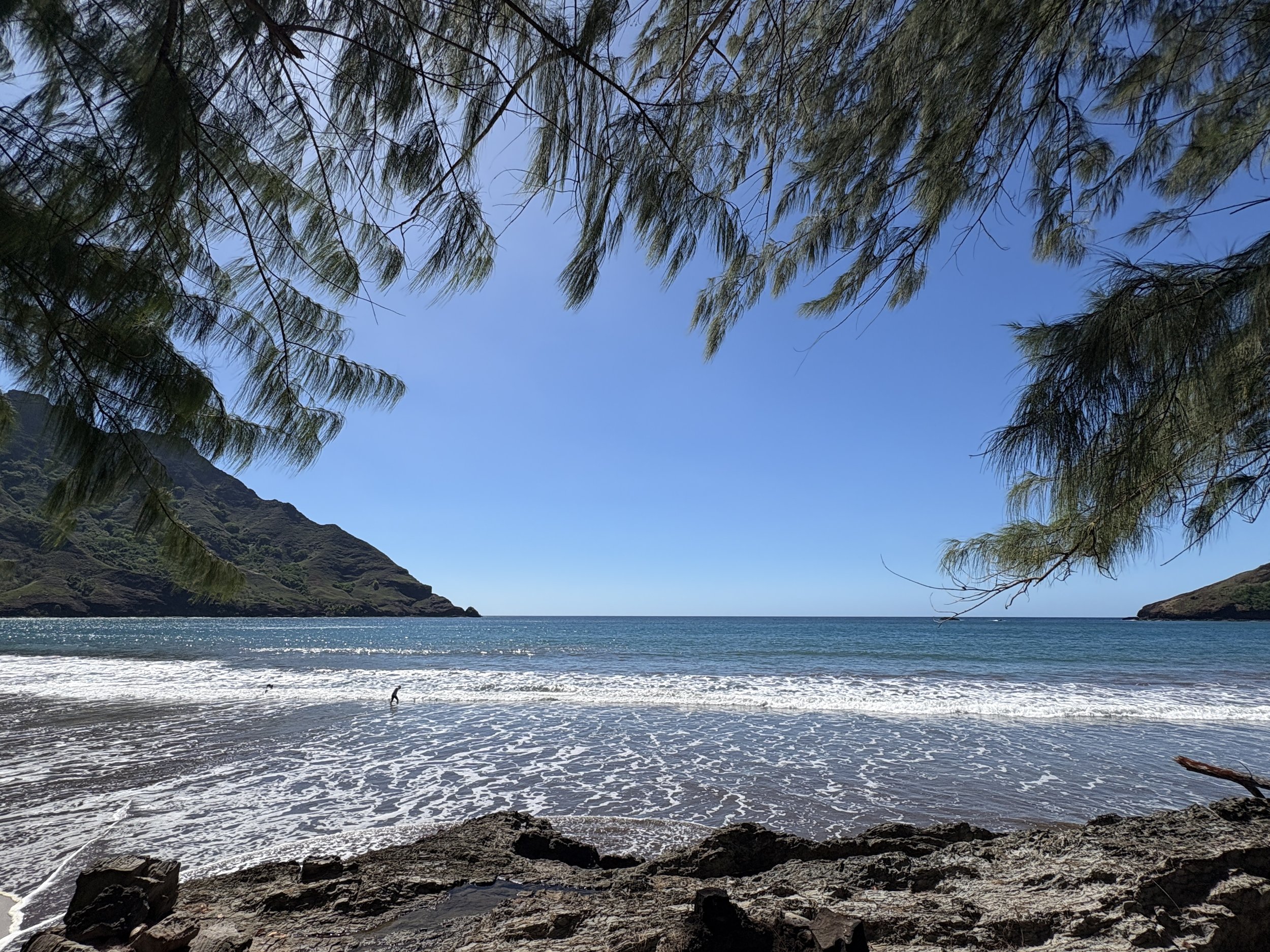
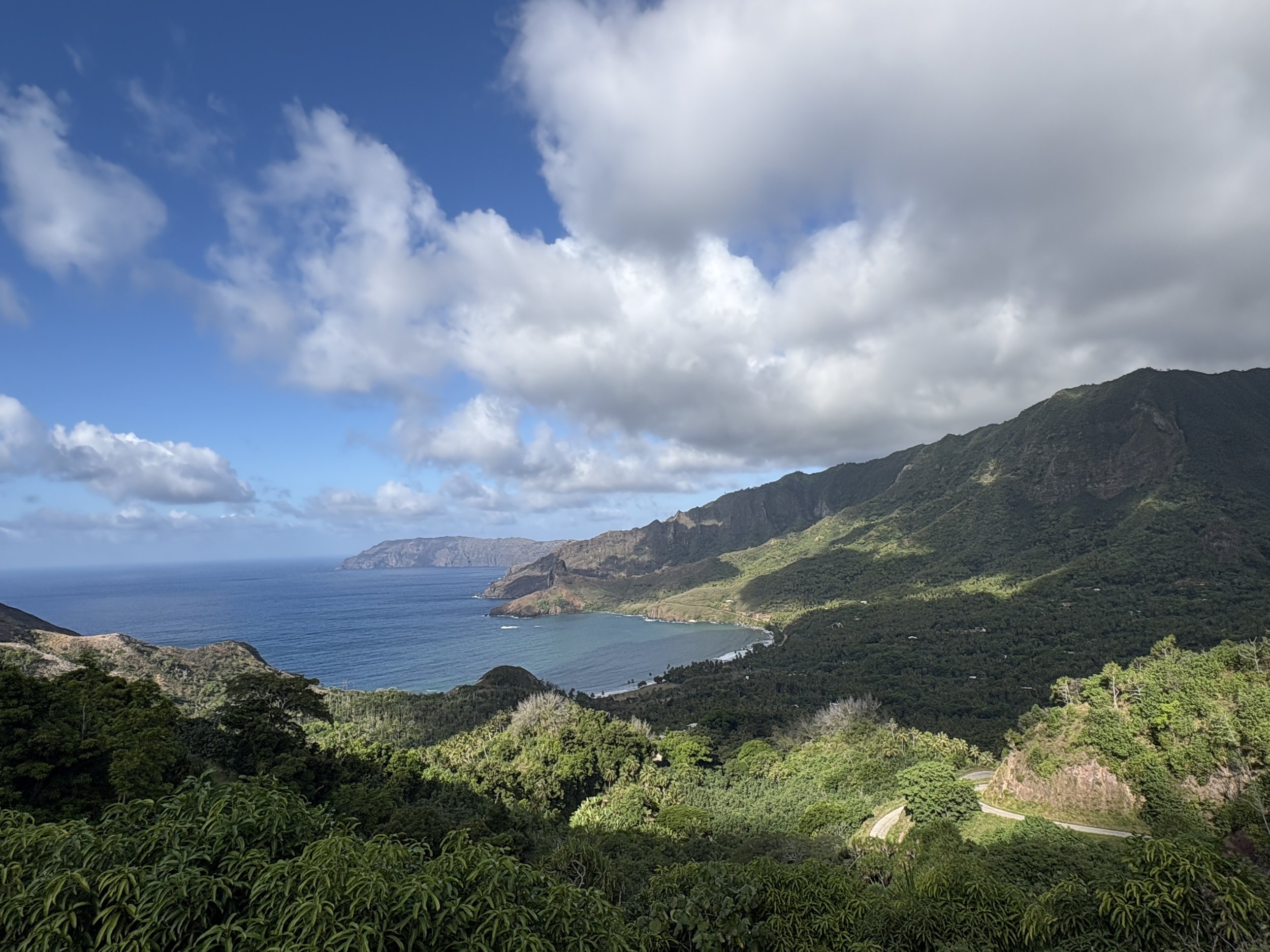
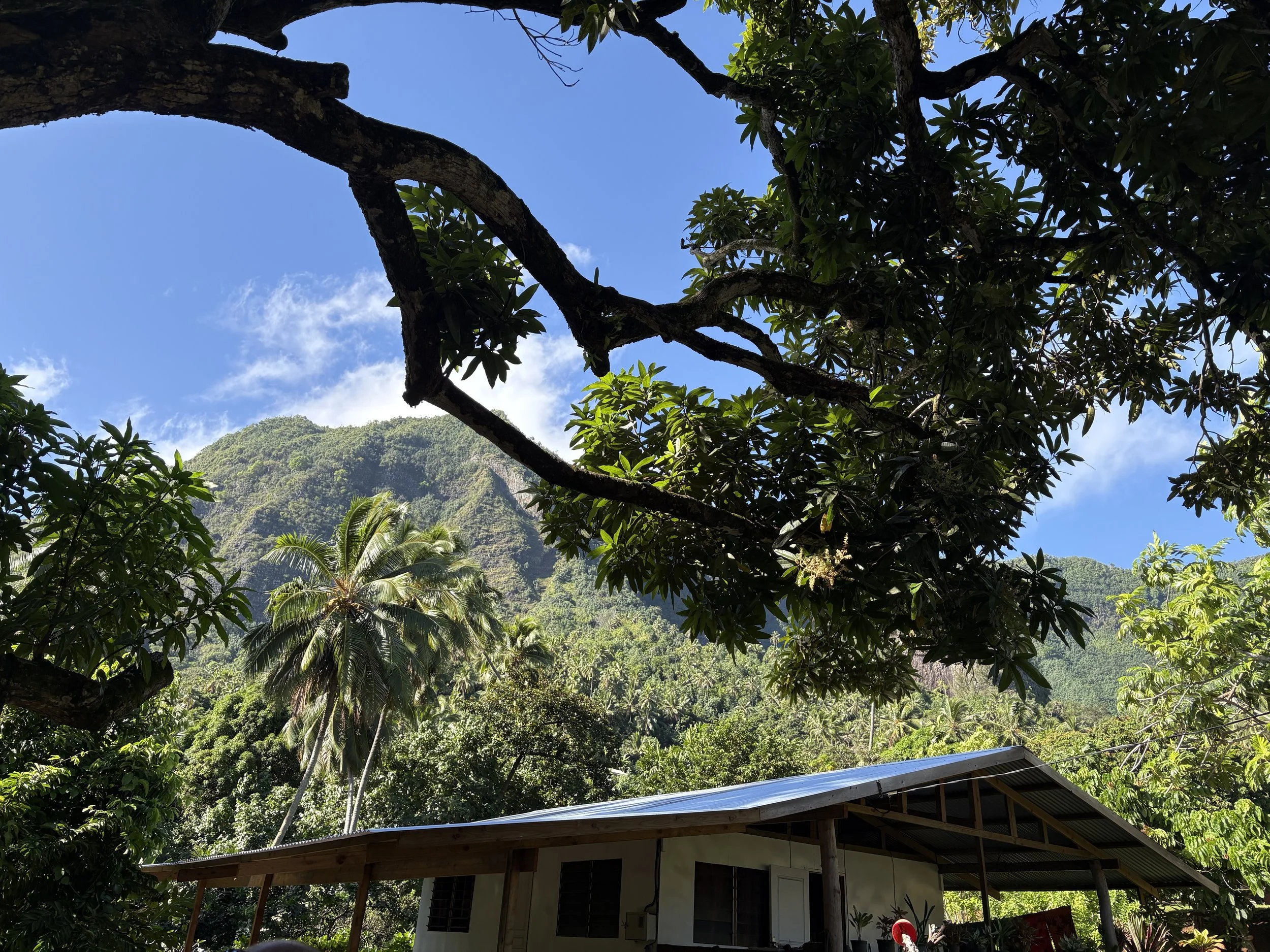
The Marquesas are unlike anywhere else we've been so far. No barrier reefs, no lagoons here, just steep, jagged volcanic peaks that plunge straight into deep water, with green ridgelines often wrapped in cloud. Only six of the Marquesas Islands are inhabited, including Hiva Oa, where we anchored when we first arrived, Nuku Hiva, and Ua Pou. The isolation is real: the Marquesas sit about 1,500 km northeast of Tahiti, making them one of the most remote inhabited island groups on the planet. That remoteness has kept the culture distinct too; Marquesan traditions, carving, and tattooing have a very different feel from the rest of French Polynesia. The anchorages are mostly rough and rolly rather than the calm turquoise water people picture when they think of this part of the world, but the dramatic scenery more than makes up for it. We've rented a car a few times to make sure we got the best perspective on it all.
Within 48 hours of our crossing, Pete had to fly back to the US for an unexpected workshop, so we took the opportunity to continue exploring. Tikis are one of those things we have now seen so much of in the Marquesas that they stop feeling exotic and starts feeling like the norm, until you remember they're some of the most striking carved figures in the Pacific. A tiki is a sculpture, carved from stone or wood, representing a half-human, half-divine ancestor figure. The word itself roughly translates to "image" or "depiction" across Polynesia, and the figures are meant to embody strength, protection, and the presence of an ancestor or deity watching over a place or a family. You can spot them instantly by their oversized eyes, wide nostrils, open mouths, and prominent ears. Marquesans believed tikis could sense danger before seeing it, which is why the nostrils get such dramatic treatment, and why one placed outside a home or sacred site was thought to keep bad energy at bay.
The tradition goes back centuries, with the earliest European accounts of Marquesan tiki carvings dating to 1595, though the practice itself is far older. Why so many ended up concentrated here specifically comes down to a mix of geology, isolation, and culture. The volcanic islands gave Marquesan carvers abundant hard stone (and timber) to work with, and because the islands sat at the far eastern edge of Polynesian settlement, remote even by Pacific standards, local artistic traditions developed with a distinct, bolder style than elsewhere in French Polynesia. The Marquesan civilization was also at a real cultural peak in the centuries before European contact, with powerful chiefdoms commissioning increasingly elaborate meae and tiki as symbols of status and protection. We got a proper look at all this on Hiva Oa, where the site near Puamau has five tikis standing on a huge meae, including Tiki Takaii, who at 2.67 meters, was the tallest tiki in French Polynesia, named for a legendary warlord known for his strength.
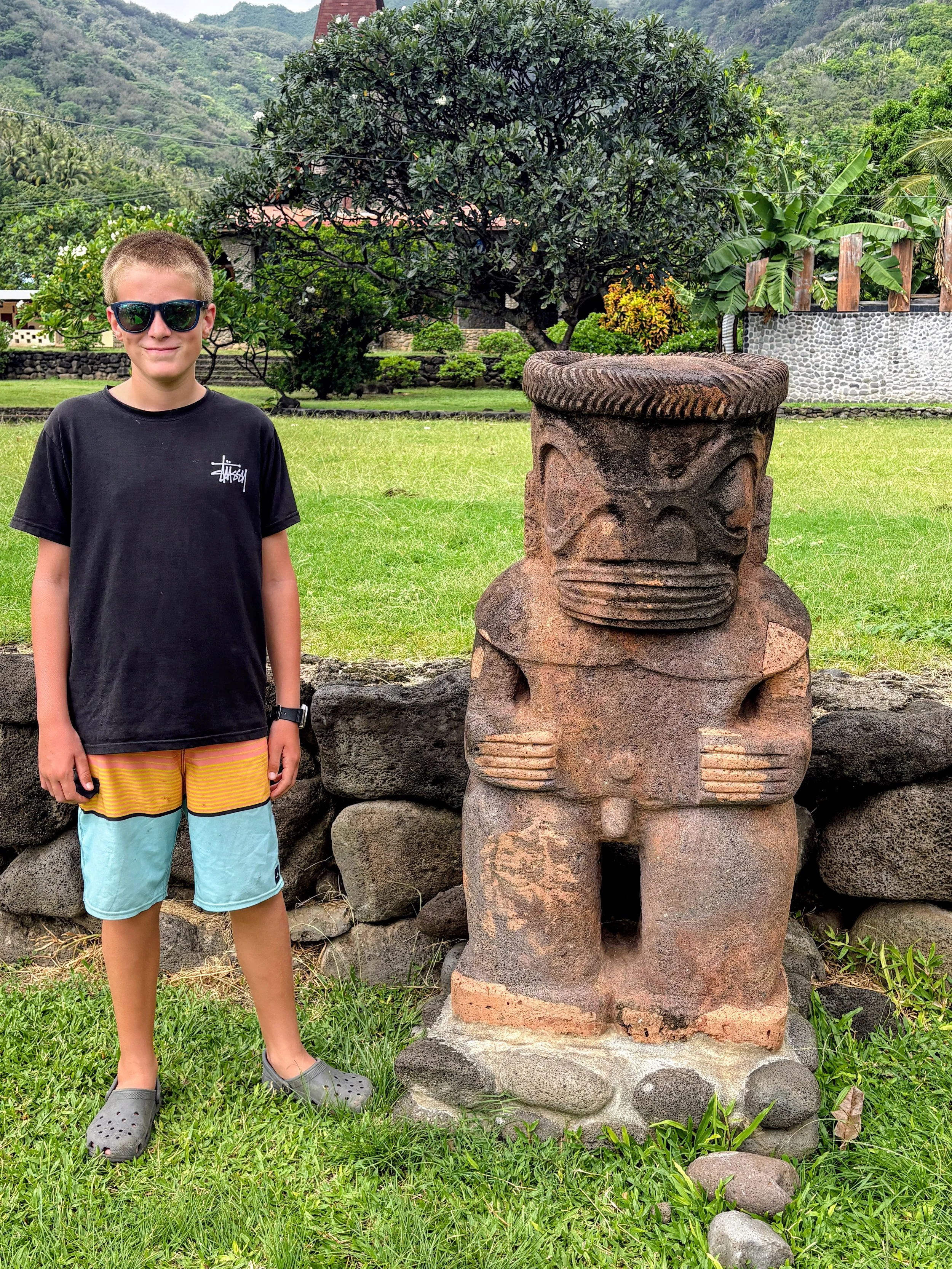
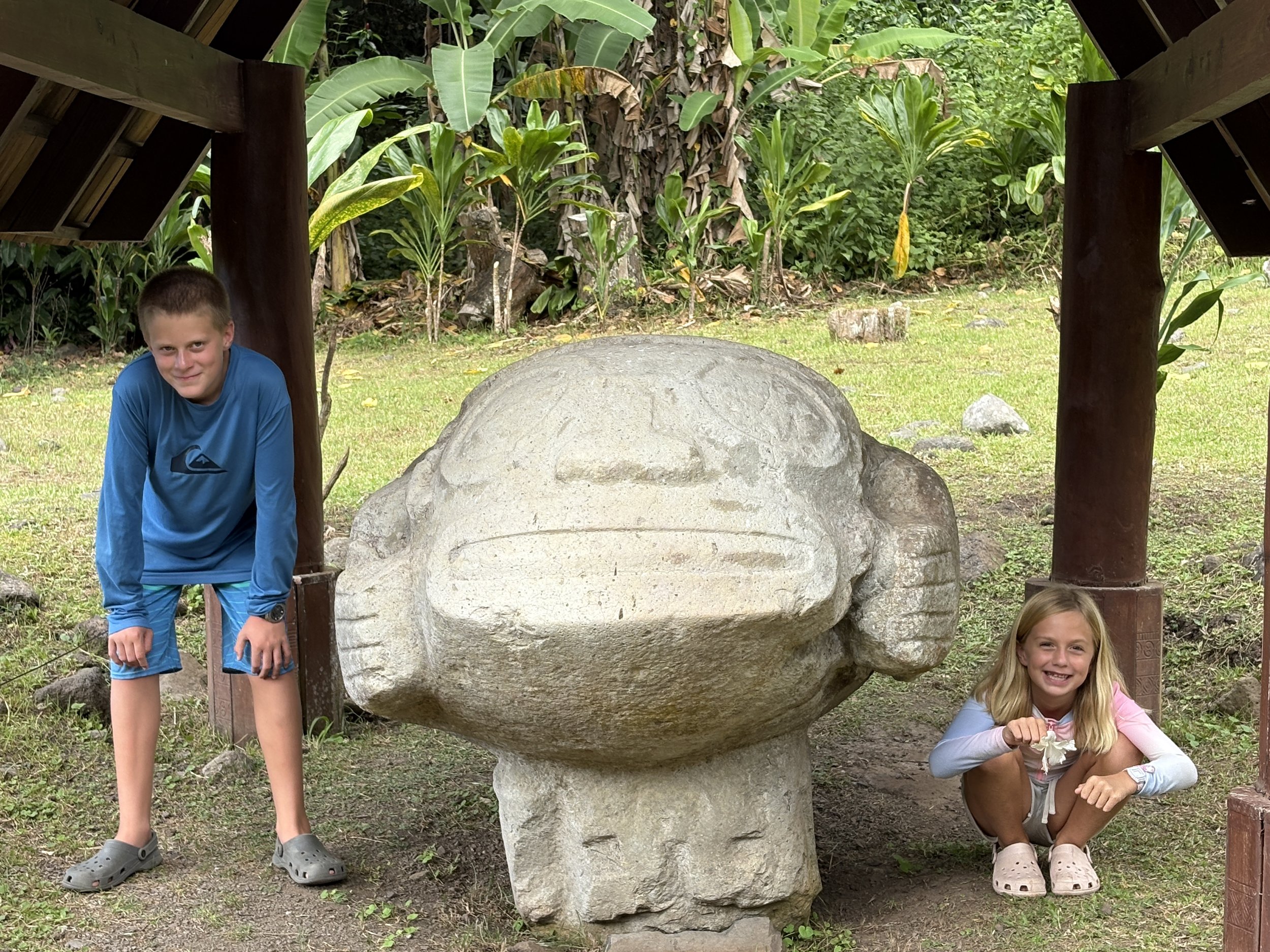
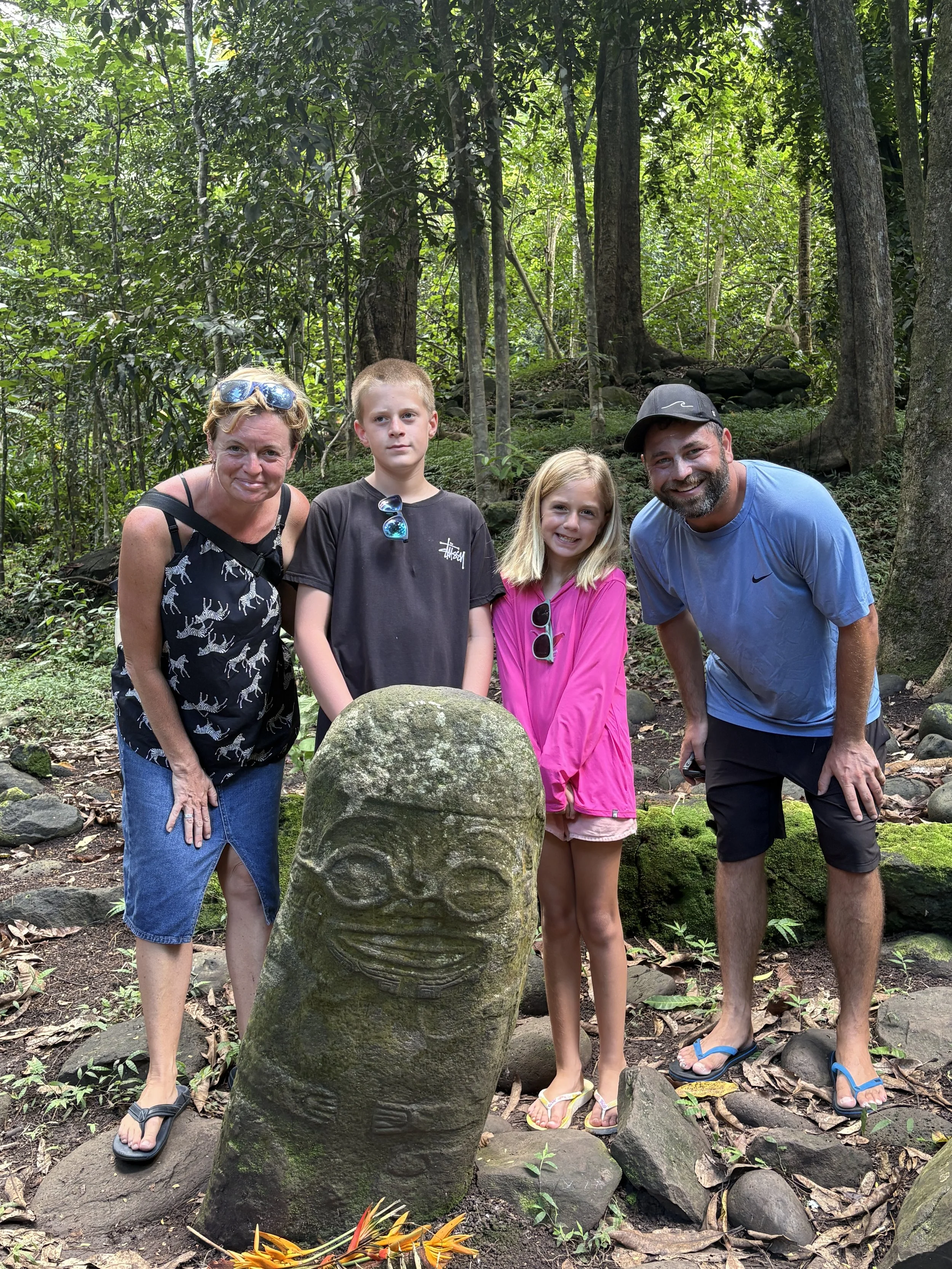
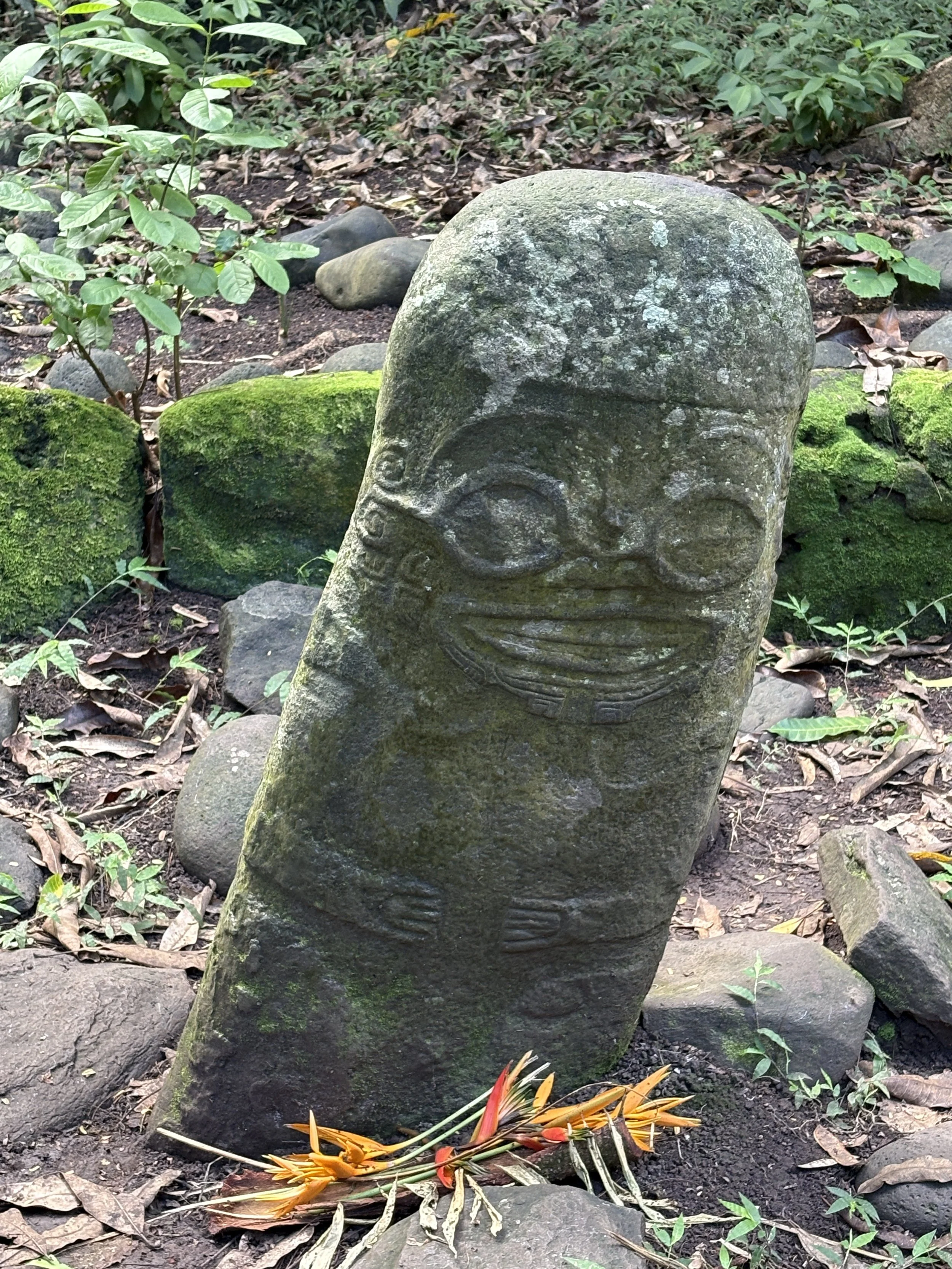
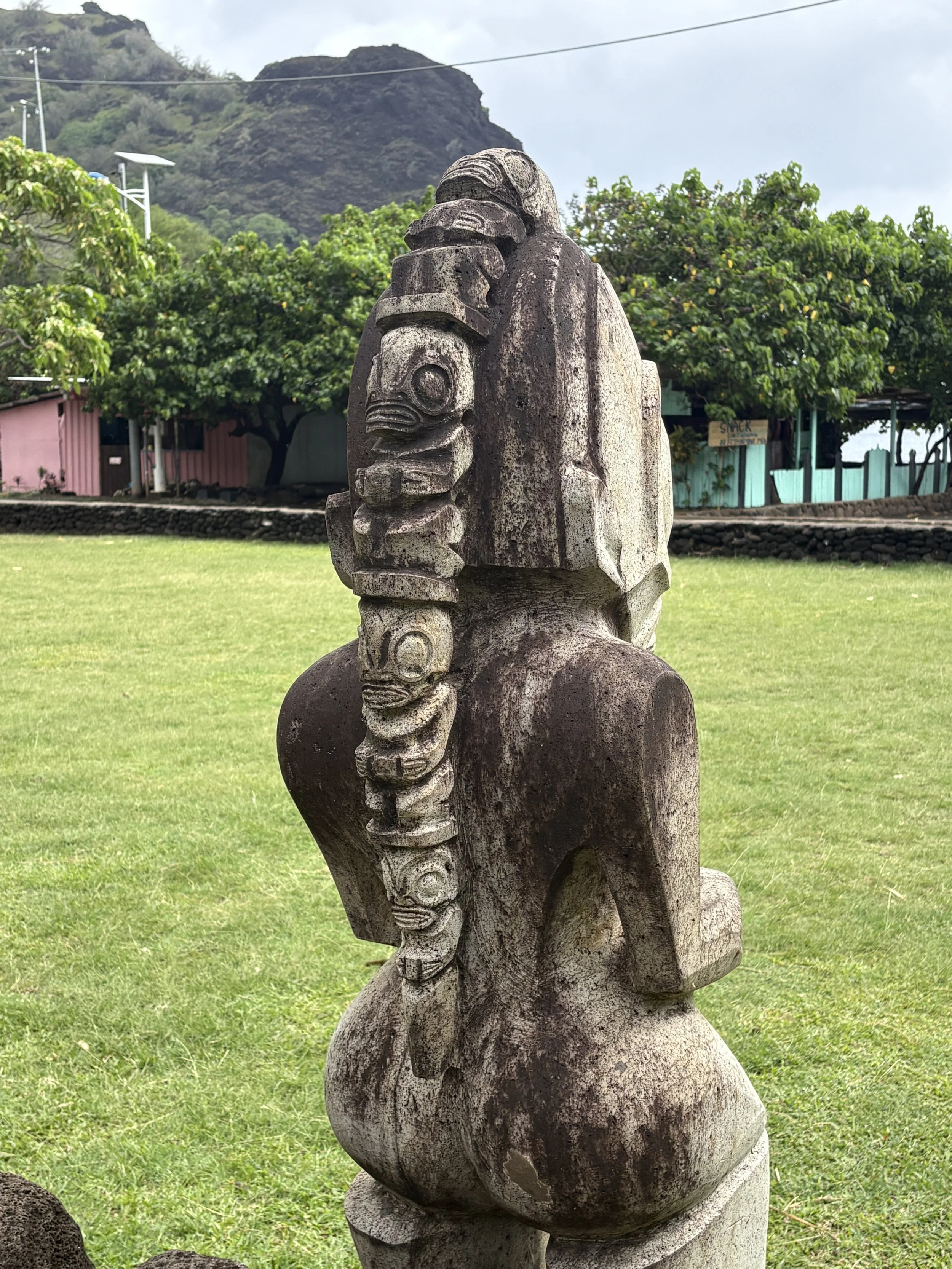
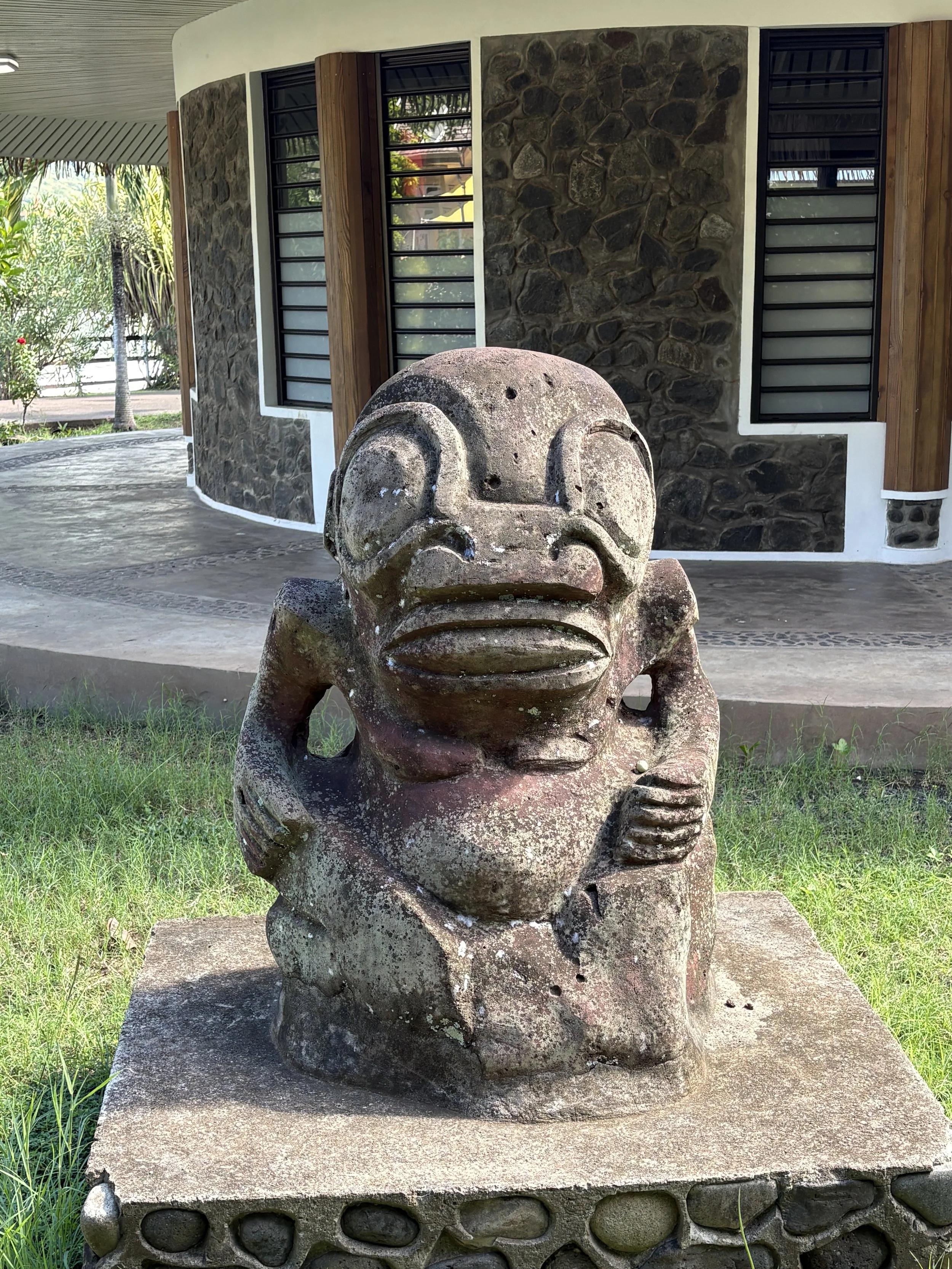
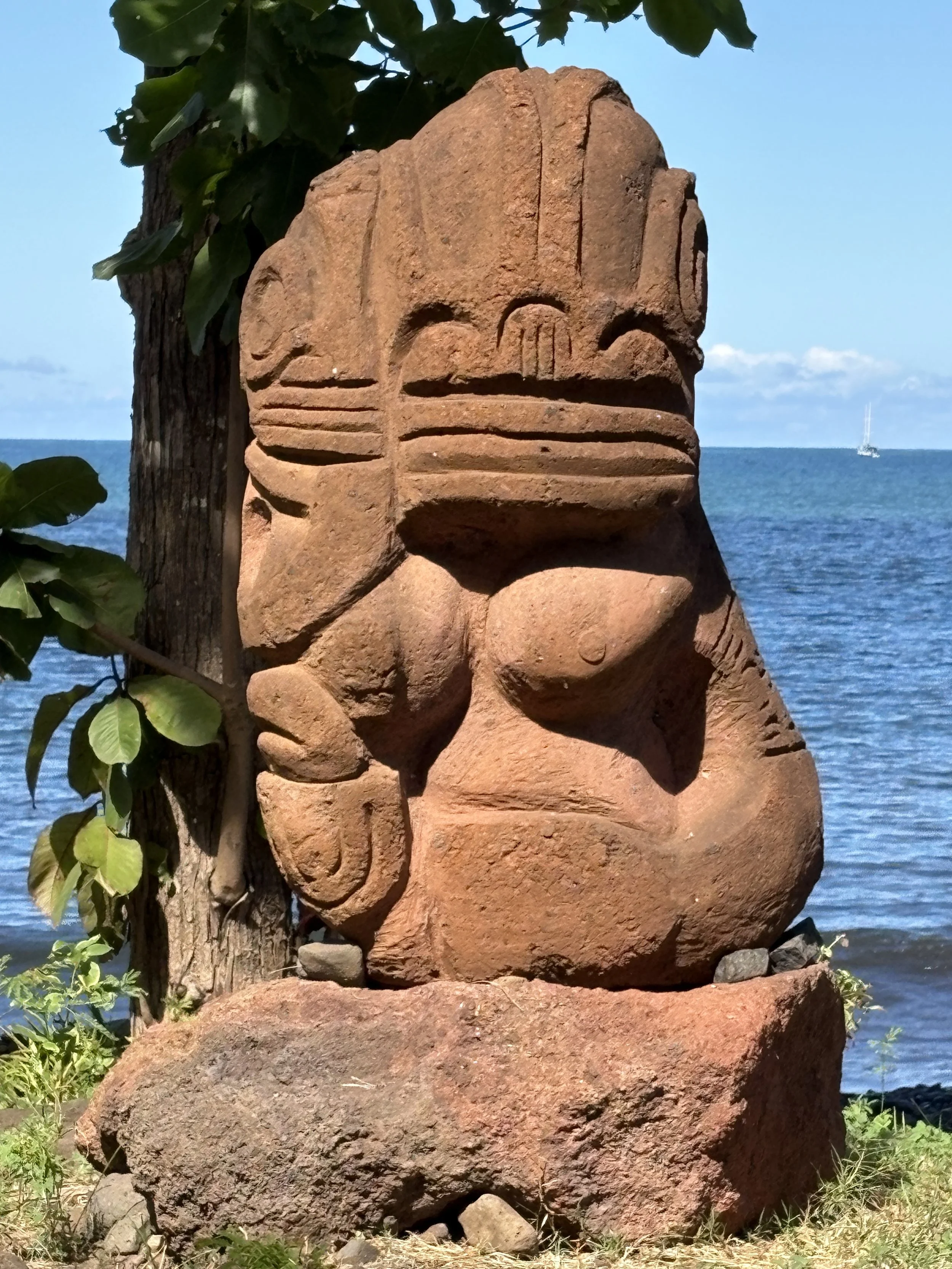
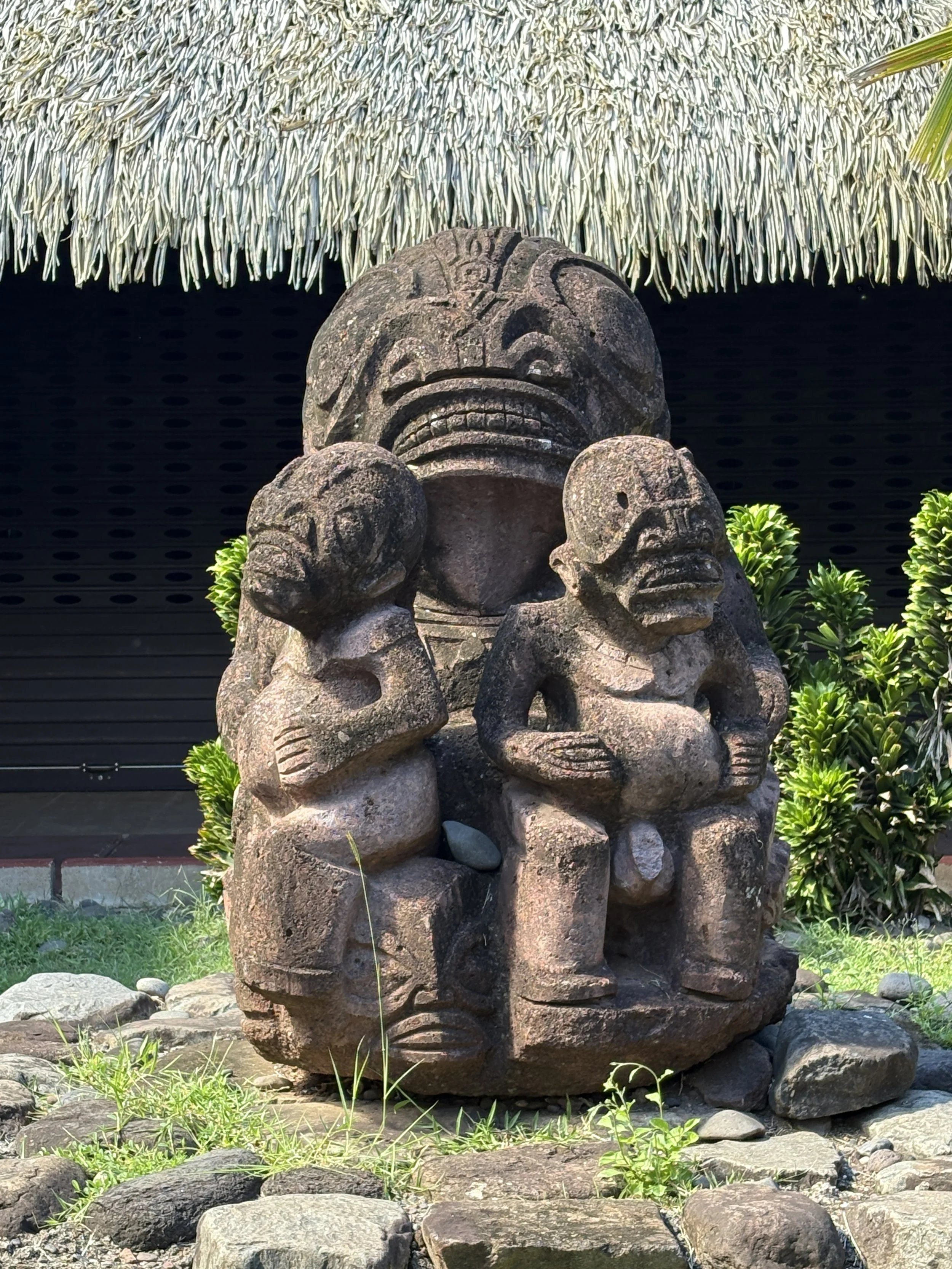
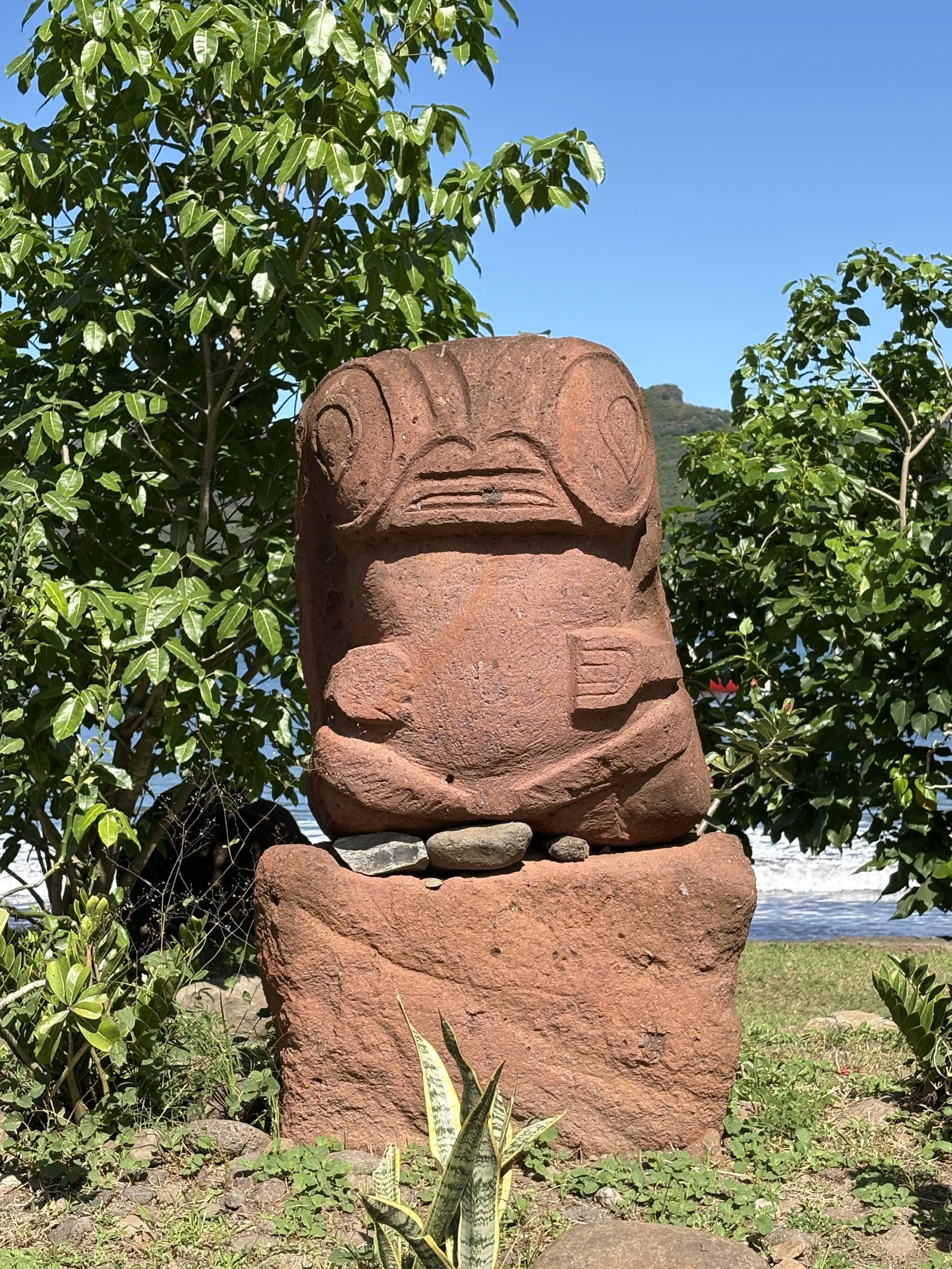
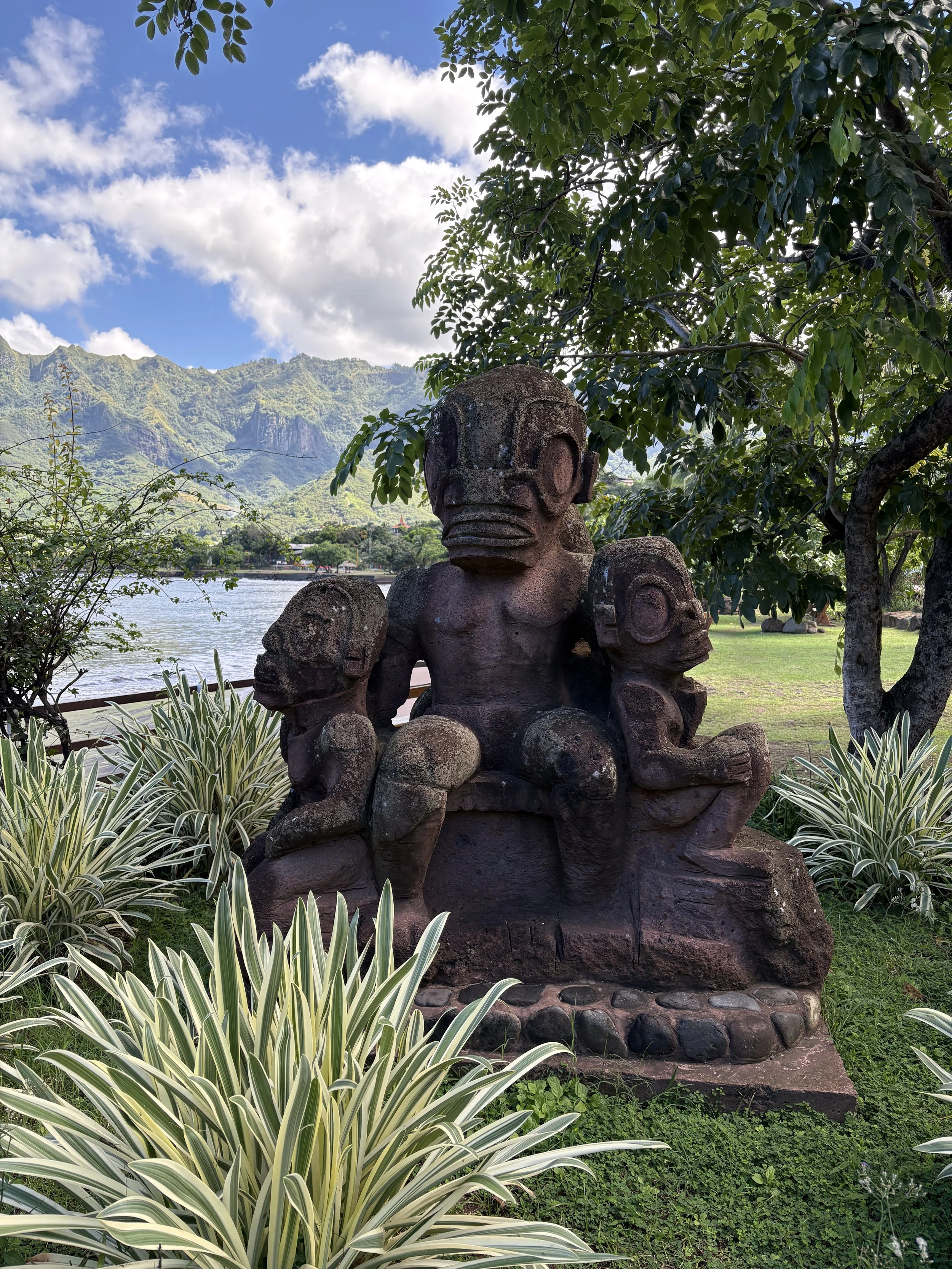
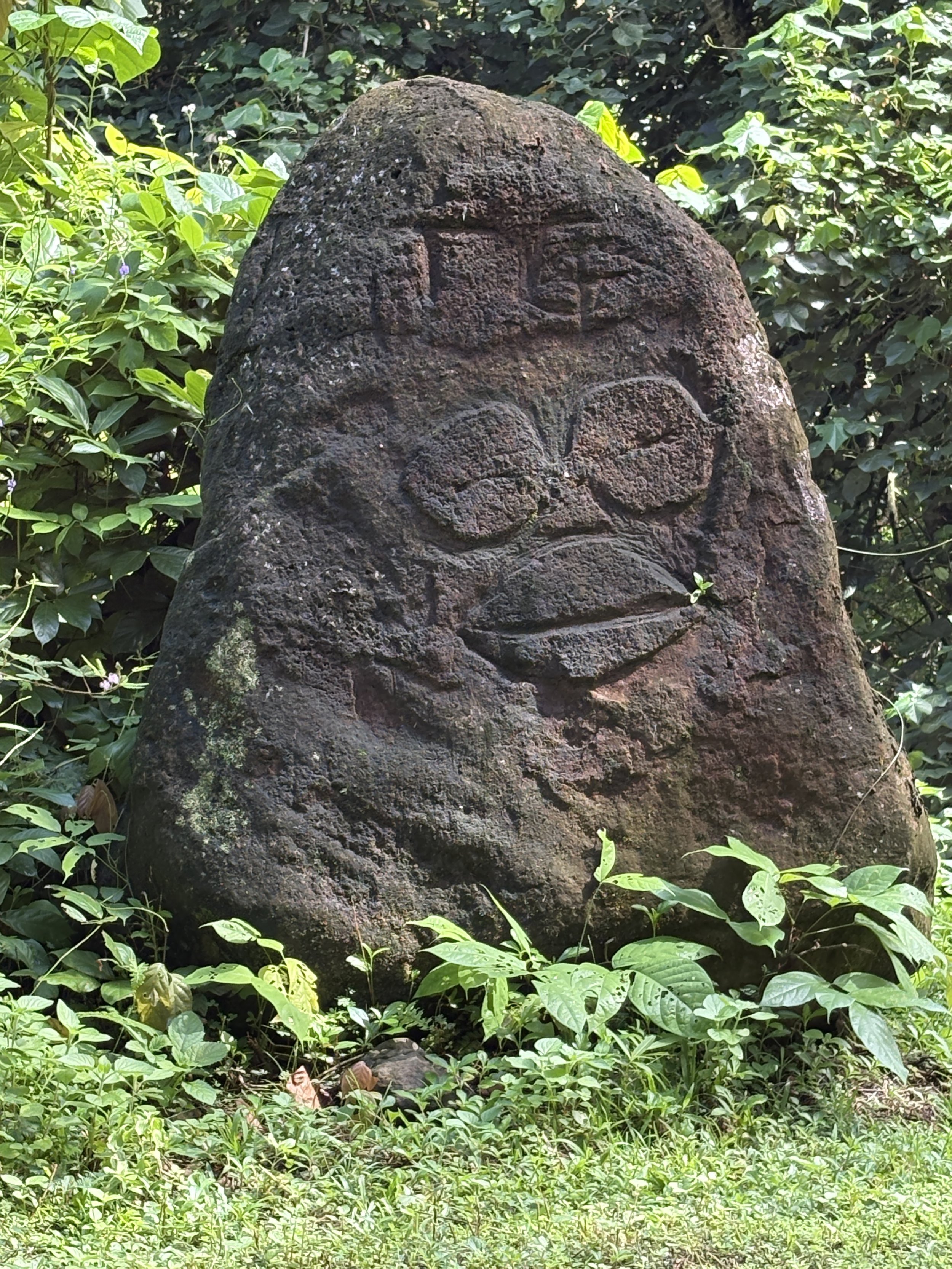
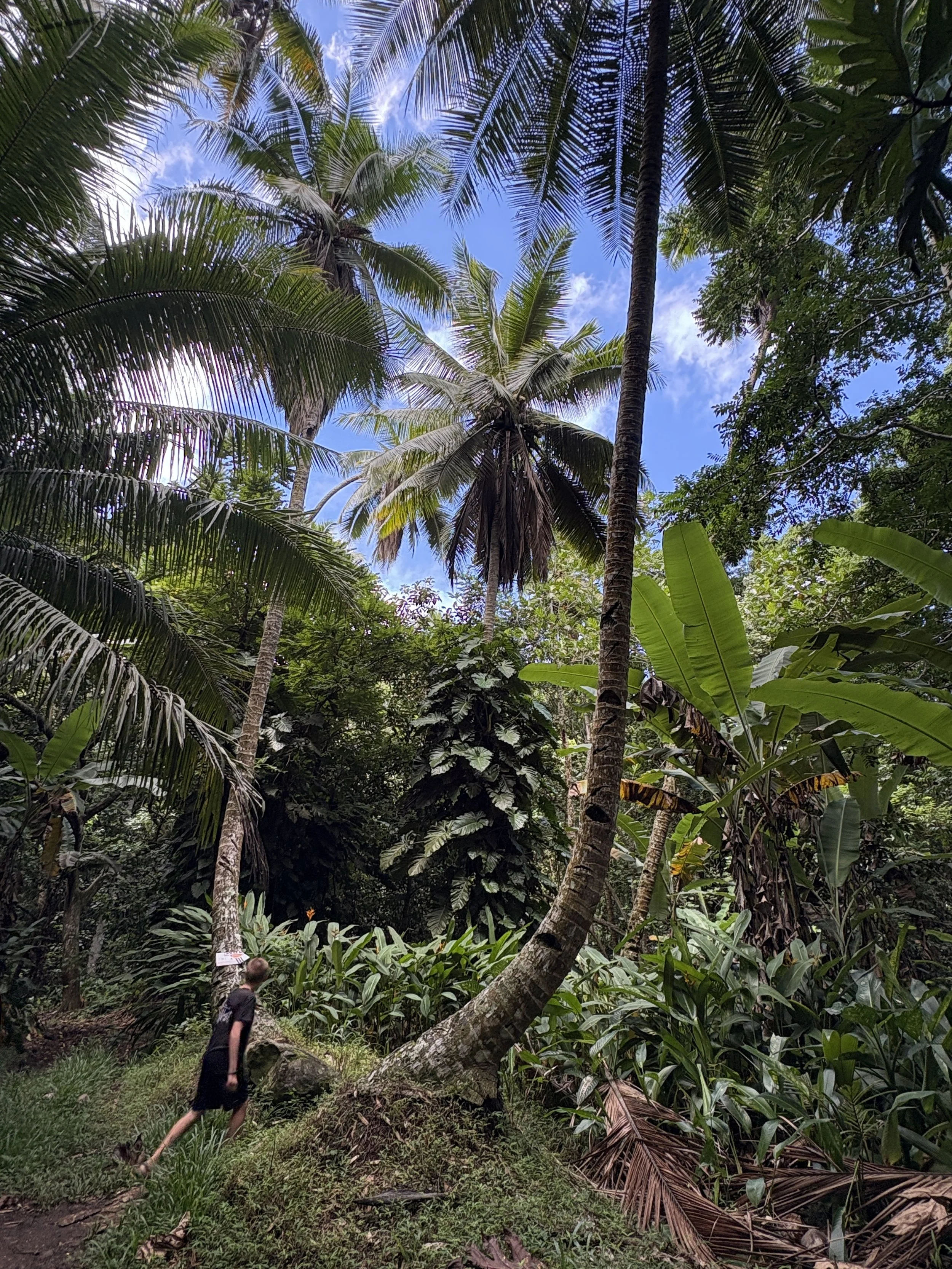
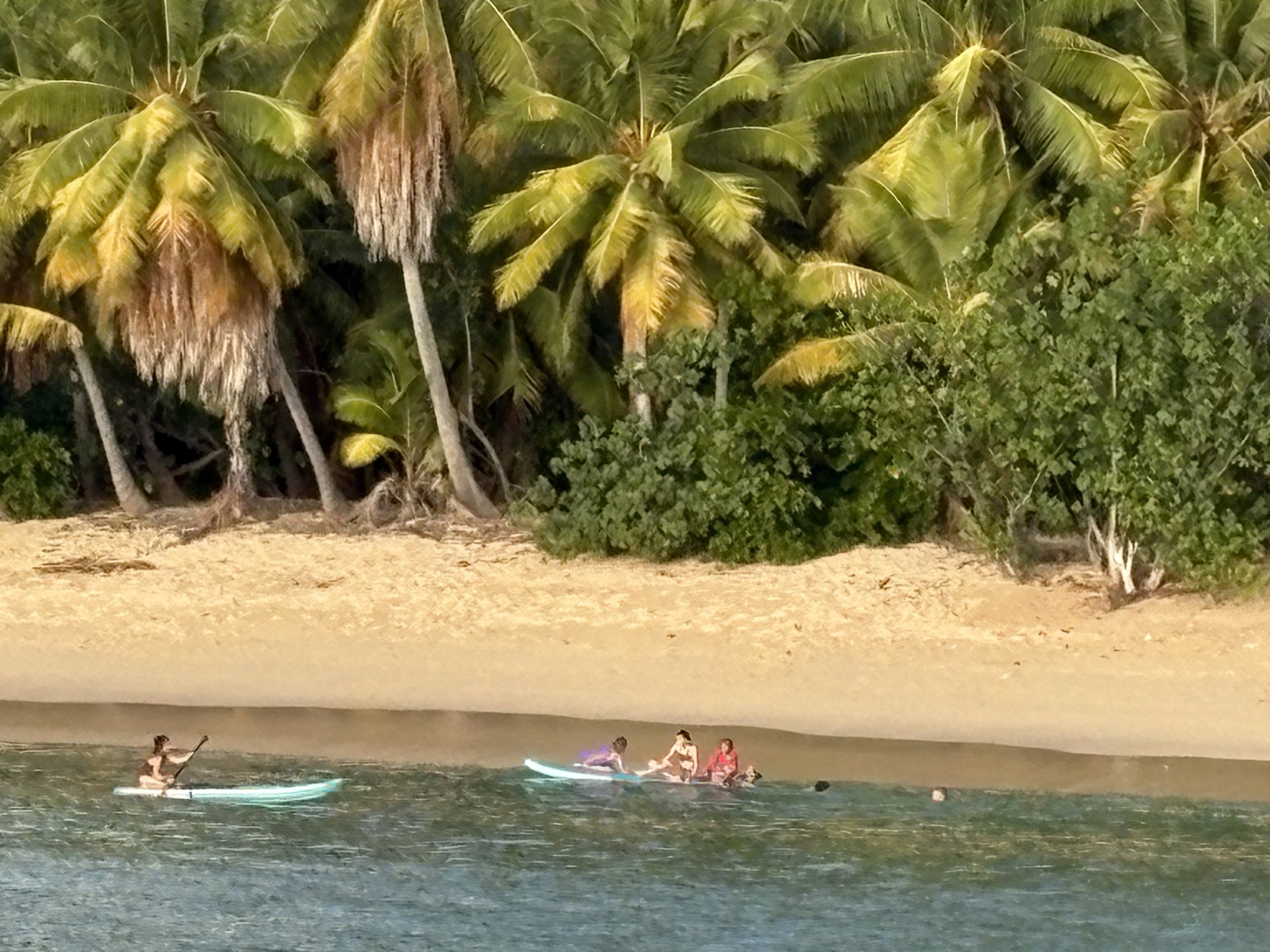
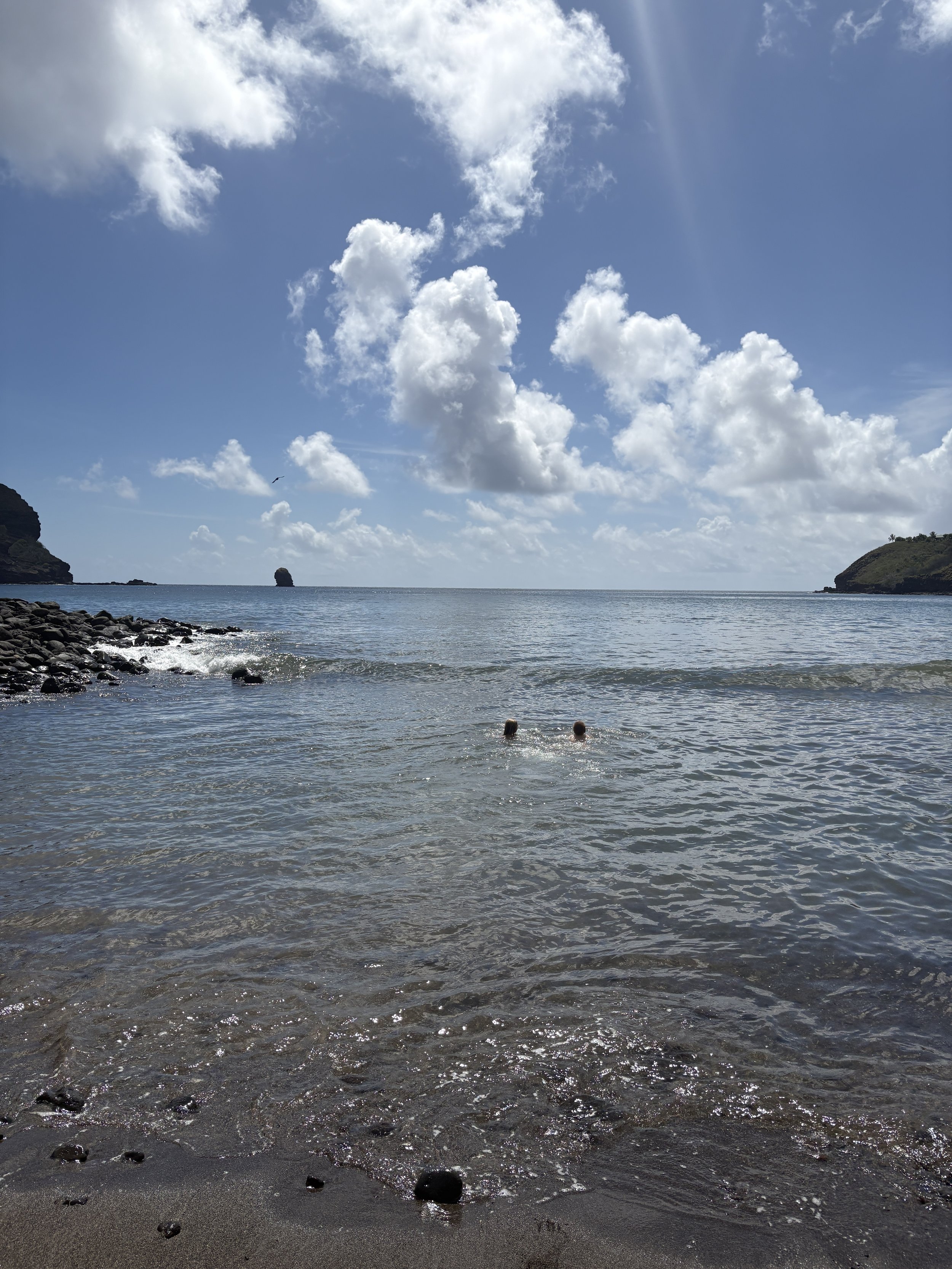
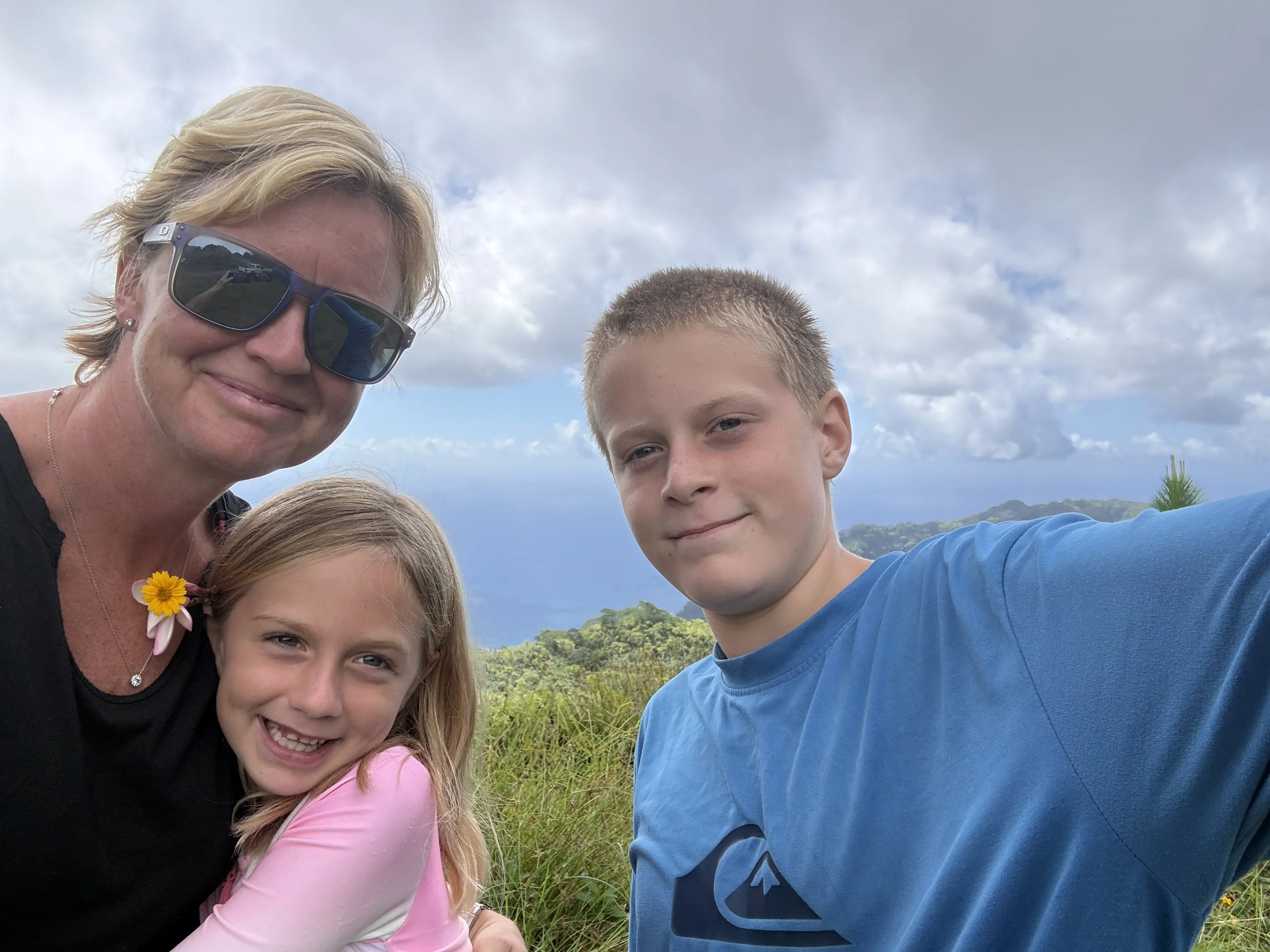
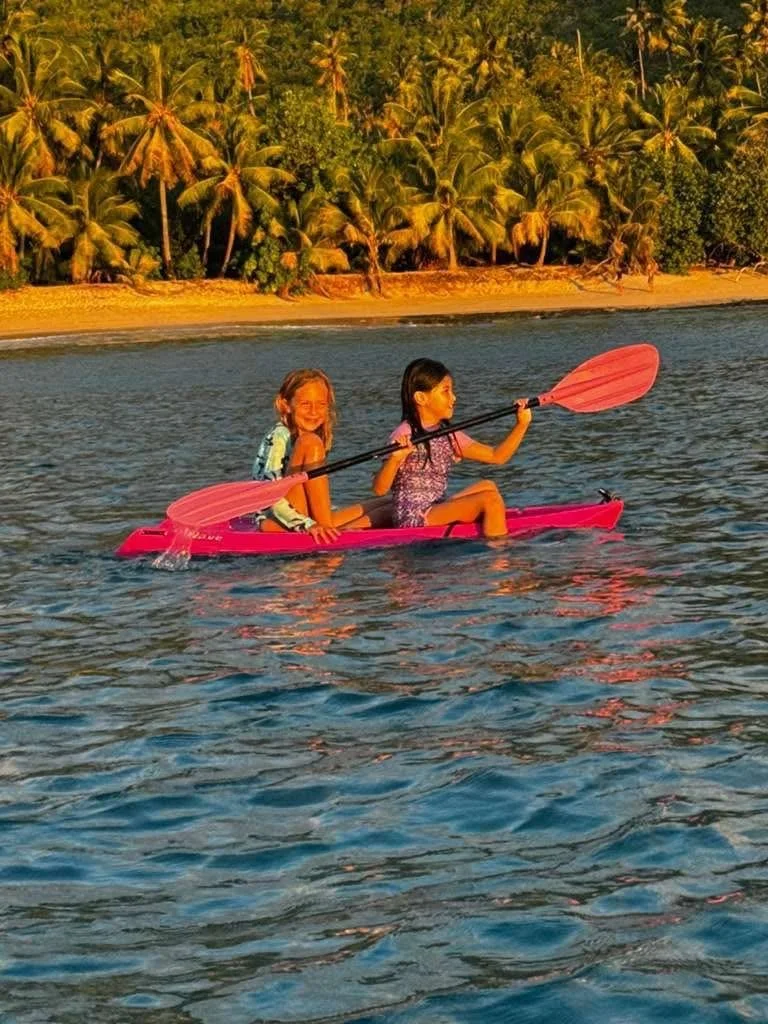
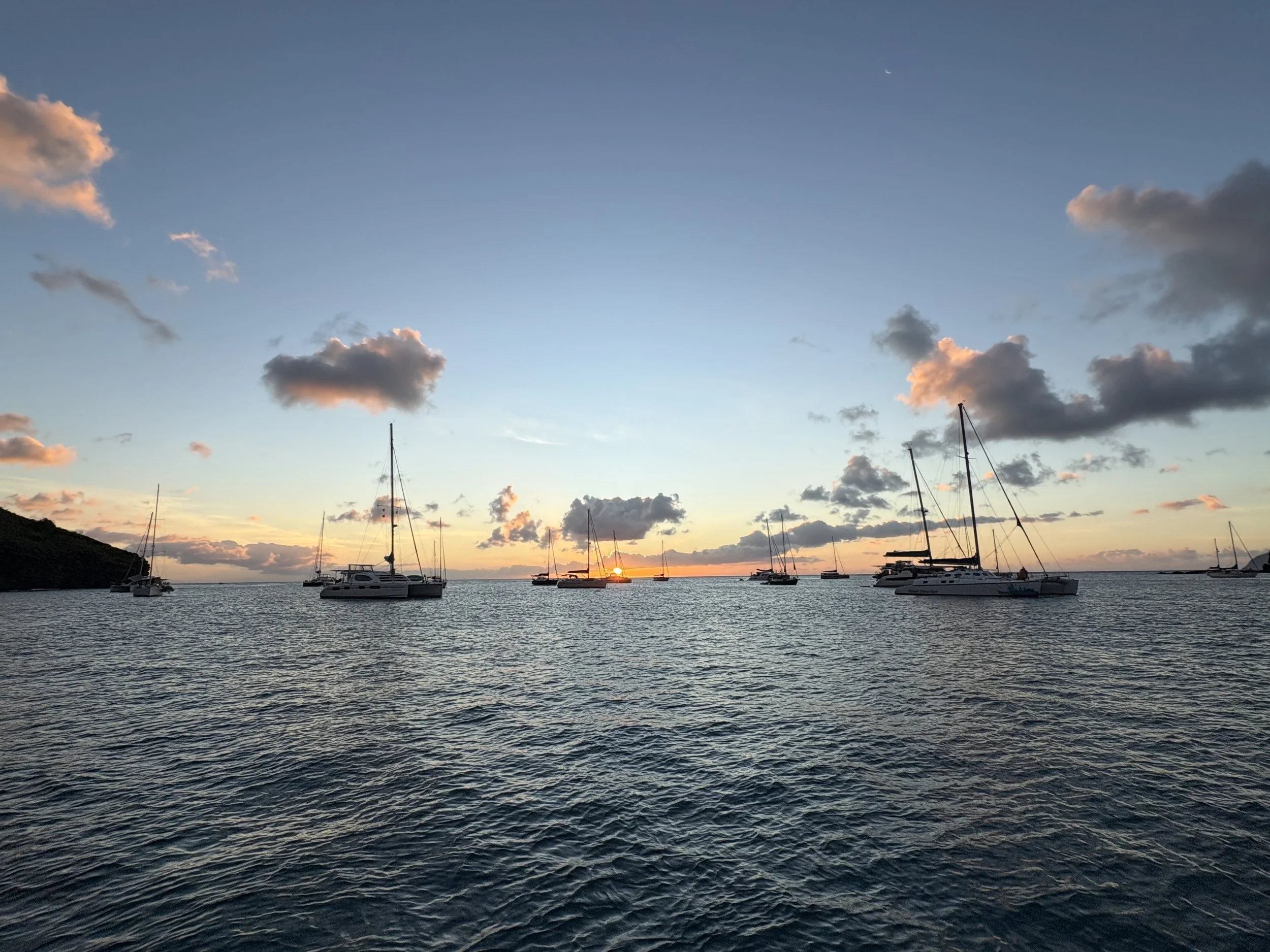
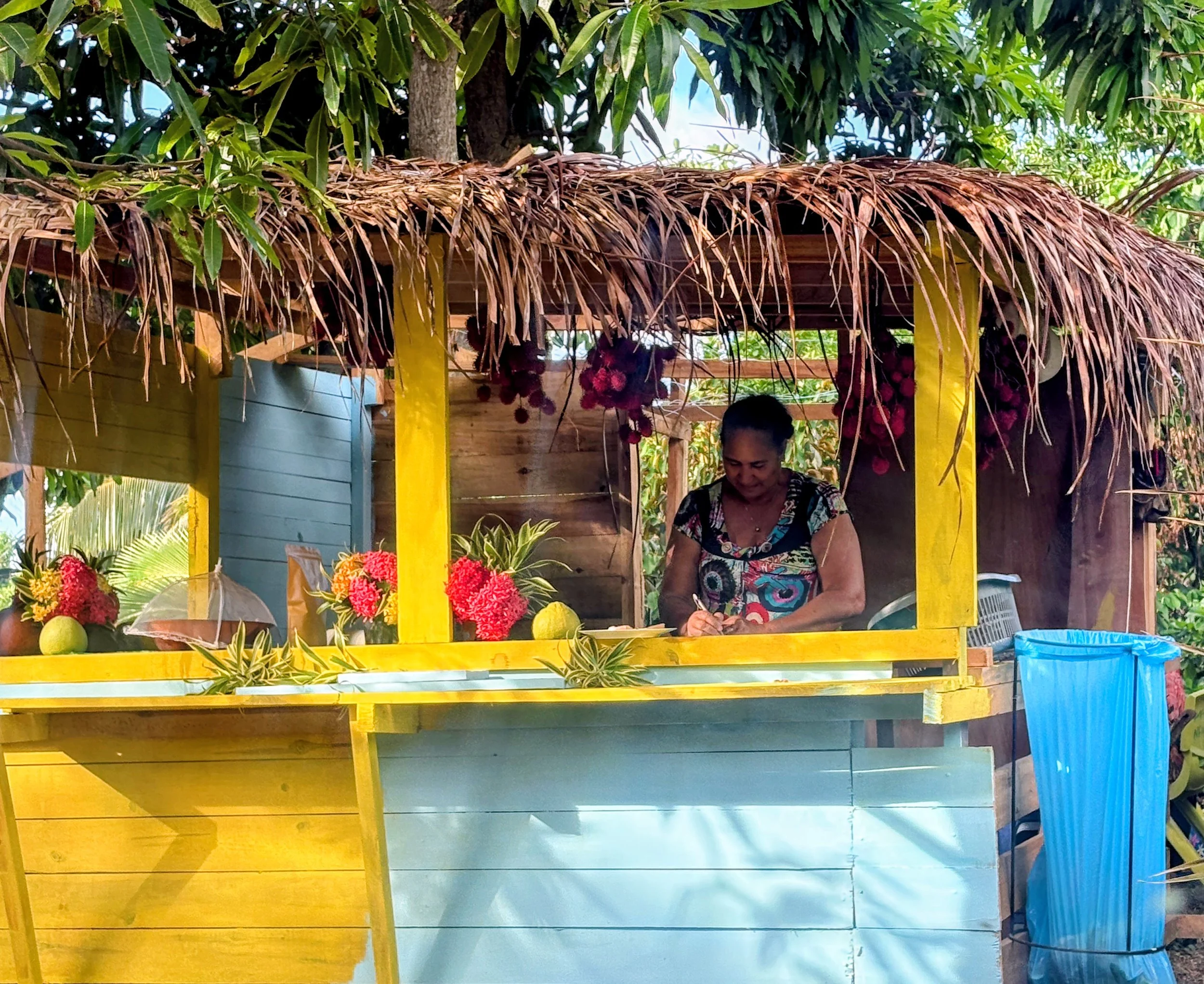
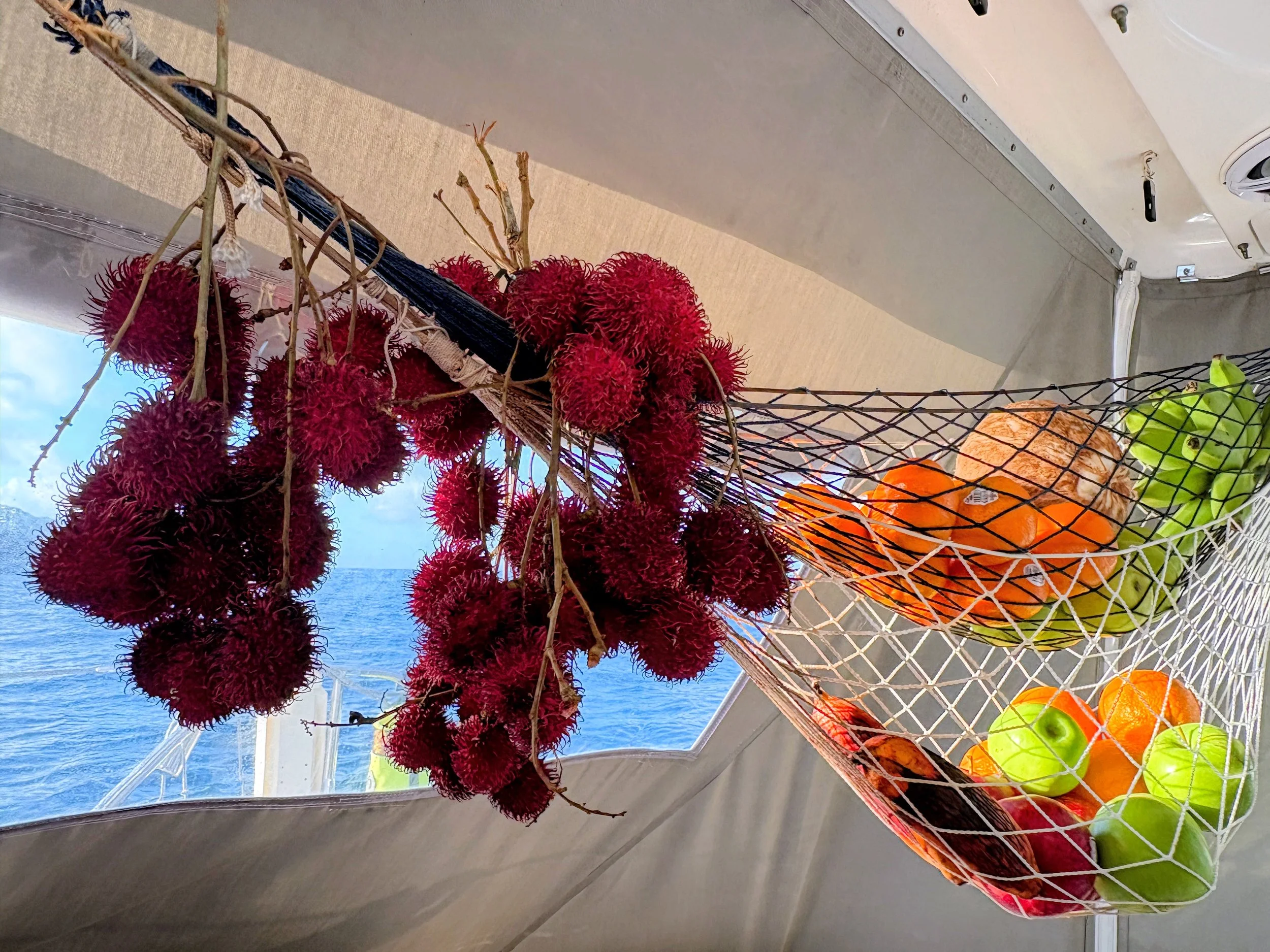
We rented a car to get around both Hiva Oa and Nuku Hiva, and also sailed across to Hanamoenoa Bay on Tahuata, a nearby island to Hiva Oa, where we could connect with some other kid-boats who'd also recently arrived and soak up the atmosphere of French Polynesia. We loved meeting locals as we drove around, selling their own honey, vanilla pods, and fresh fruit like pomelo and rambutan. I really had to dig up the deepest cogs of my school-level French to communicate!!
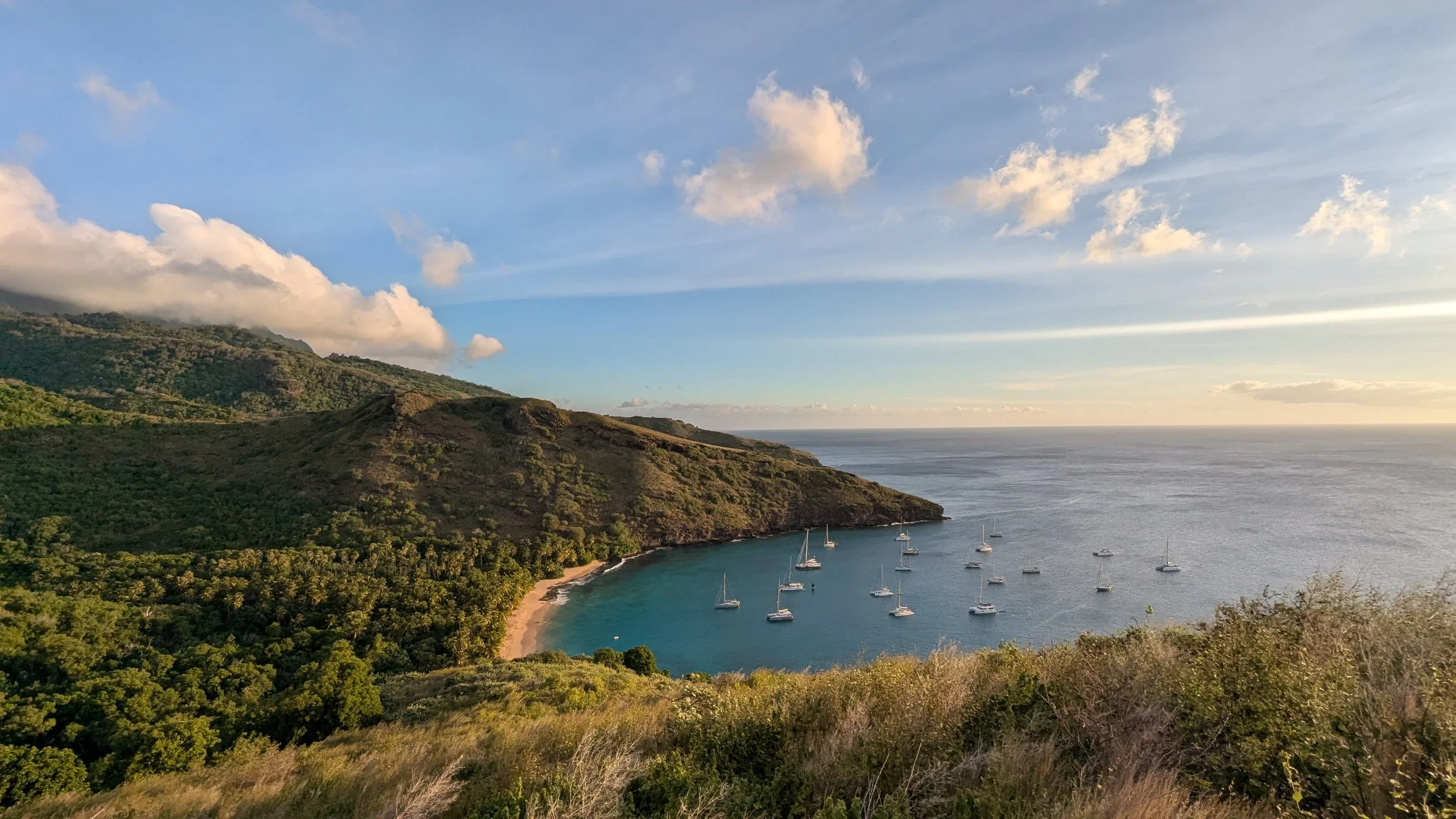
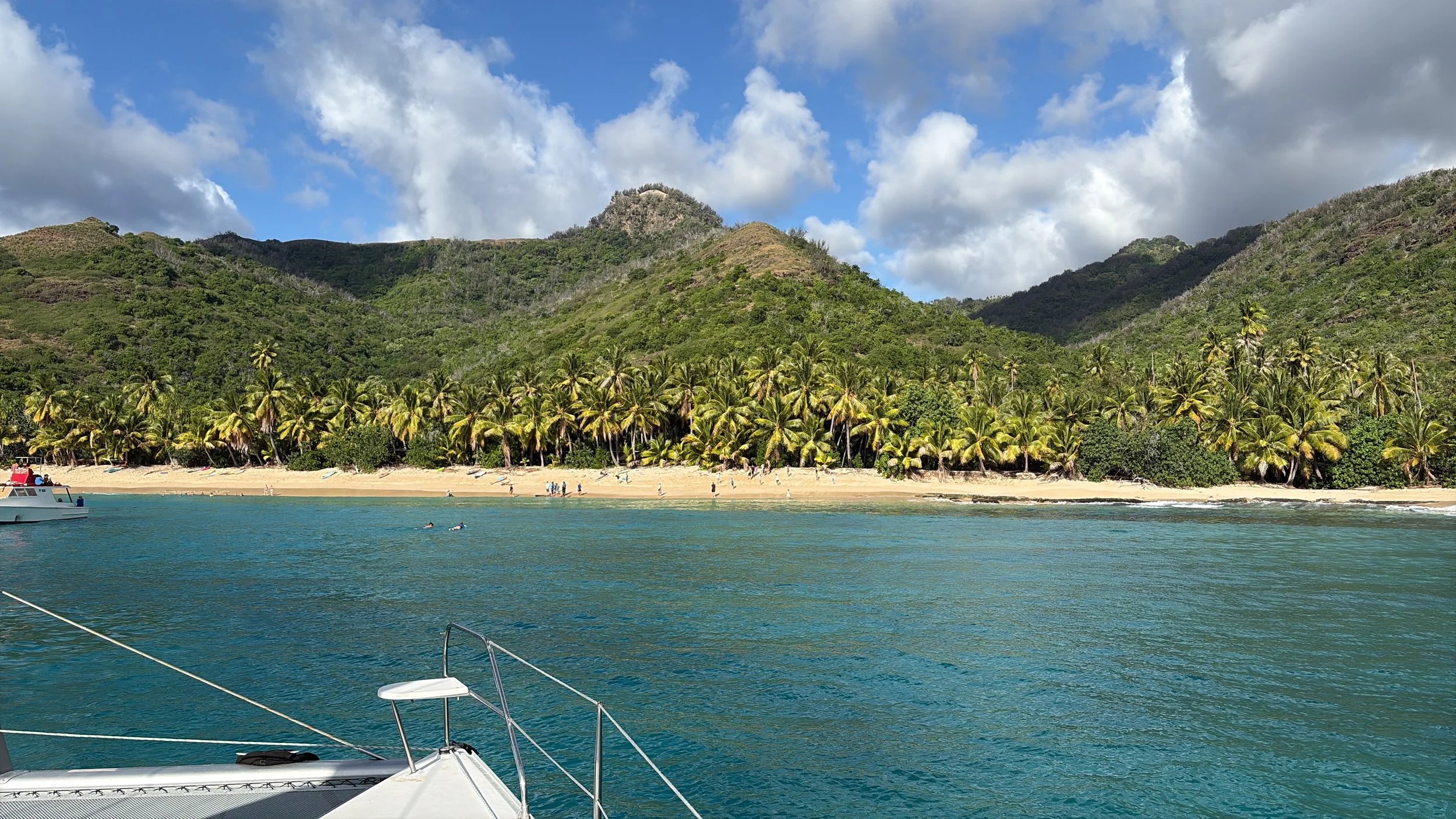
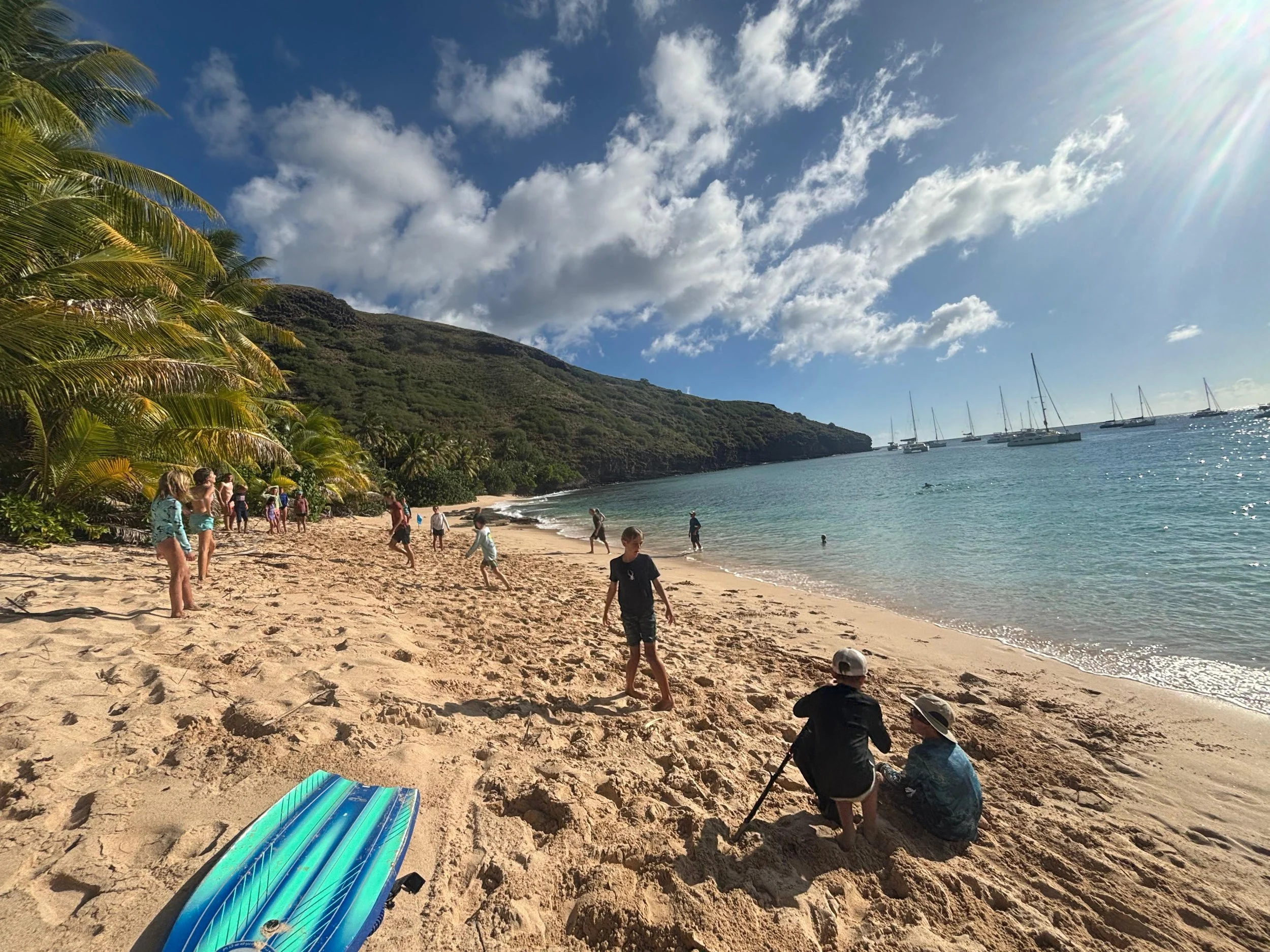
Highlight number 1 - swimming with Manta Rays at Tahuata.
At night we turned our underwater lights on for a few minutes and were rewarded by huge 6ft + wingspan Manta Rays under our boat. They do backflips as they feed, and Bethan got straight into the water and swam with them, turning backflips alongside these huge gentle giants. Eventually she got out and told us that she could take that off her bucket list. Pretty cool for a 9 year old to be ticking stuff off, we thought. thats why we are doing this…..
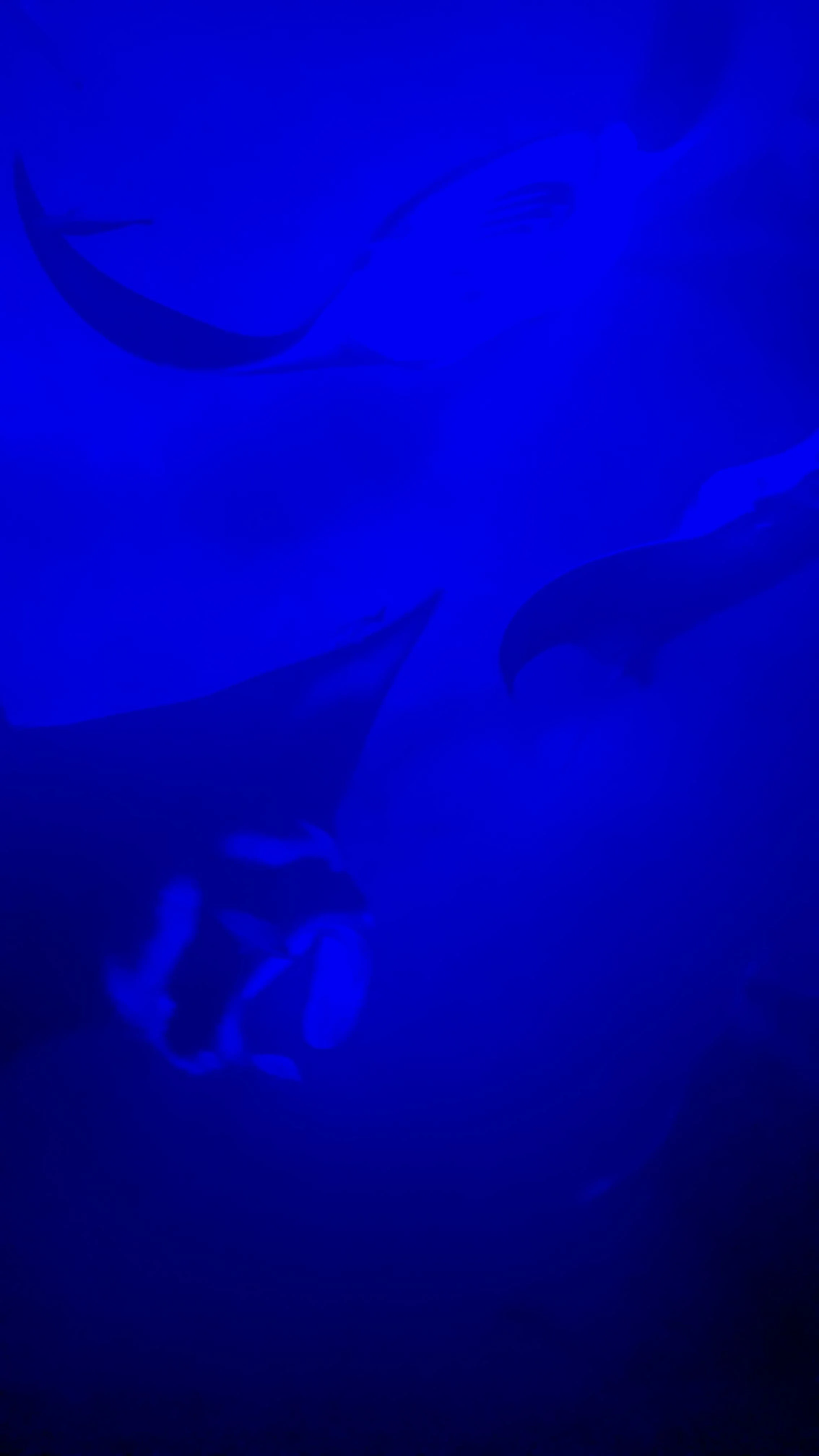
Bethan night swimming with the Manta Rays. Bucket list item she told us.
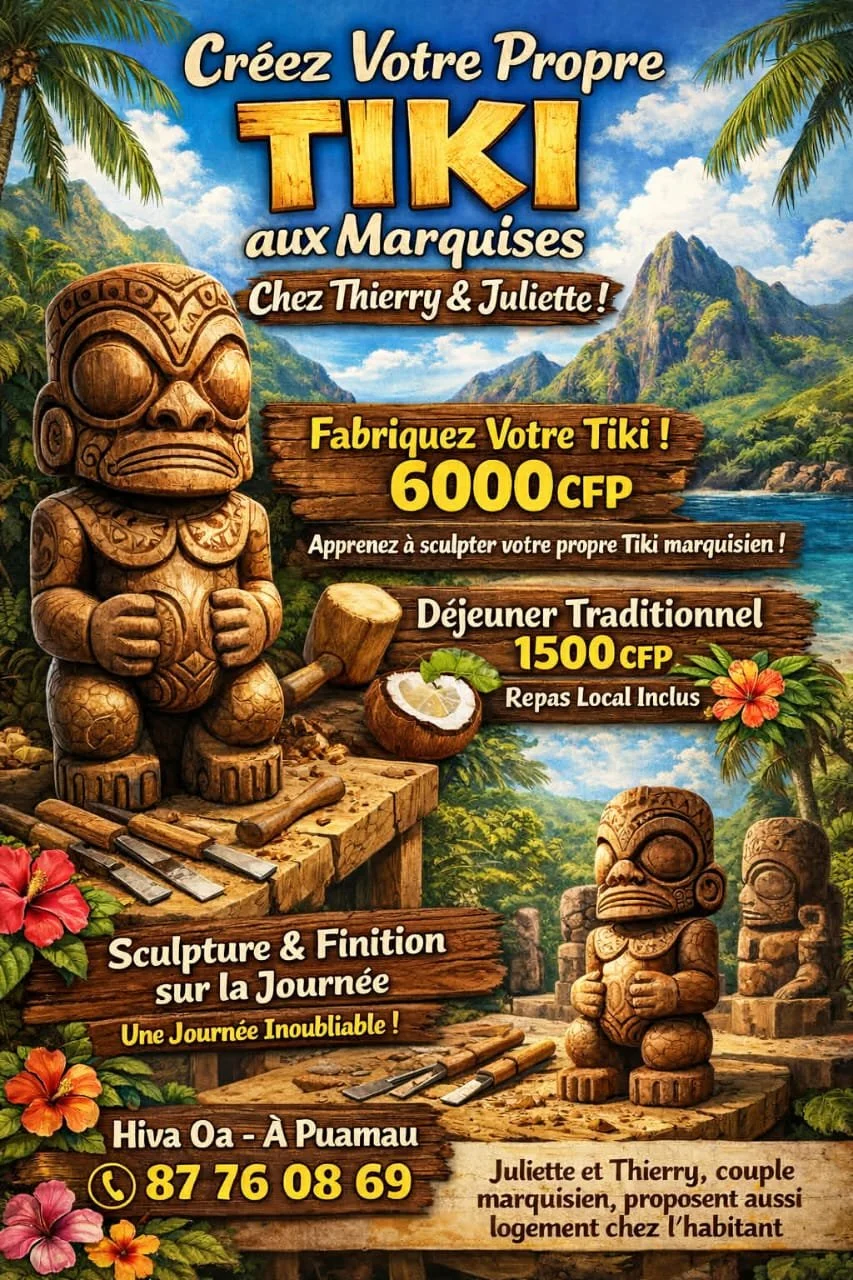
Highlight Number 2: Tiki Making Class, Hiva Oa.
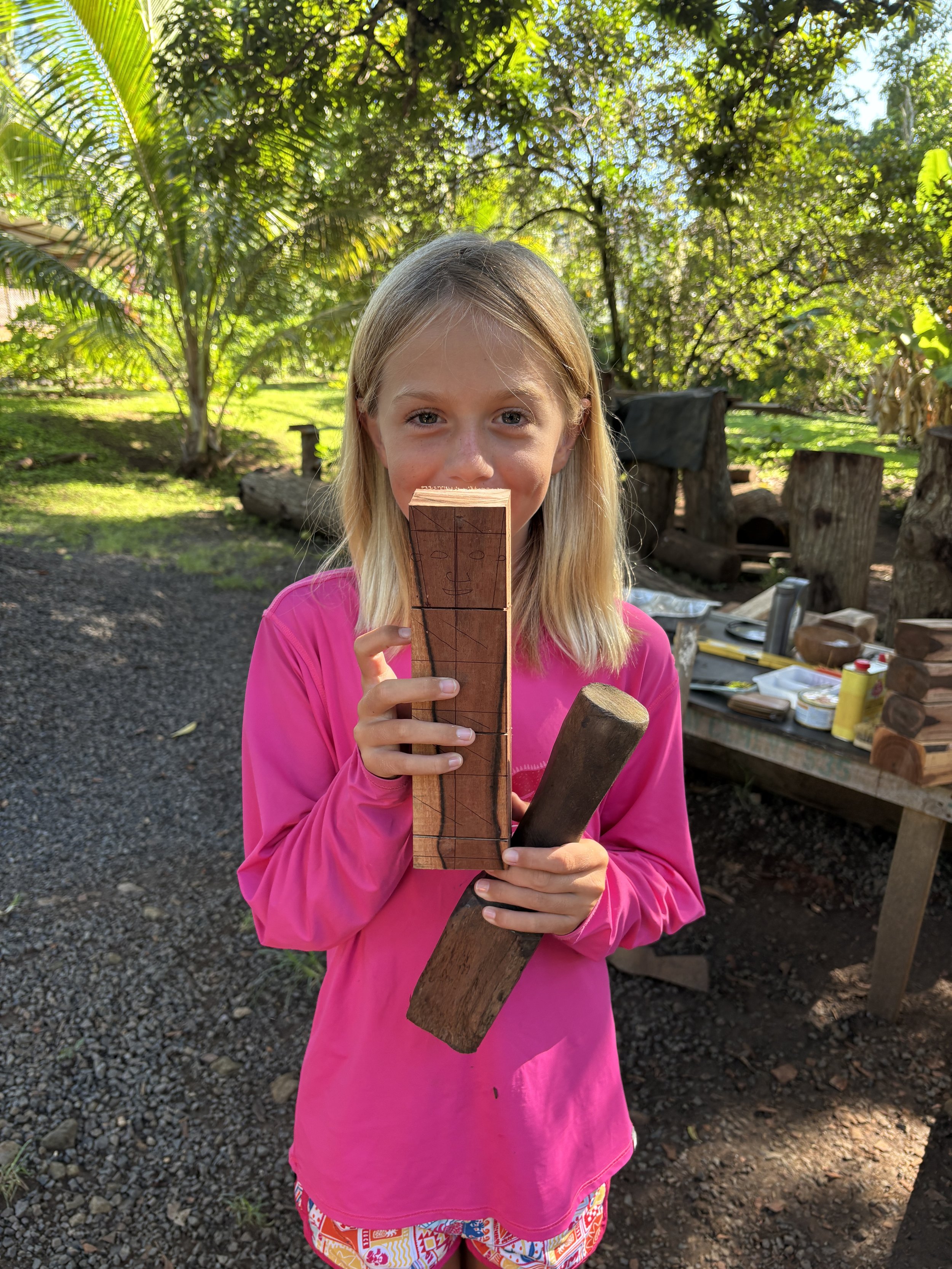
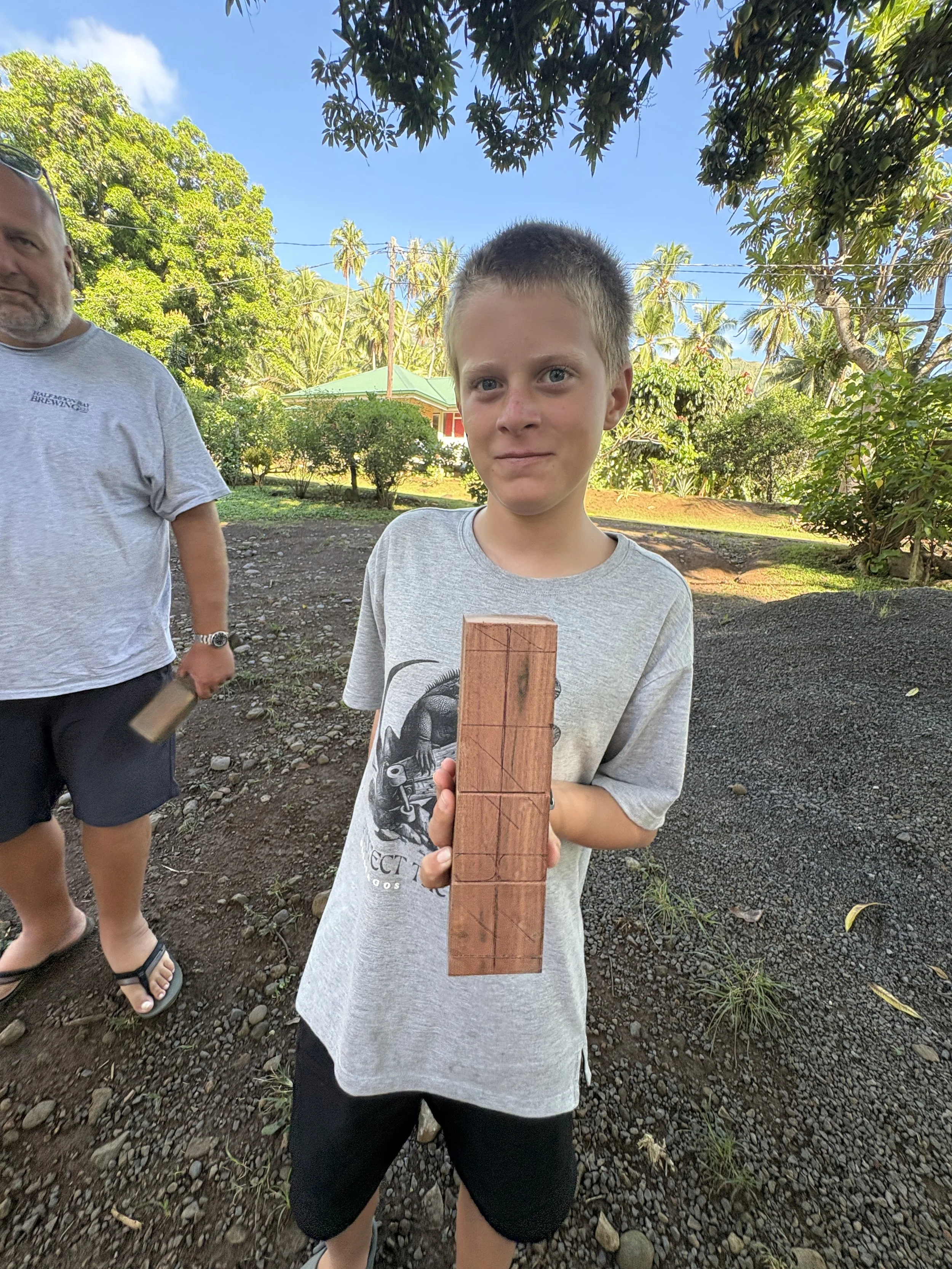
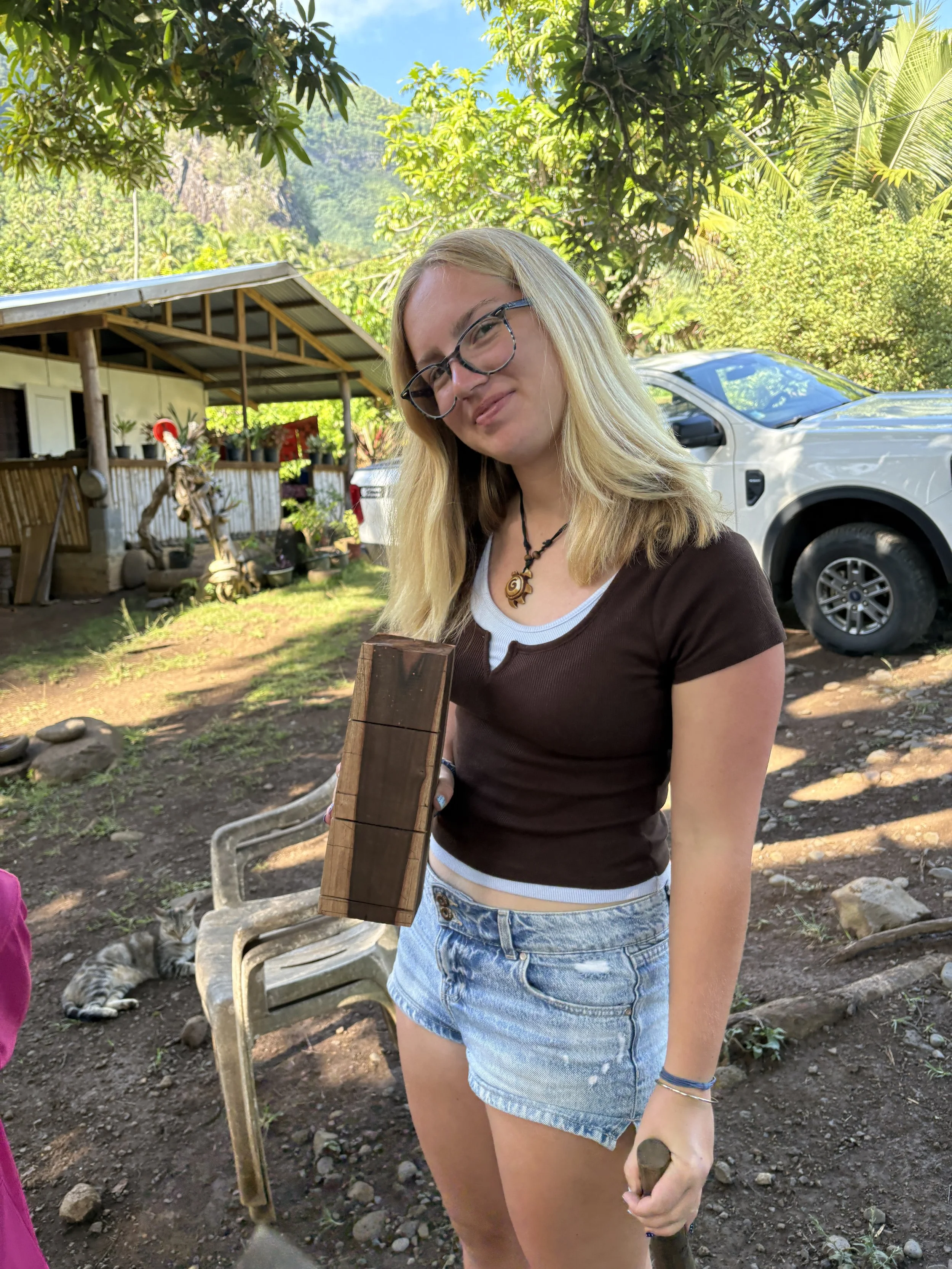
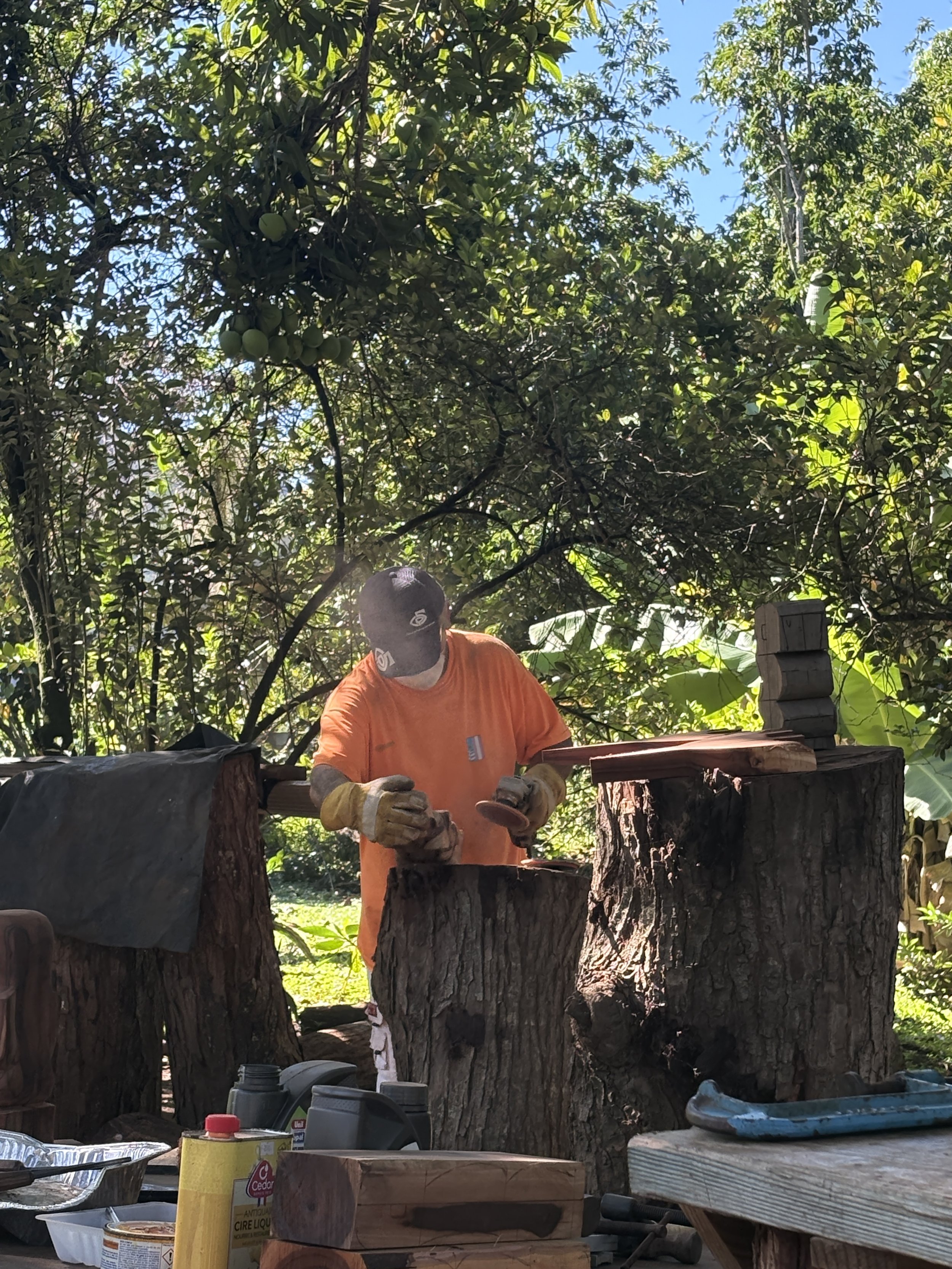
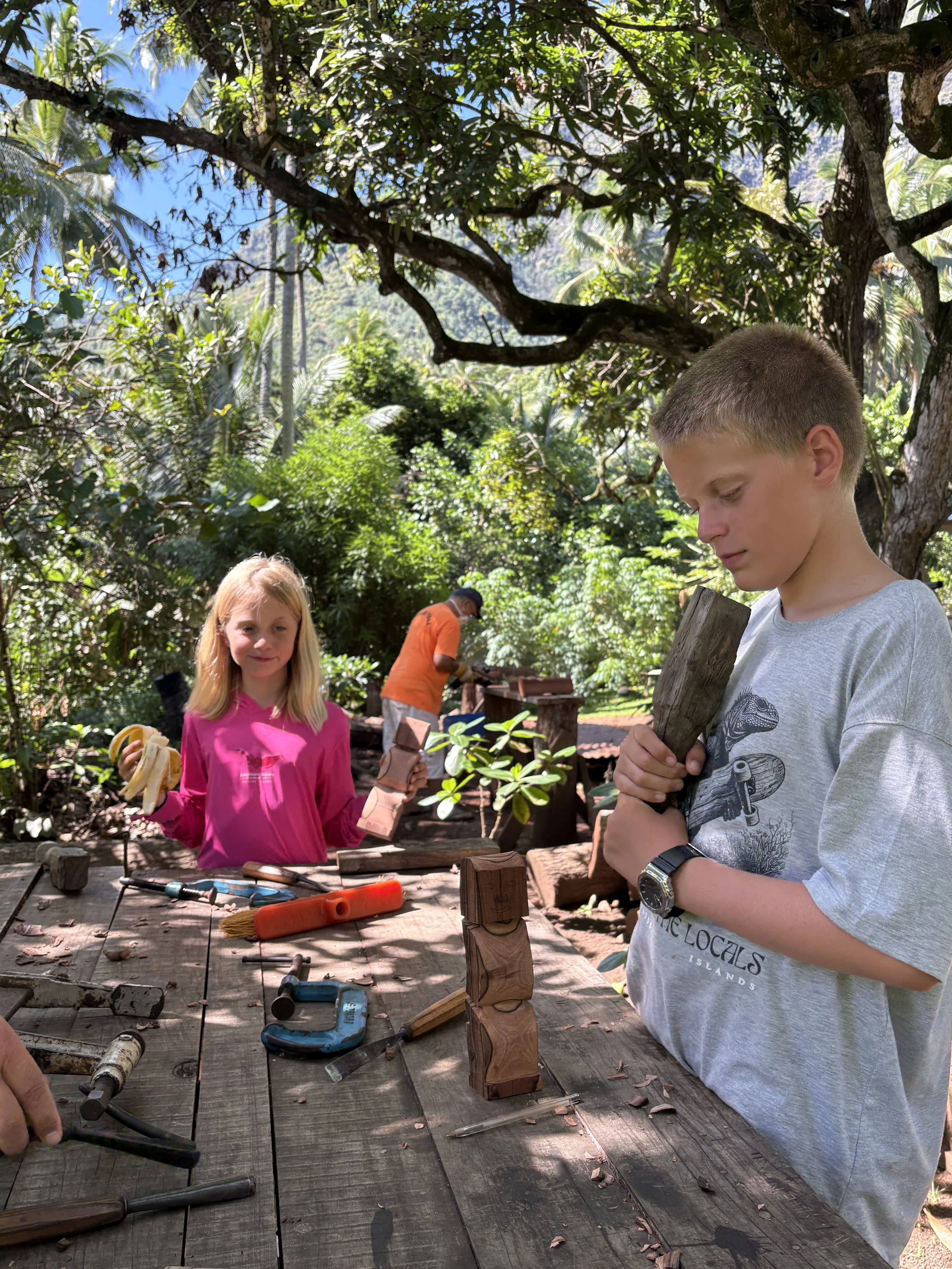
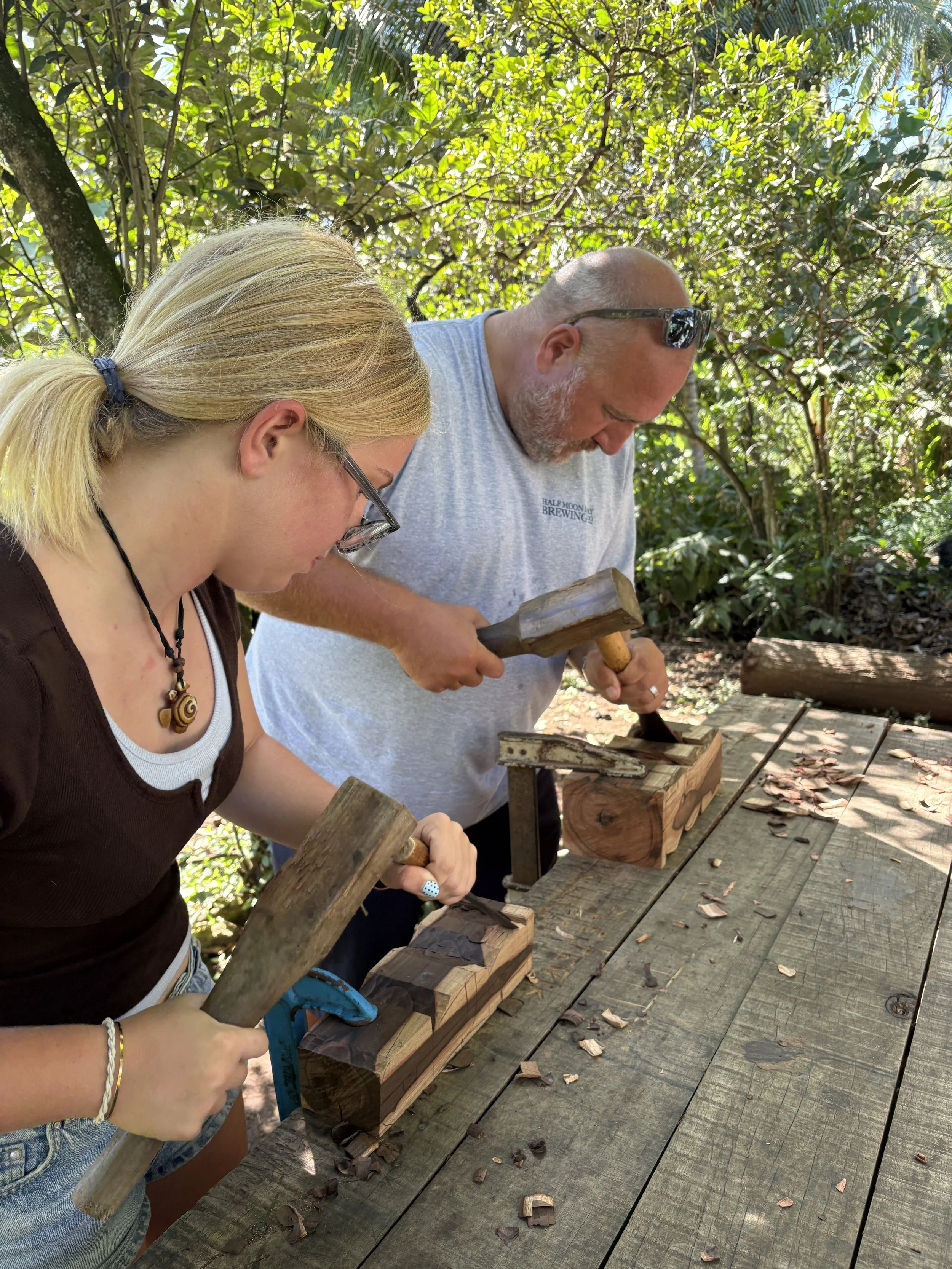
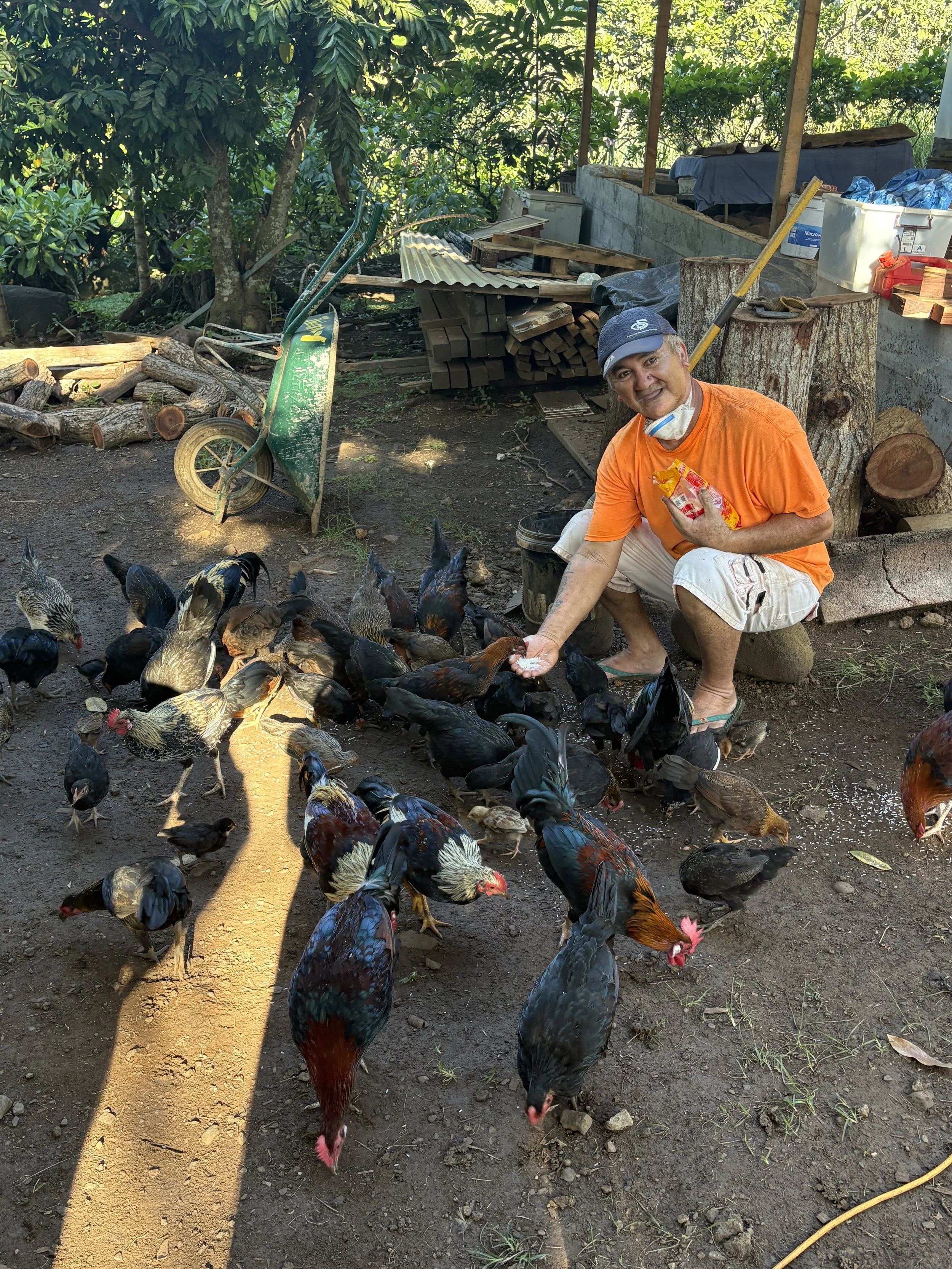
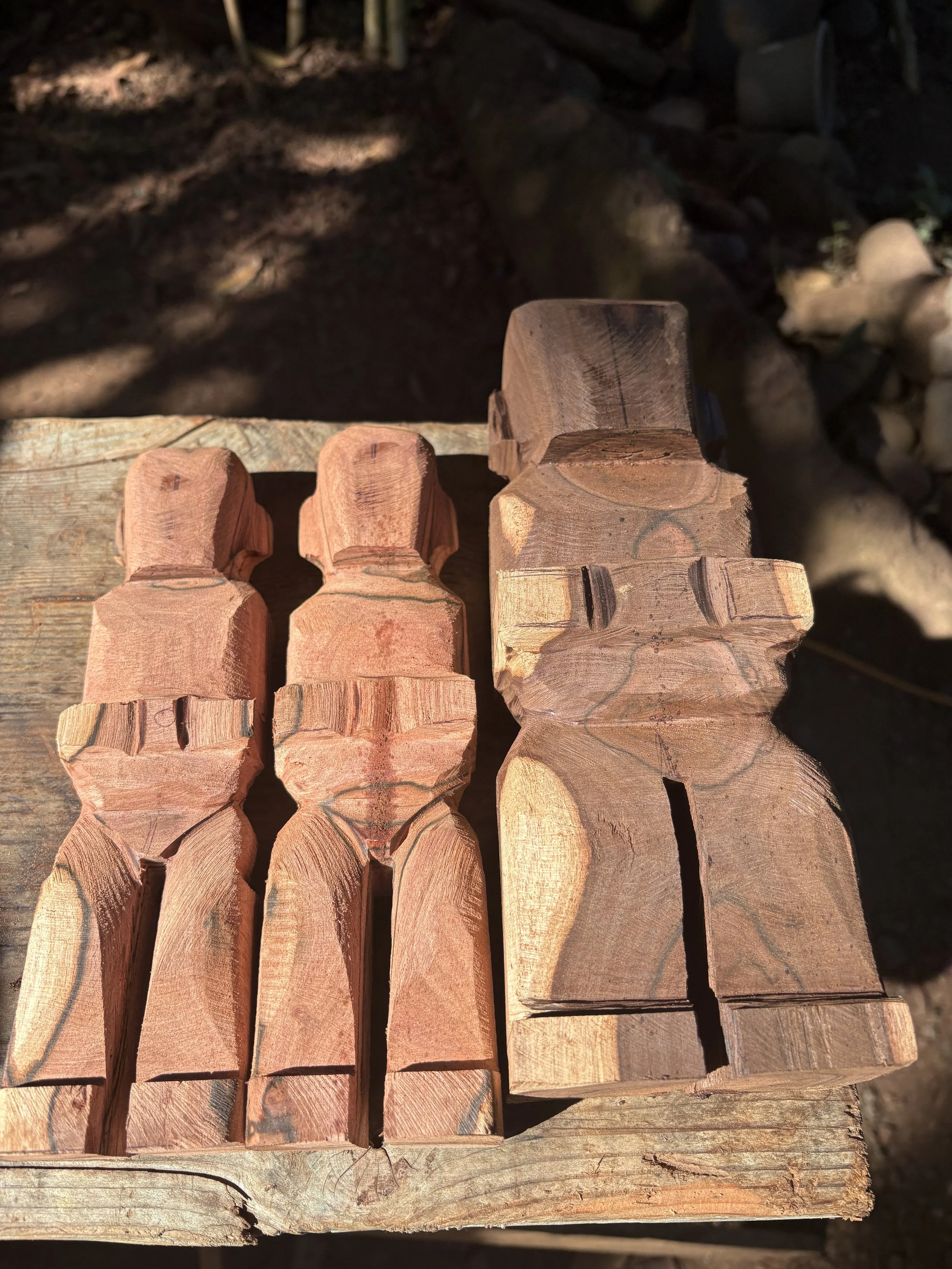
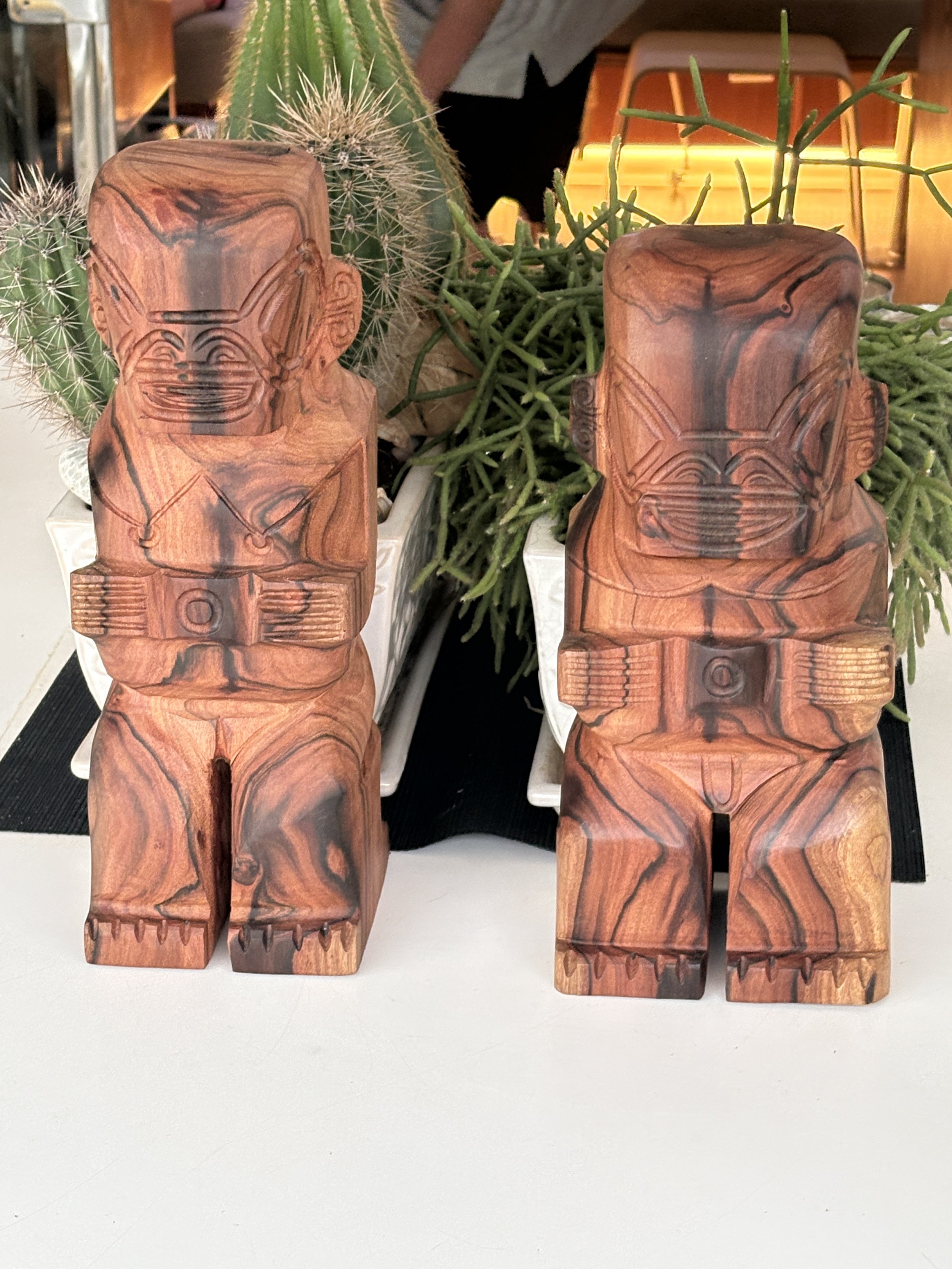
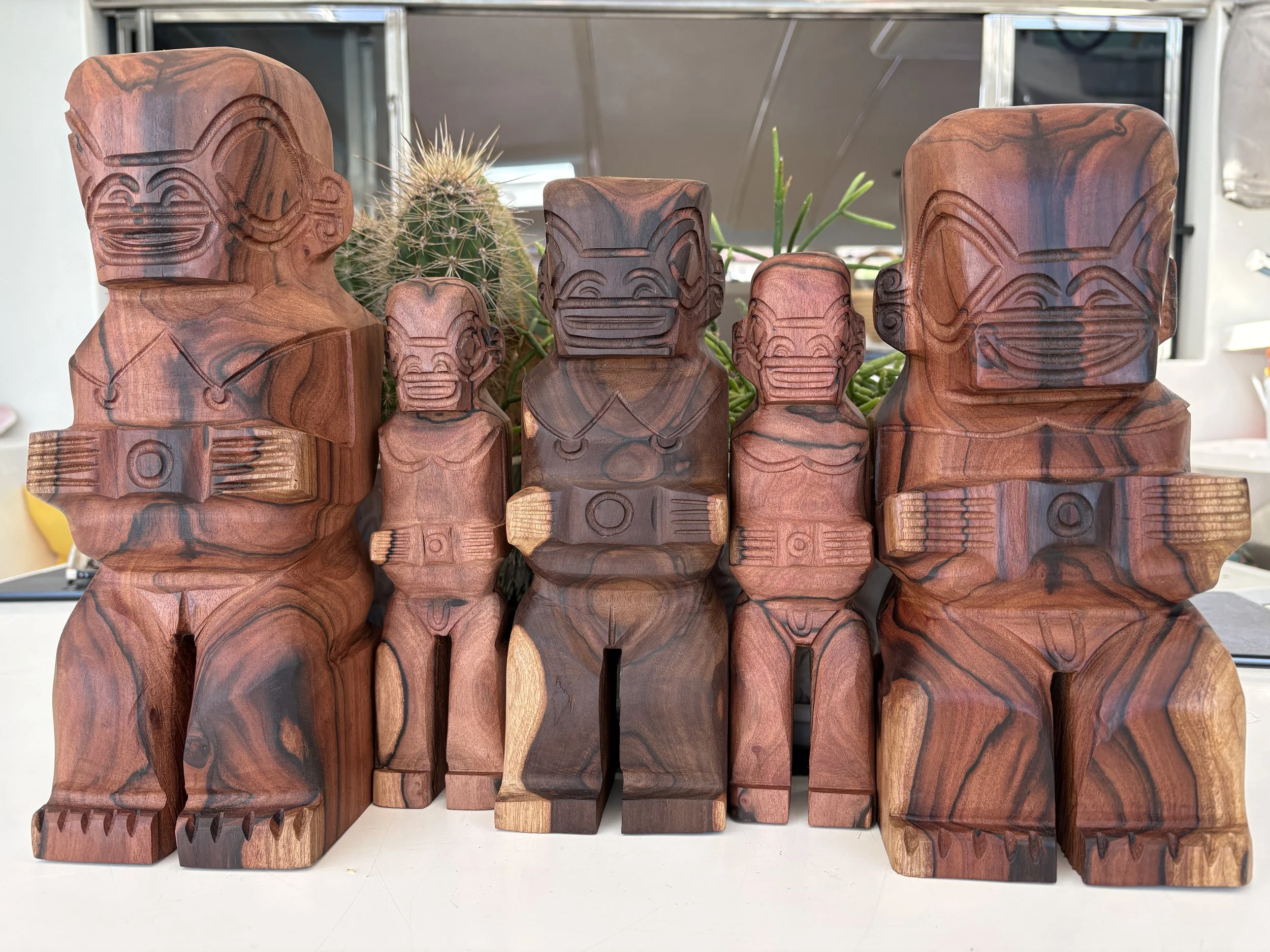
We found a local wood carver, Thierry, on Hiva Oa who offered a tiki-making workshop while Oscar, Bethan, and I were exploring the island before Pete and Annabelle returned to French Polynesia. Once we were all back together again, we rented a car for the day and headed to the far end of the island early one Sunday morning, and had simply the best day! The workshop was set in Thierry and Juliette's beautiful garden, in a small town at the base of a volcano's caldera, with chickens and cats wandering around. Each of us started with a piece of wood with a few lines sketched on it, and Thierry taught us how to use the chisel tools to carve shoulders, chins, and parts of the legs. It was really physical work, and at the end of each stage, Thierry helped us smooth out our rough edges. At lunchtime we wandered to the local beach, where his wife, Juliette, had laid out an absolute feast on a picnic table: tuna sashimi, poisson cru (the Polynesian version of ceviche, built around raw tuna marinated in coconut milk and lime), goat curry, rice, breadfruit fries, homemade lemonade, and much more! We then returned for the afternoon session with Thierry to carve the finer, decorative parts of our tikis, before a final sanding and a rub of beeswax. We couldn't be more thrilled with how they turned out, and we left with gifts of a stalk of bananas and several pomelos from their garden.
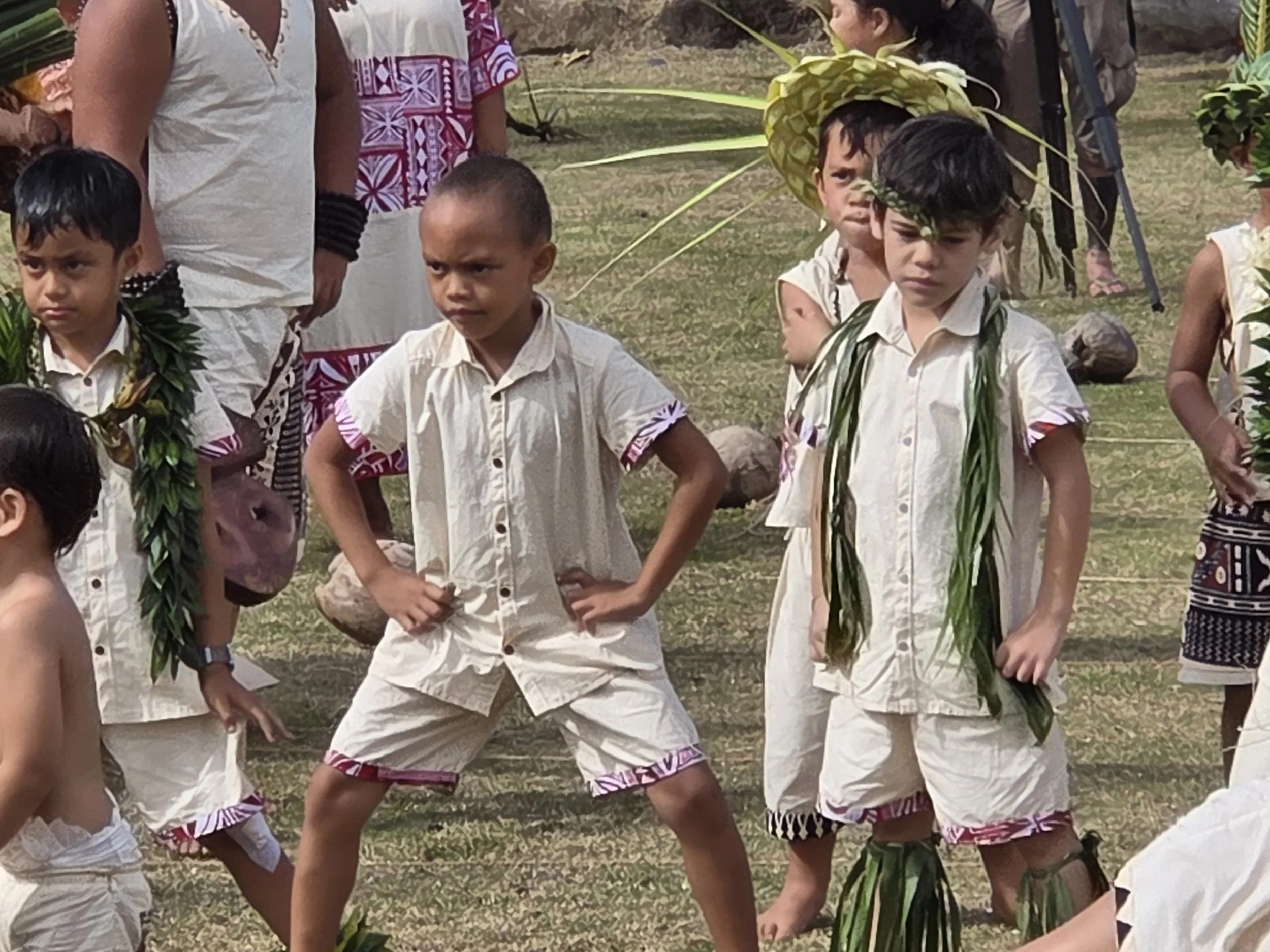
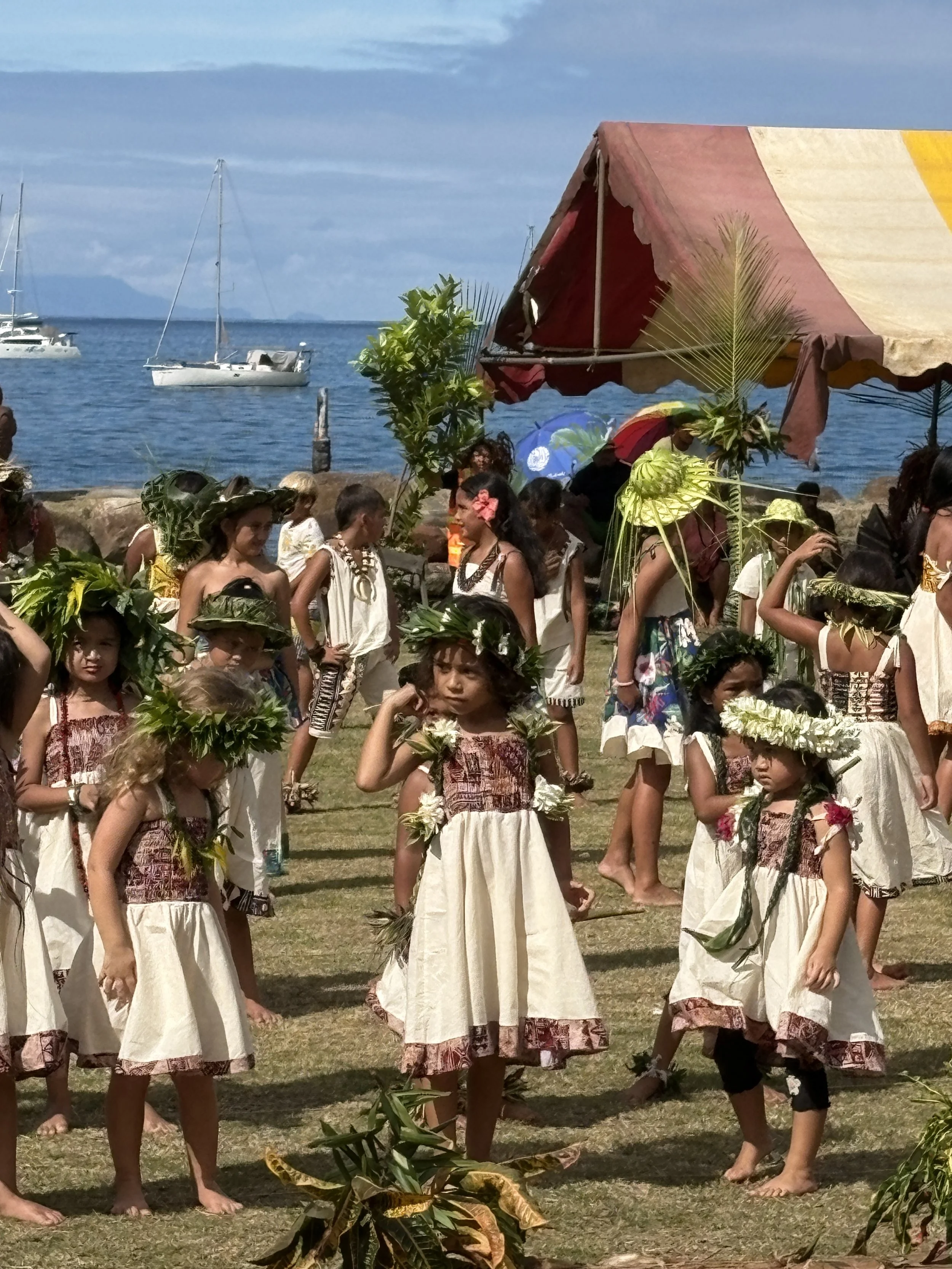
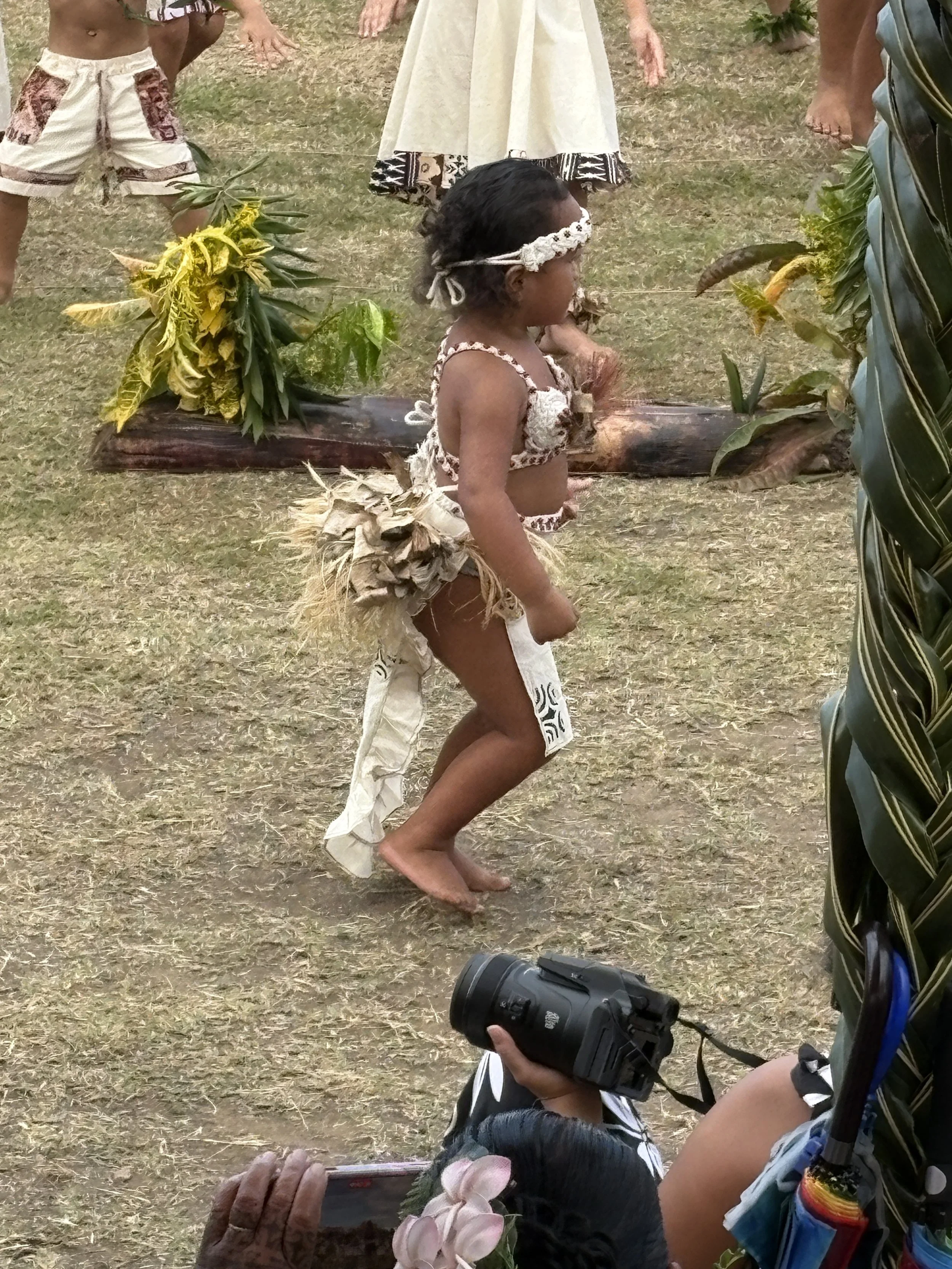
Highlight number 3 - The traditional dancing and stories that we watched.
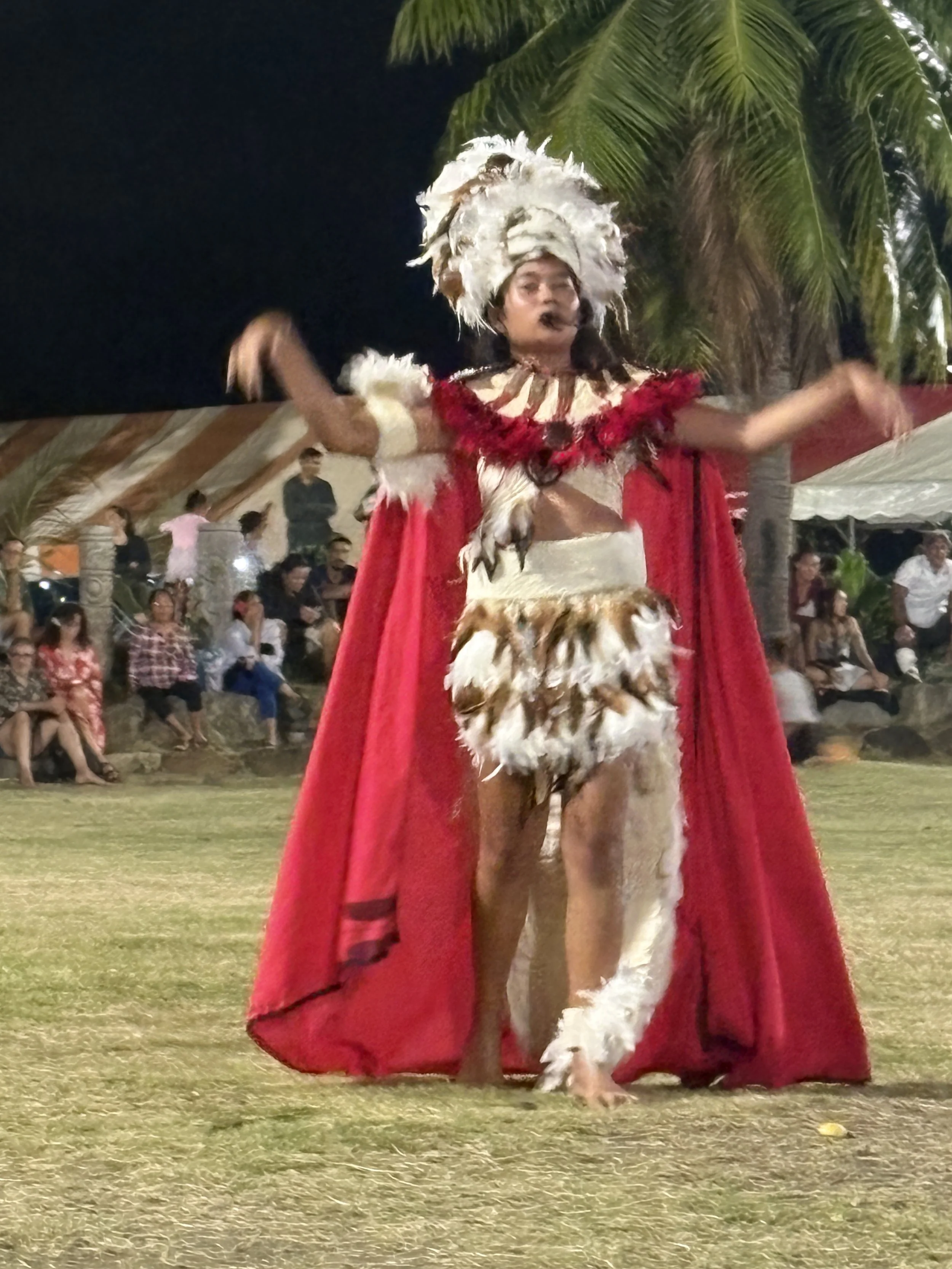
Whilst we were in Nuka Hiva, the local college was presenting the dances and stories that they had recently performed in Tahiti at a competition. The following morning the local Elementary school repeated similar dances in a much cuter version. Beautiful to see their traditions being taught through the generations!
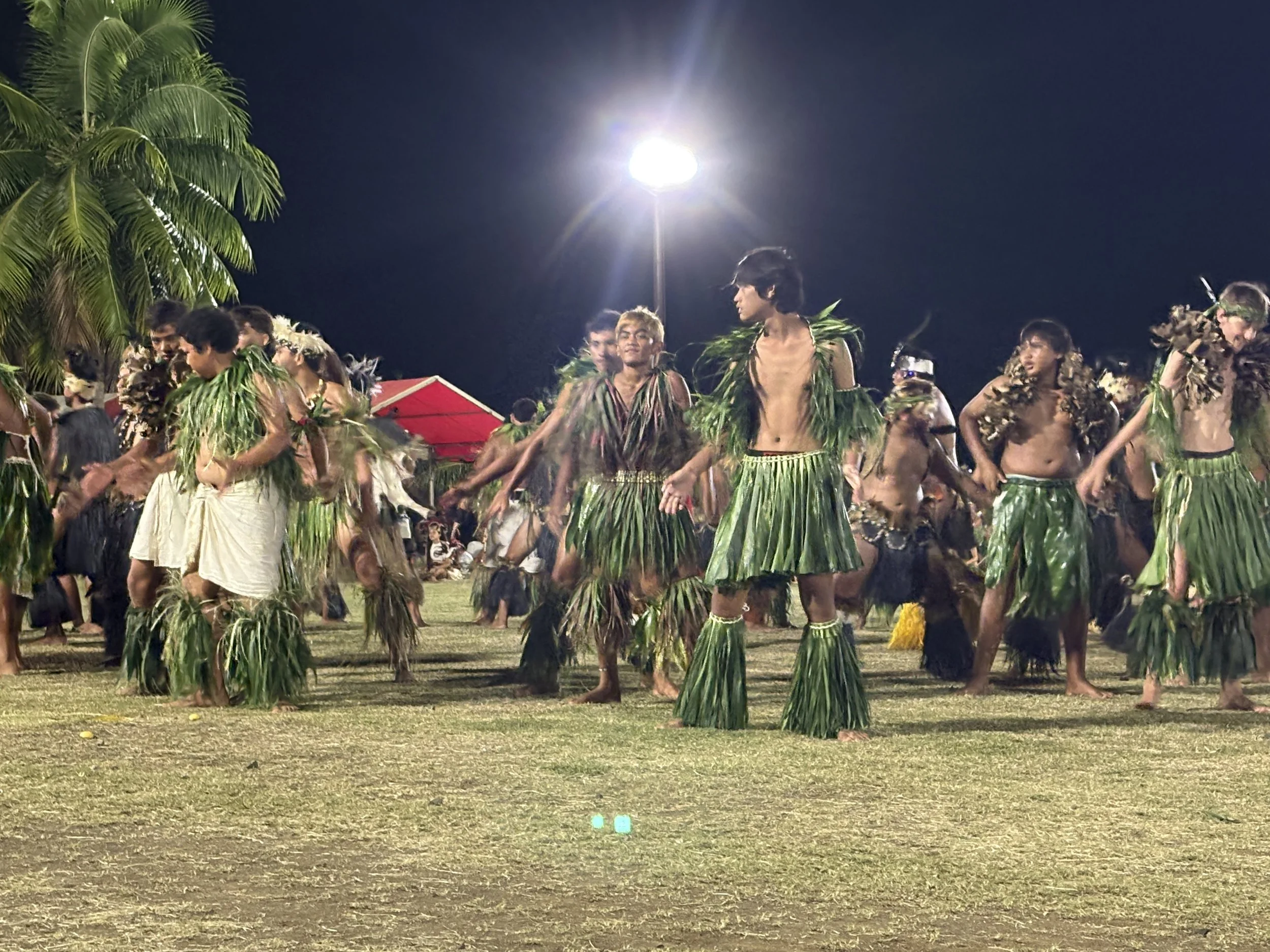
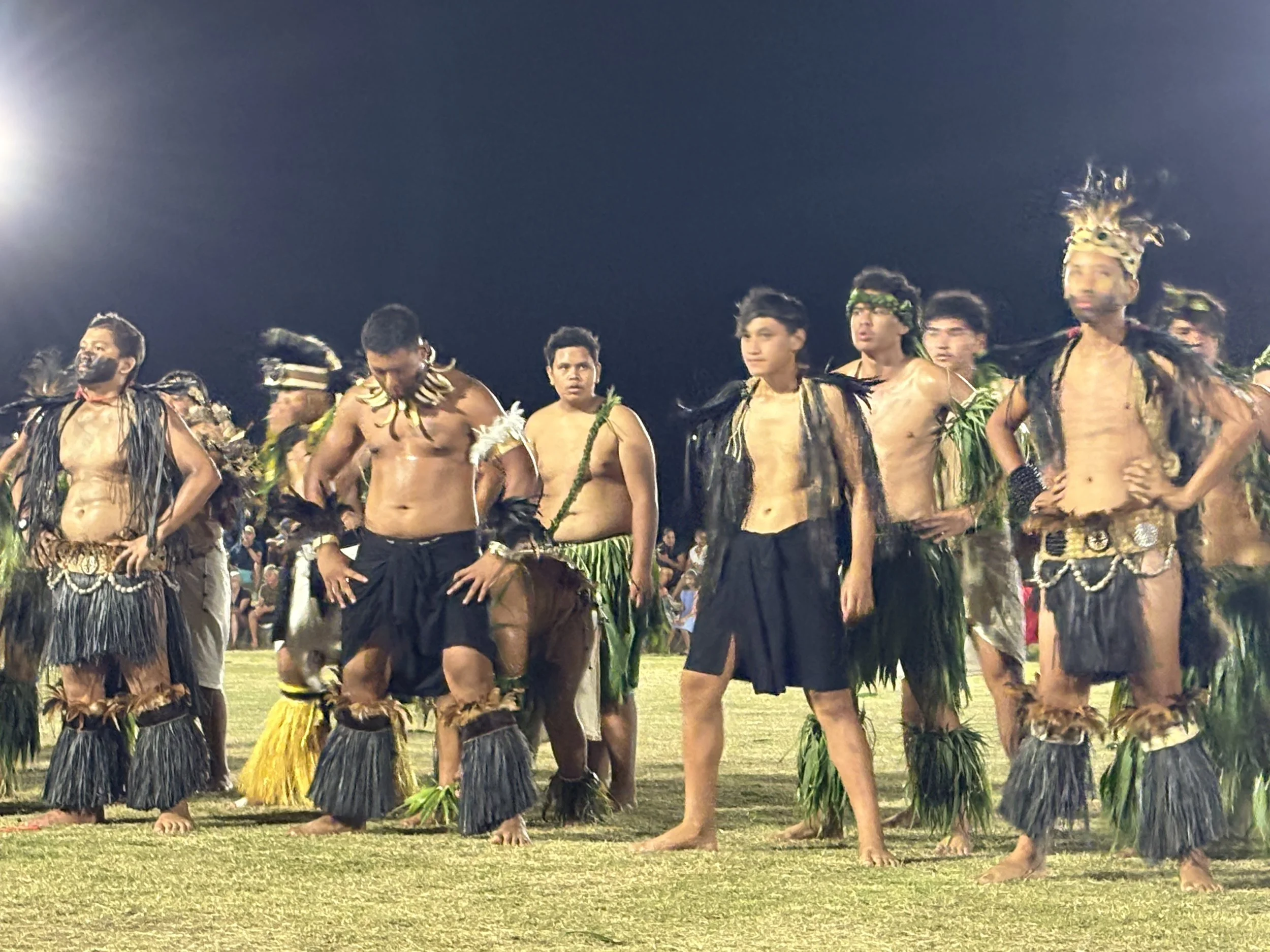
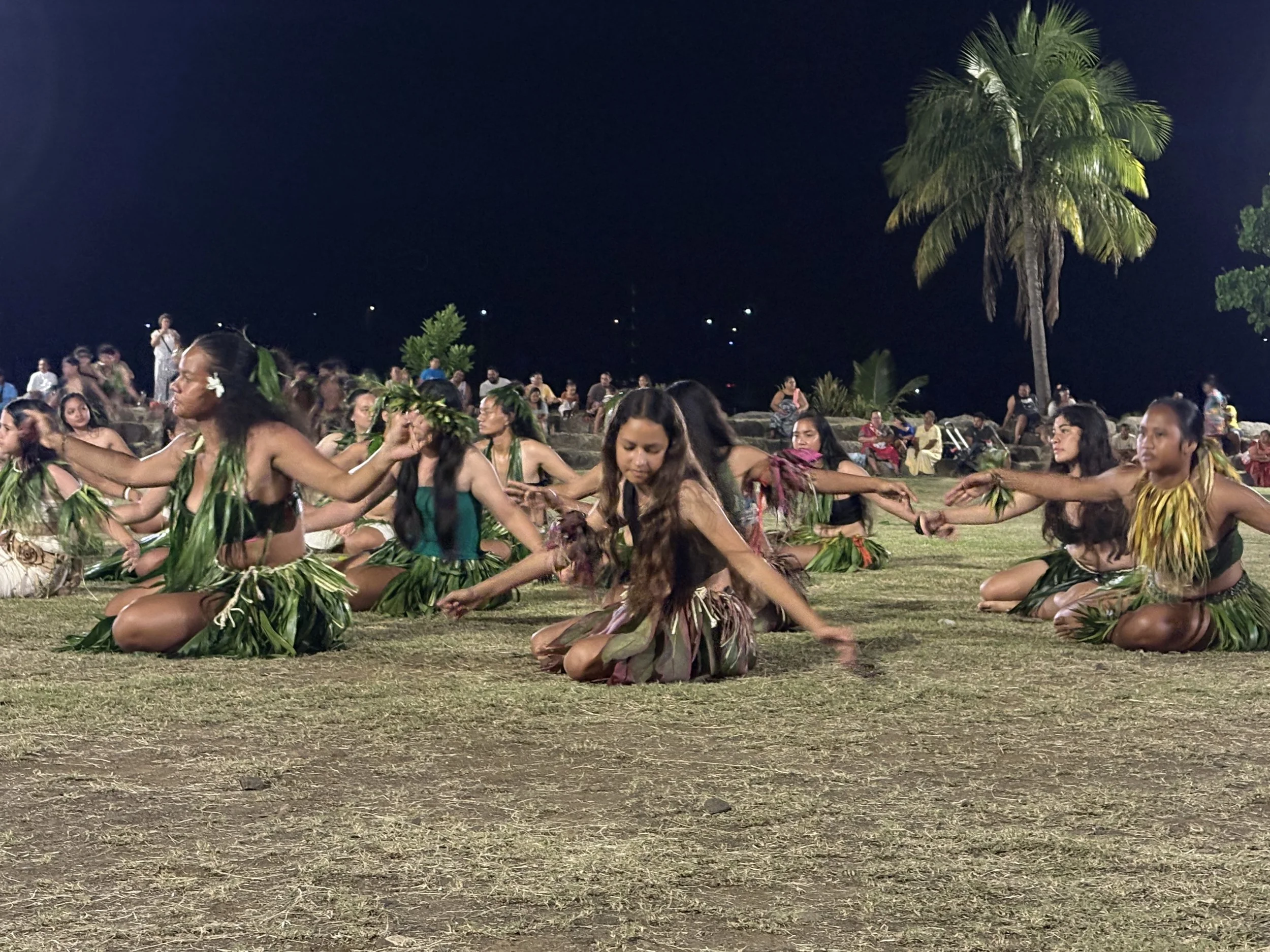
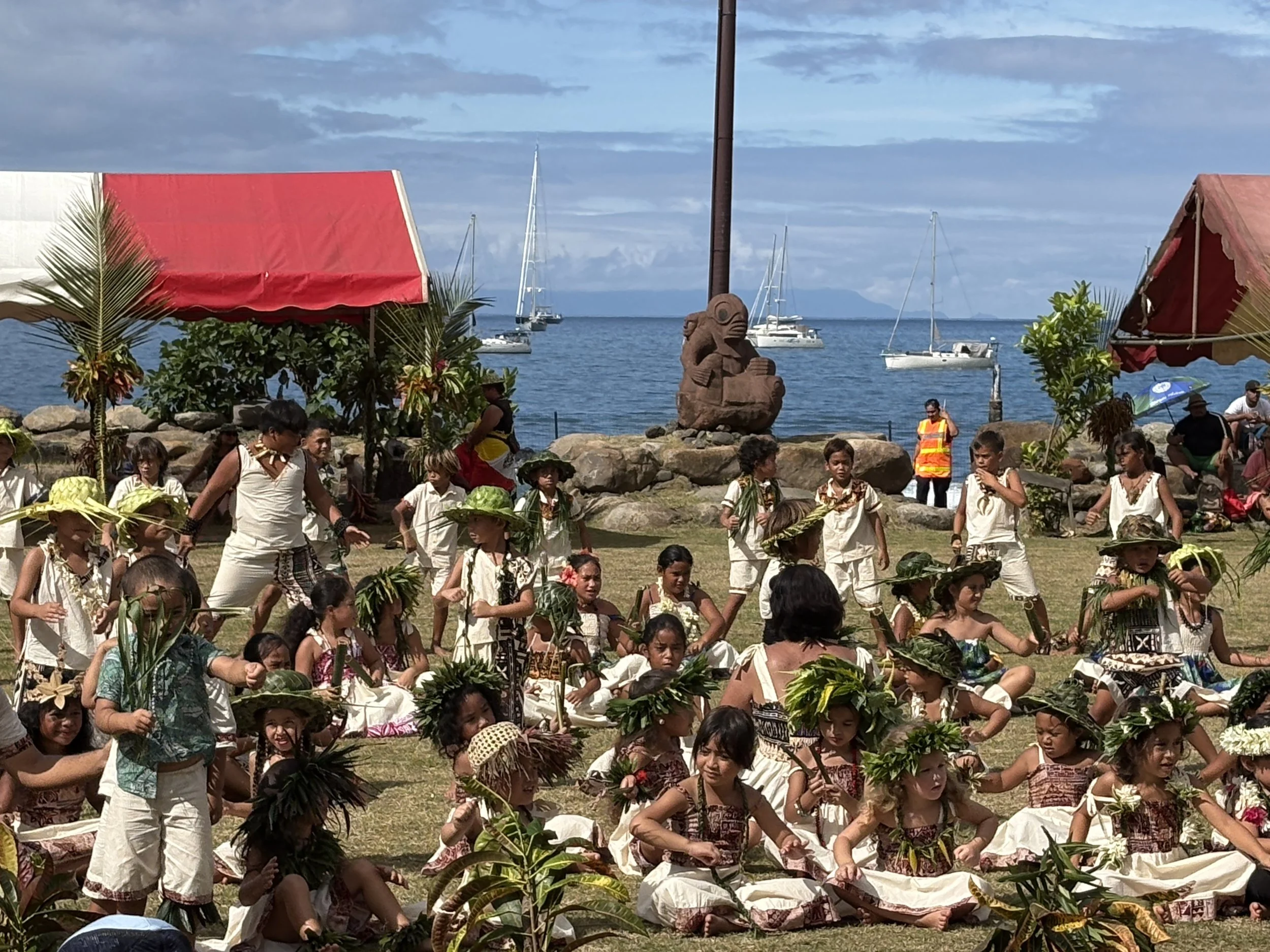
Highlight Number 4 - the sheer majesty of the Marquesas Islands and the generosity of their people.
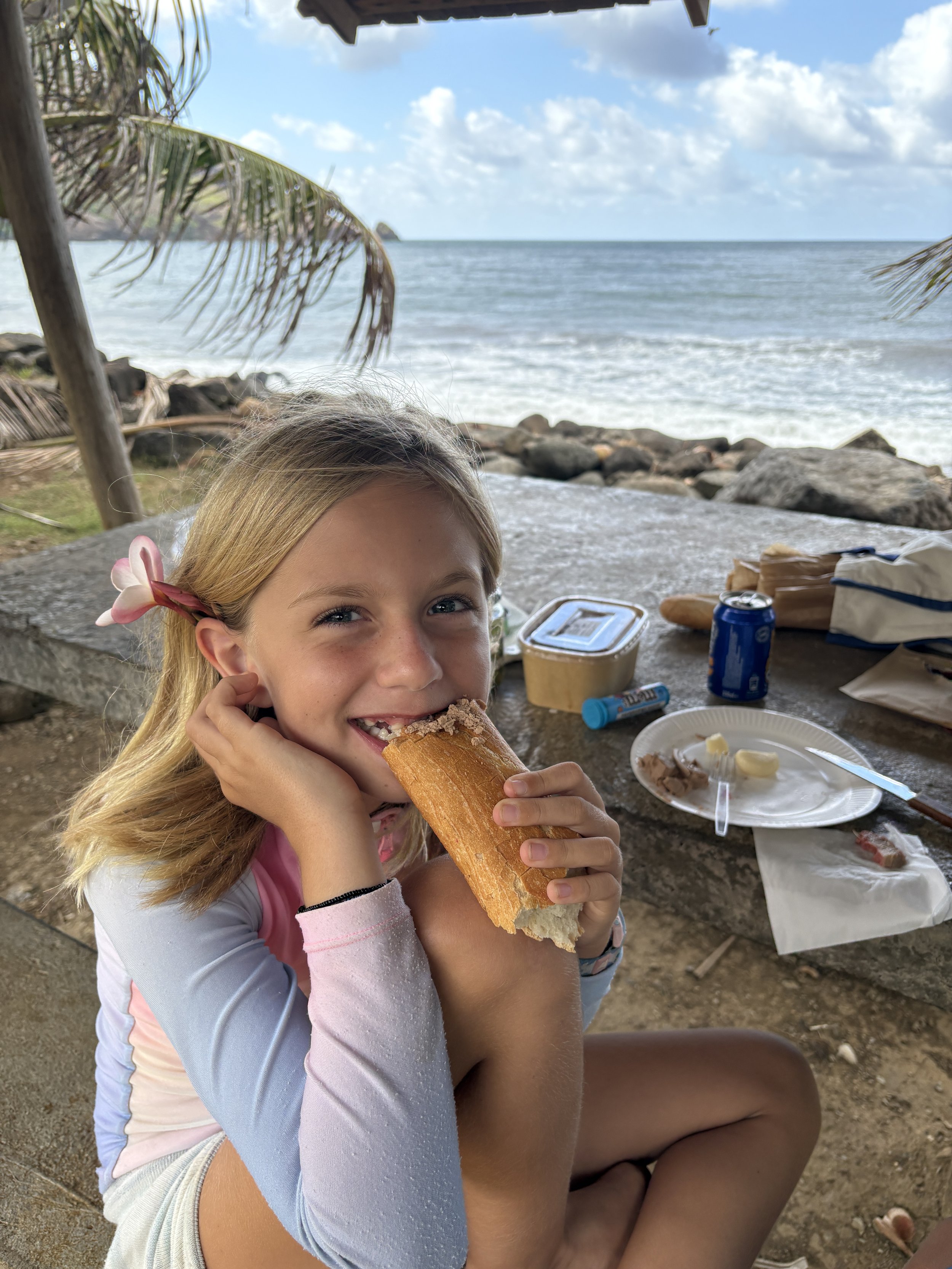
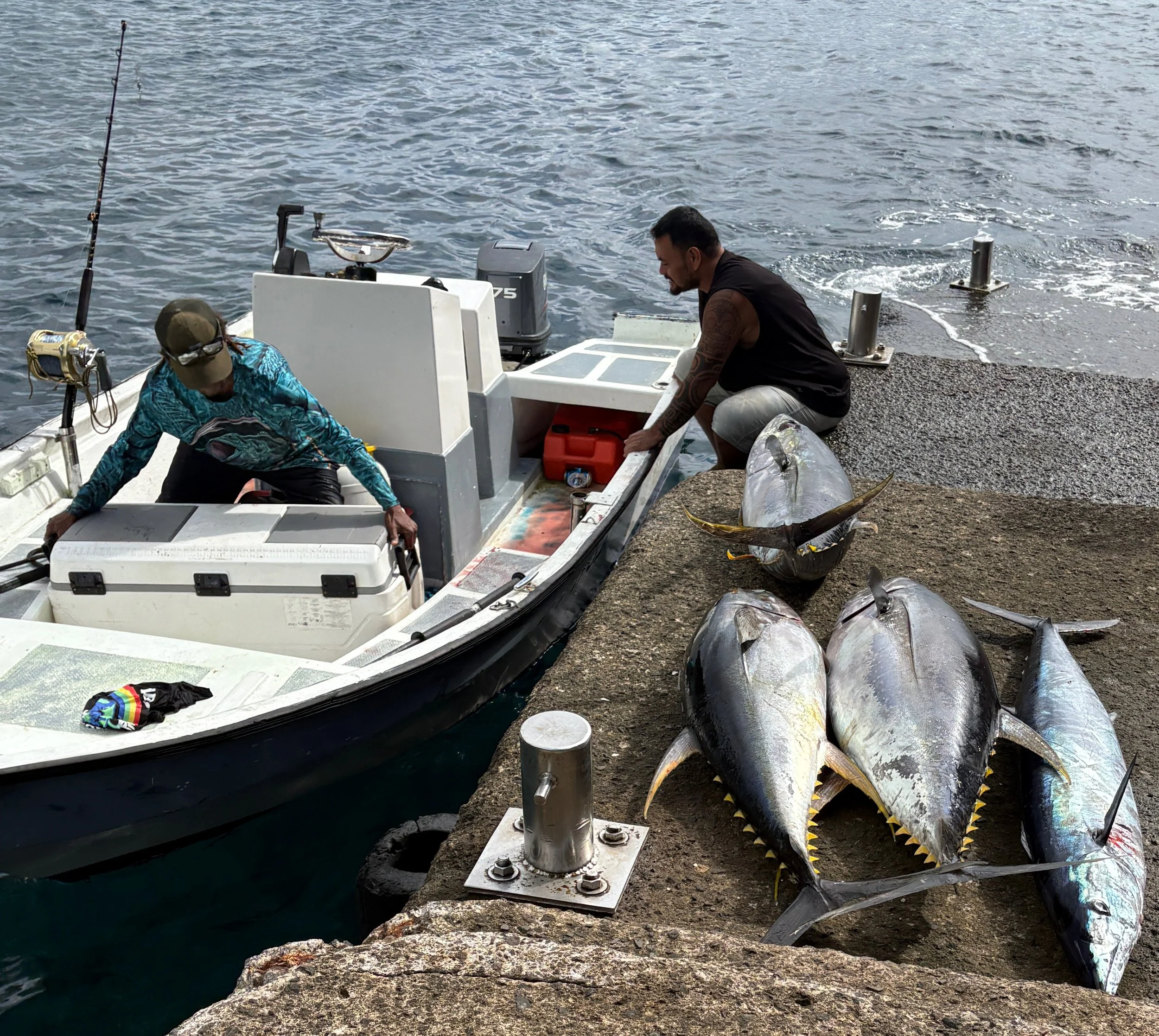
The first day we arrived we were blown away even by the simplicity of the food, tinged with familiar French foods like Steak Frites, baguettes and pate, and carpaccio. It is standard dress to wear a flower in your hair even in the grocery store, with a flowery dress or sarong, and the Polynesian tattoos that so many of the locals have each tell a fascinating story of their own.
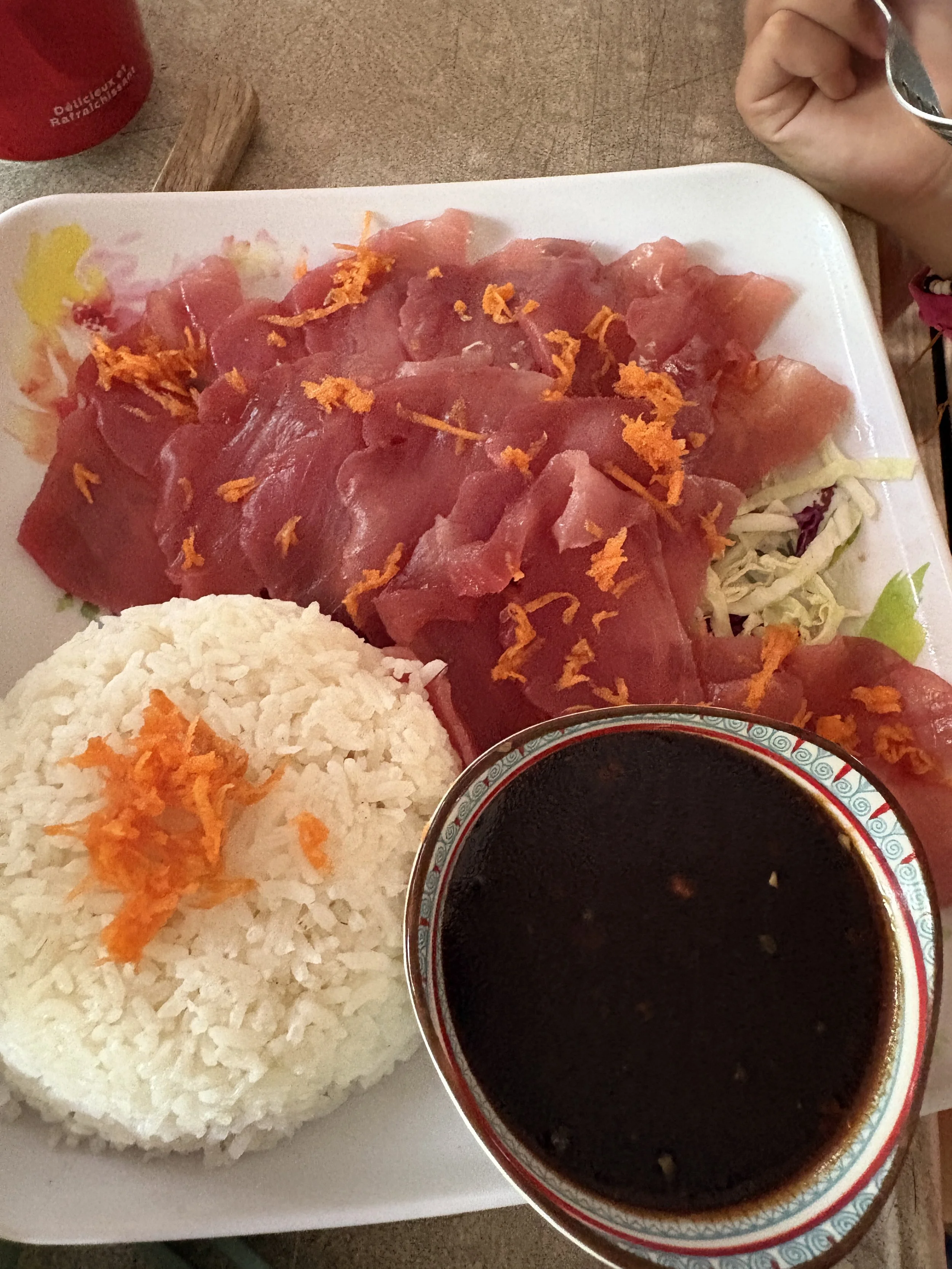
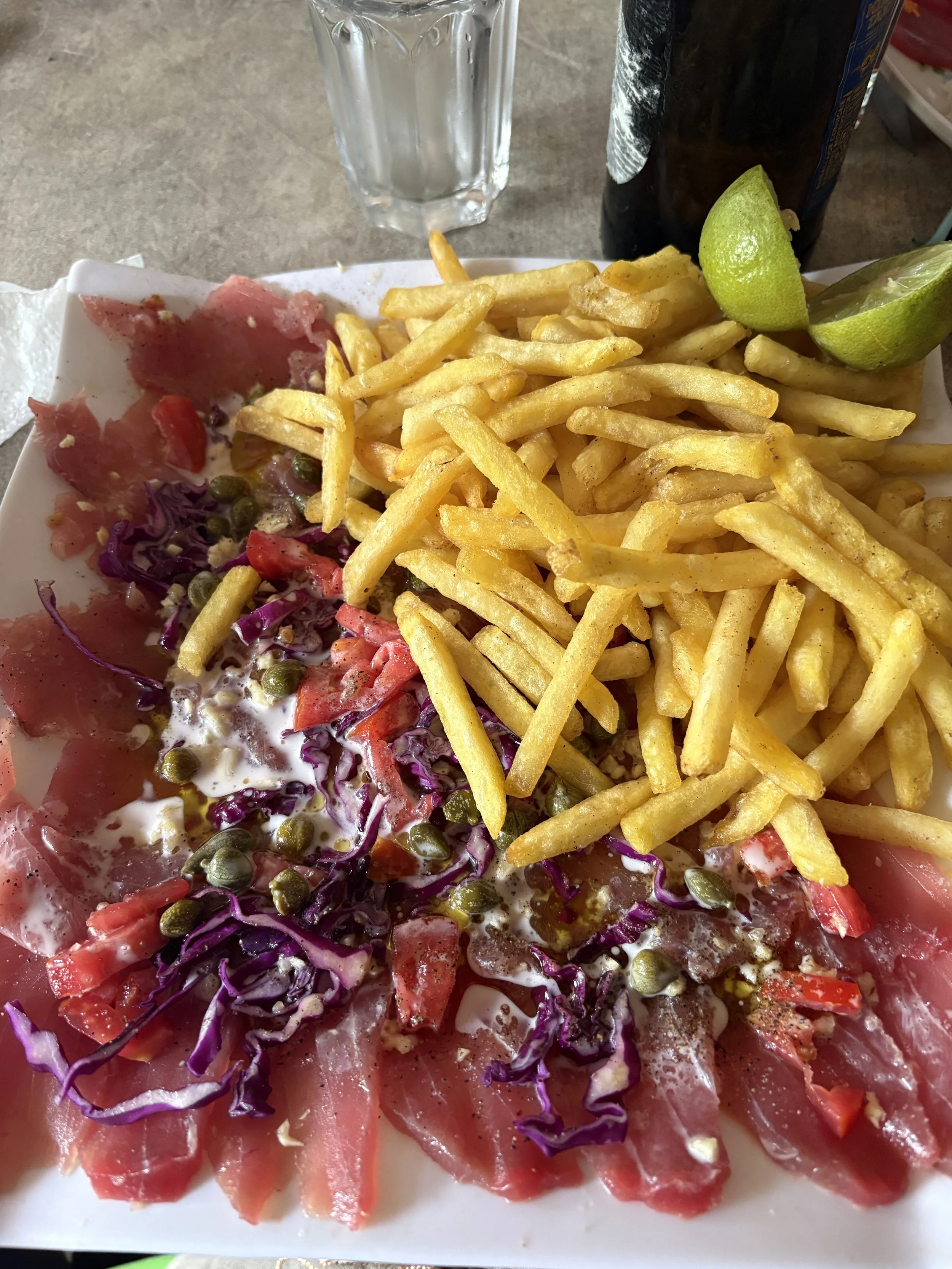
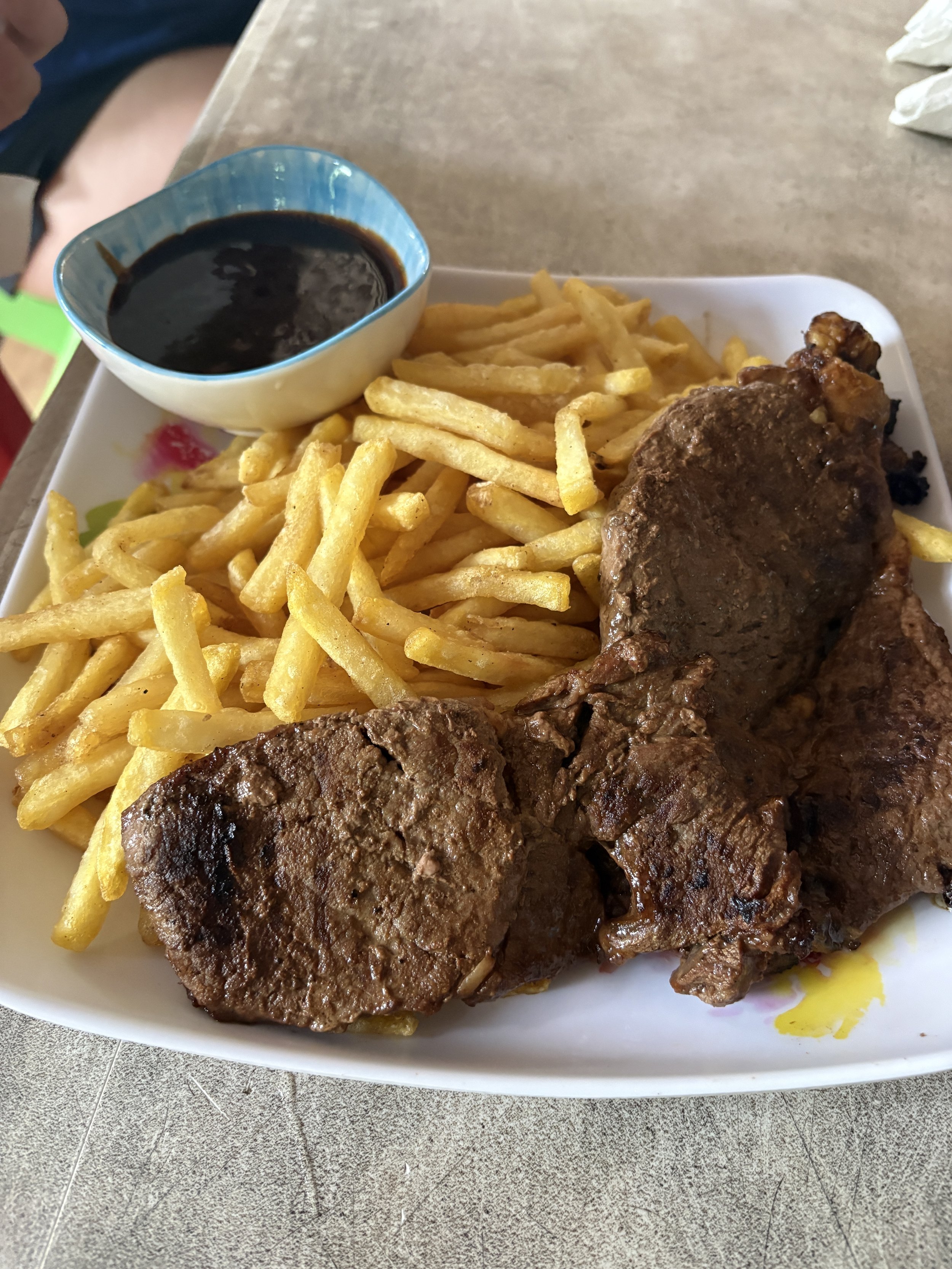
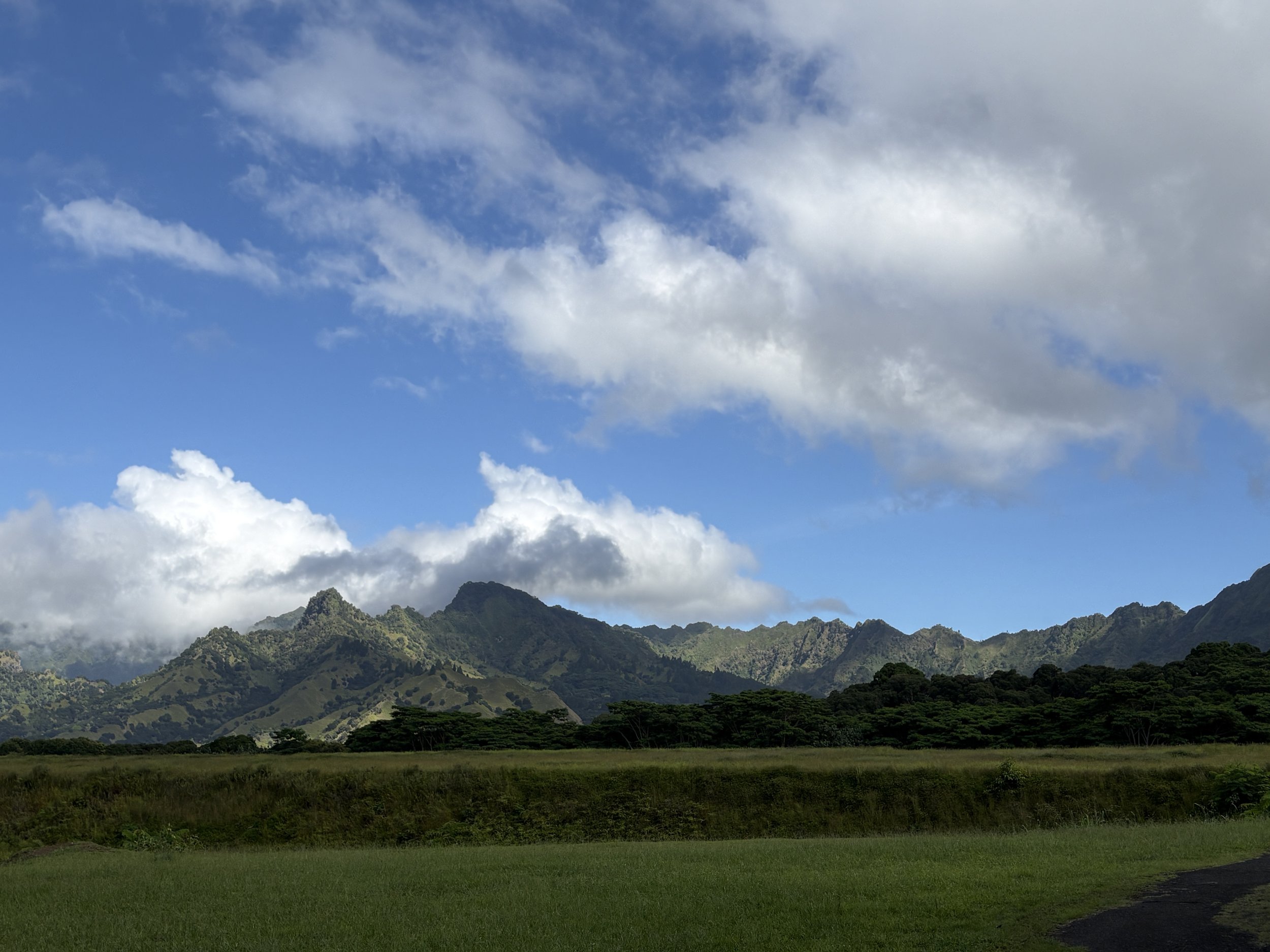
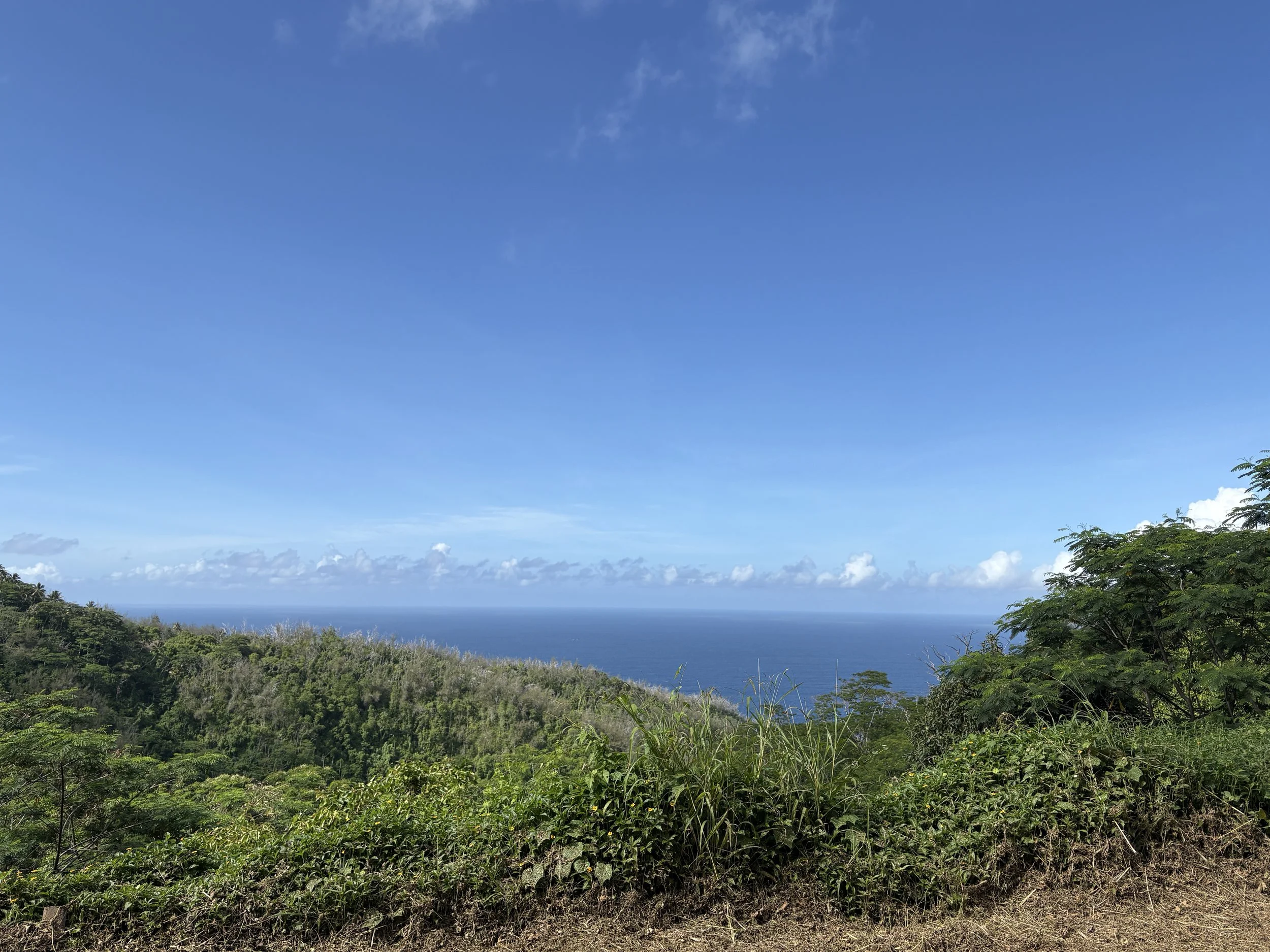
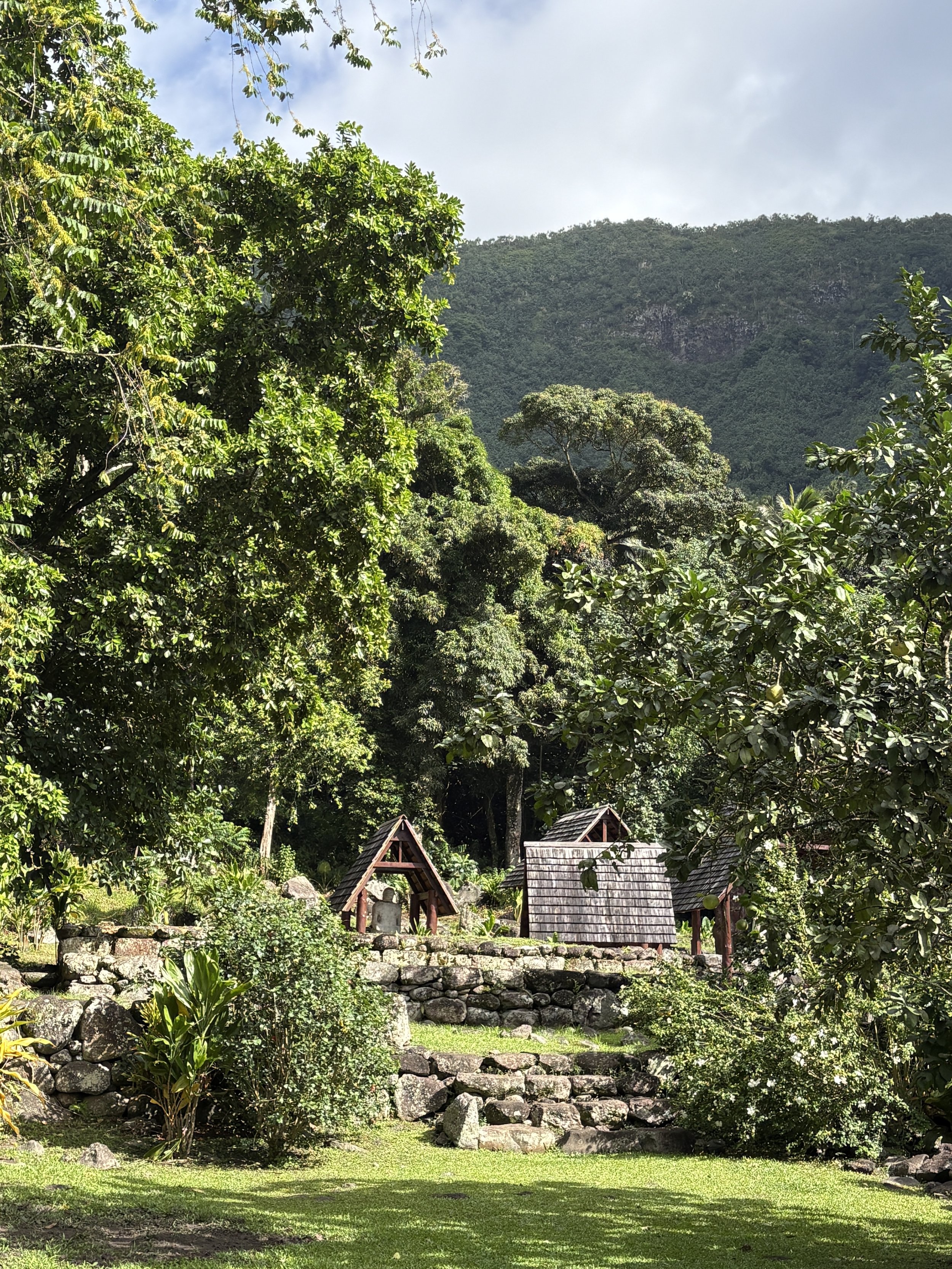
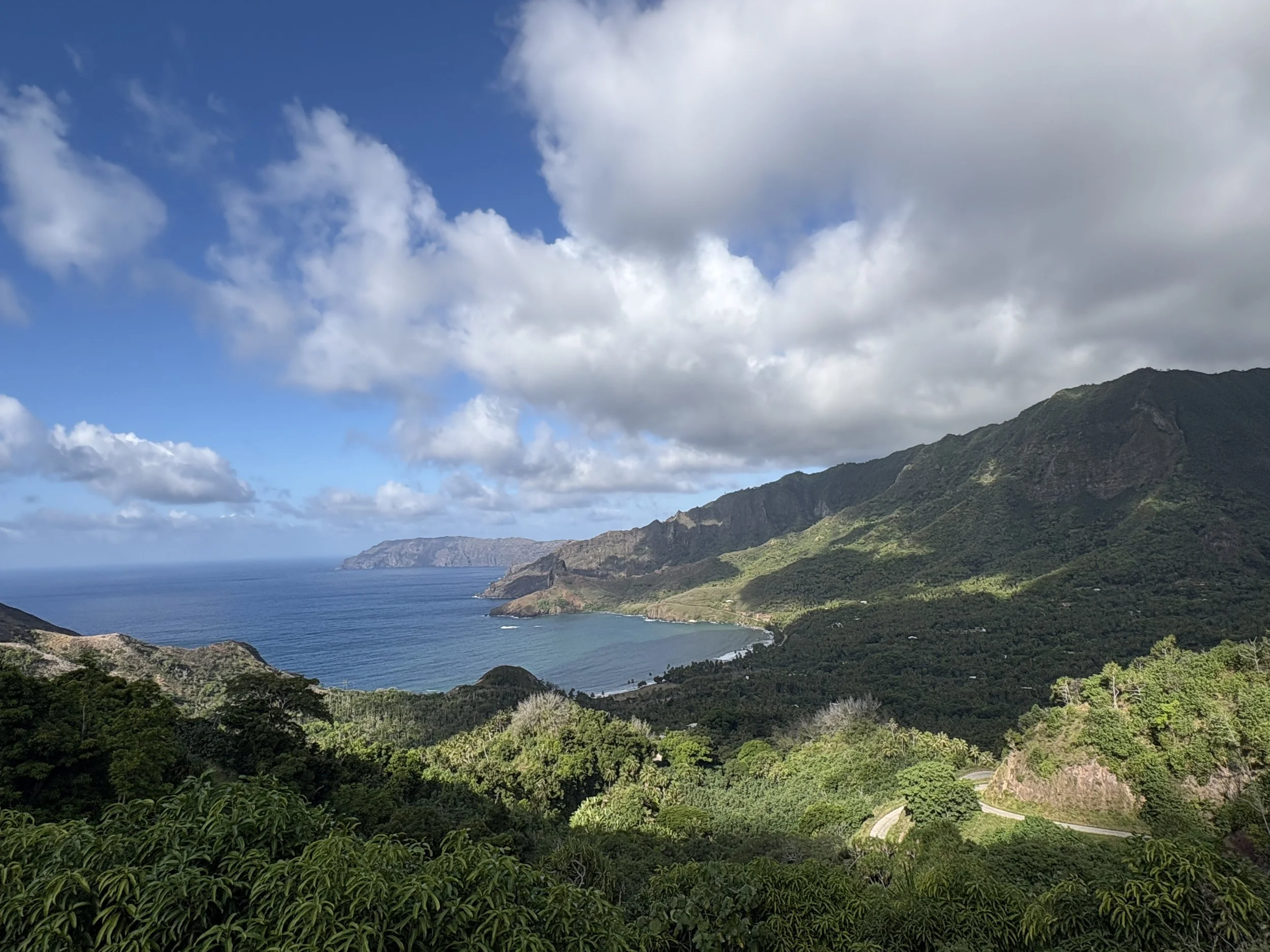
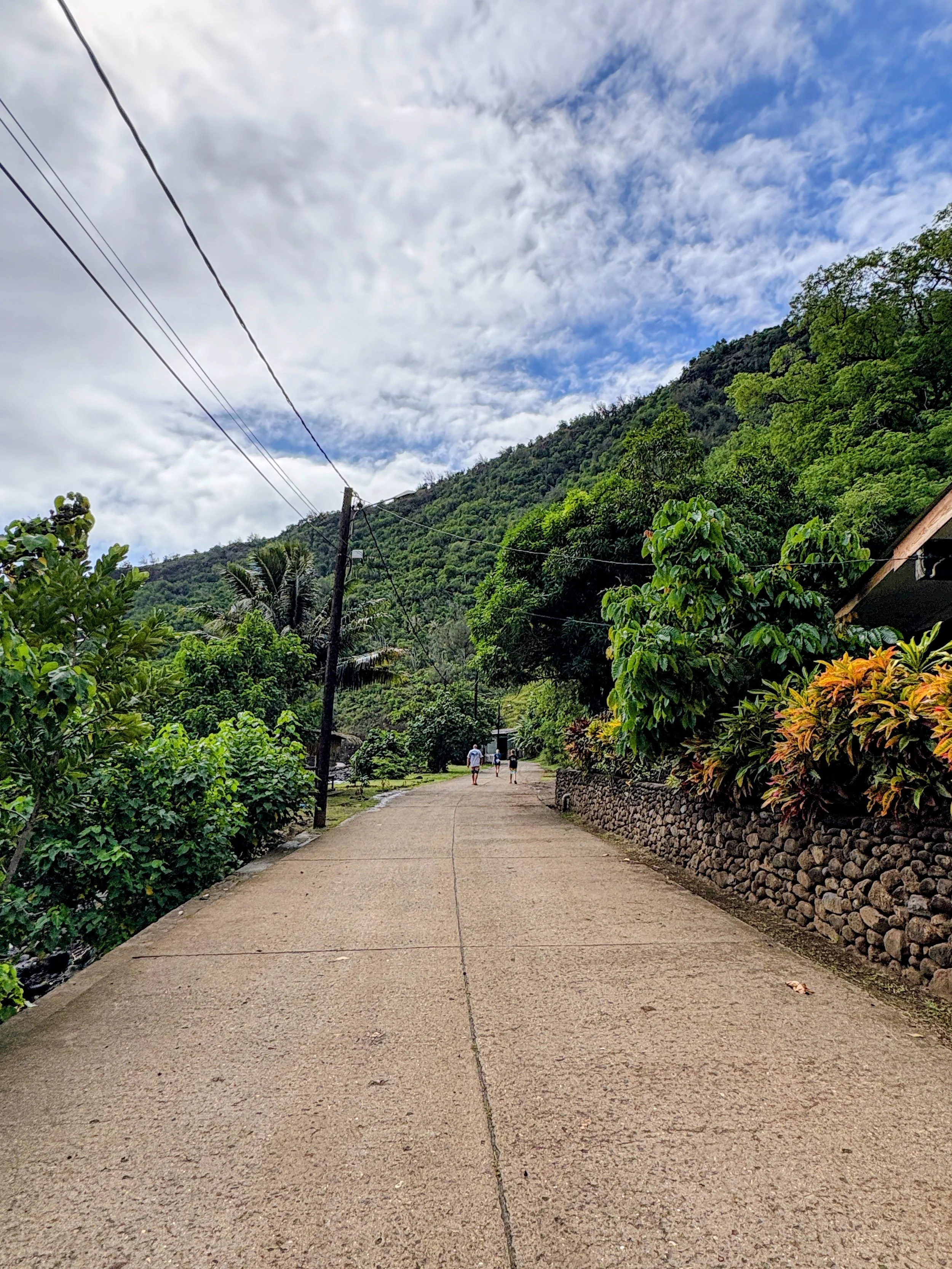
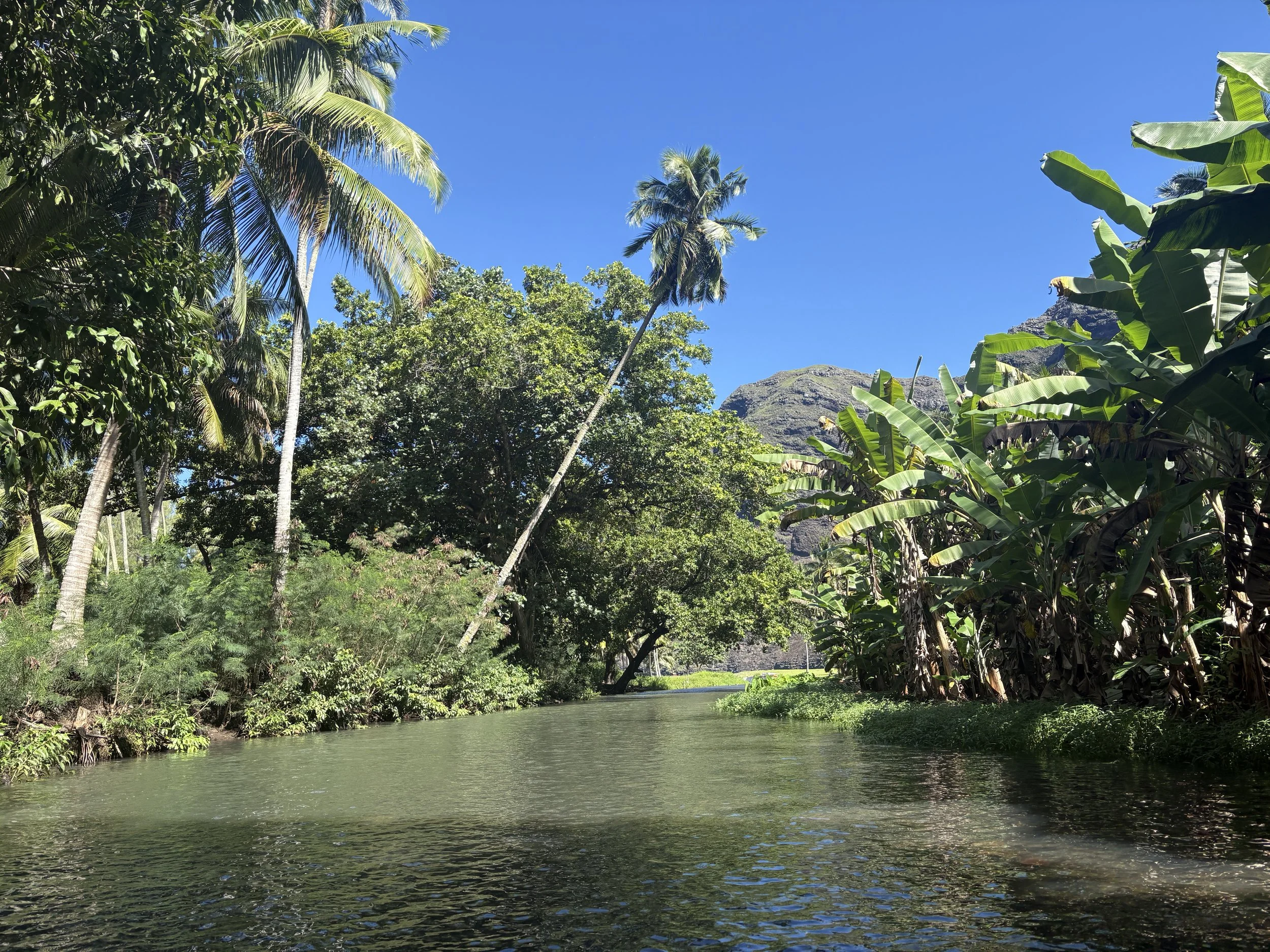
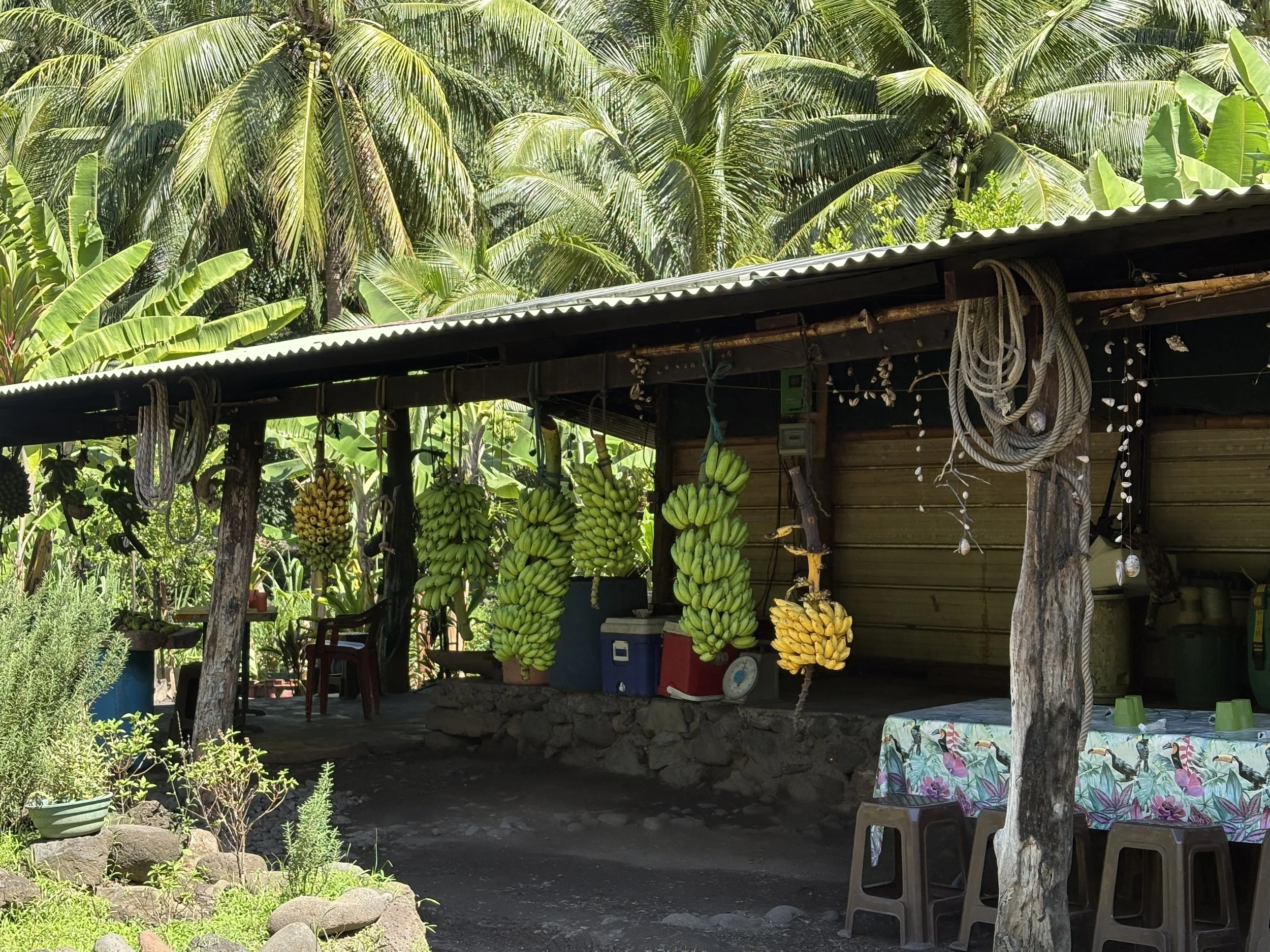
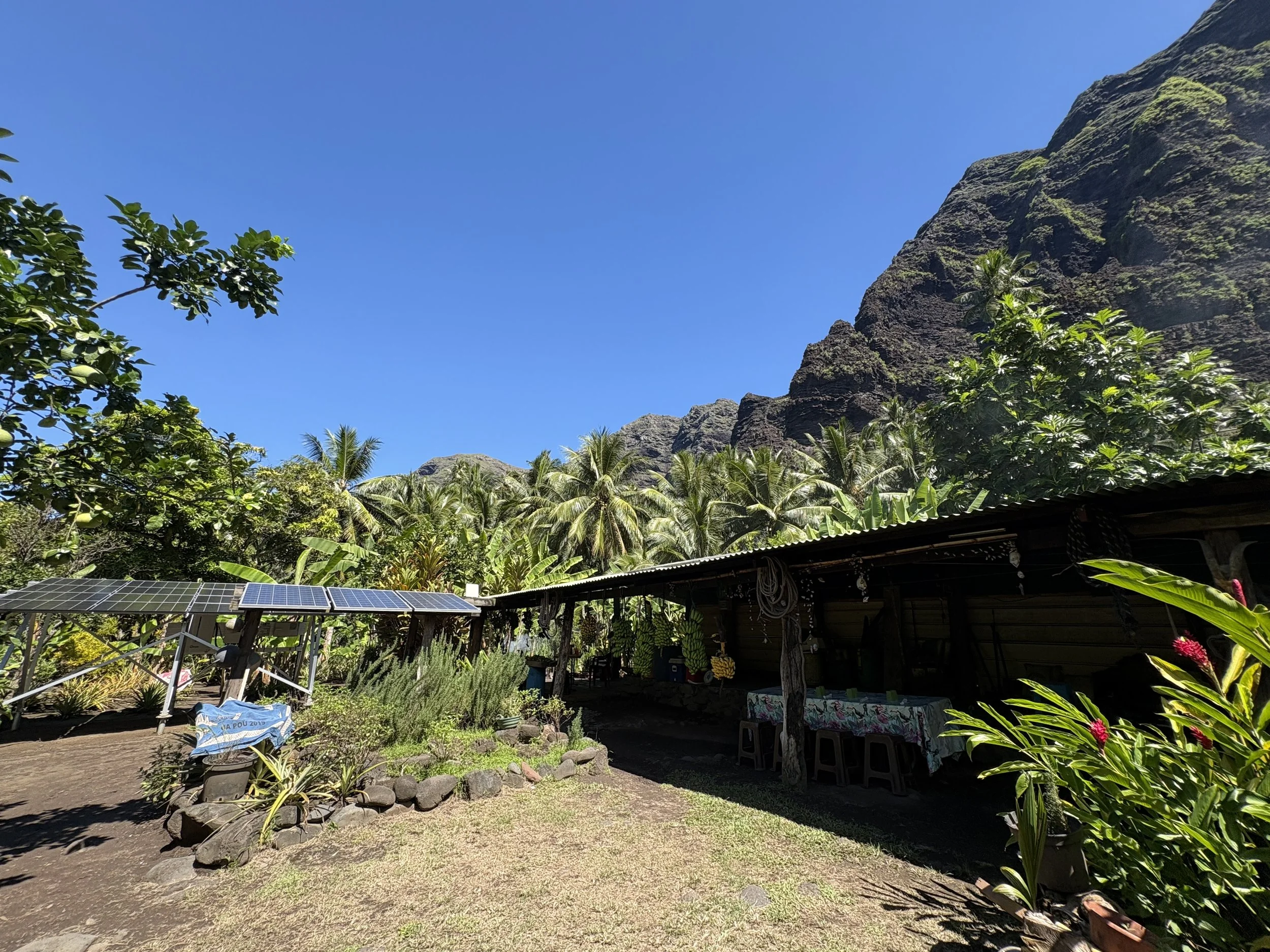
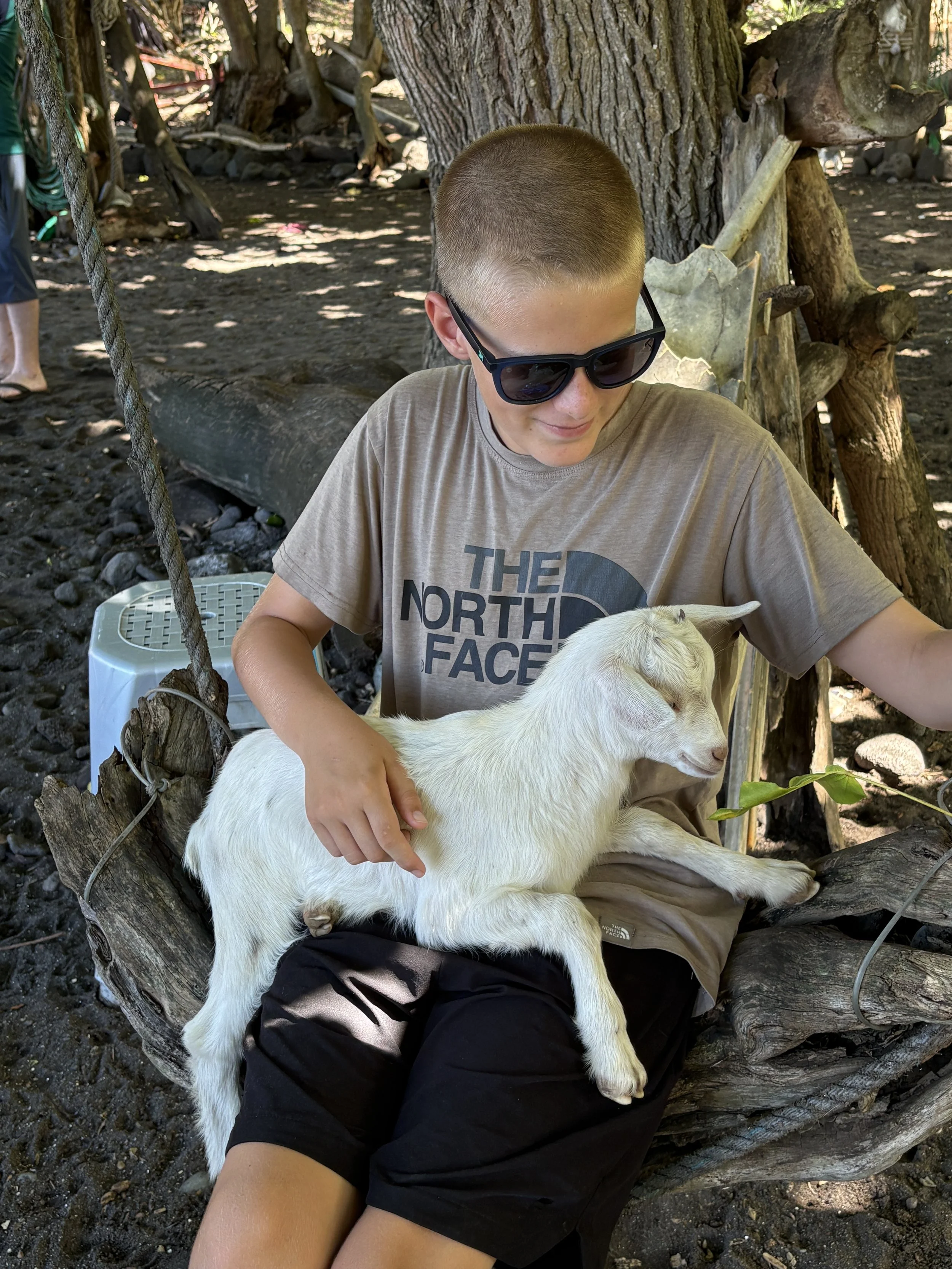
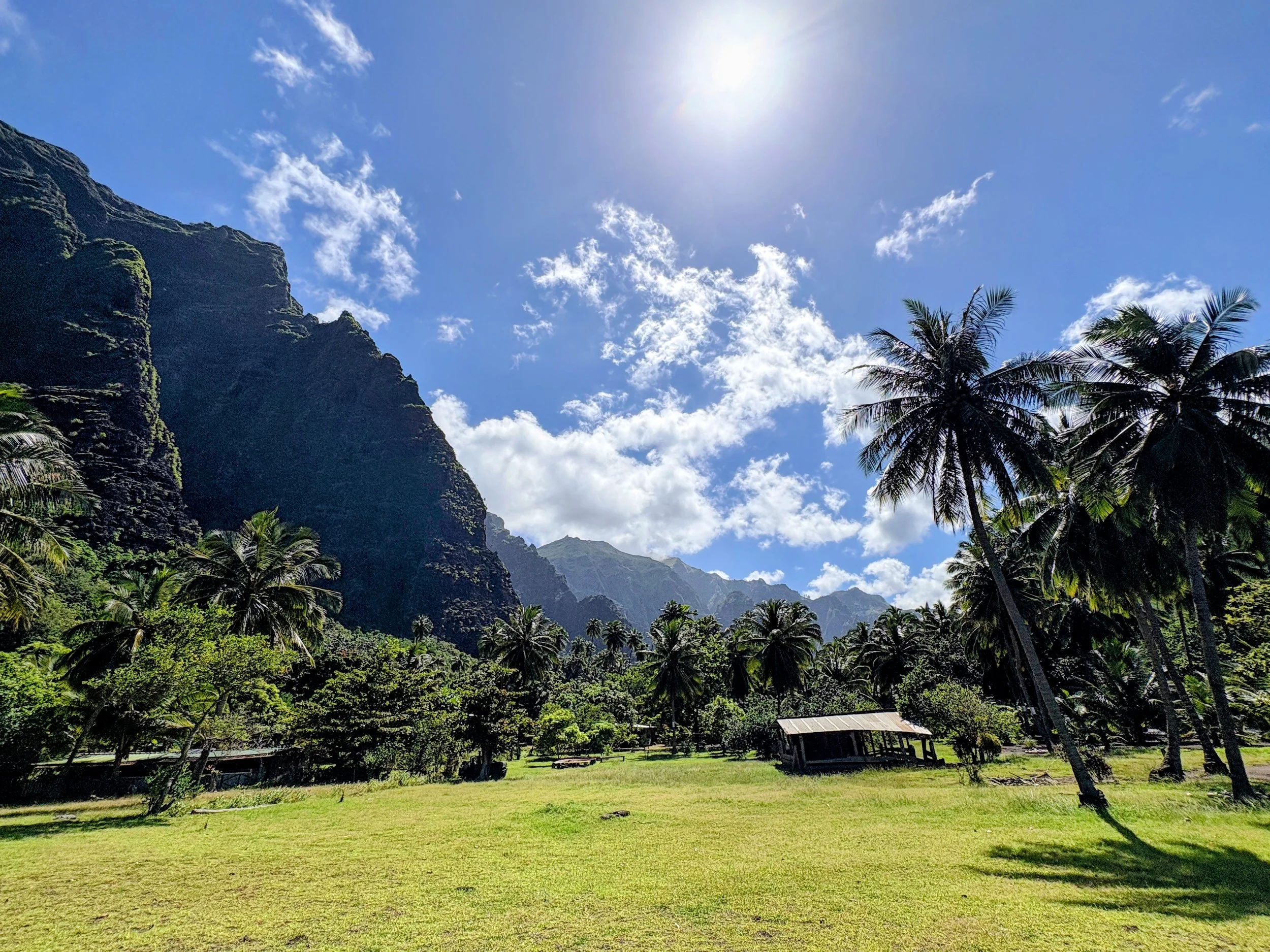
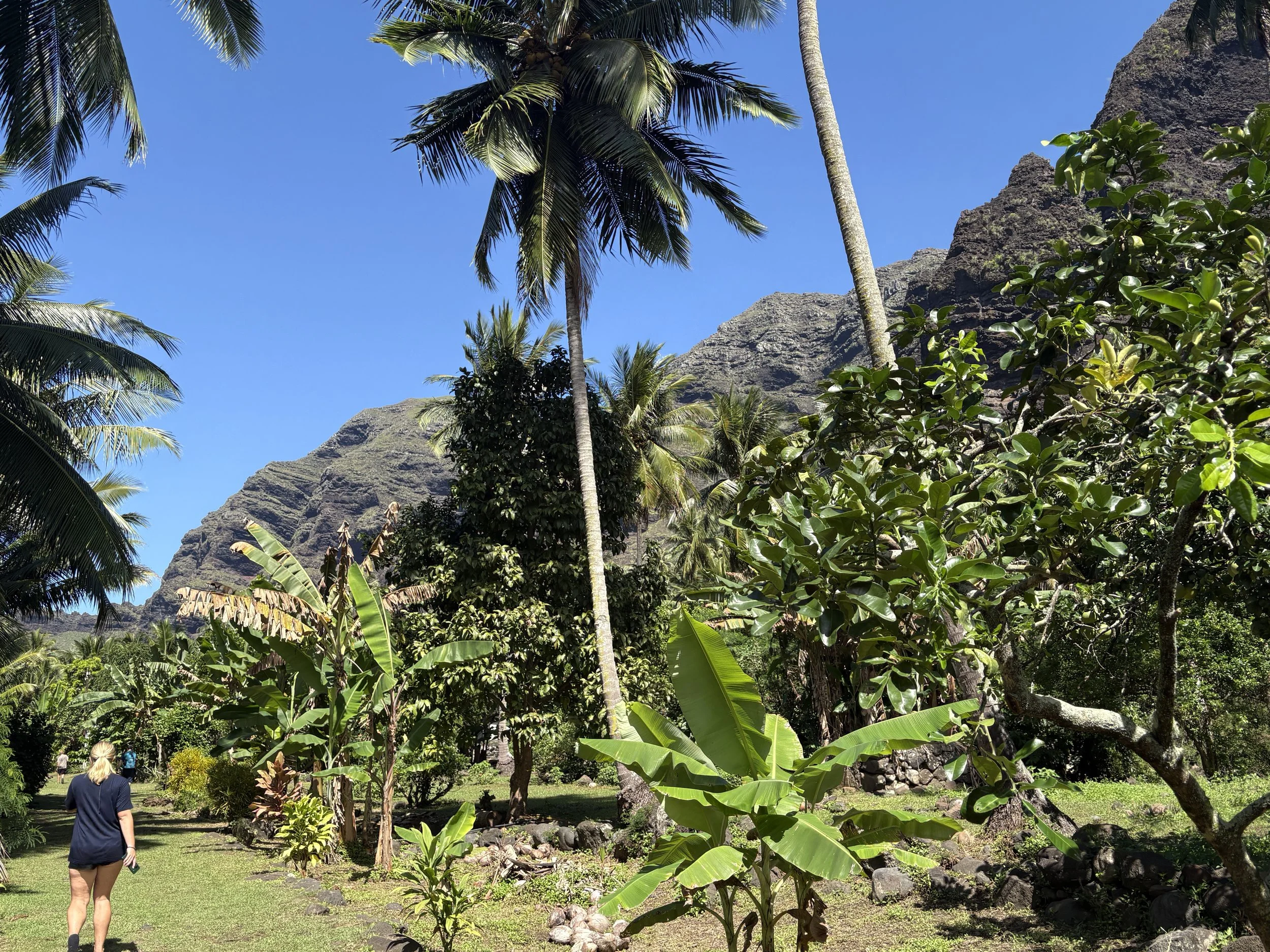
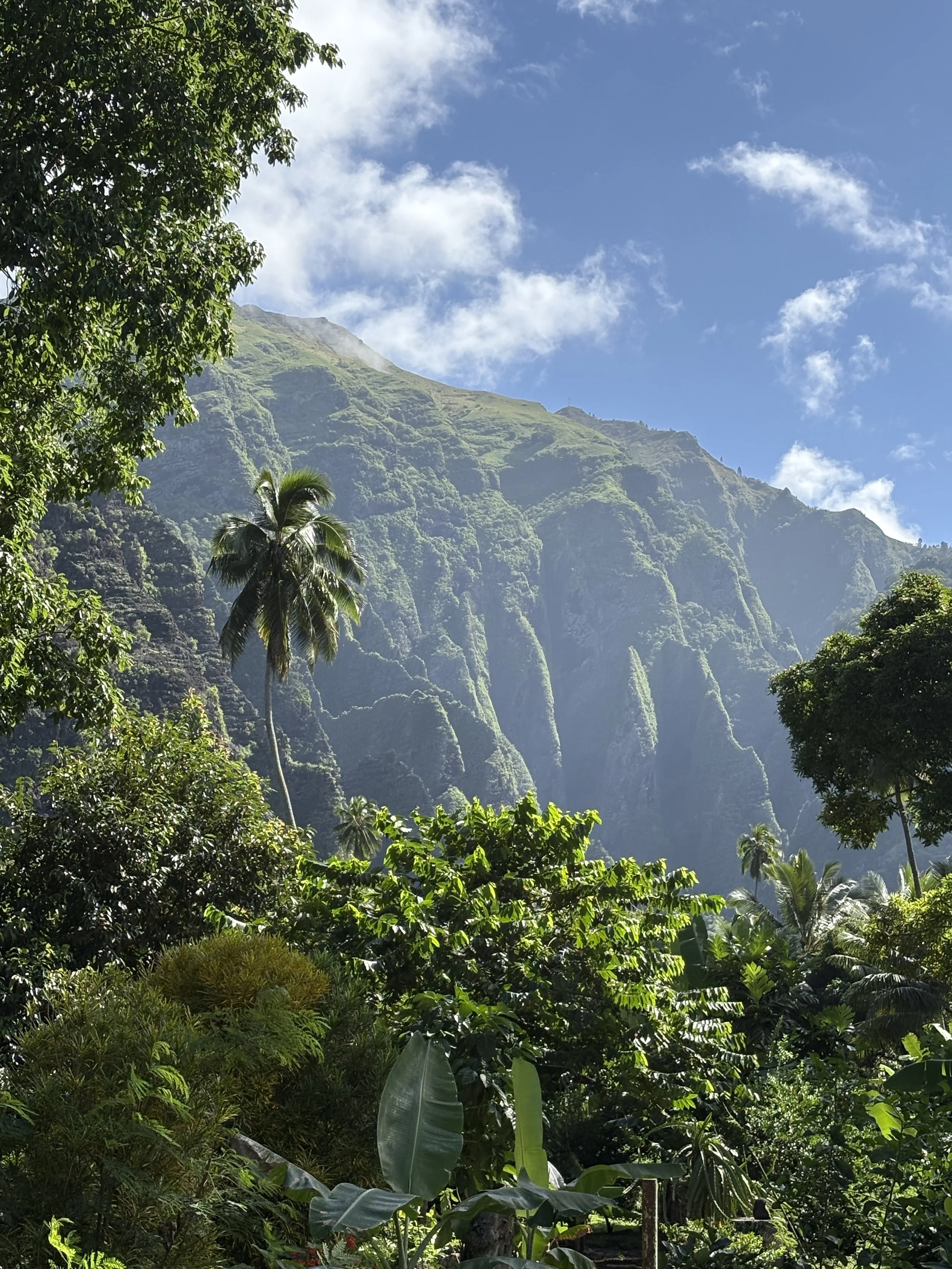
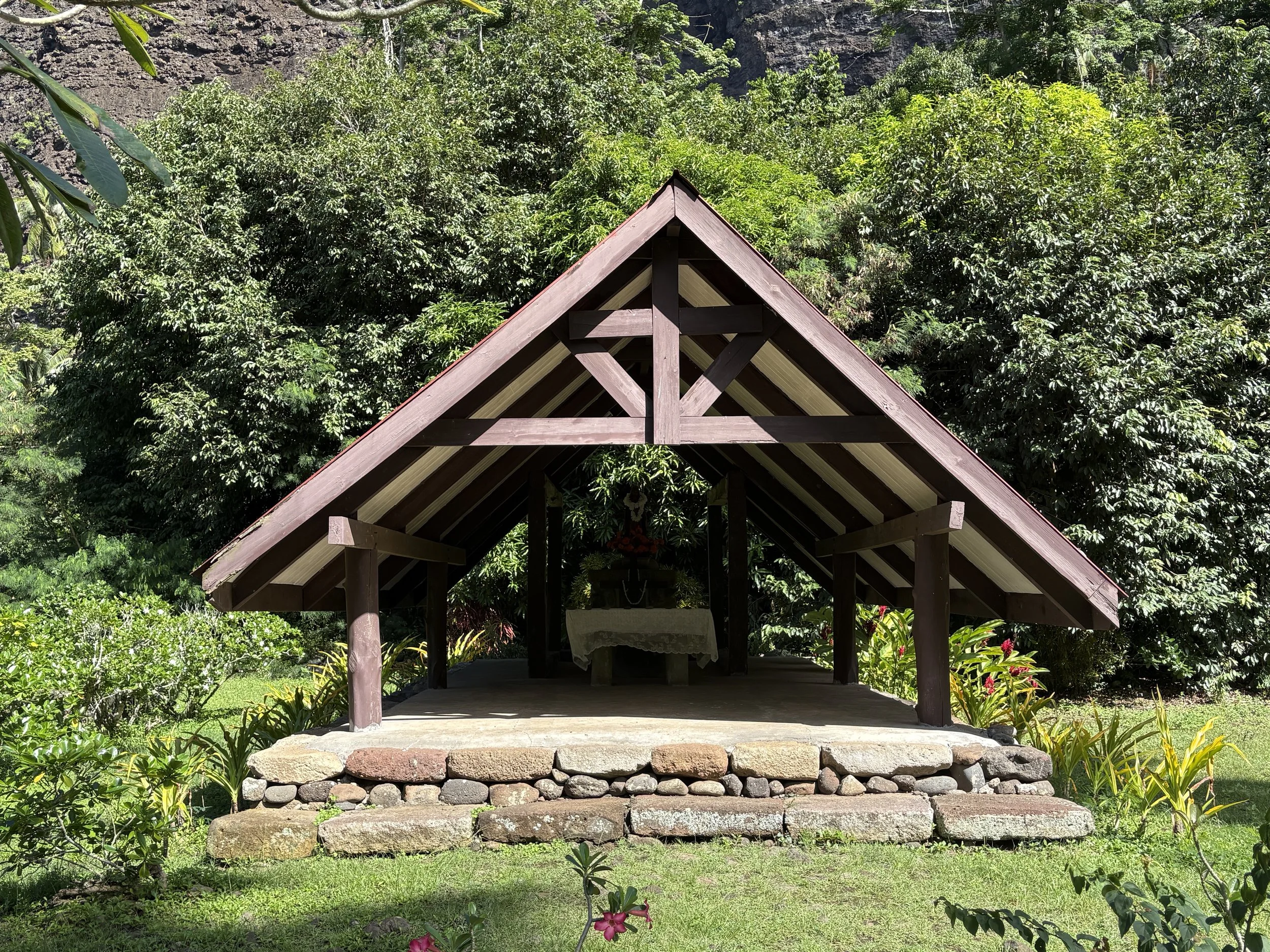
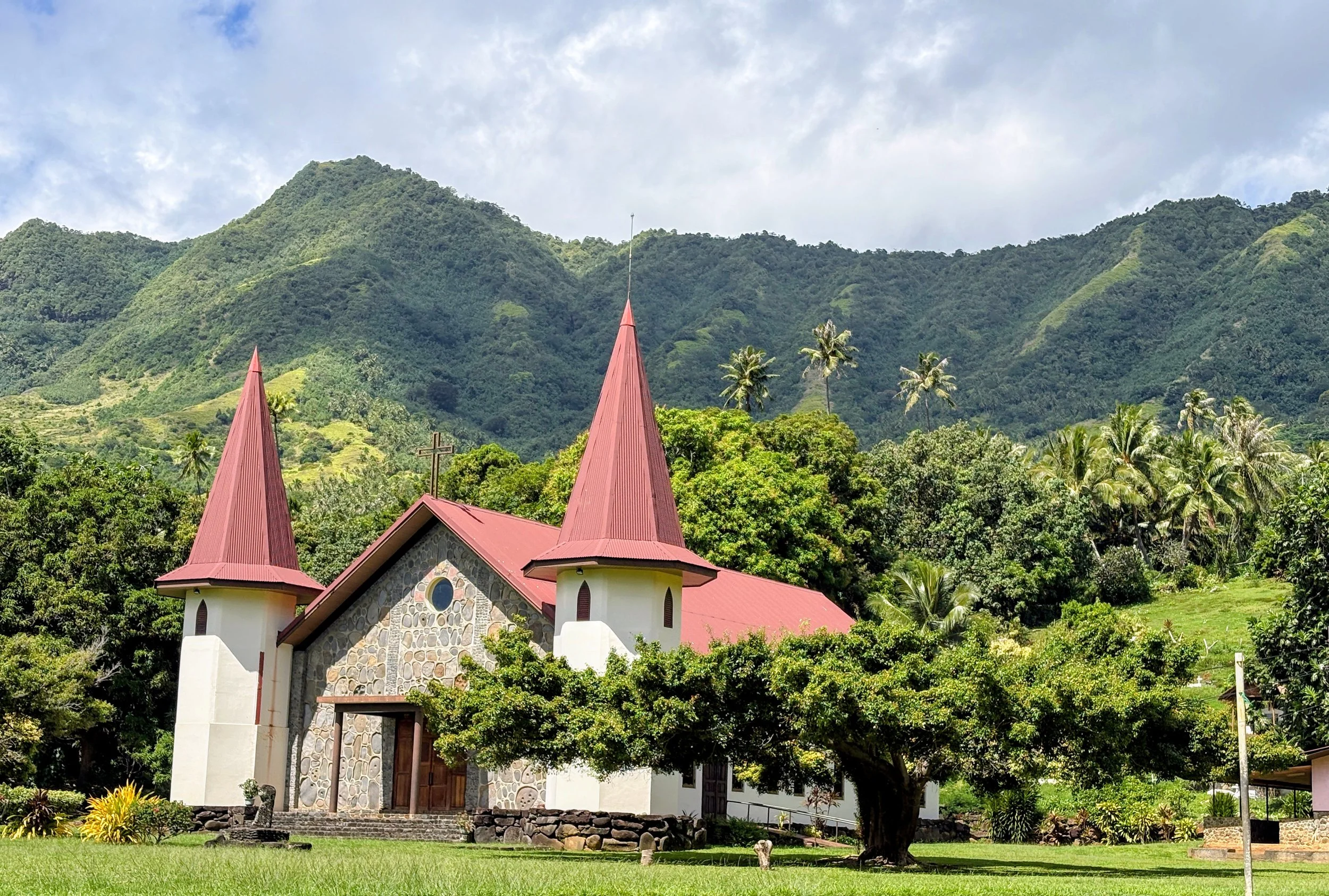
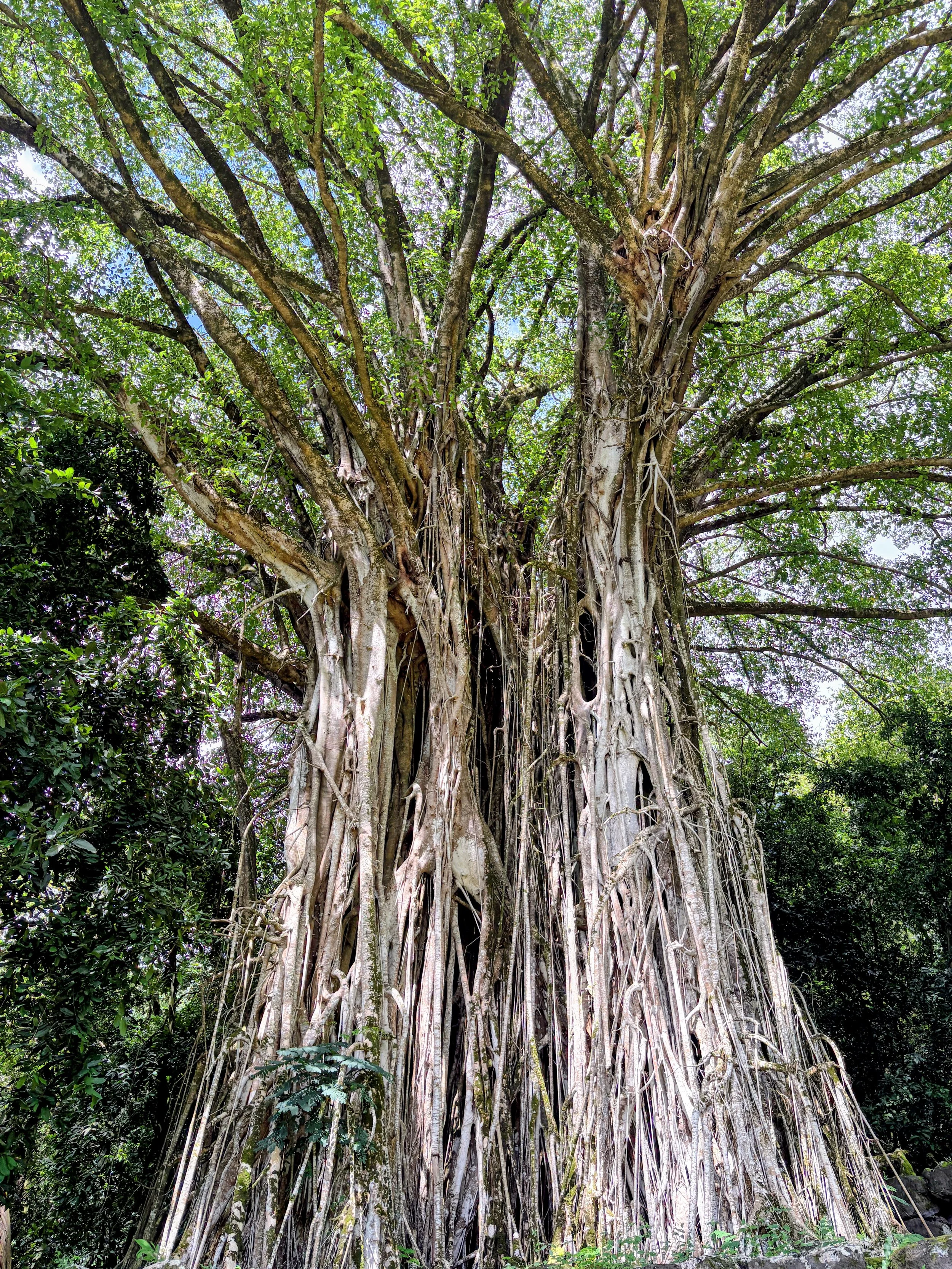
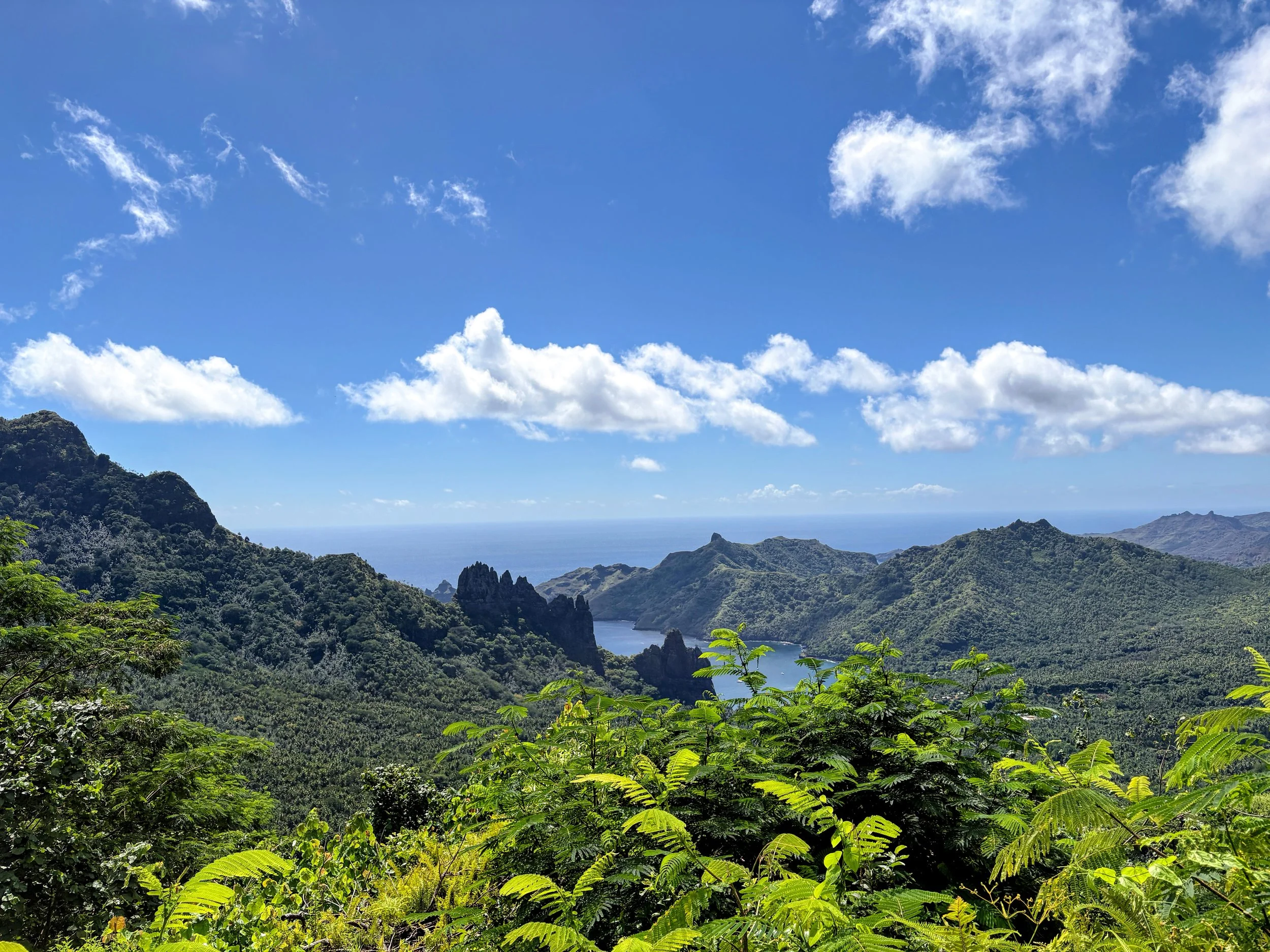
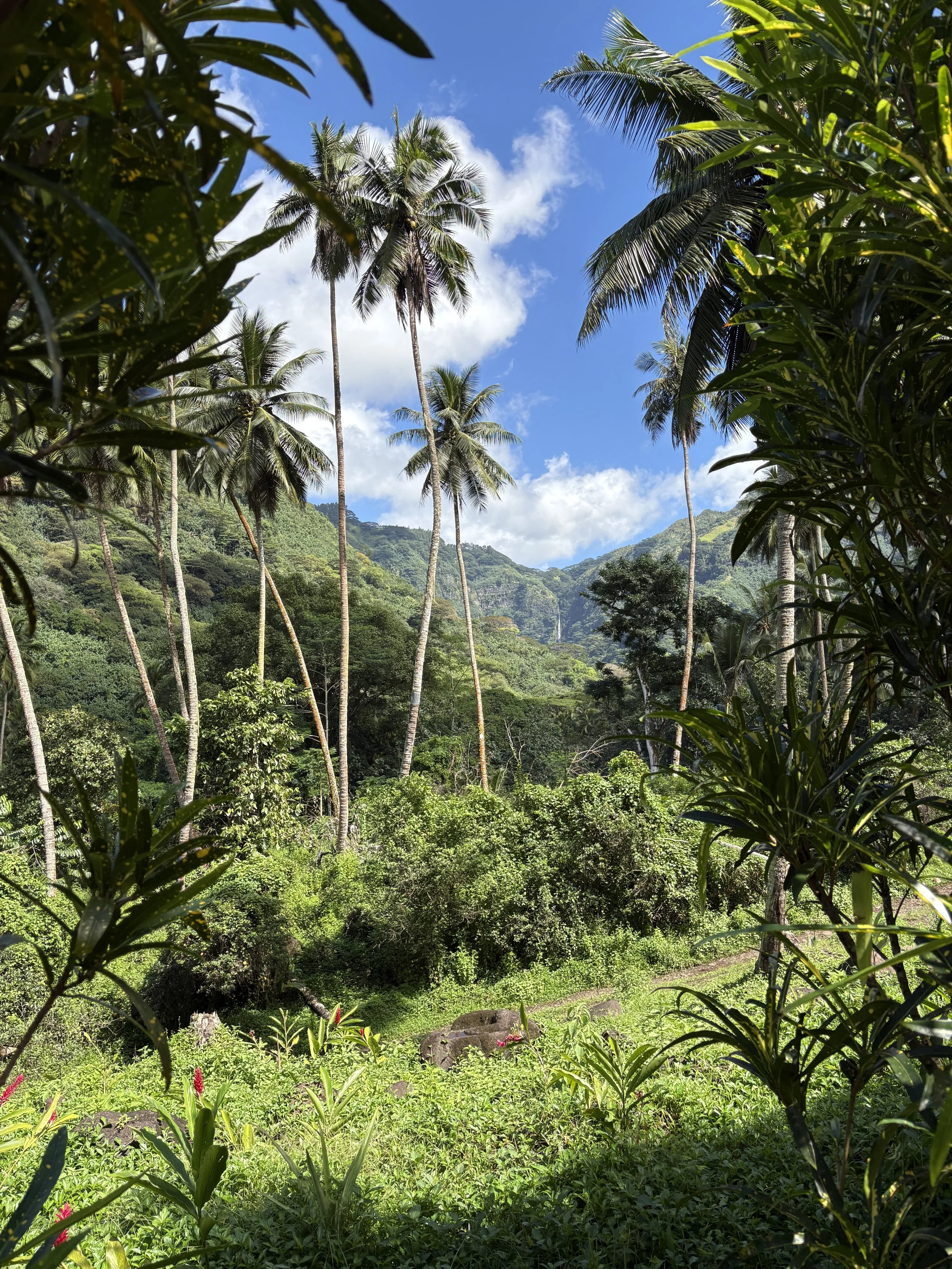
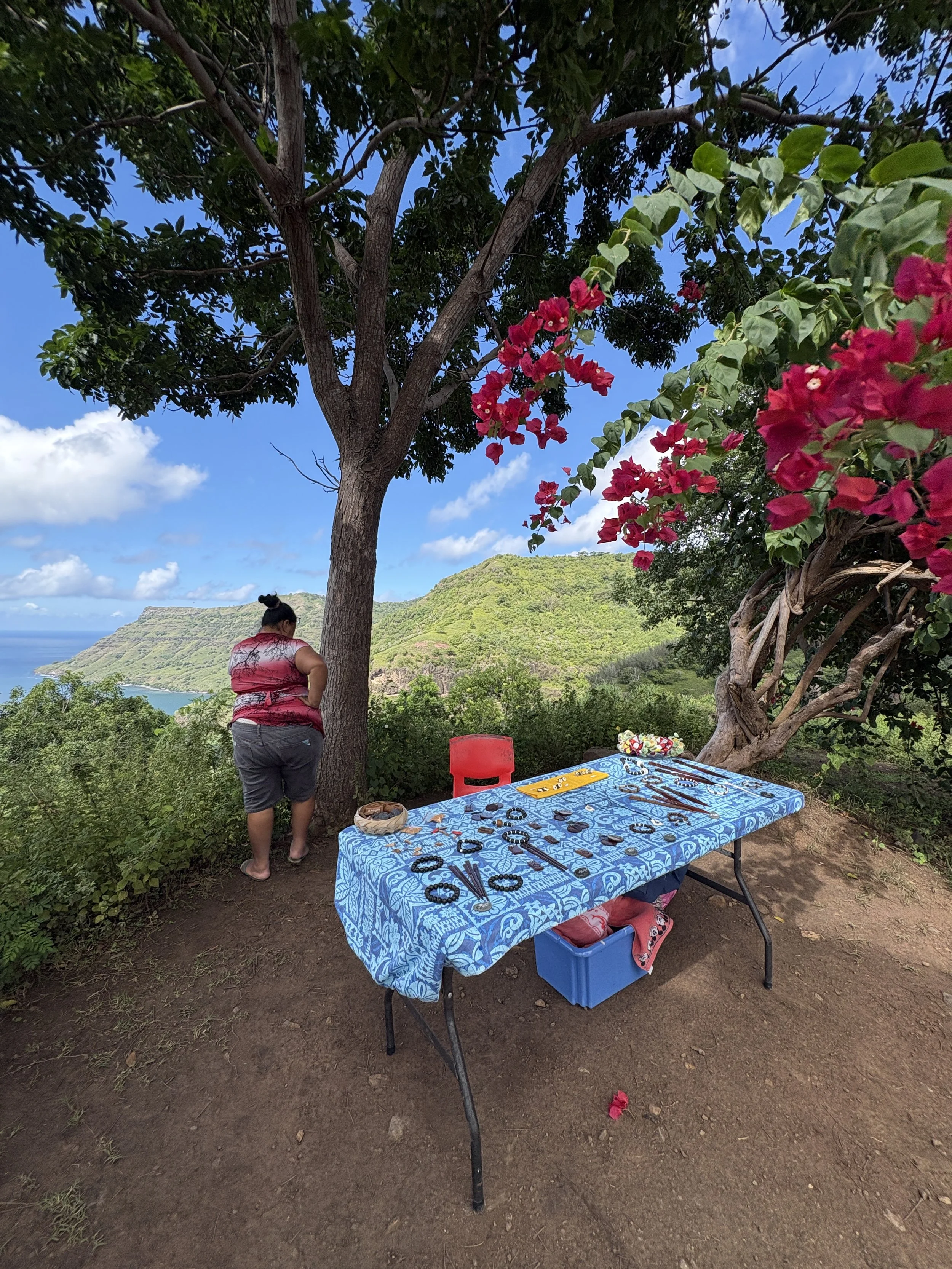
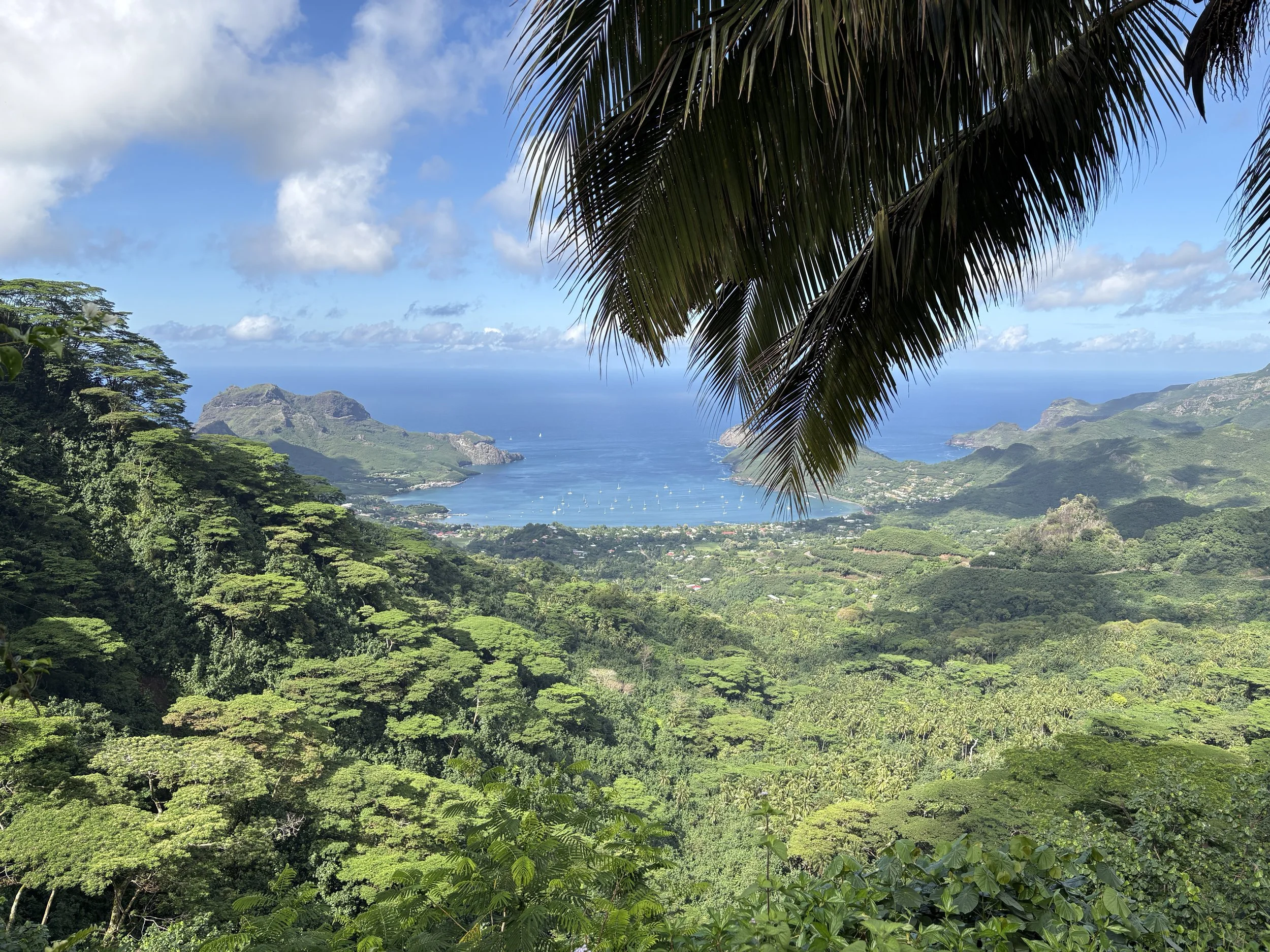
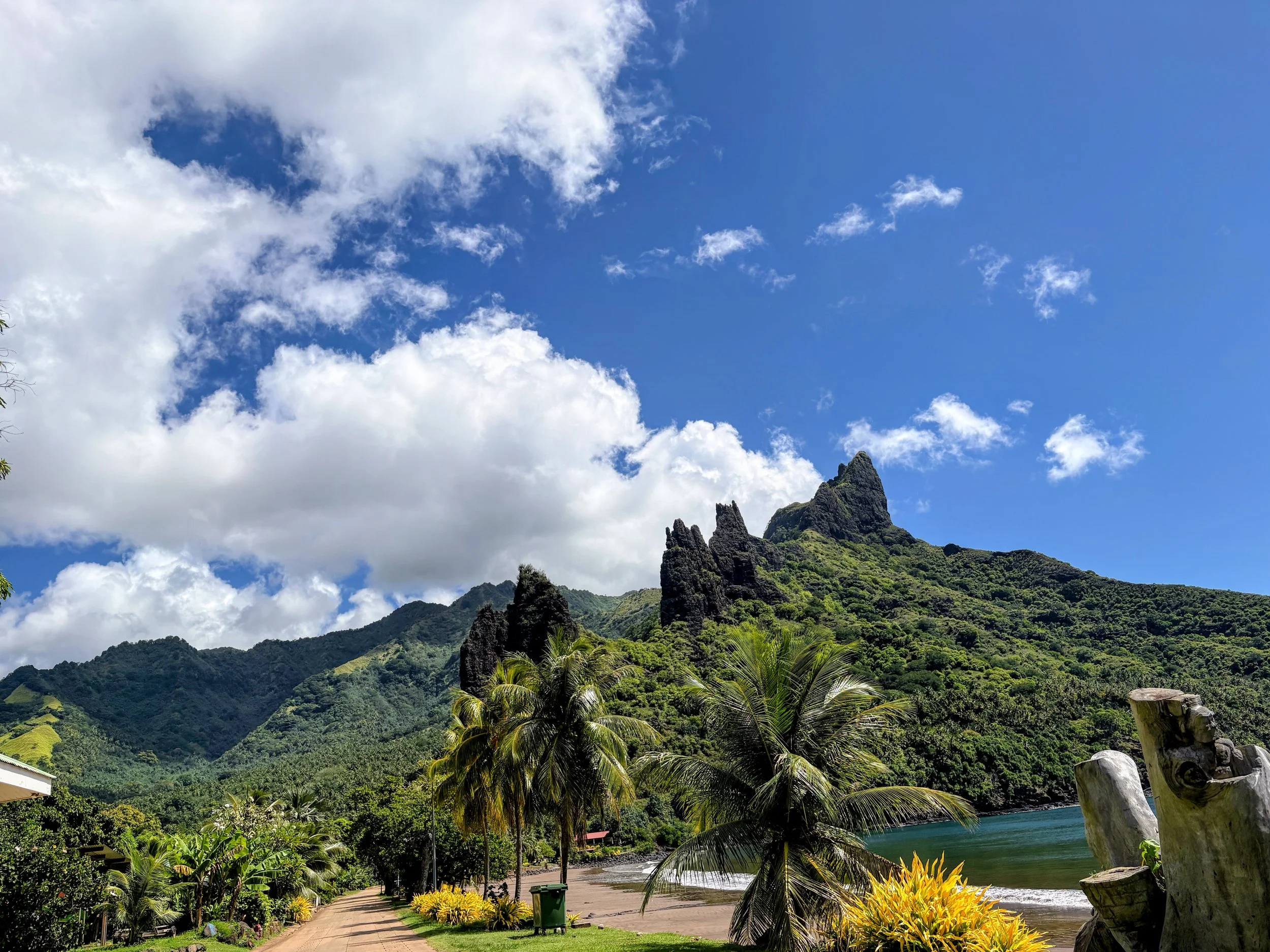
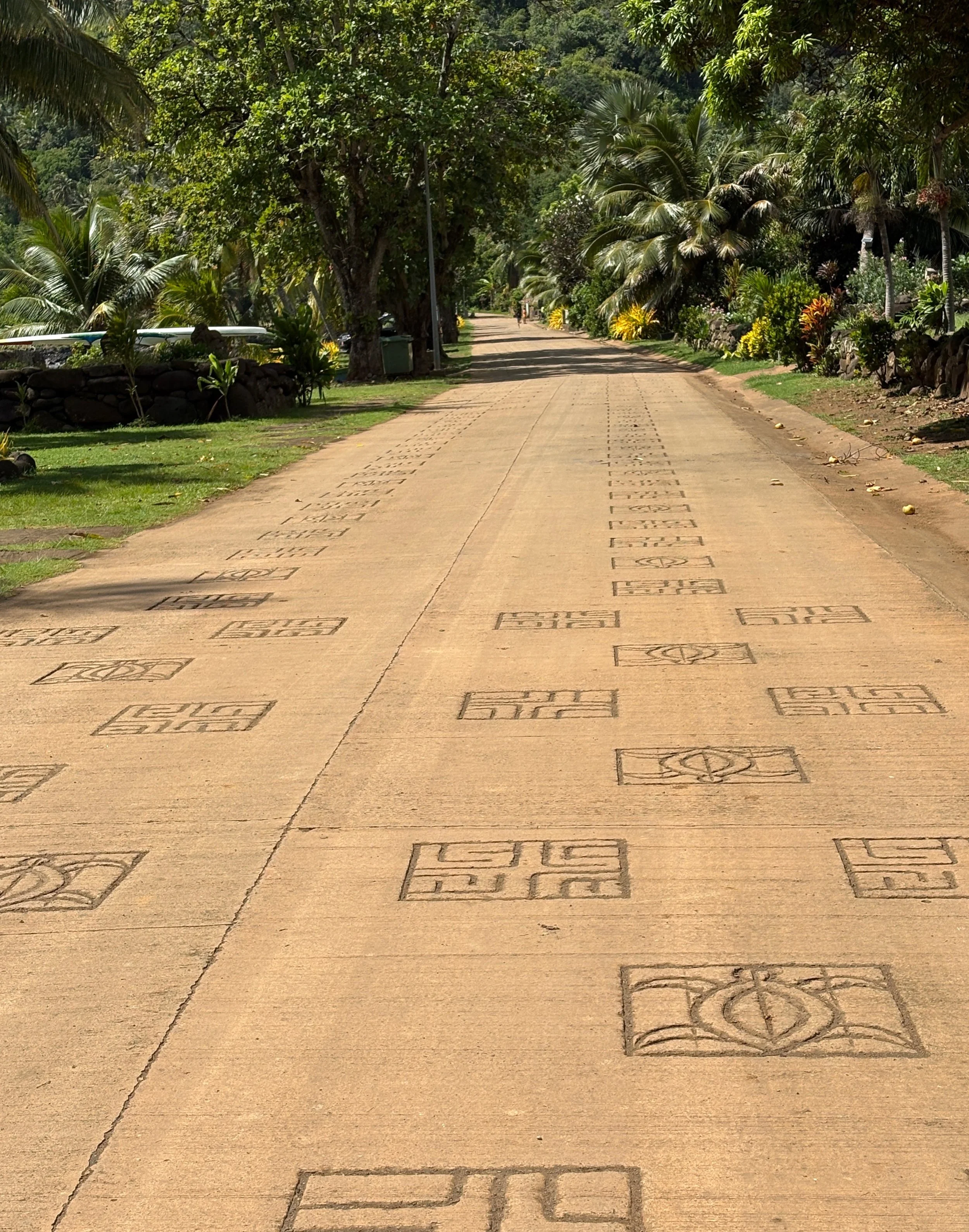
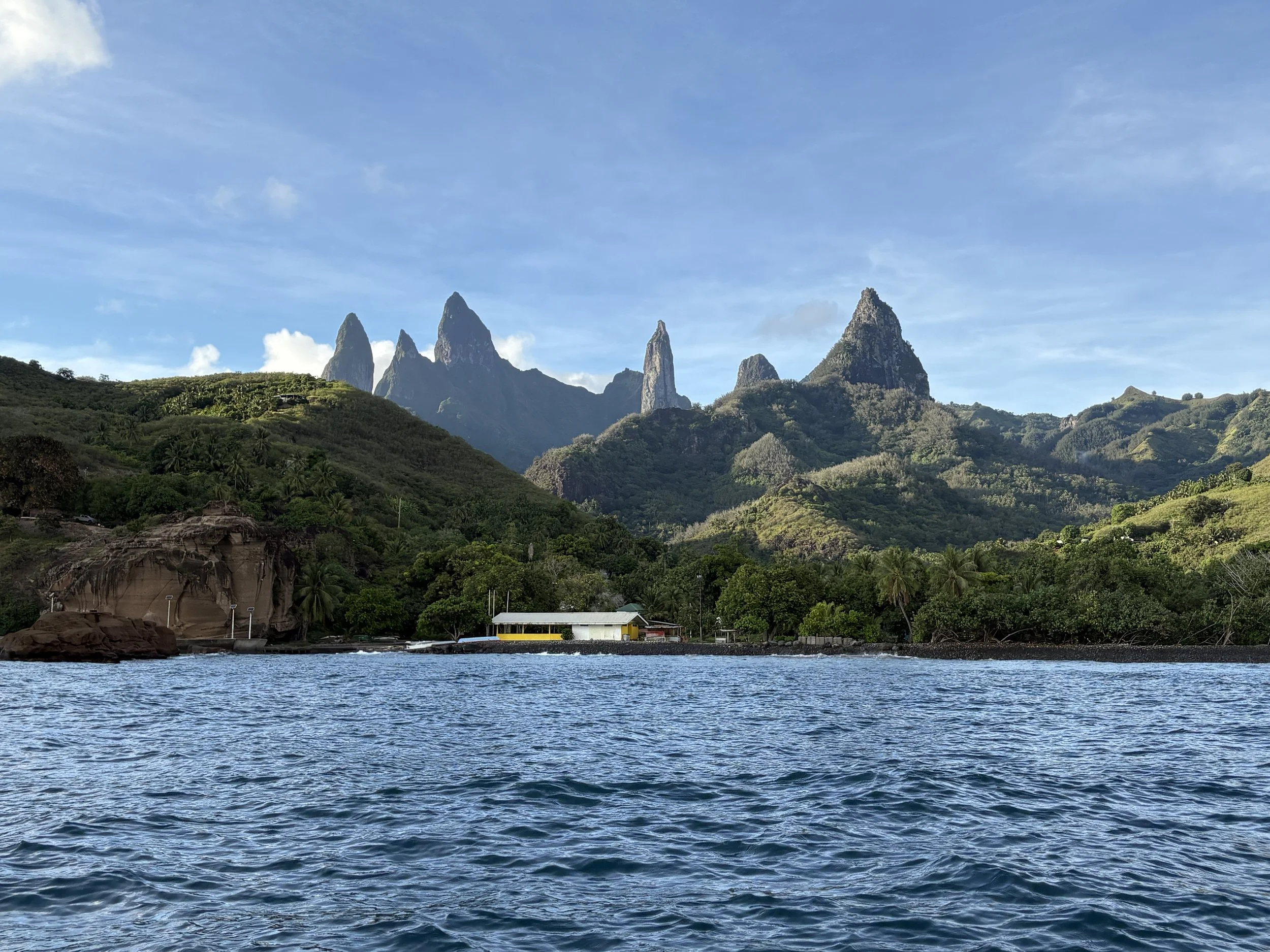
Until you're here, exploring it yourself, you honestly cannot imagine the total beauty of this country. The best bit for us is that it's very much a country of three parts, or at least three parts that we'll be visiting on our travels. First, the Marquesas, with the beauty of their mountains and stunning volcanic vistas. Then the Tuamotus, where we'll head next, a remote set of coral atolls barely above sea level, where it's all about what's under the water. And finally, the Society Islands, the last stop for us in French Polynesia, which include Tahiti, the capital, combining volcanic islands with surrounding reef. So much more to come, but we're so thrilled to have time to explore it all over the next few months!