The privilege of exploring the amazing Galapagos Islands
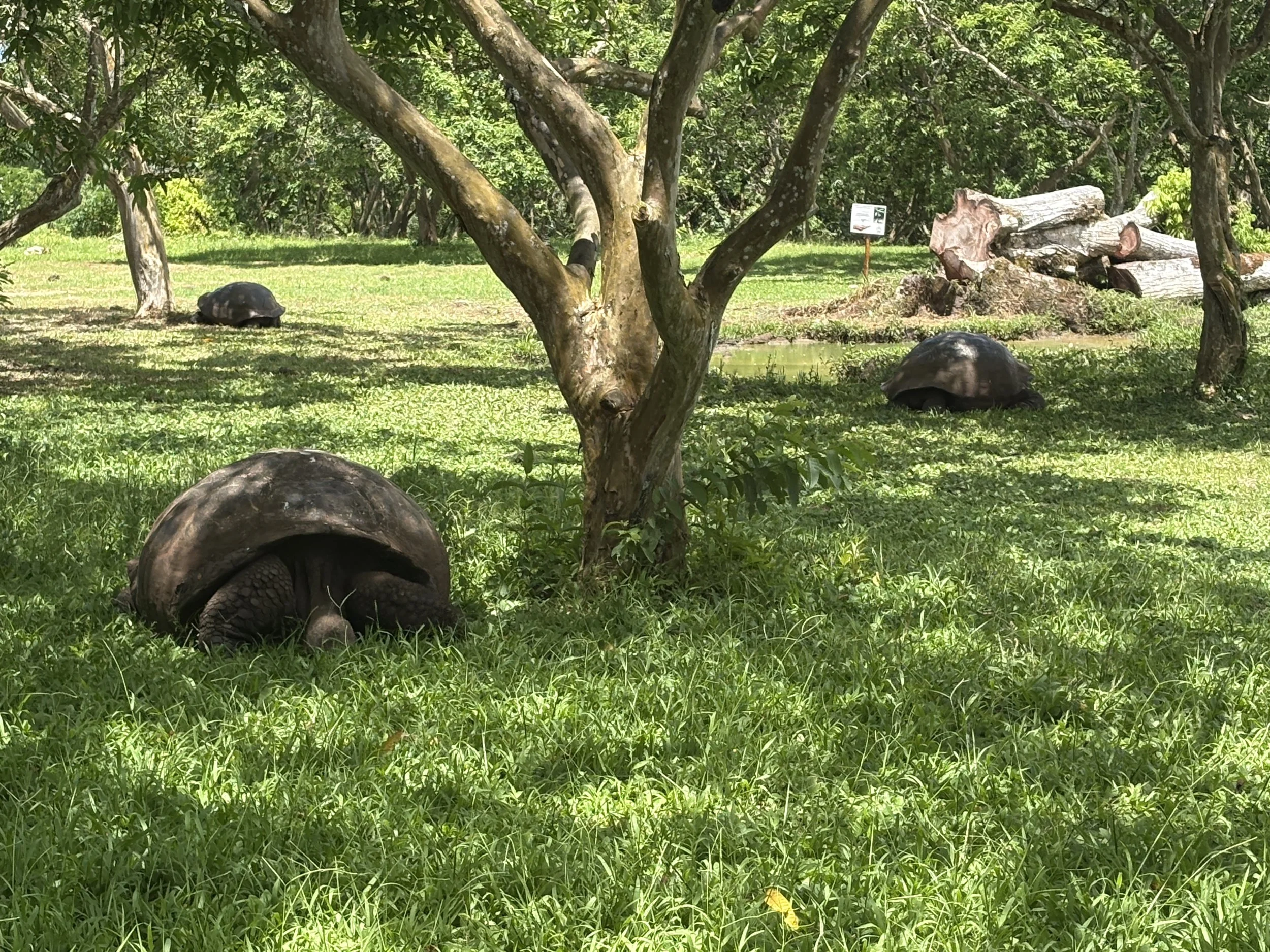
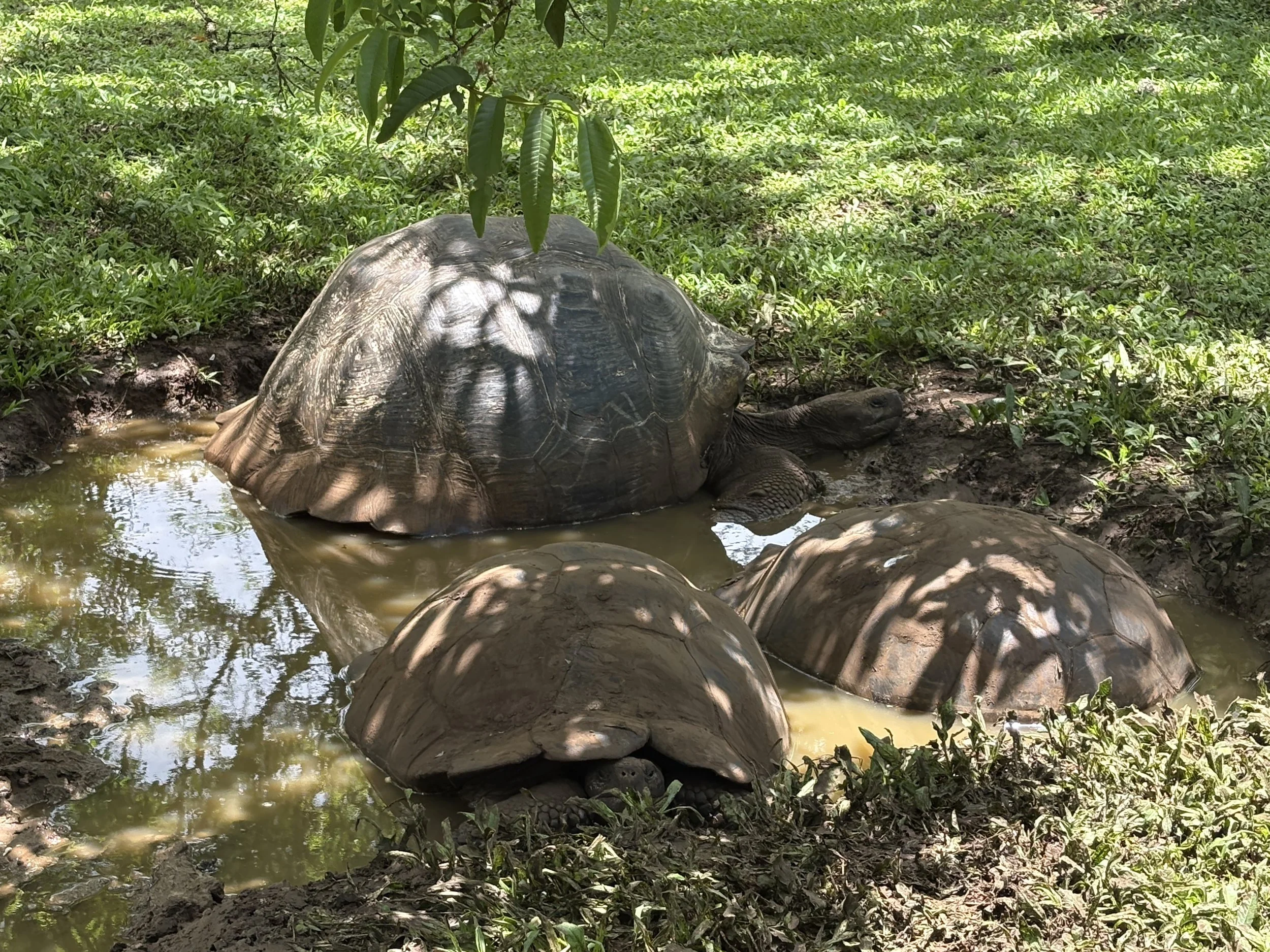
As a cruiser, gaining special entry into the Galapagos, we were allowed if we wanted, to visit 4 of the 19 major islands (not including rocks/ islets). Santa Cruz, Isabela, San Cristobal and Floreana. We kicked off our exploration of Santa Cruz, the first of the Galapagos islands we were to explore, on our first weekend by renting a taxi for the day and visiting one of the coolest things we had been looking forward to - the Giant Tortoises.
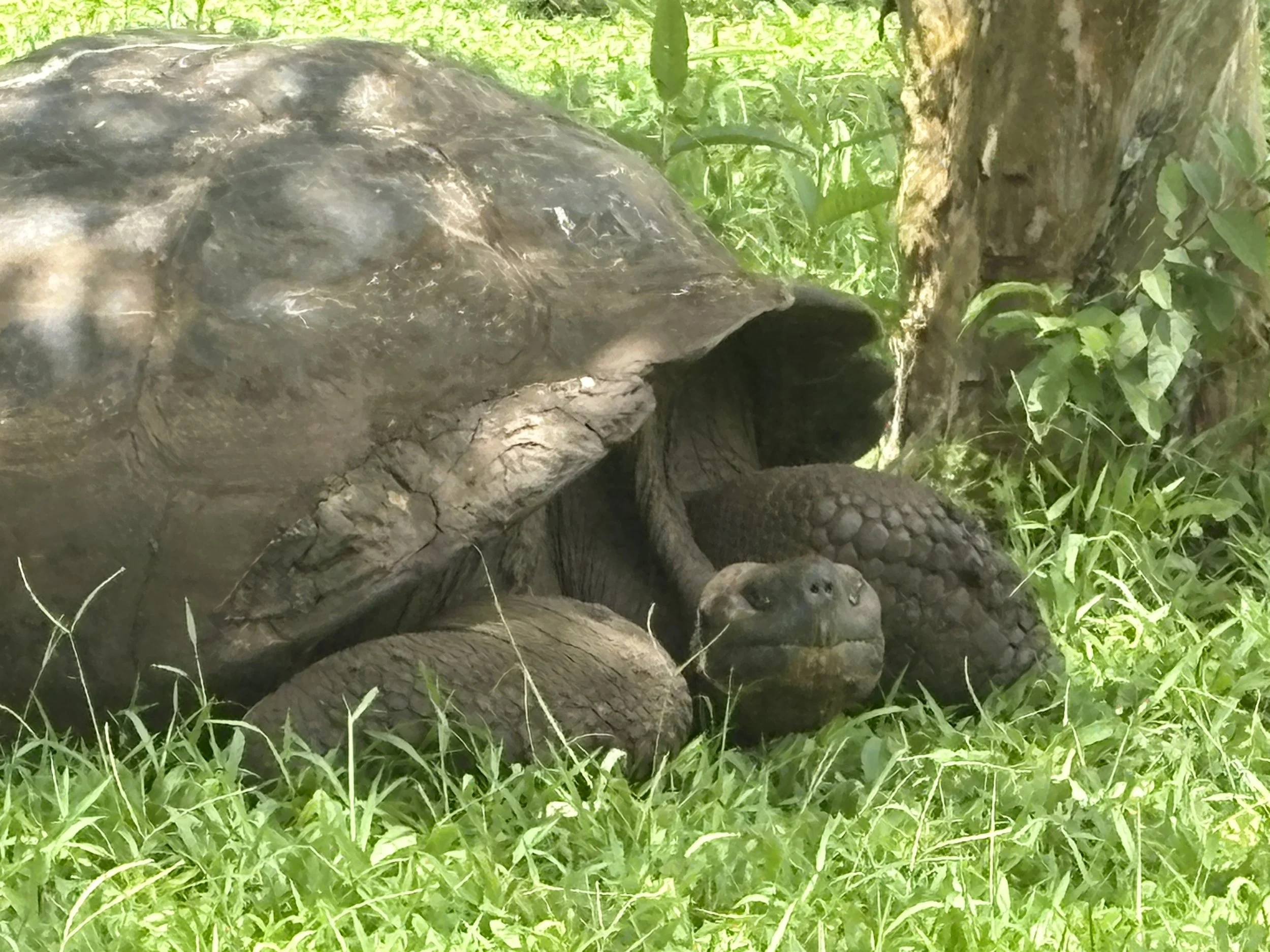
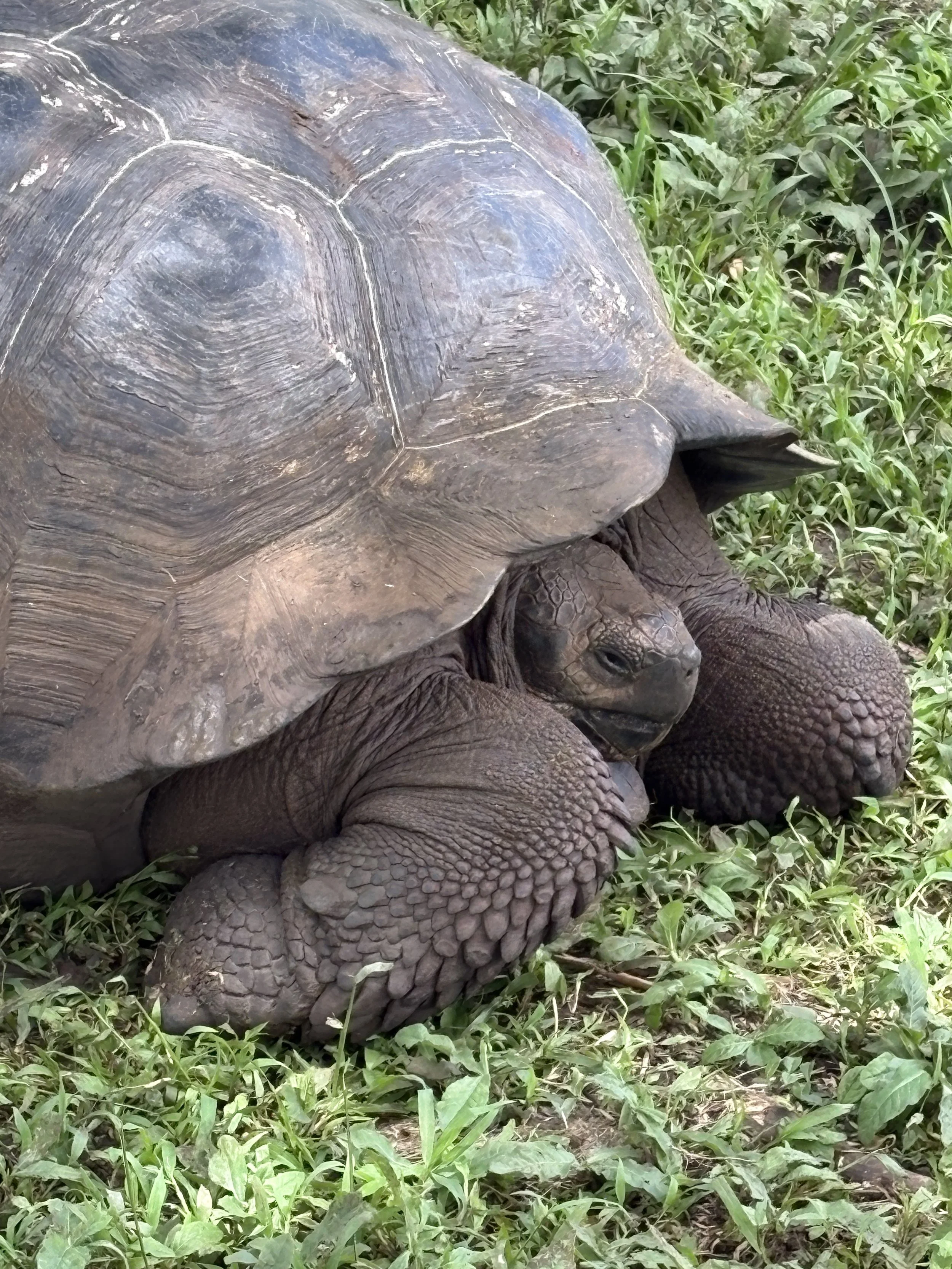
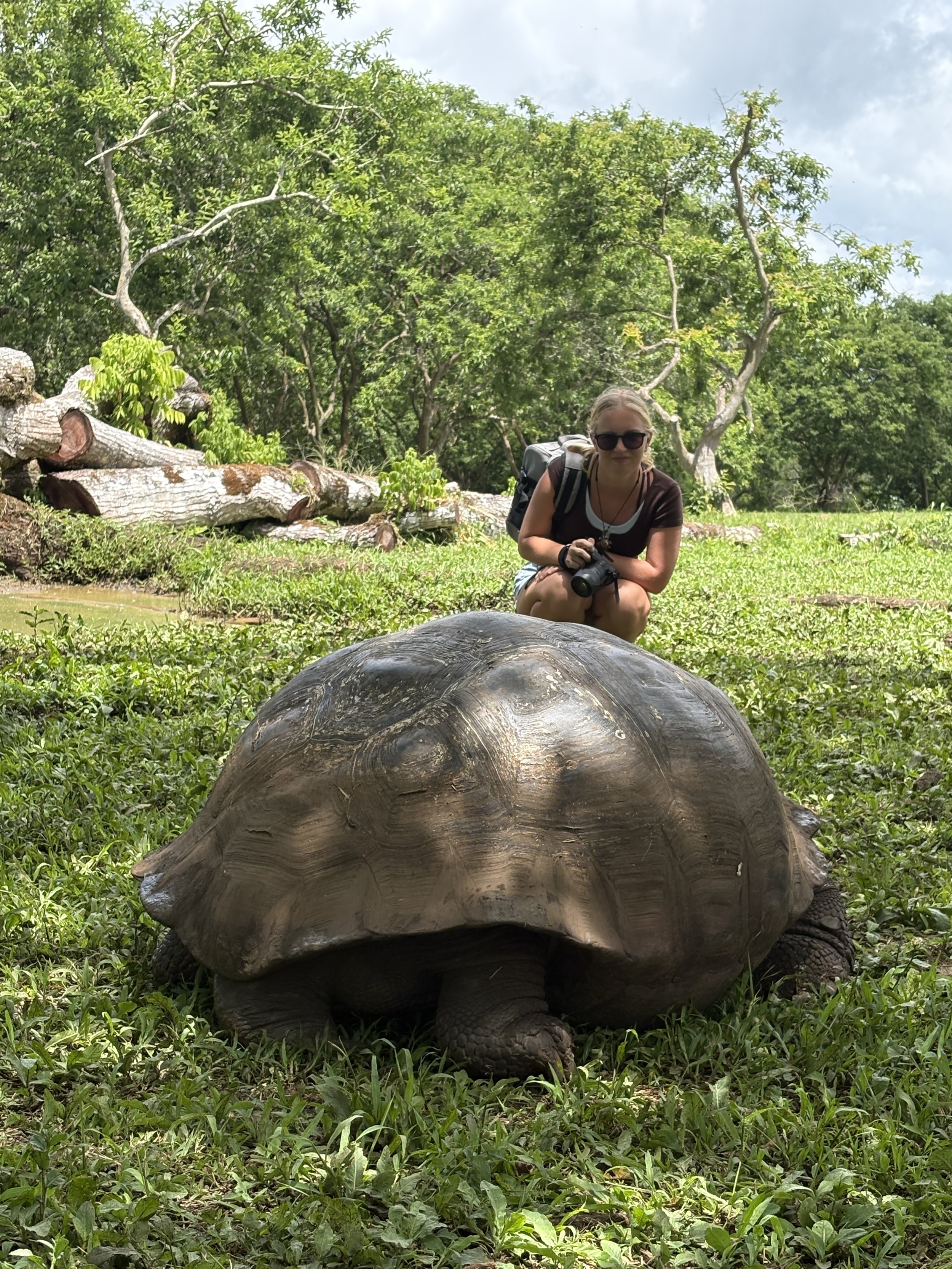
The Tortoises live higher up the island, and we were taken to one of several ranches here, where they protect the Tortoises. They are not allowed to be fenced in, so as we drove towards the ranch, they were just wandering down the road as they looked for more tasty food to eat. You are obliged to take a tour most places like this in the Galapagos, and our guide around the ranch was really knowledgable and spoke great English and Spanish. The first Tortoise we encountered was a 110-year old male, and was significantly larger than his female friend. The shell (carapace) is actually fused to the tortoise's spine and ribcage — it's not a separate "house" they carry. Shell shape varies by island and diet: dome-shaped shells suit tortoises in lush environments, while saddleback shells (raised at the front) help those in drier areas reach higher vegetation. They are herbivores, eating grasses, cacti, fruits, and leaves. Their metabolism is extraordinarily slow — they can survive up to a year without food or water by metabolizing fat reserves. They are ecosystem engineers. By grazing, trampling vegetation, and dispersing seeds through their dung, they shape the landscapes they inhabit. Some plant species depend almost entirely on tortoises for seed dispersal. We learnt that they leave the higher areas and head maybe 6 miles down towards sea level to mate and lay eggs. It must take days or weeks for them to make the journey!
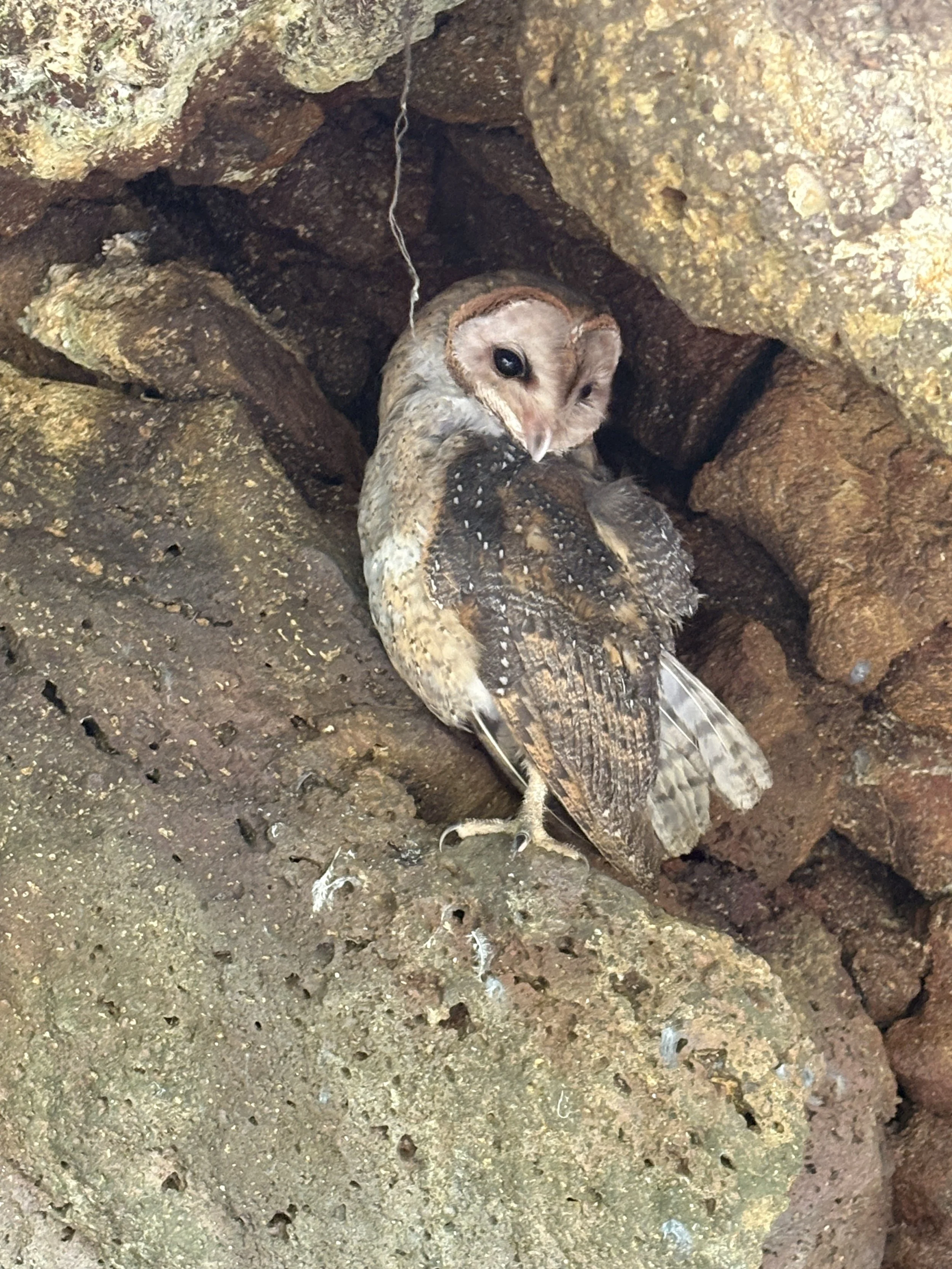
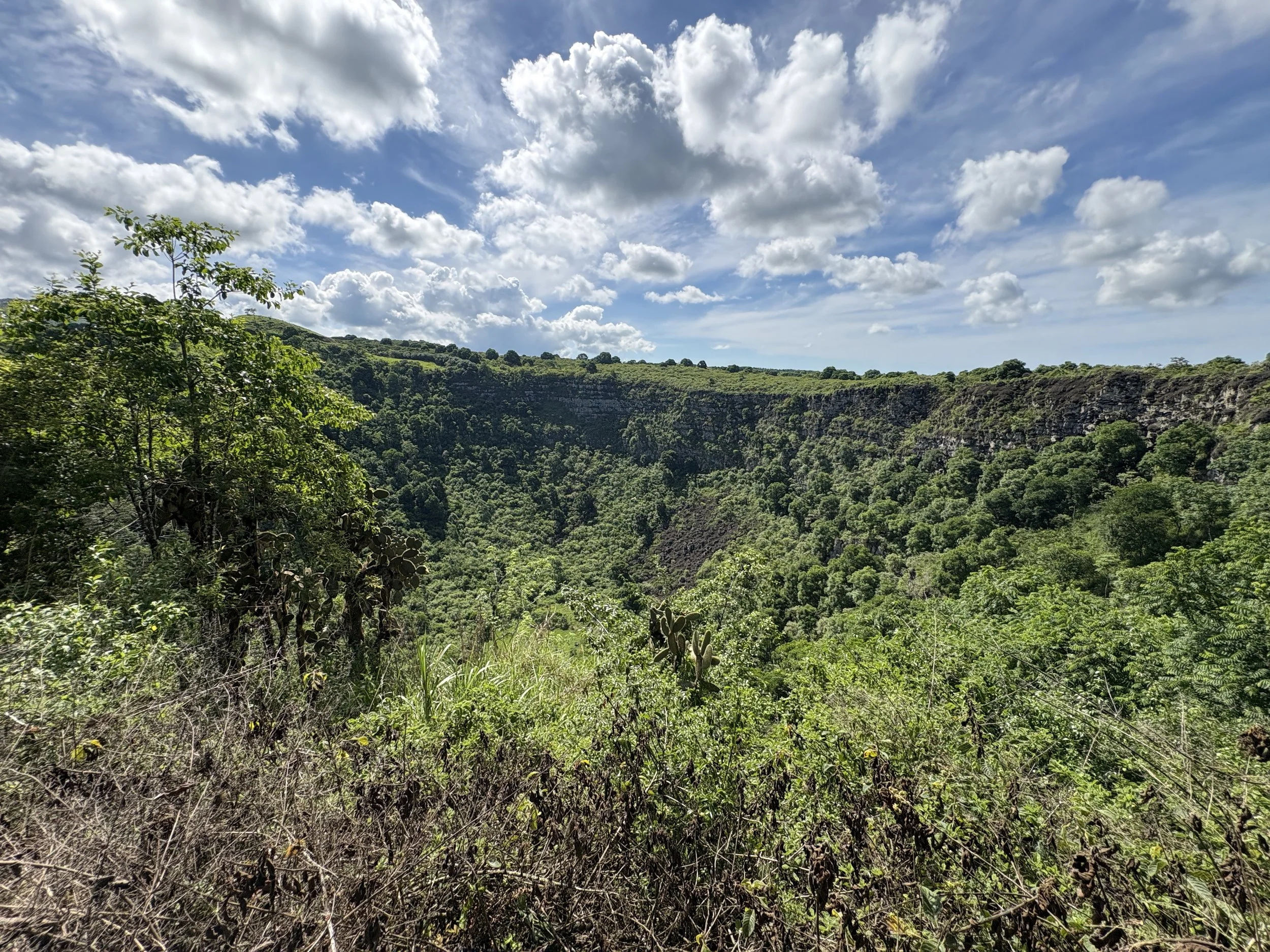
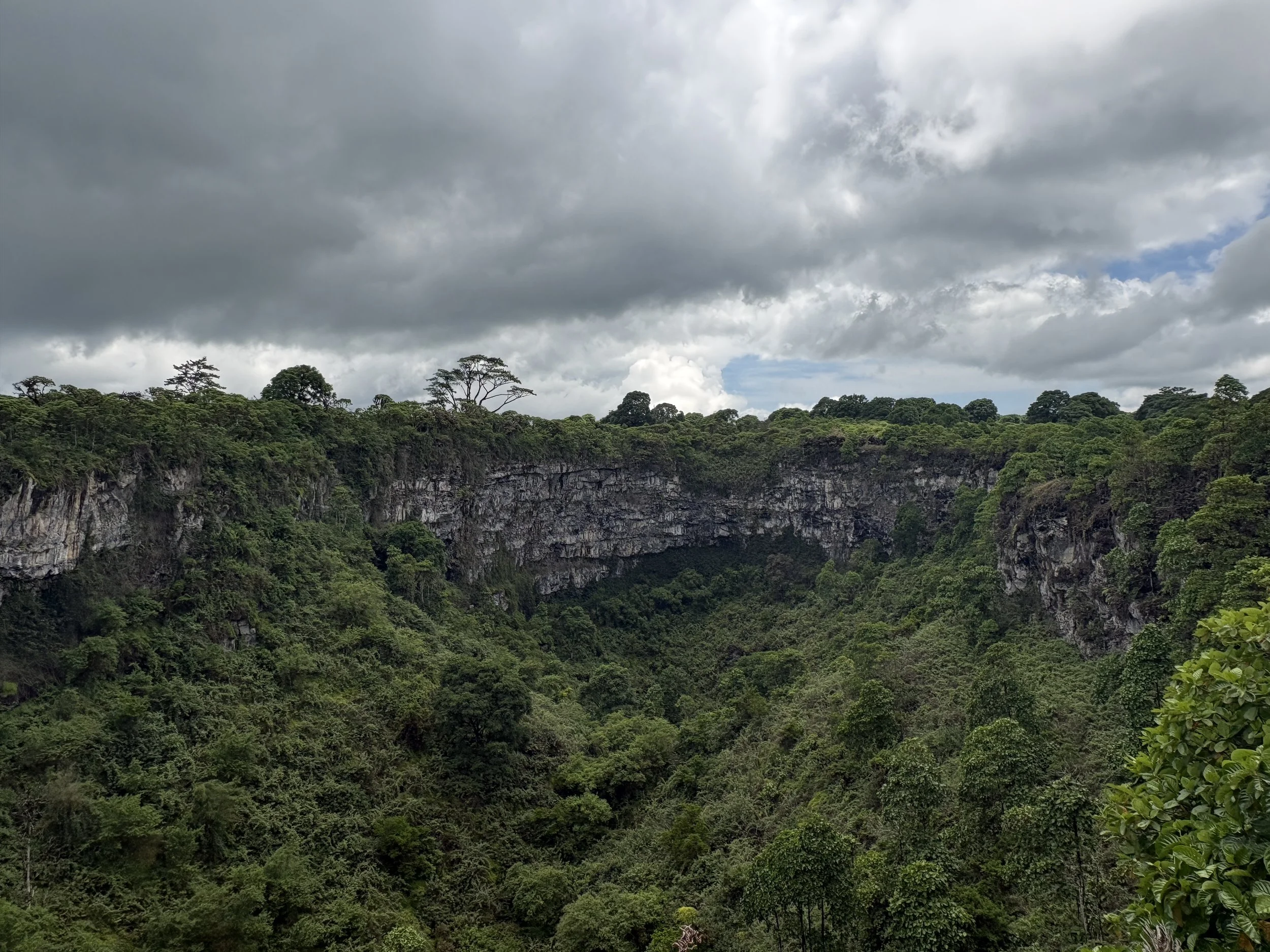
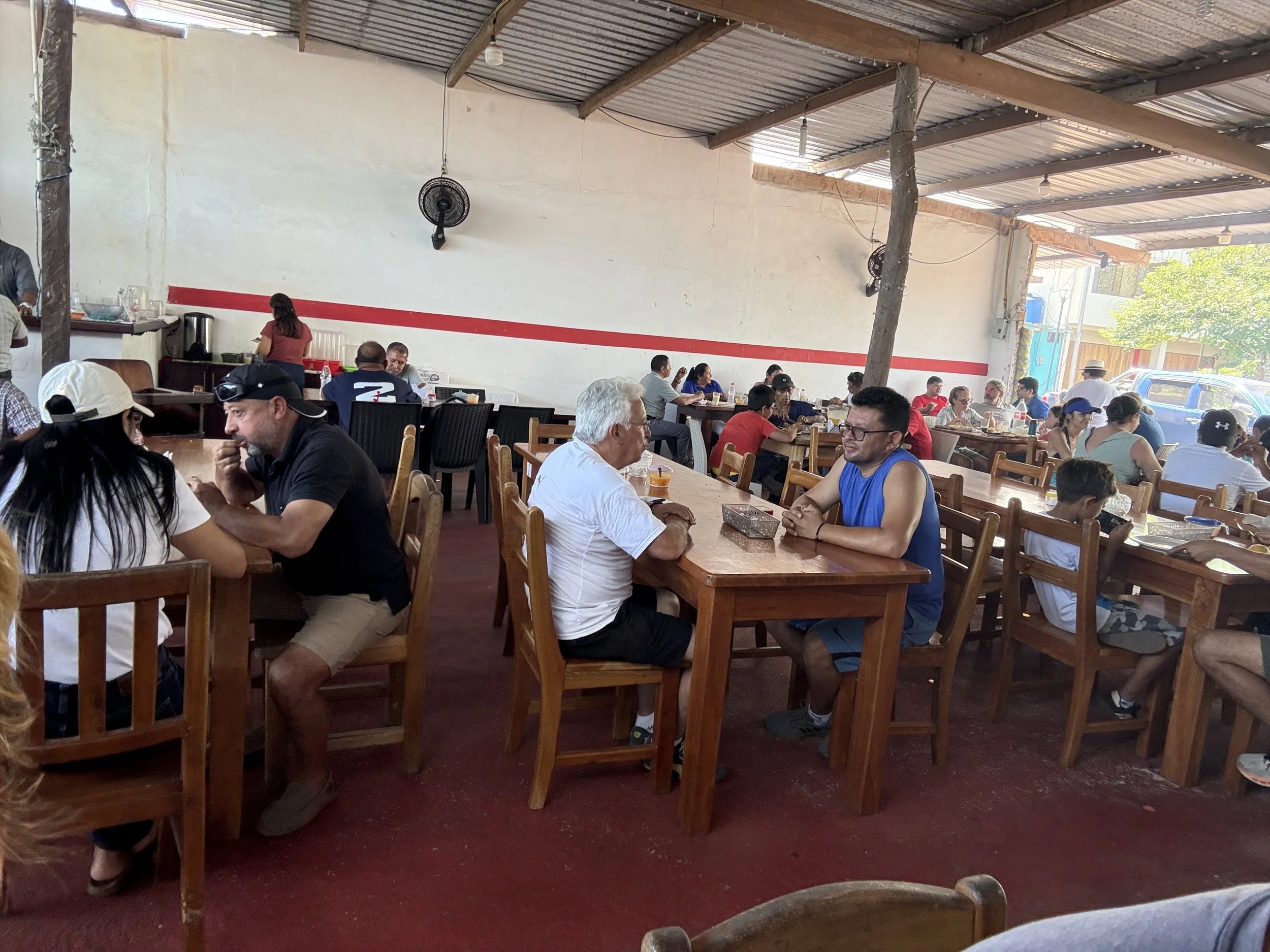
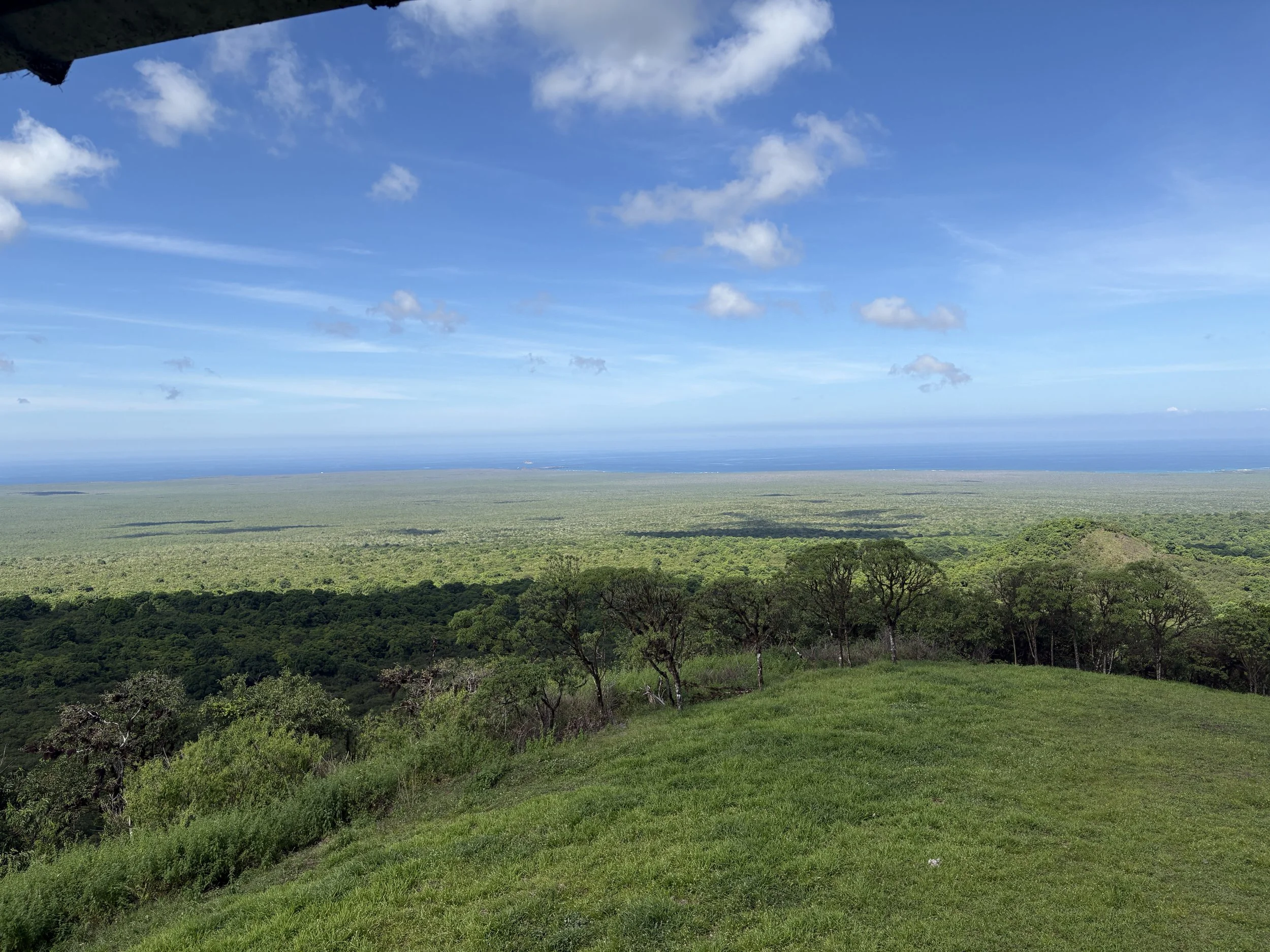
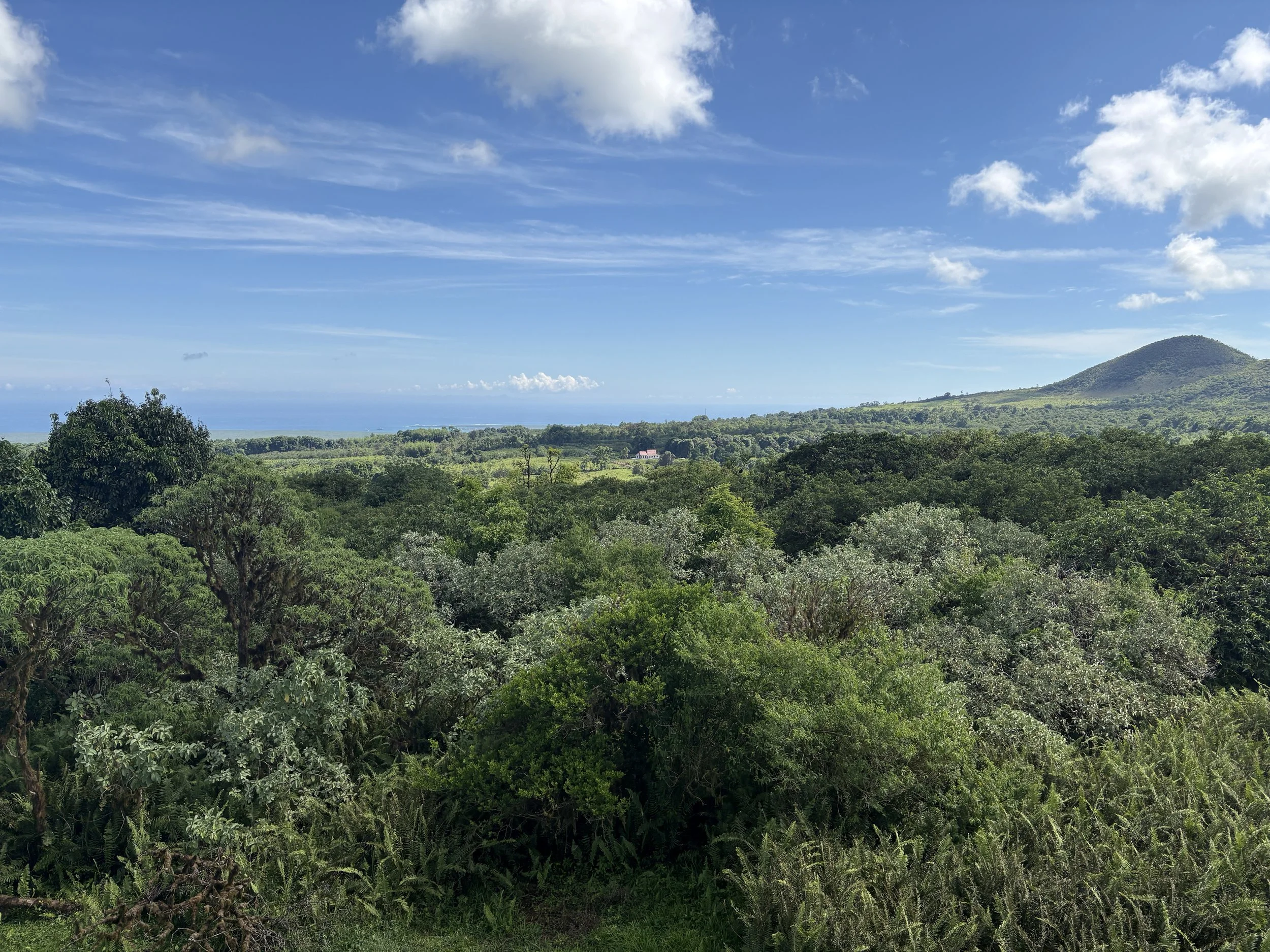
Our tour then took us to Los Gemelos, a pair of stunning volcanic craters with a walk between them, surrounded by lush greenery, a lot of which was unique to the Galapagos. We had lunch in a restaurant rammed with locals only, servicing delicious BBQ meats (chicken, pork or beef options with rice and beans and other vegetables). Then we headed to the other end of the island to Cerro Messa, an ecological reserve with the most spectacular views across the bottom of the island!
Our final stop of the day was to Garrapatera beach for a welcome cool down.
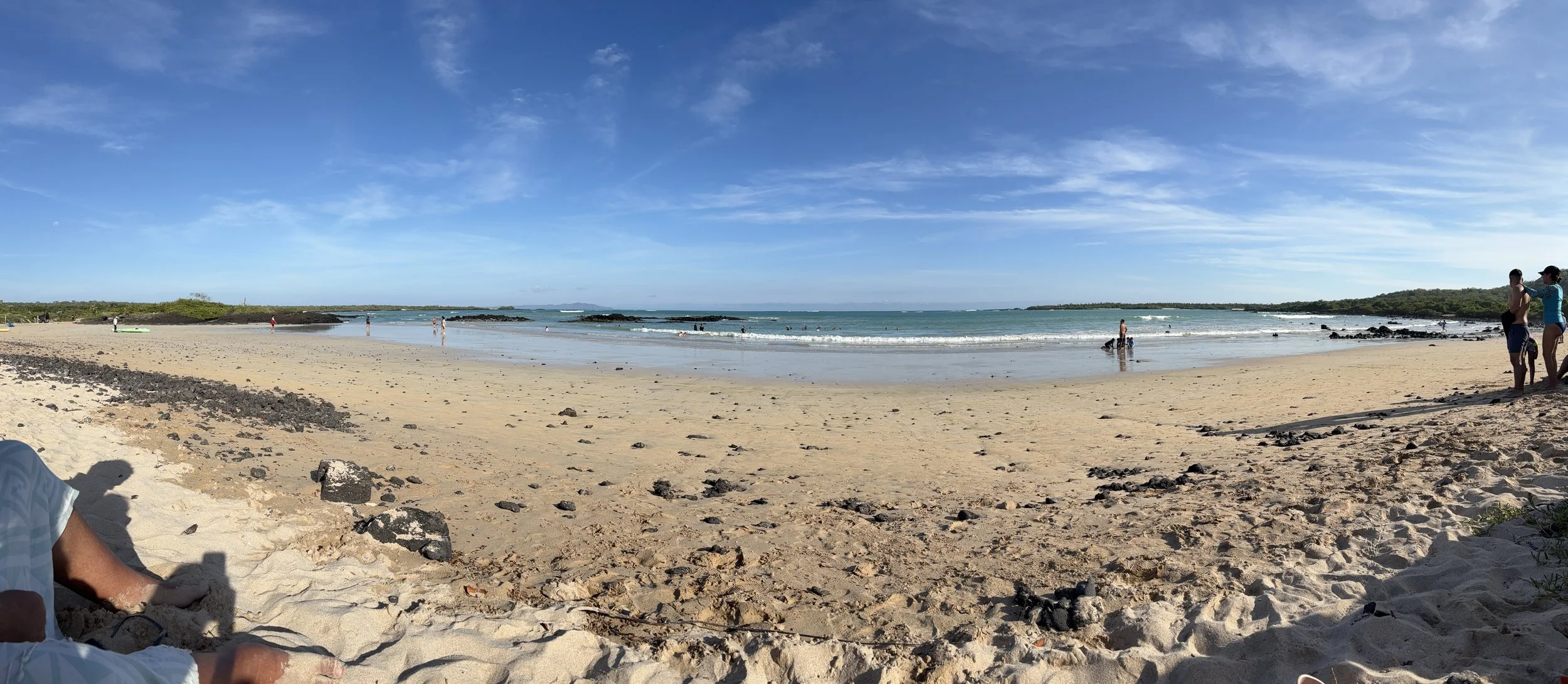
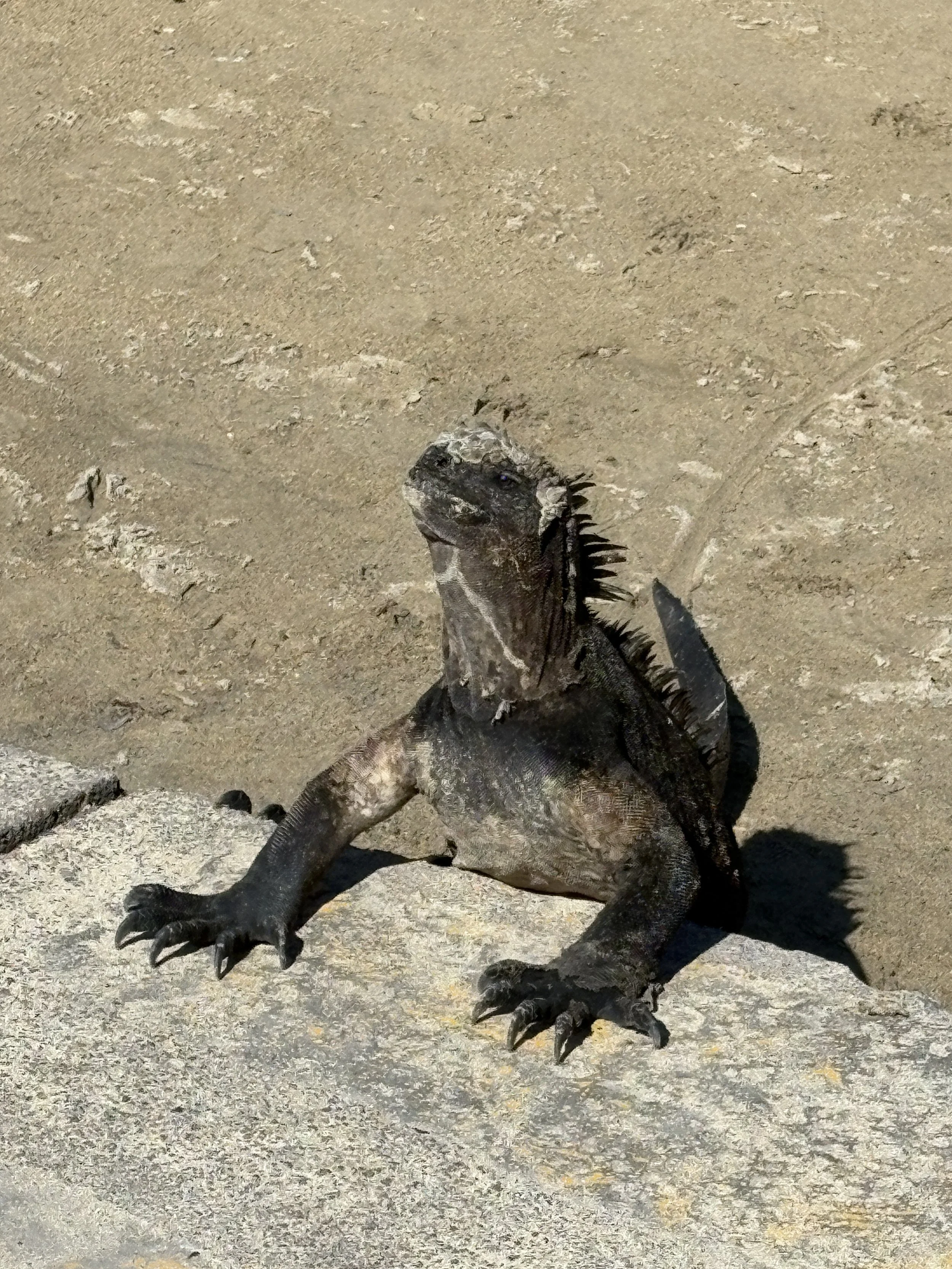
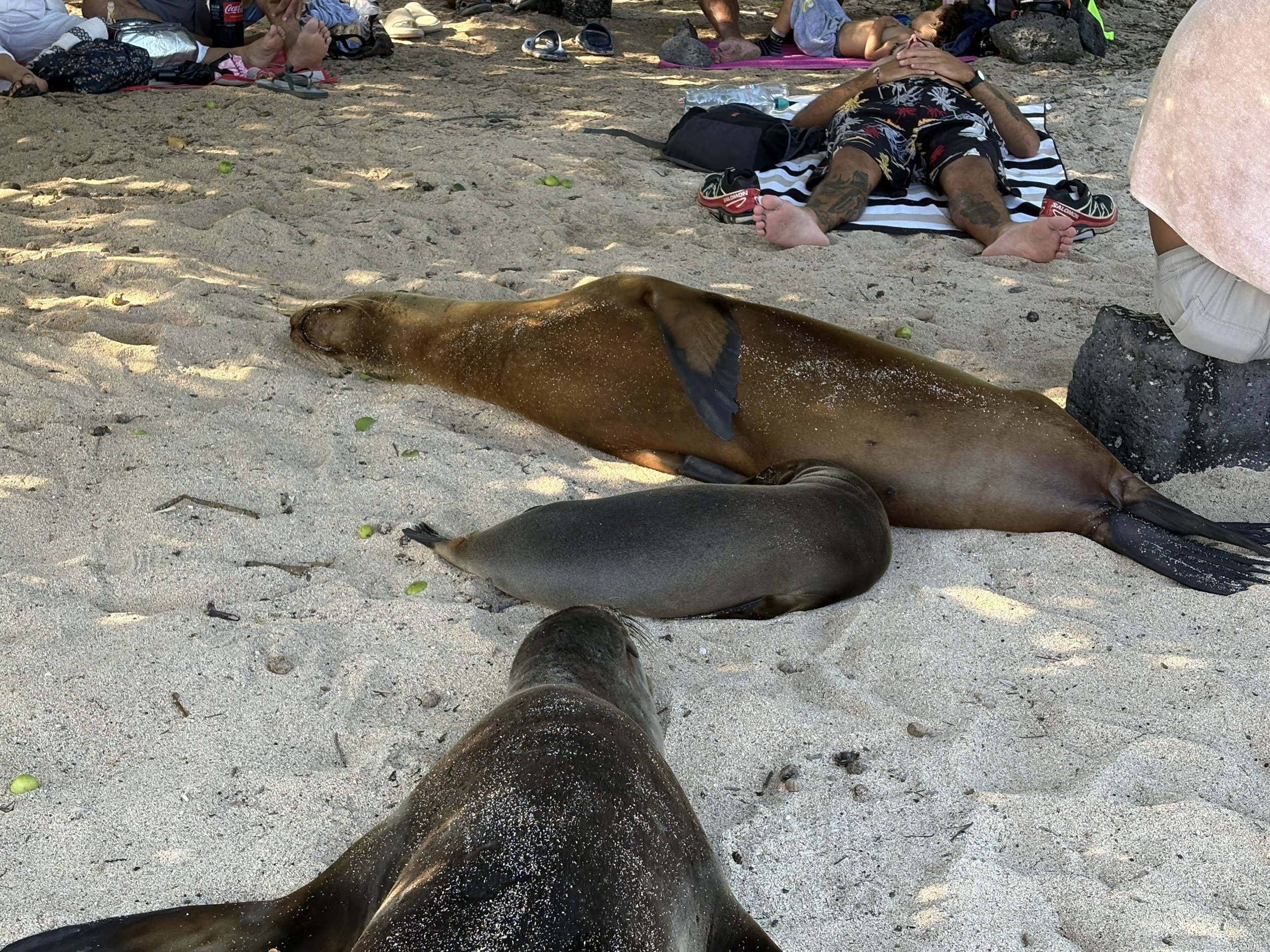
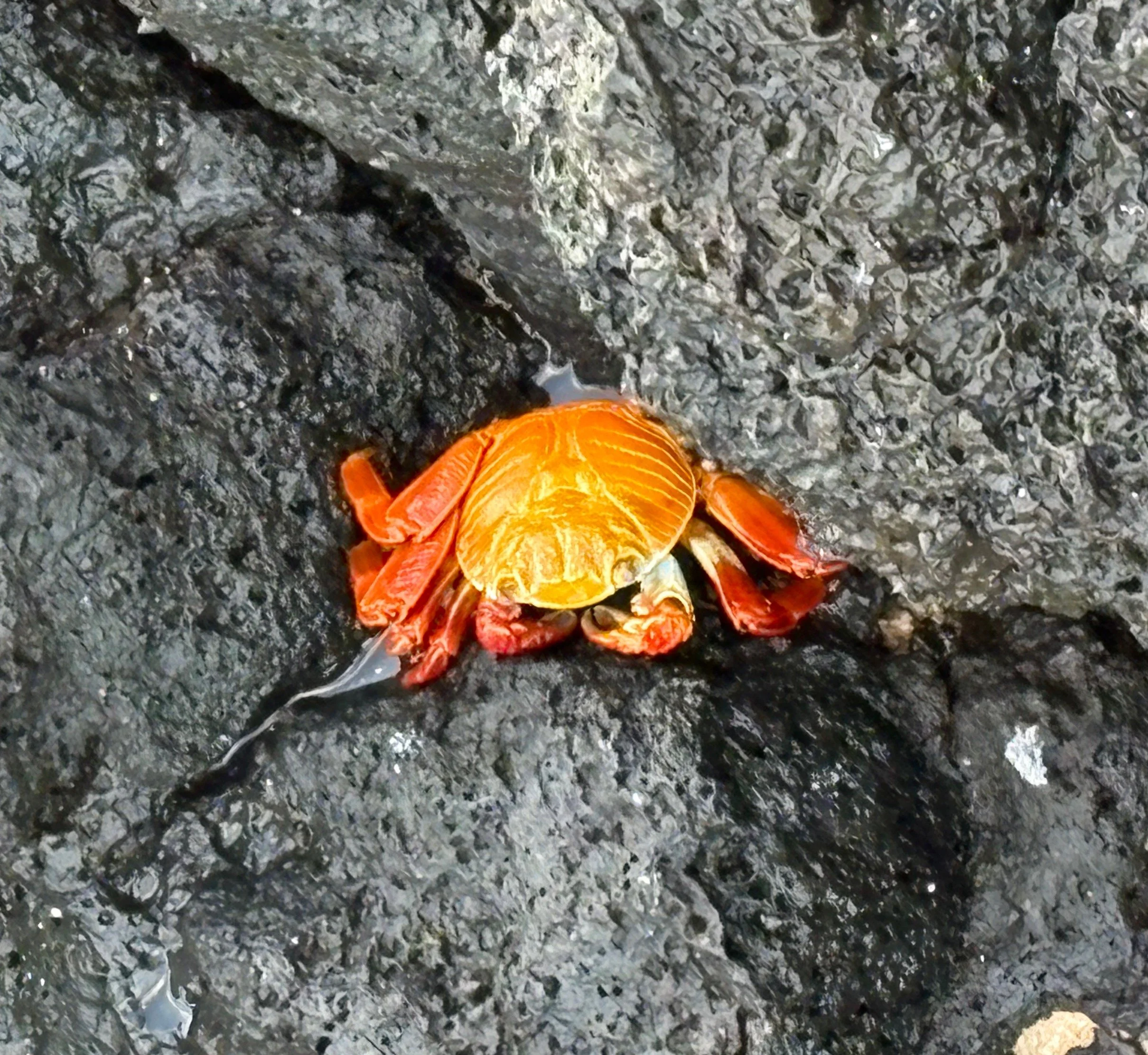
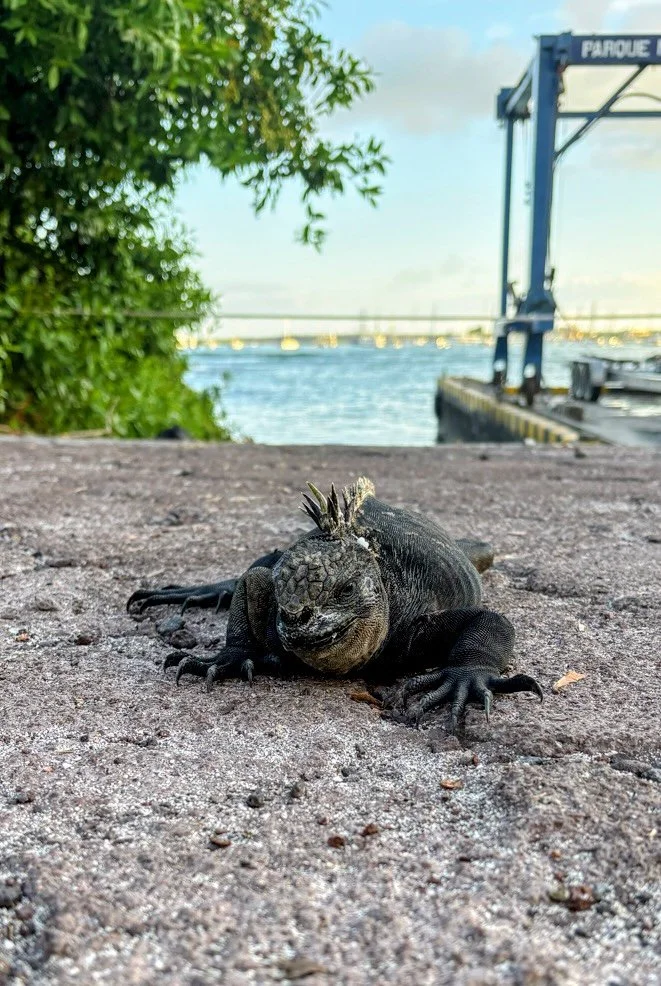
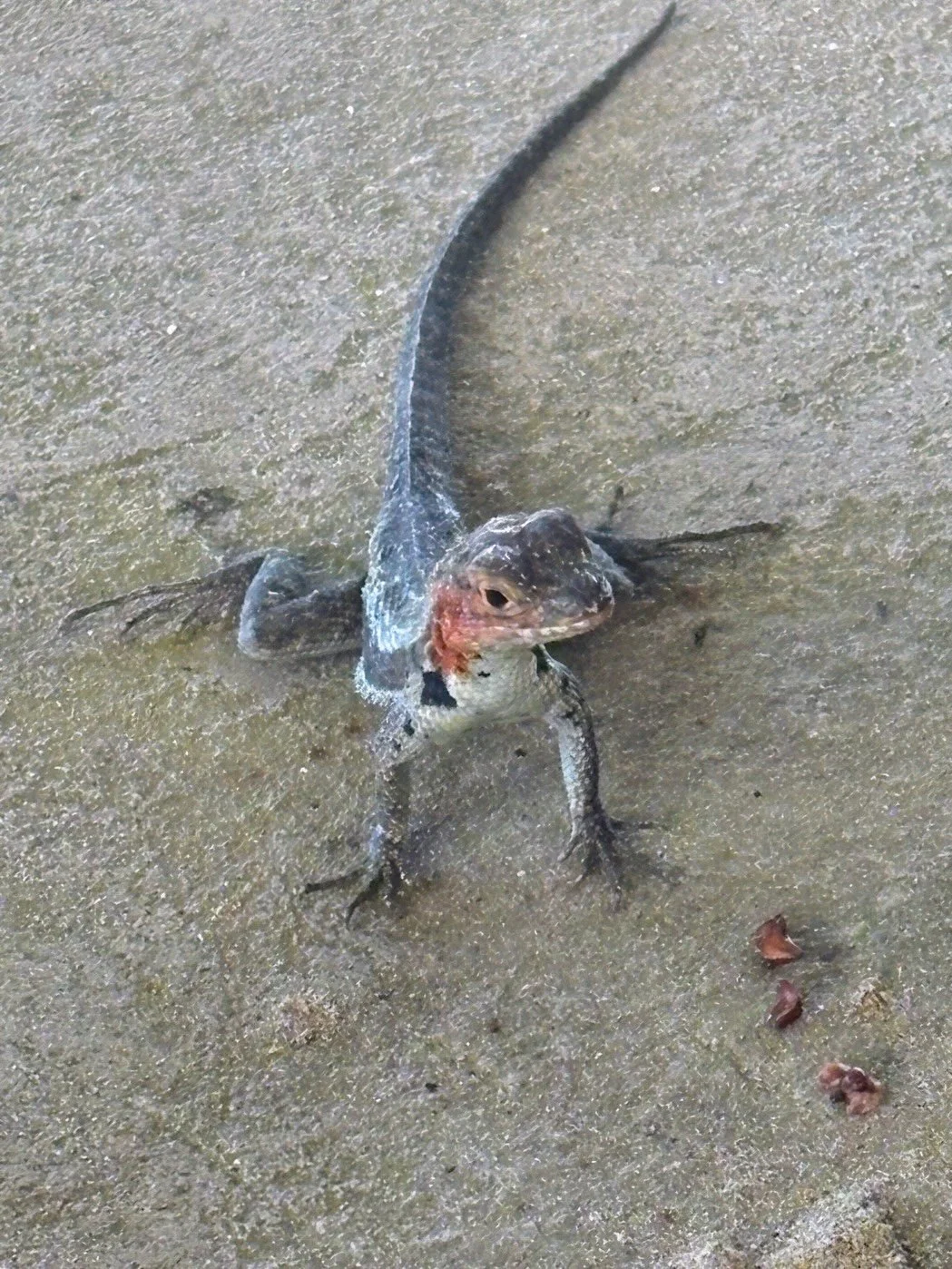
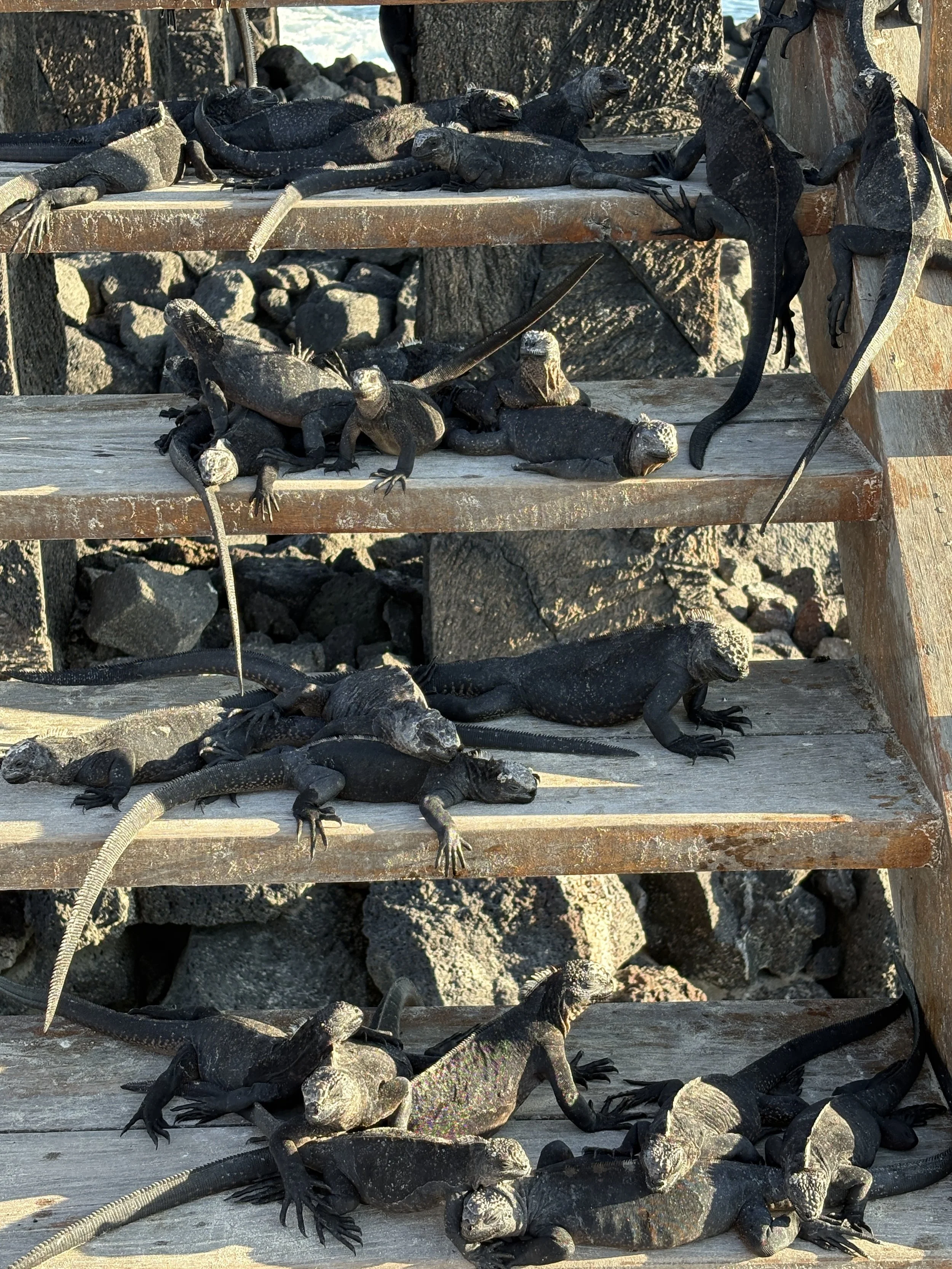
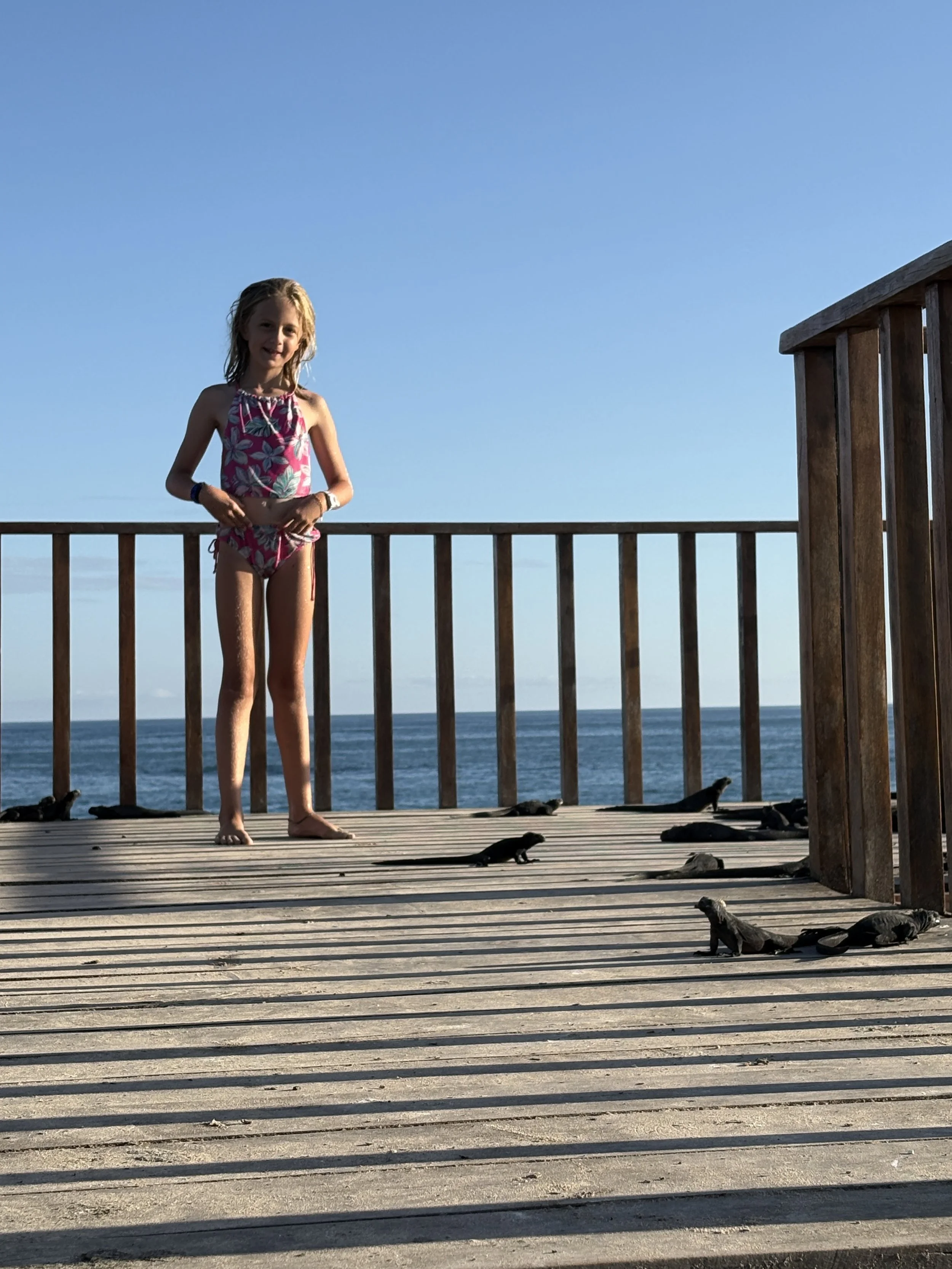
It was surprisingly hard, over the days we spent here, not to become complacent about the world around us. Sea lions sprawled on the sand among swimmers, huge black iguanas with their constantly peeling skin, tiny, lightning-fast lava lizards, and bright orange crabs—an incredible contrast against the stark black lava rocks.
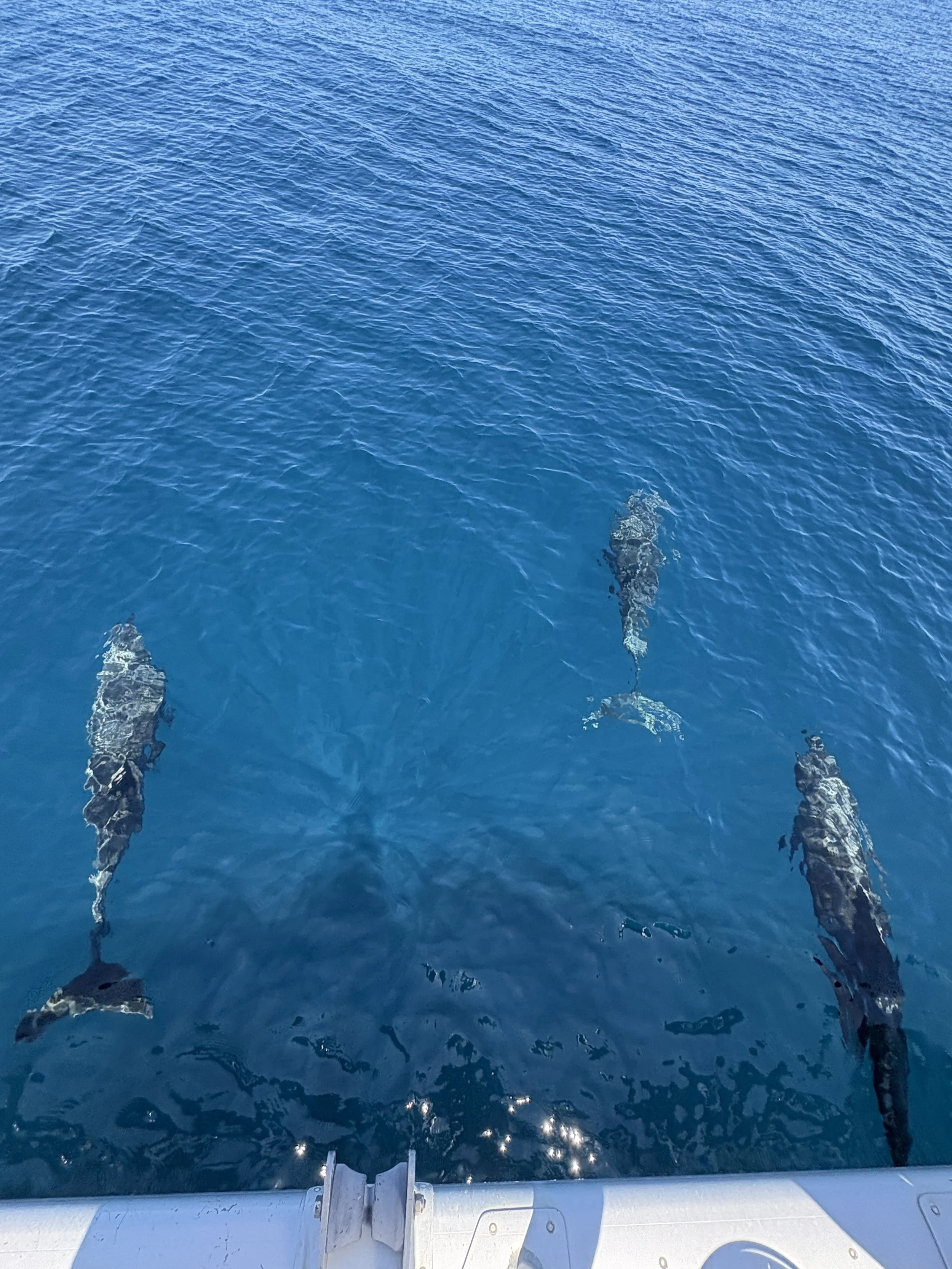
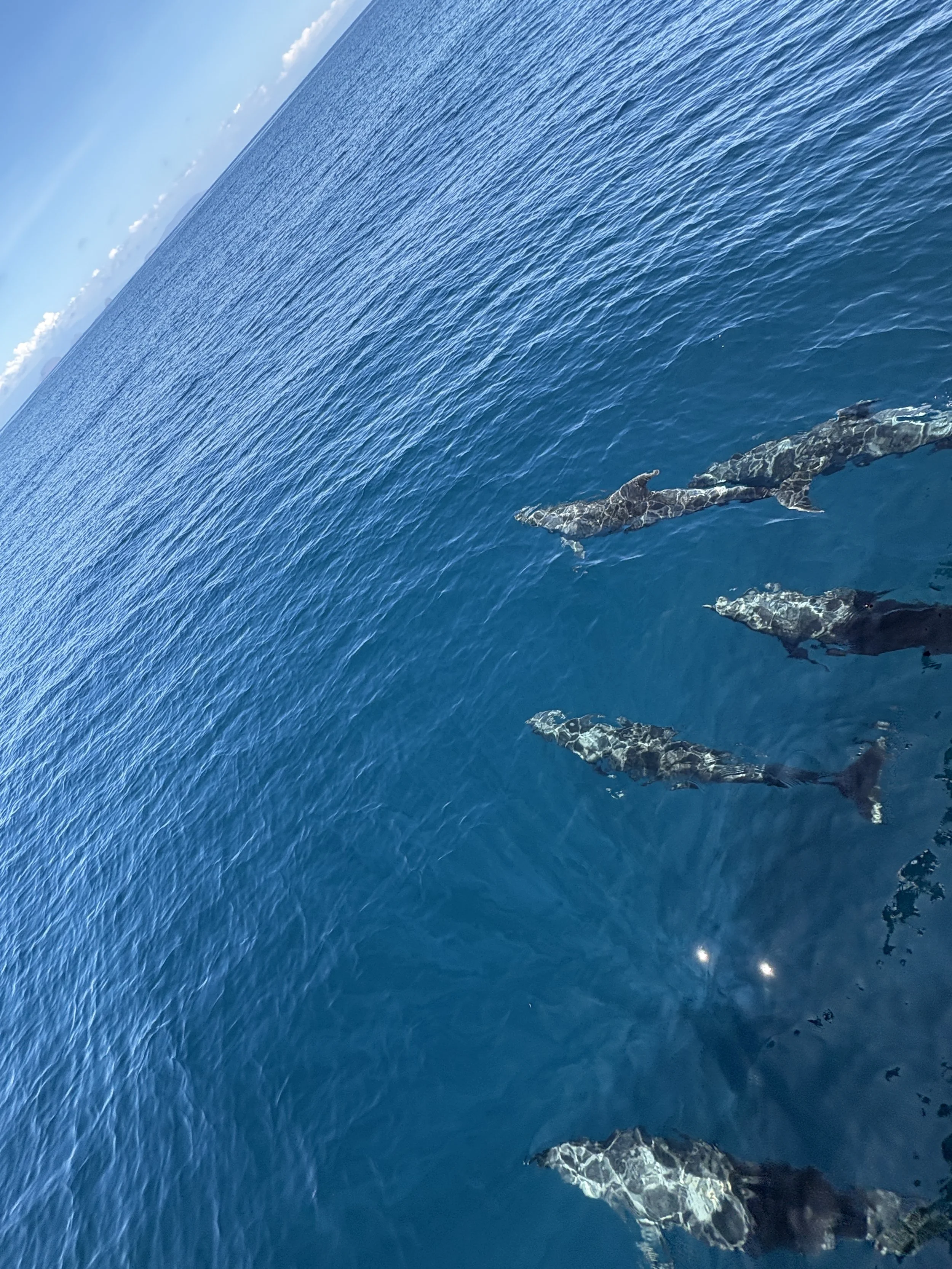
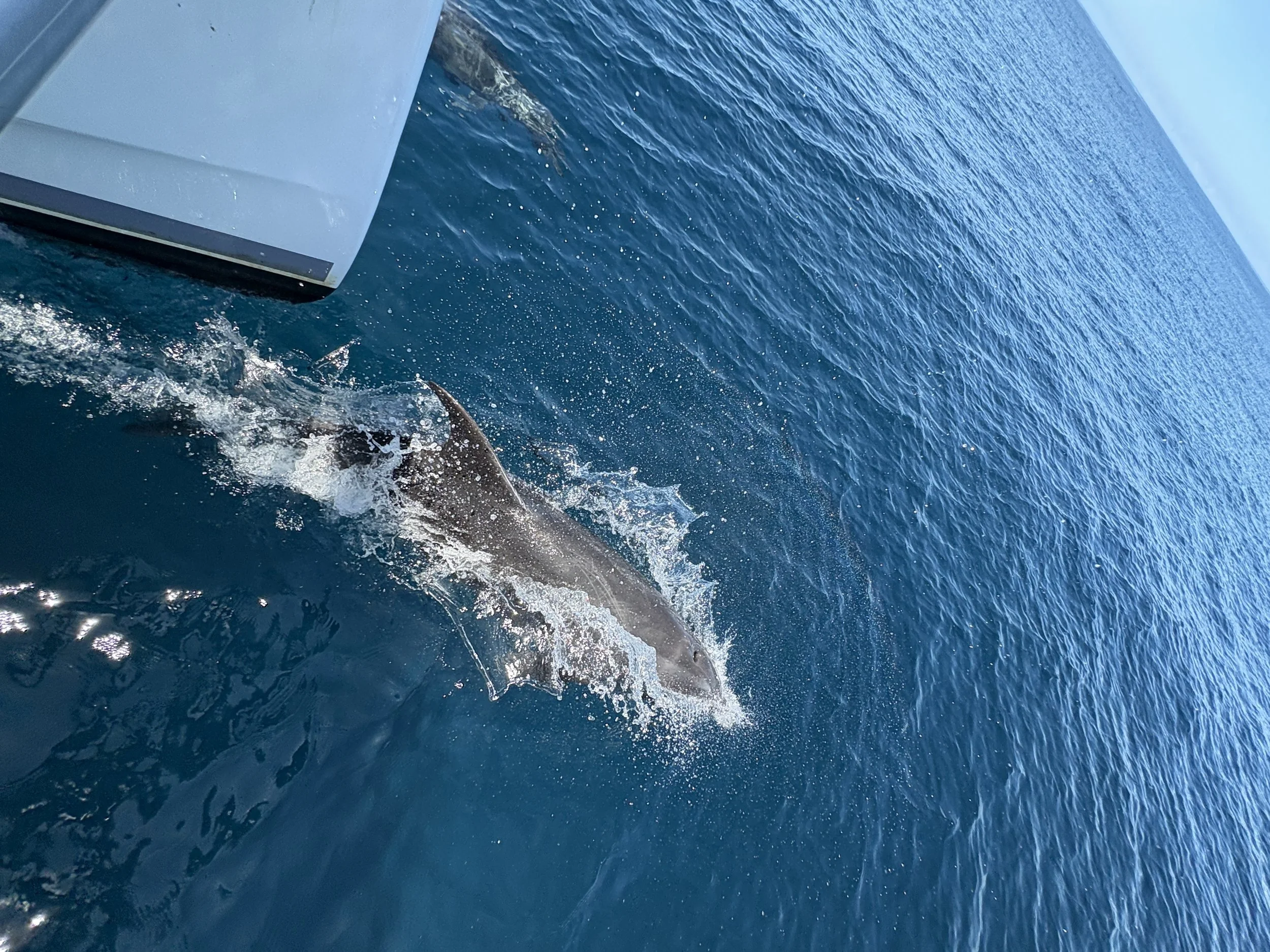
After about a week, we set our sails for Isabela island, the largest of the Galapagos islands. On the way, as the winds dropped, we were treated to a magnificent pod of large dolphins on our bow, as always seeming to enjoy being with us as much as we loved them under our boat. You can see them turn on their side when they are really close to the bow so that they can look up at us. Totally a favorite of ours. We jumped in the water as quick as we could stop the boat, but sadly they headed off fishing in the distance, as a school of tuna began leaping out the water as they chased their own prey.
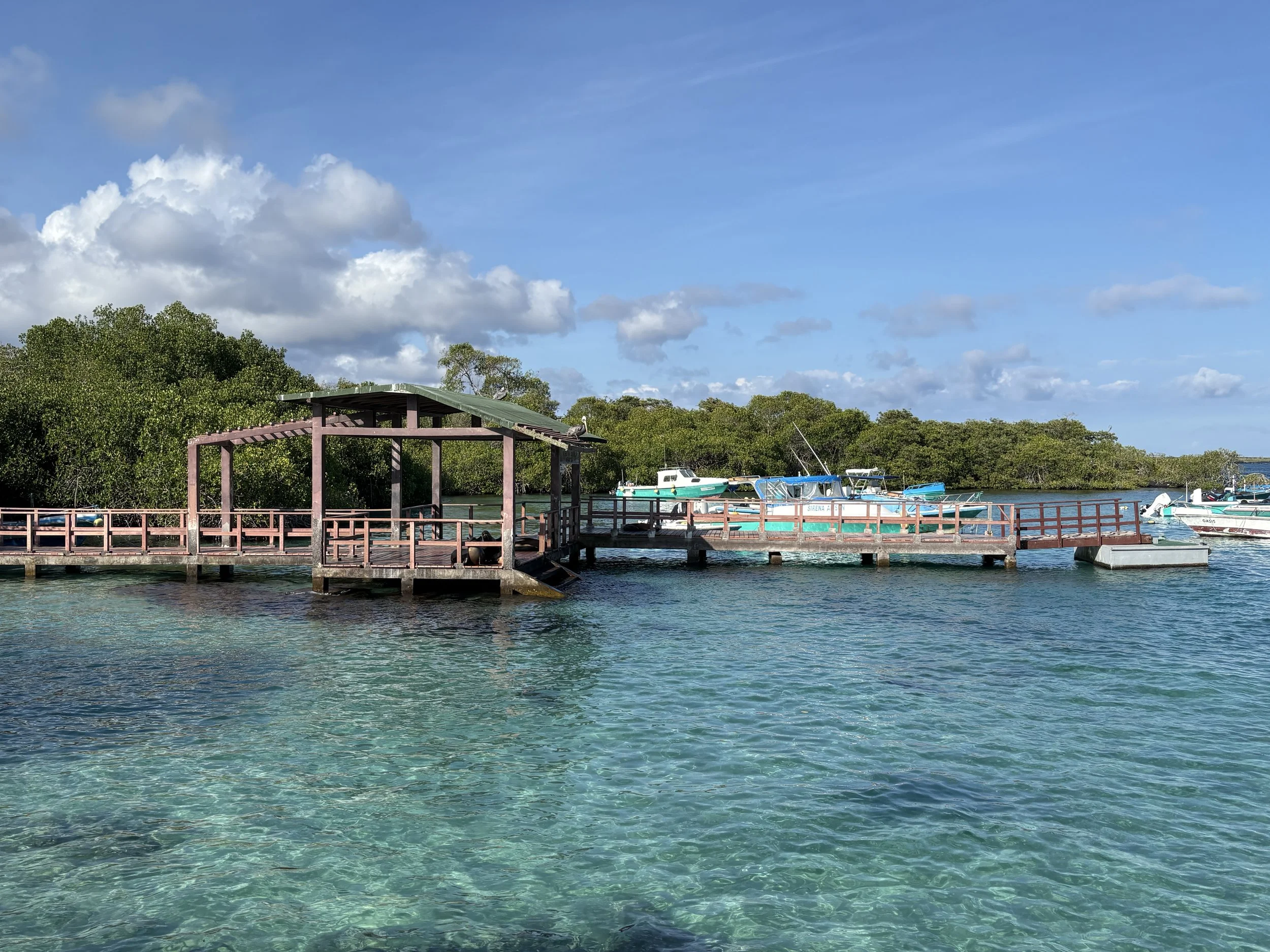
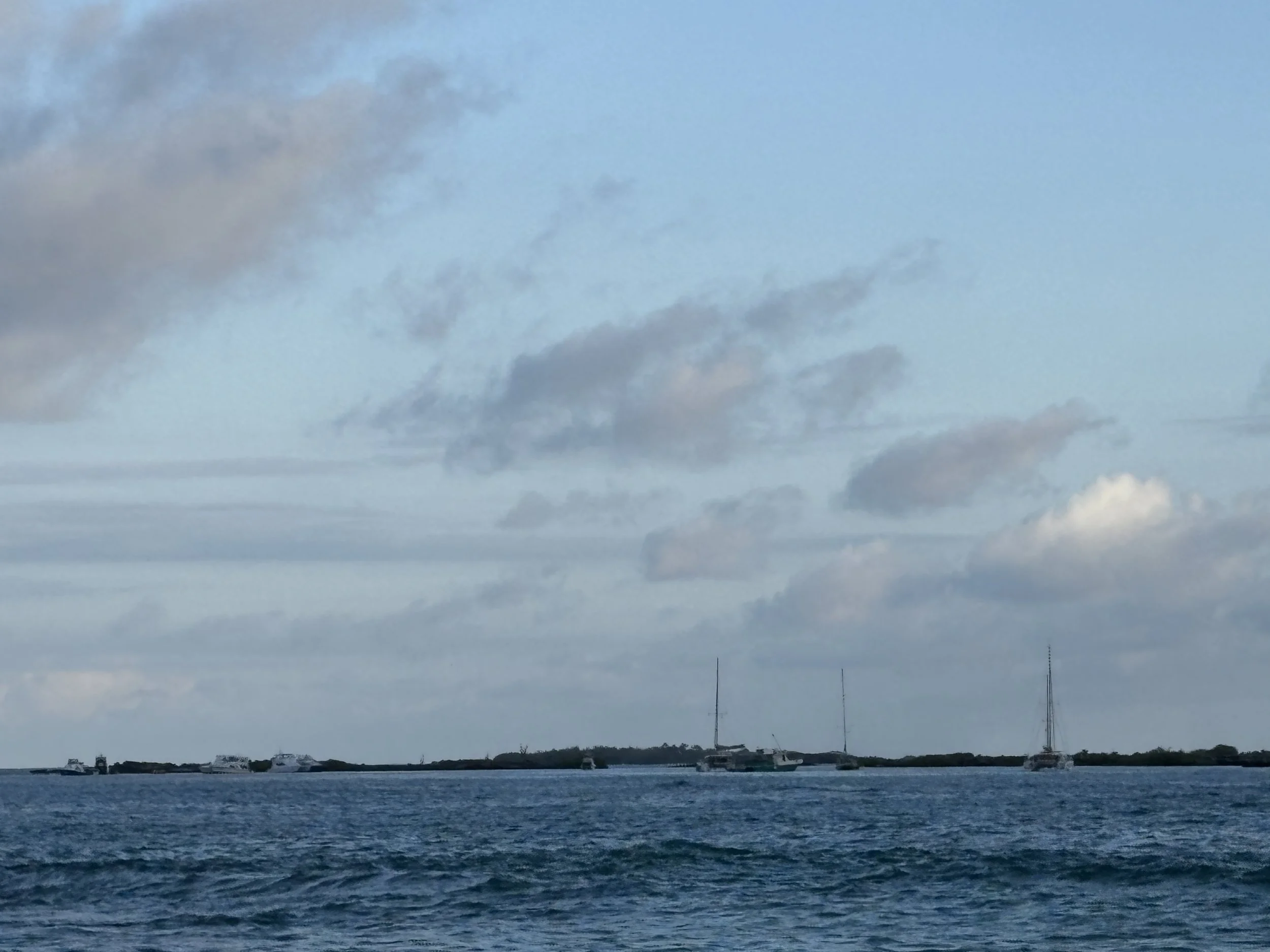
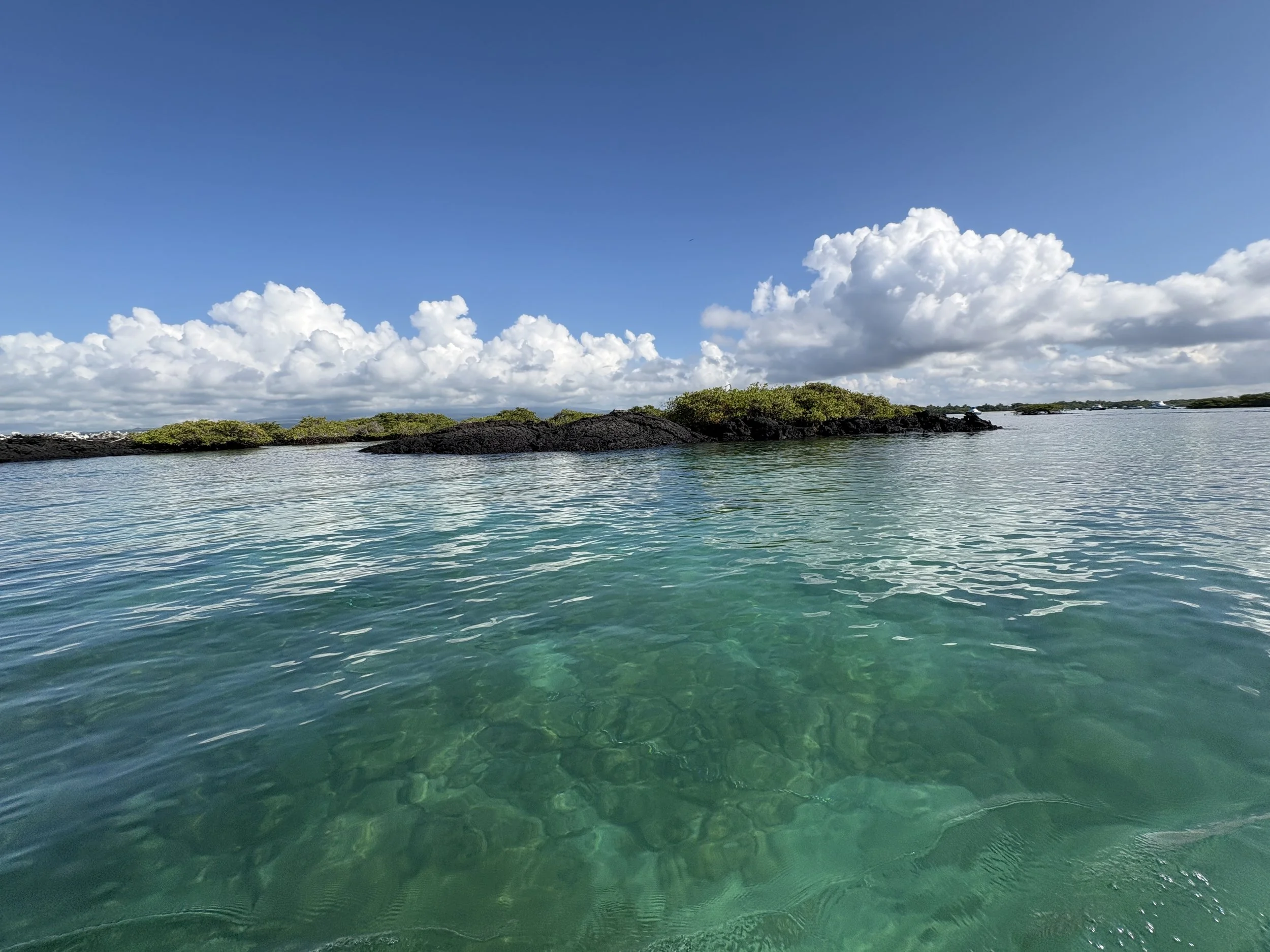
One of the youngest islands of the Galapagos, Isabela is located on the western edge of the Galapaganian archipelago. It’s around 1 million years old, and the seahorse-shaped island was formed by the merger of six shield volcanoes; Alcedo, Cerro Azul, Darwin, Ecuador, Sierra Negra, and Wolf. All of these volcanoes except Ecuador are still active, making it one of the most volcanically active places on earth. Two of the volcanoes, Volcan Ecuador and Volcan Wolf (the island's highest point with an elevation of 5,600ft, lie directly on the equator and are at the top of the island. It had a totally different feeling to Santa Cruz island, the streets of town are sandy, there are some amazing surfing spots and long white beaches right off town; it feels much more chilled out than the comparative business of Santa Cruz. The anchorage was much smaller and therefore quieter here also - we were one of only 4 boats there (and only two of us a few days later).
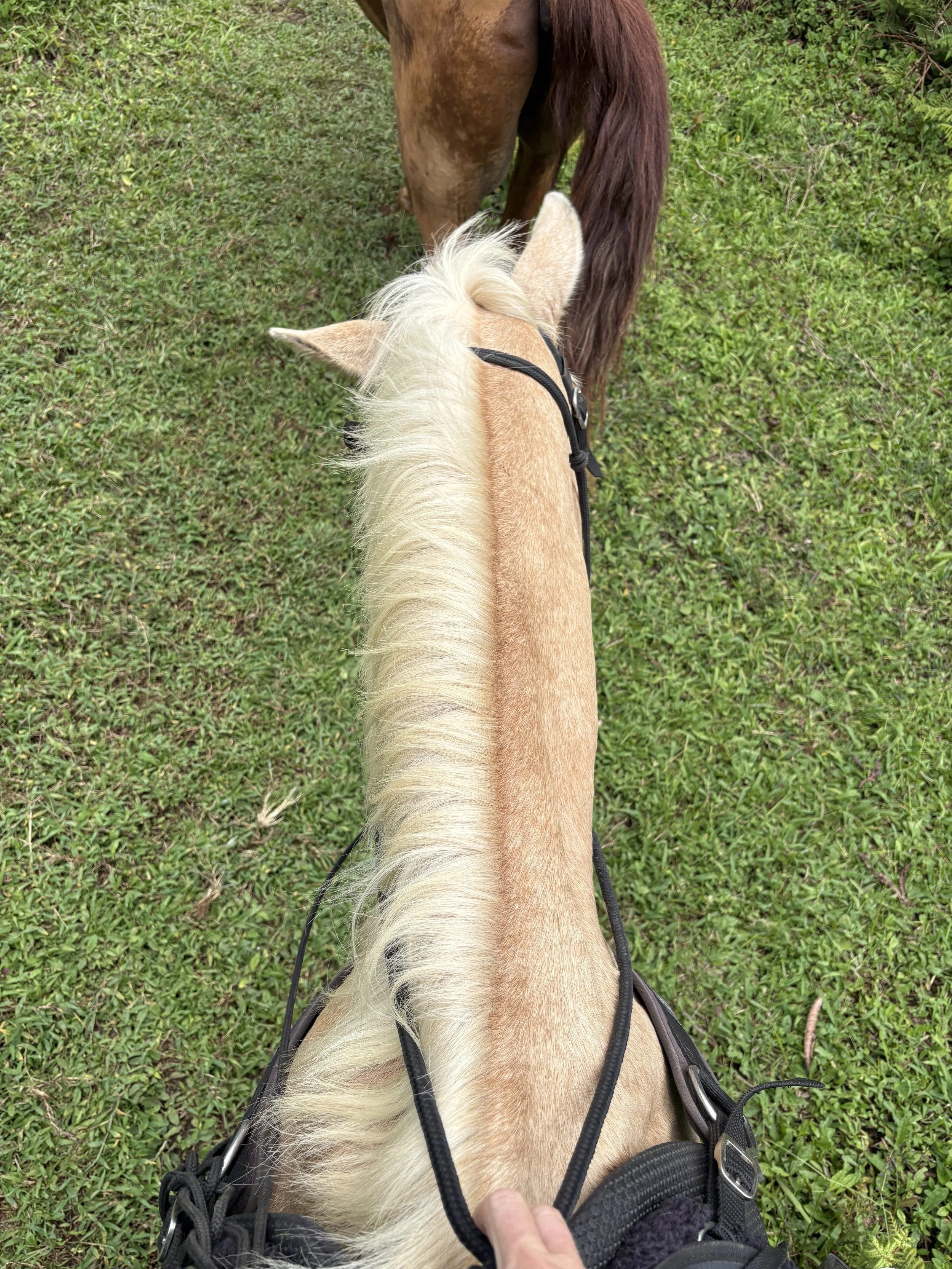
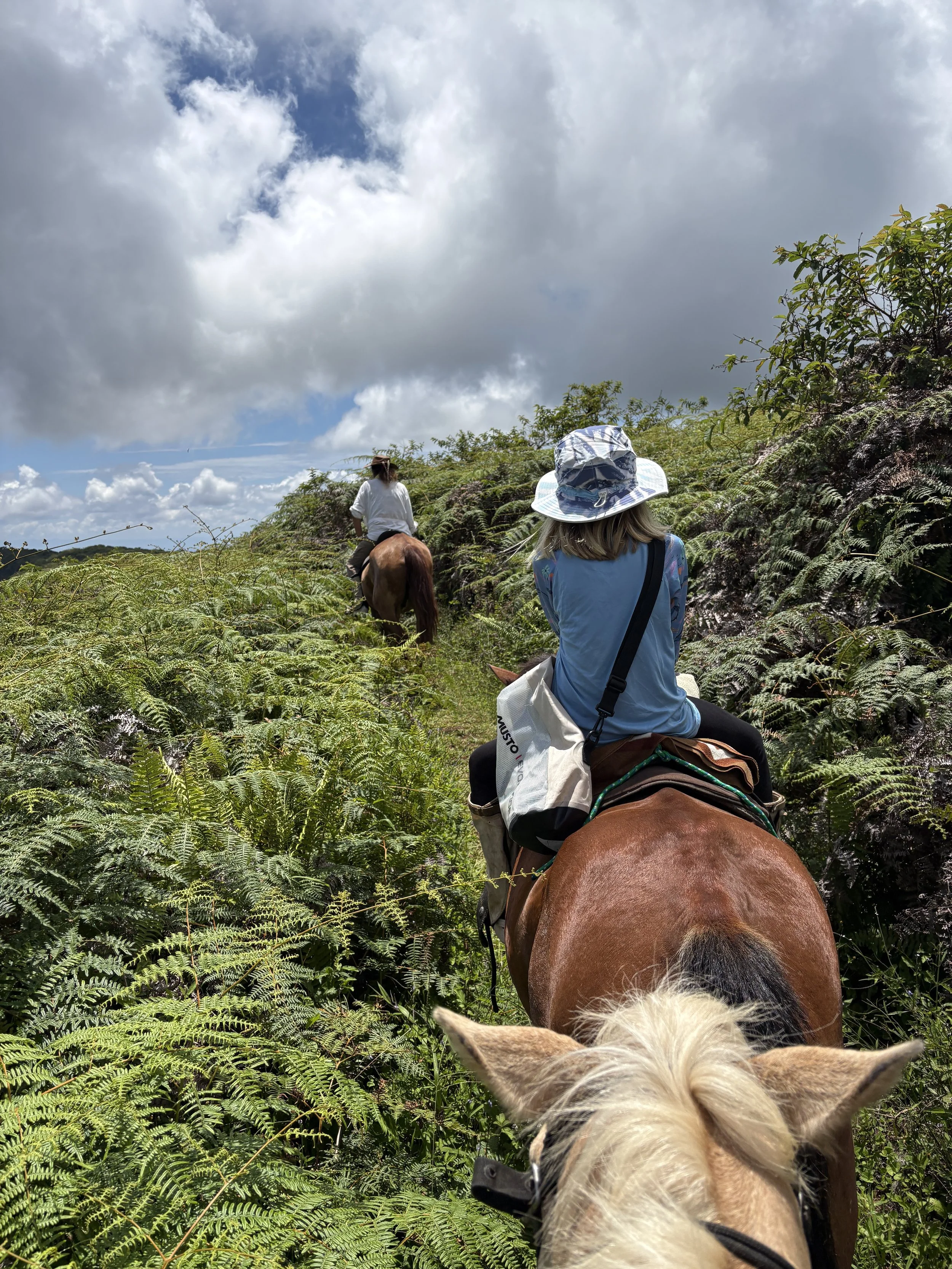
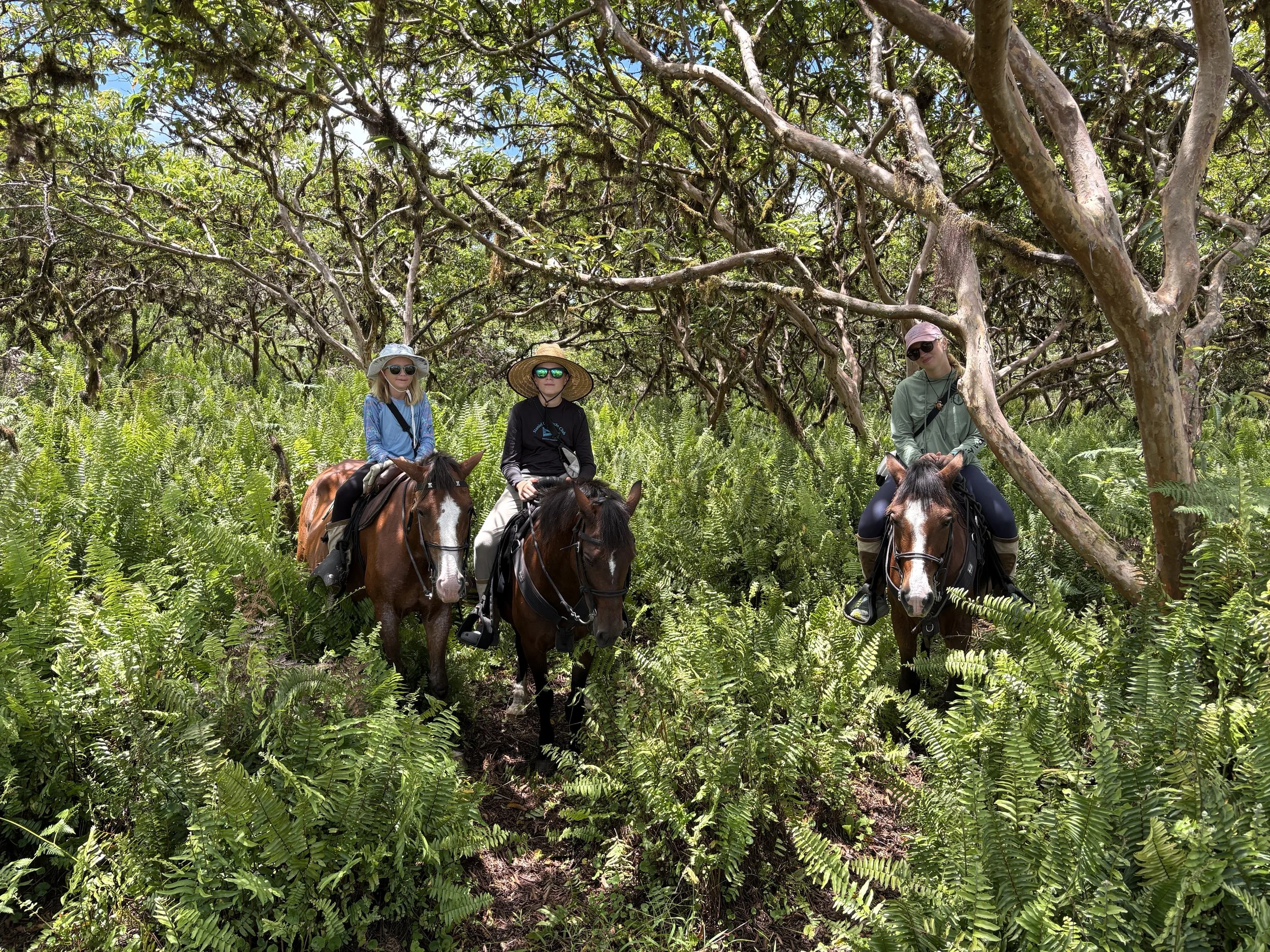
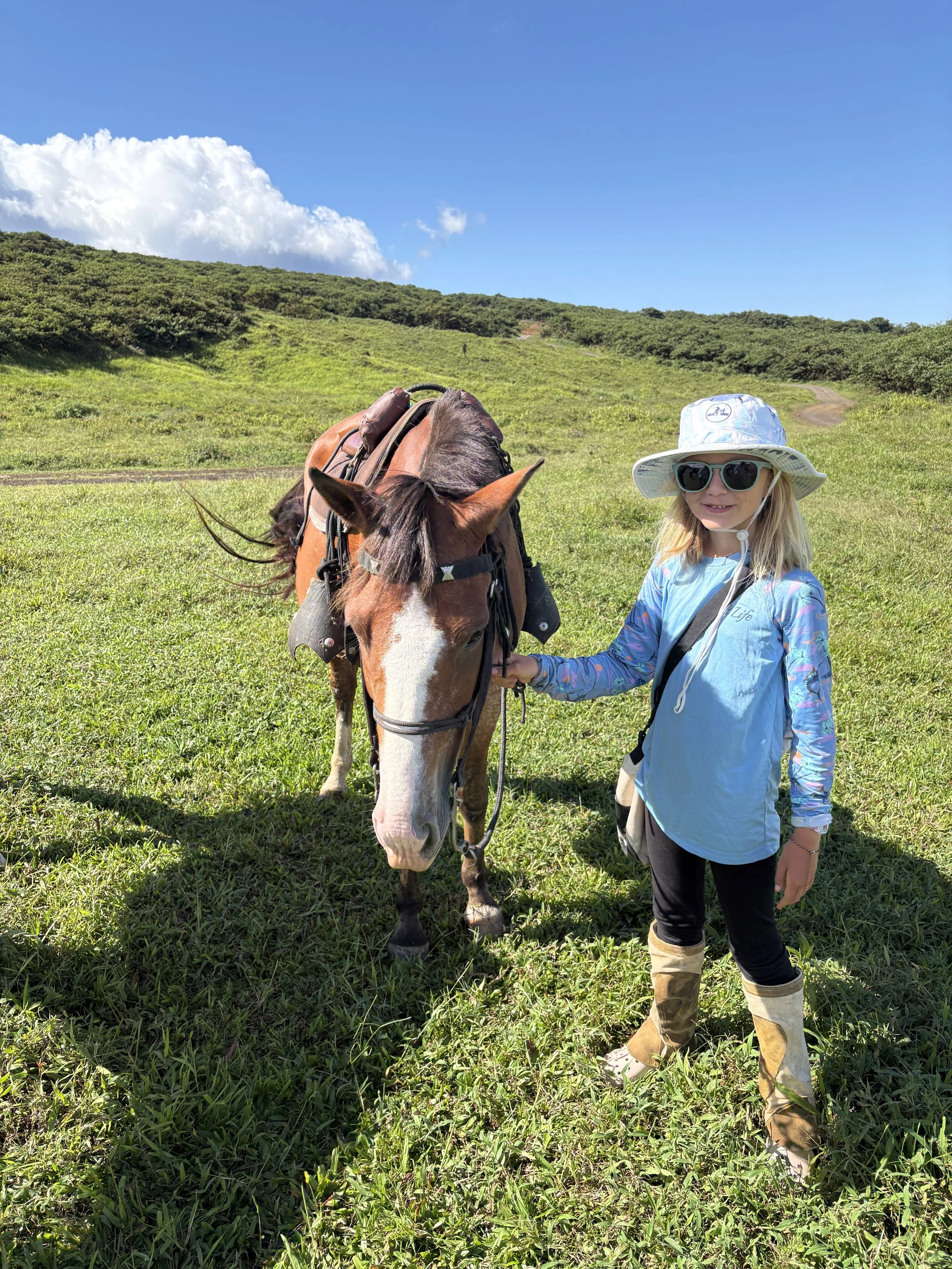
We hit the following week hard with a series of excursions around Isabela. First up was a memorable day with Claudia from Galloping Galápagos, who took the kids and me trekking up the Sierra Negra volcano crater. The kids haven’t really ridden before, and for me it’s been over 30 years since I was last in the saddle—but Claudia was an incredible teacher and guide. She gave the kids loads of confidence, and we rode Western-style, which felt far more relaxed than the English style I remembered. My horse was called Mr. Ed (a reference to the old talking horse TV program, totally lost on the kids!) :). Bethan’s was ‘Abuelita’ (means Grandma in Spanish!).
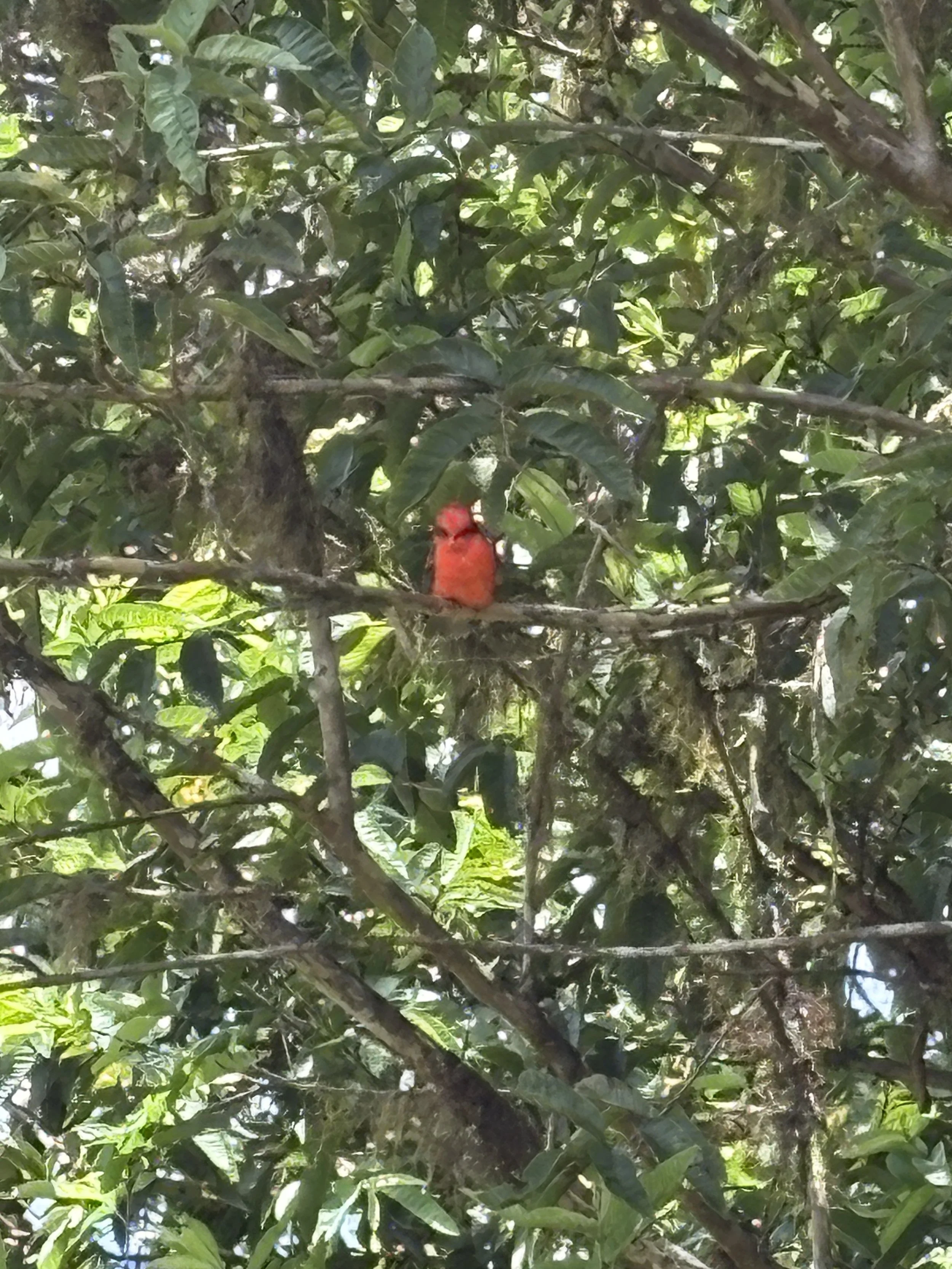
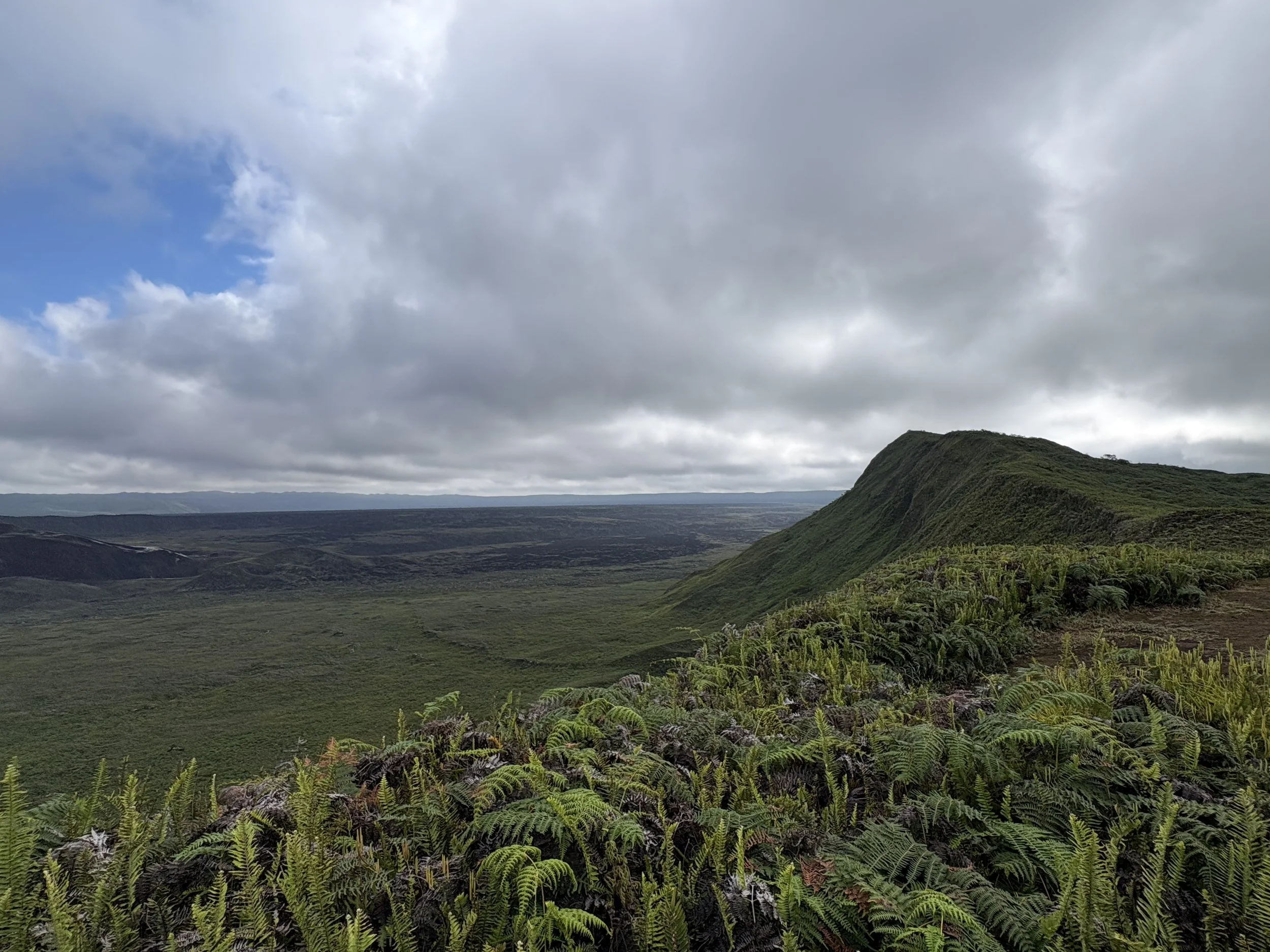
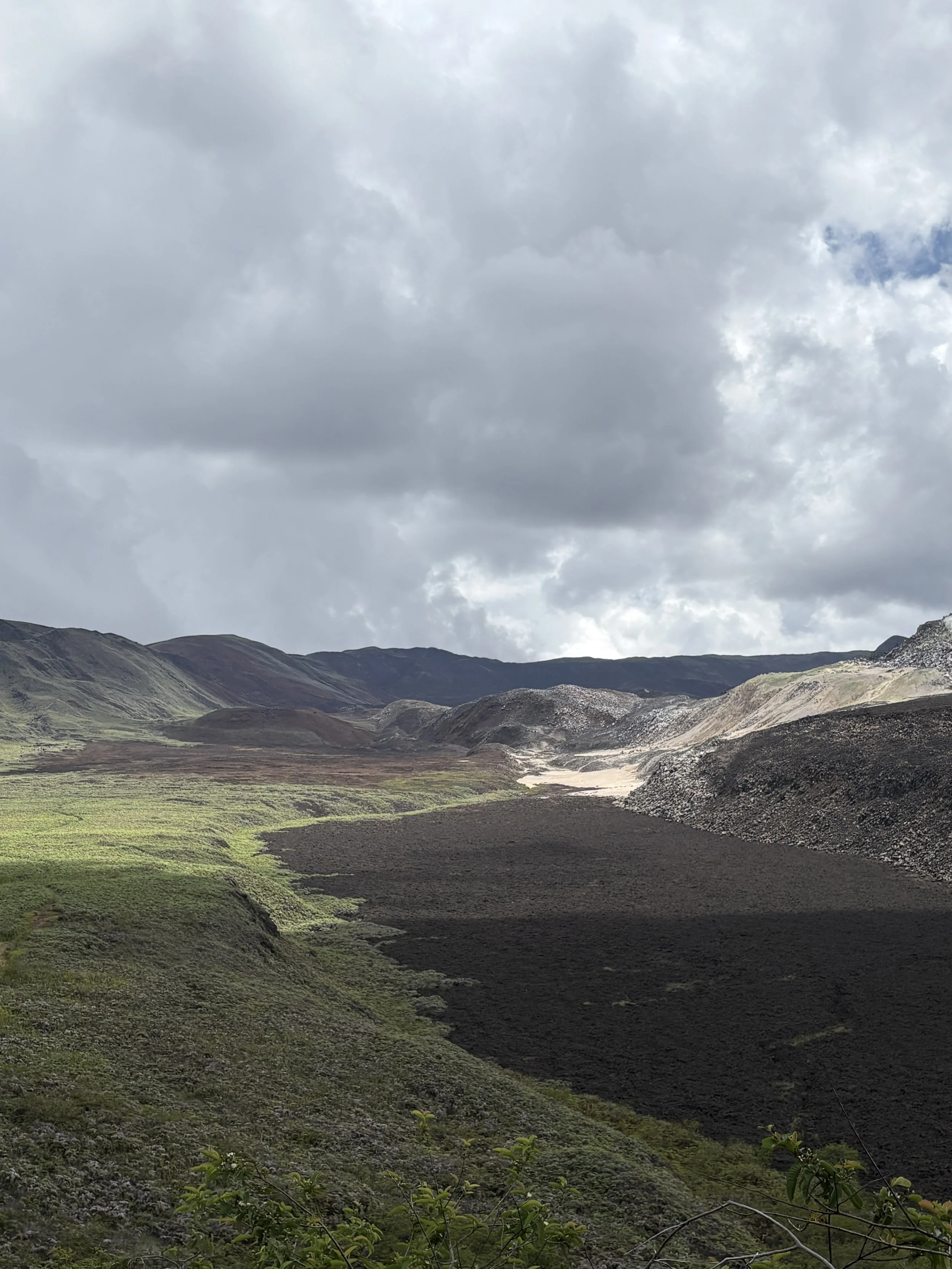
We climbed steadily through the different layers of the volcano, spotting a bright red ‘Darwin’s Finch’ which only lives at that altitude, until it suddenly our path opened out onto the crater rim. There’s something about the volcano that doesn’t quite land at first. It’s not dramatic in the way you expect—no perfect cone—and yet it’s enormous. Sierra Negra has one of the largest volcanic craters in the world, around 10km across. Standing on the rim, it didn’t feel like a crater at all, more like a vast, collapsed world—flat in places, ridged in others, with dark lava flows stretching out like scars across the surface. But it’s also very much alive. The last eruption was in 2018, and you can still see where the lava pushed through—fresh black rivers cutting across older, greyer rock. The contrast of colors is completely fascinating, and although it was hot, we lucked out with the visibility that day—it was magnificent.
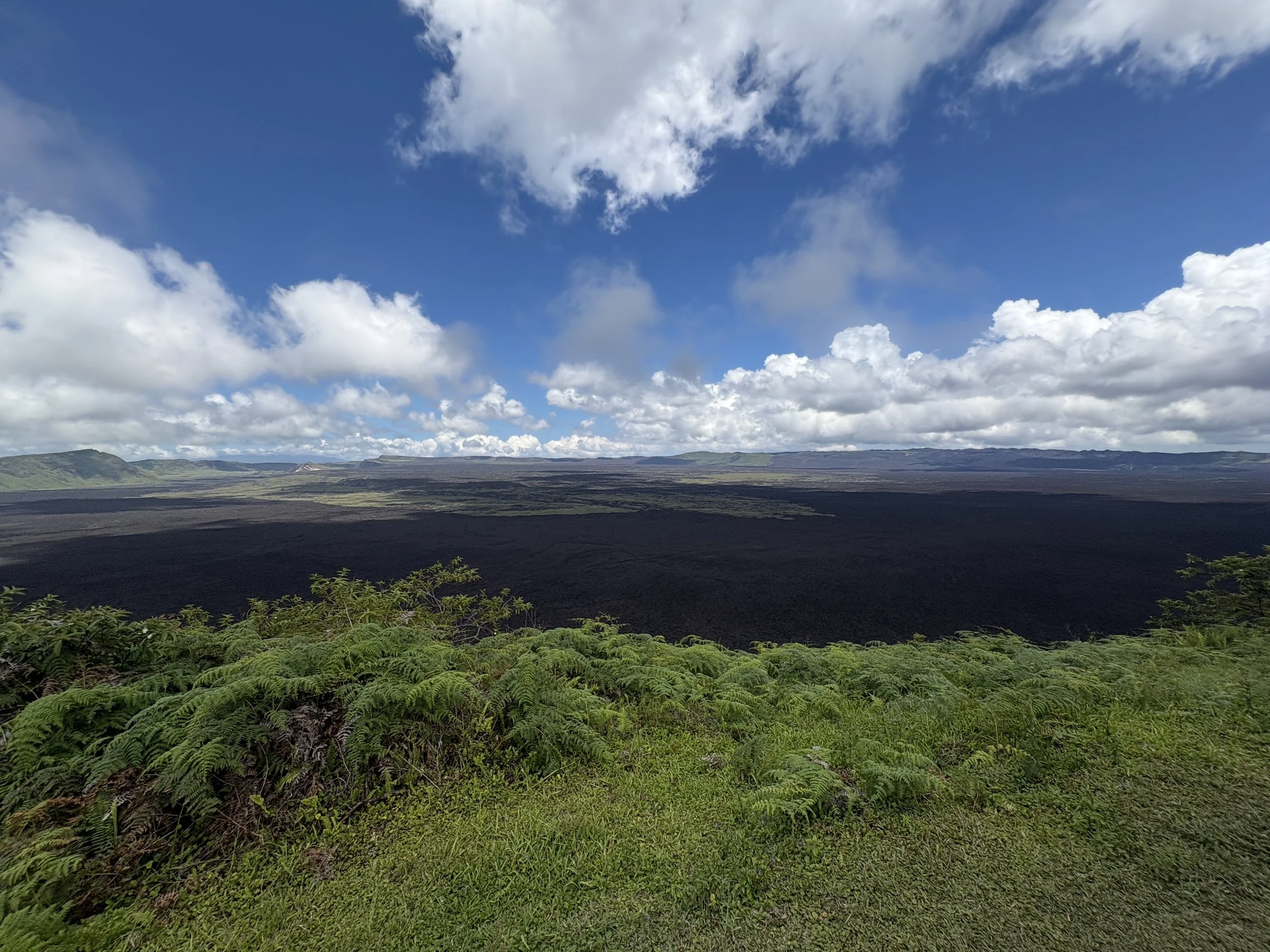
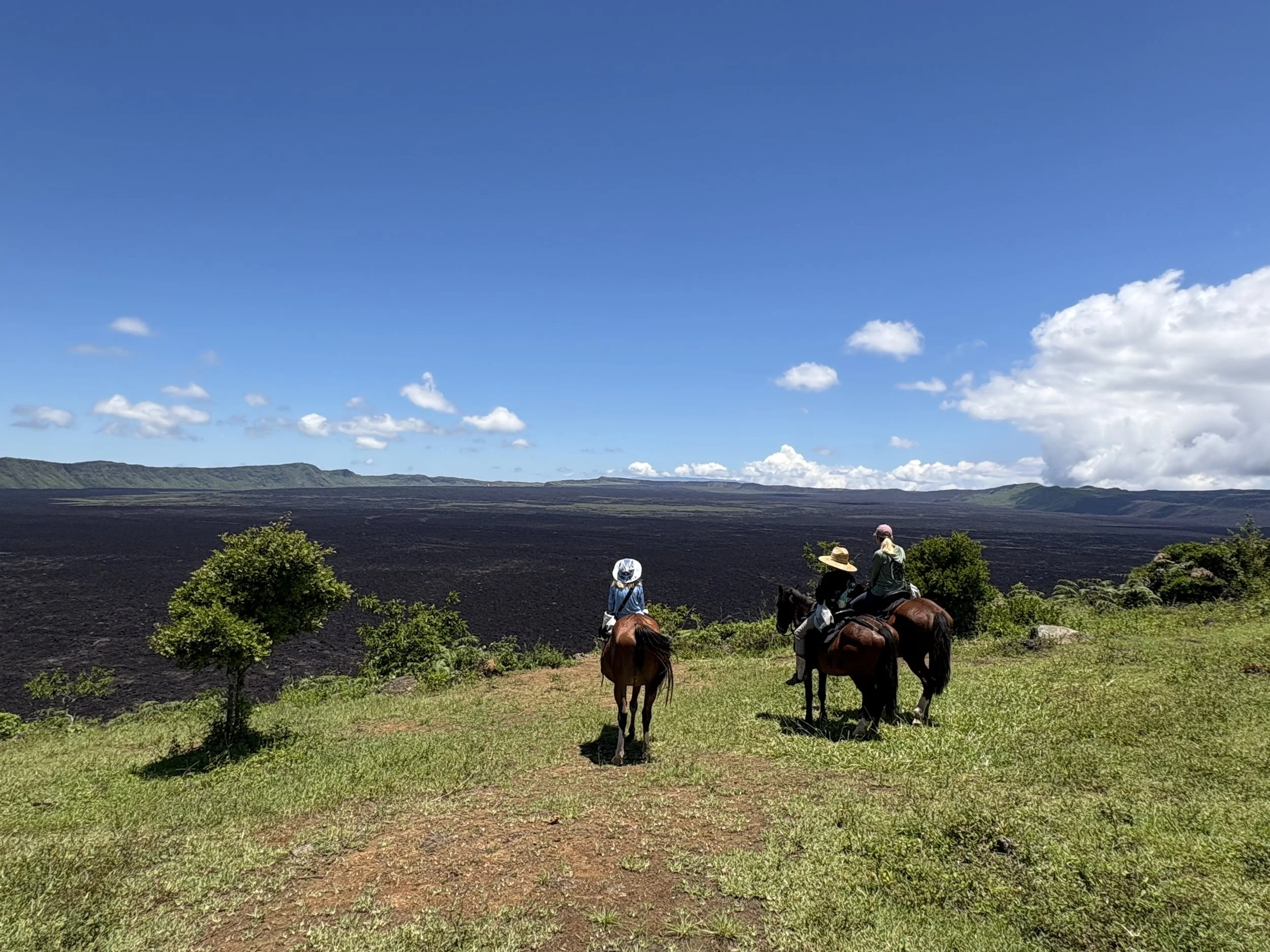
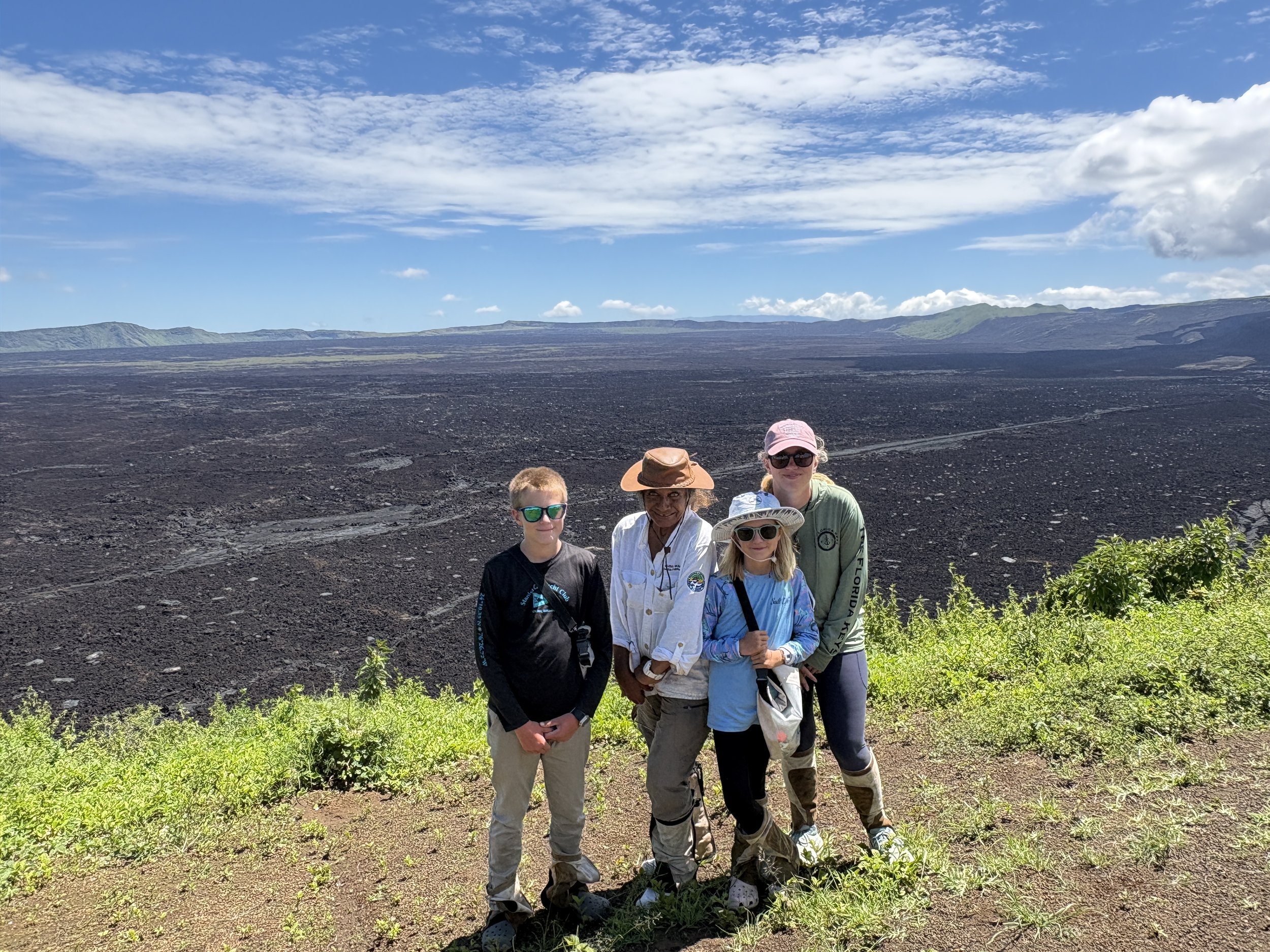
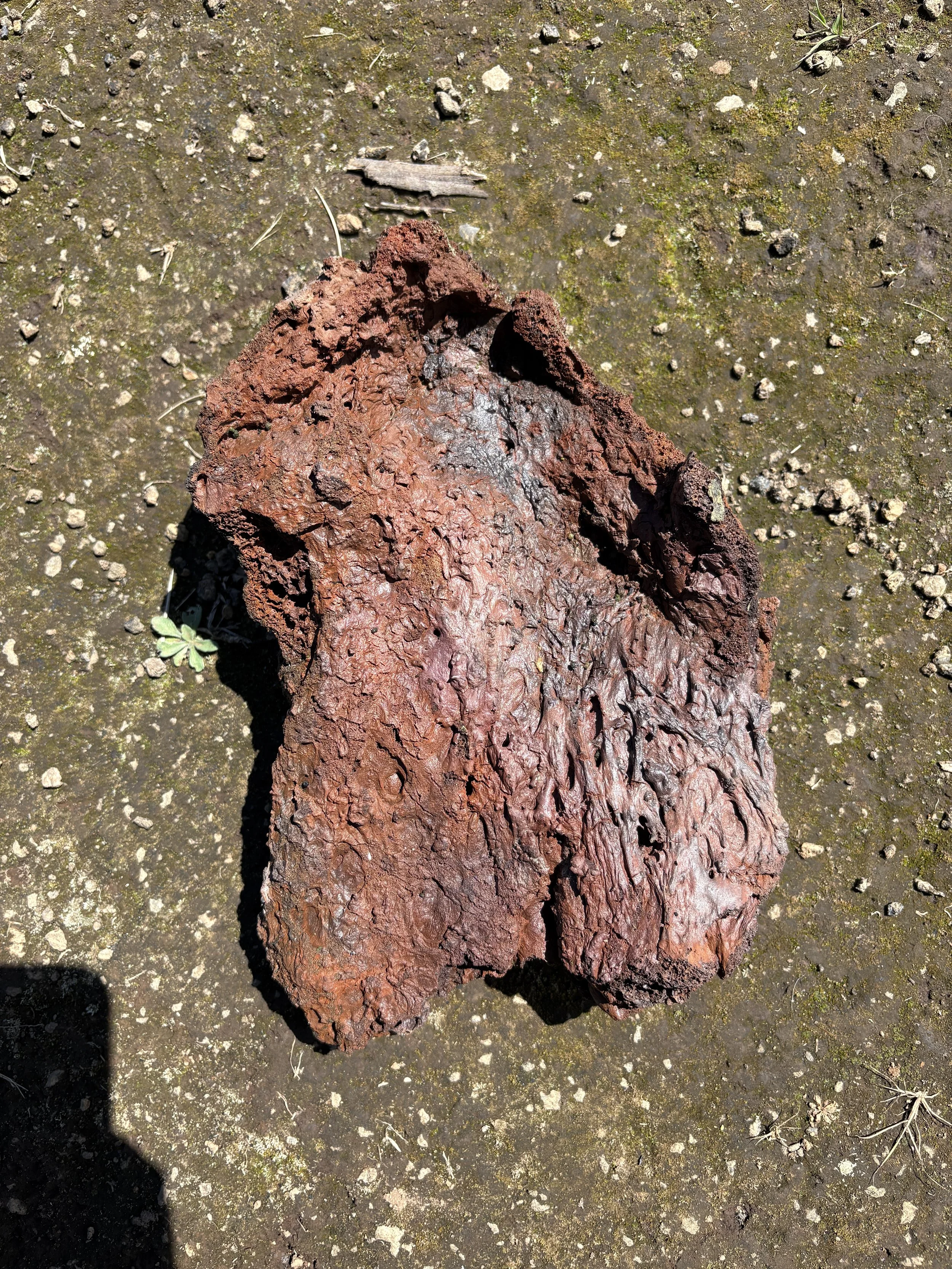
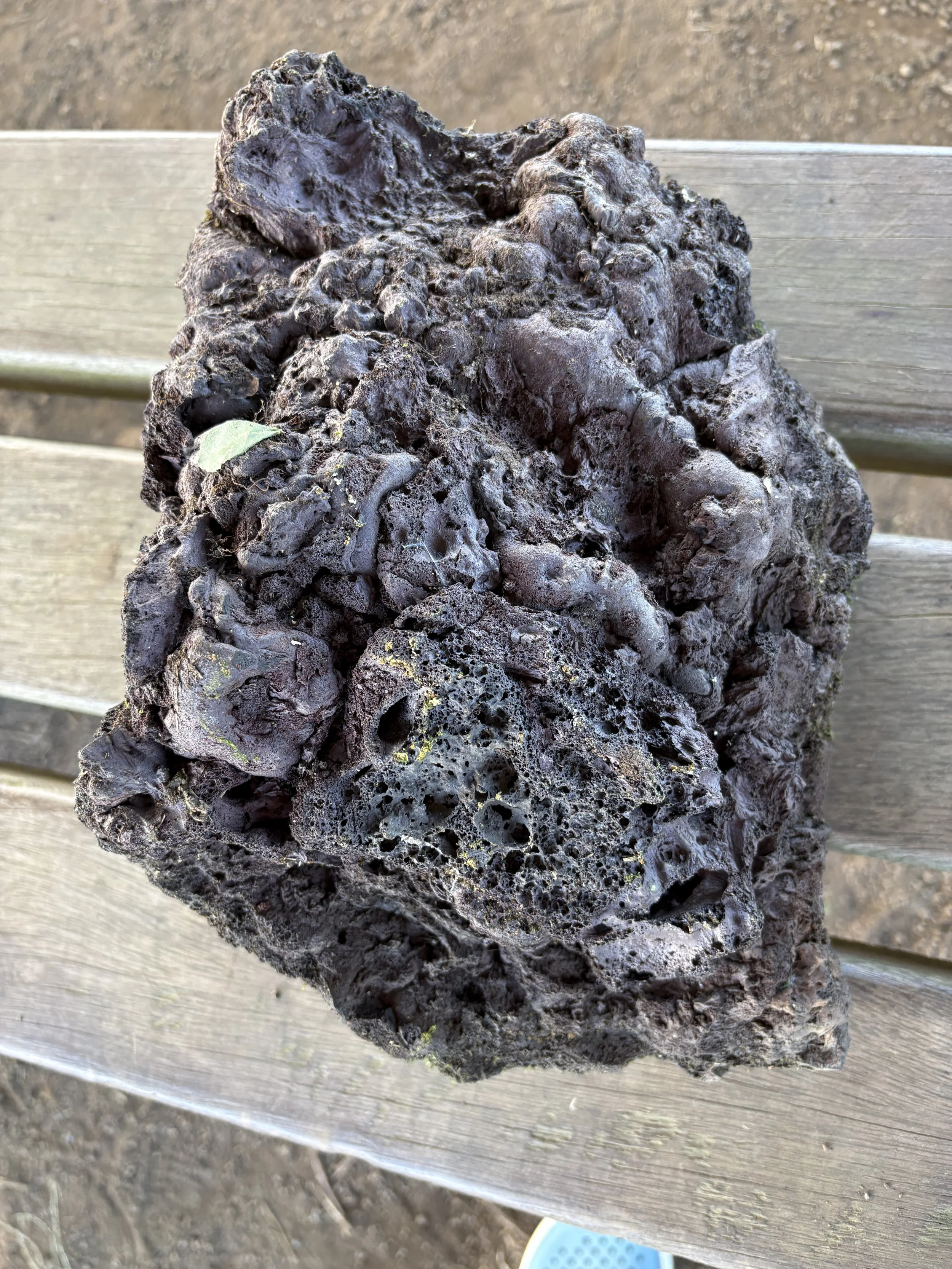
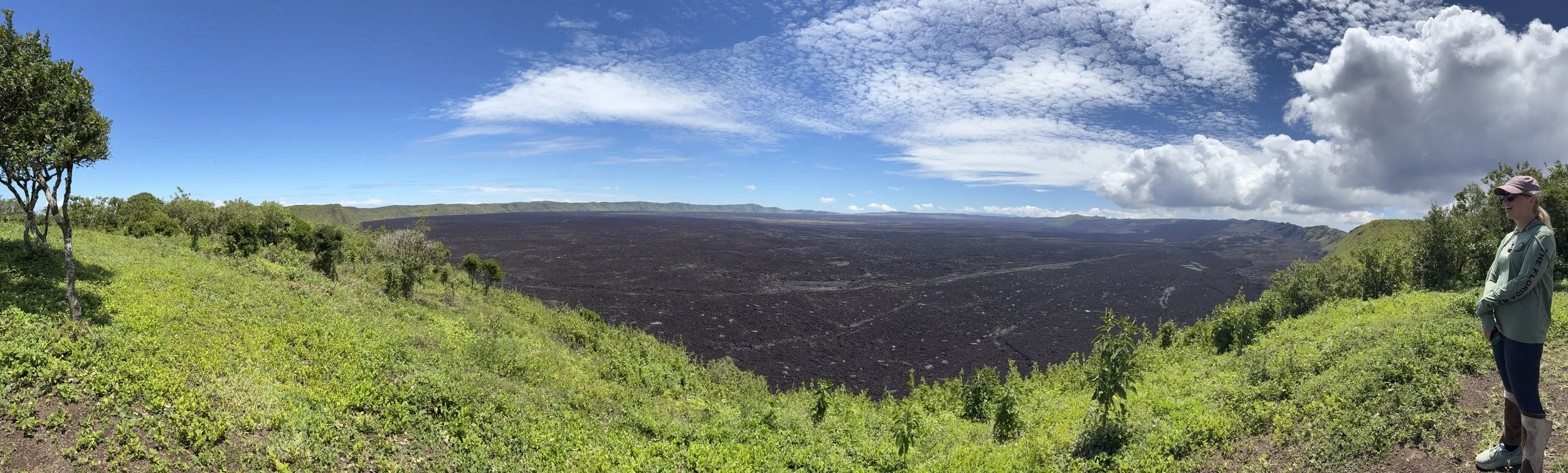
A panoramic of the Sierra Negra crater after lunch.
Later that week, Pete and I left the kids to recover after a few physically demanding days and headed out with a different guide to the other end of the crater to visit the sulphur mines.
The experience couldn’t have been more different.
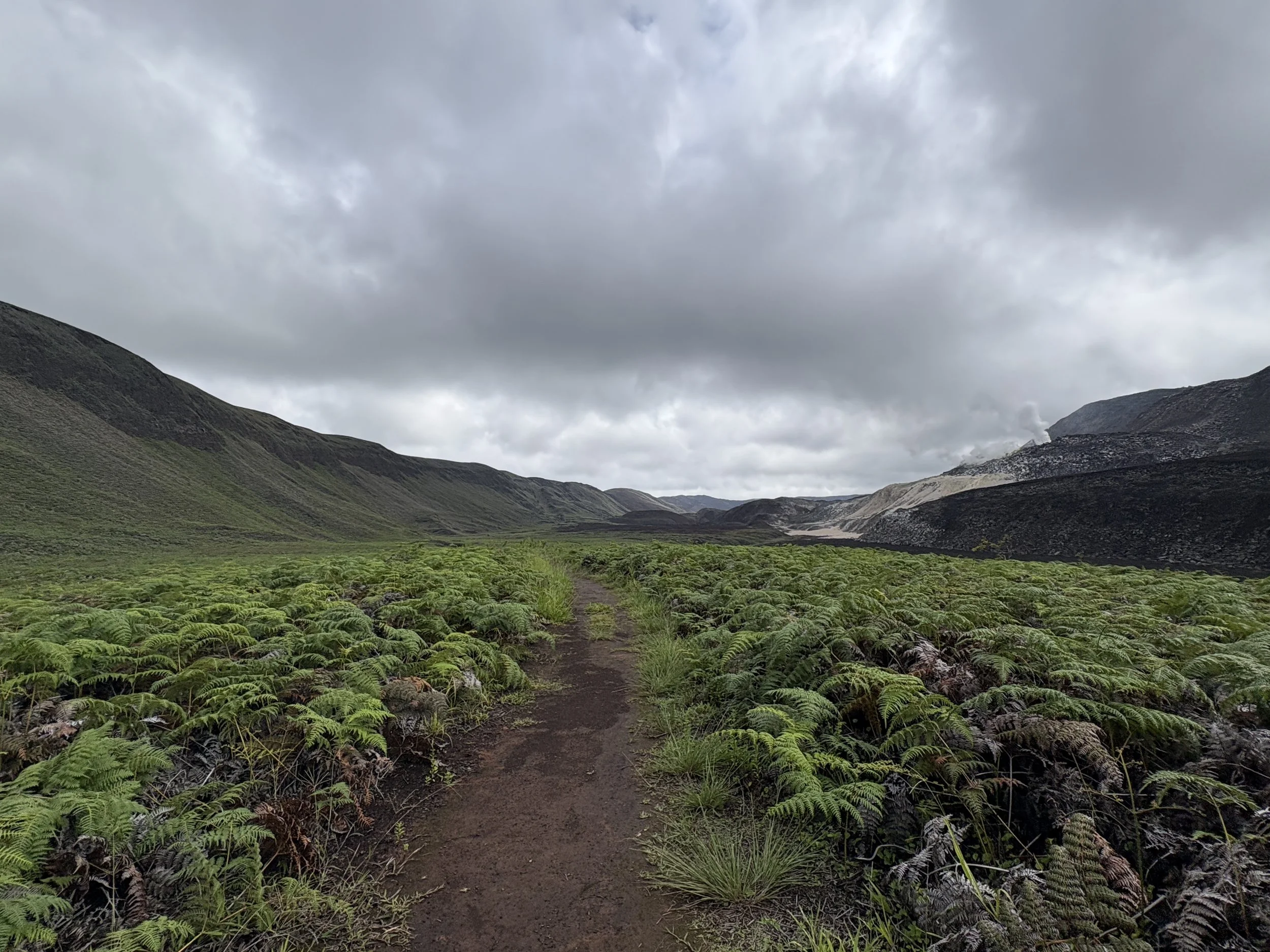
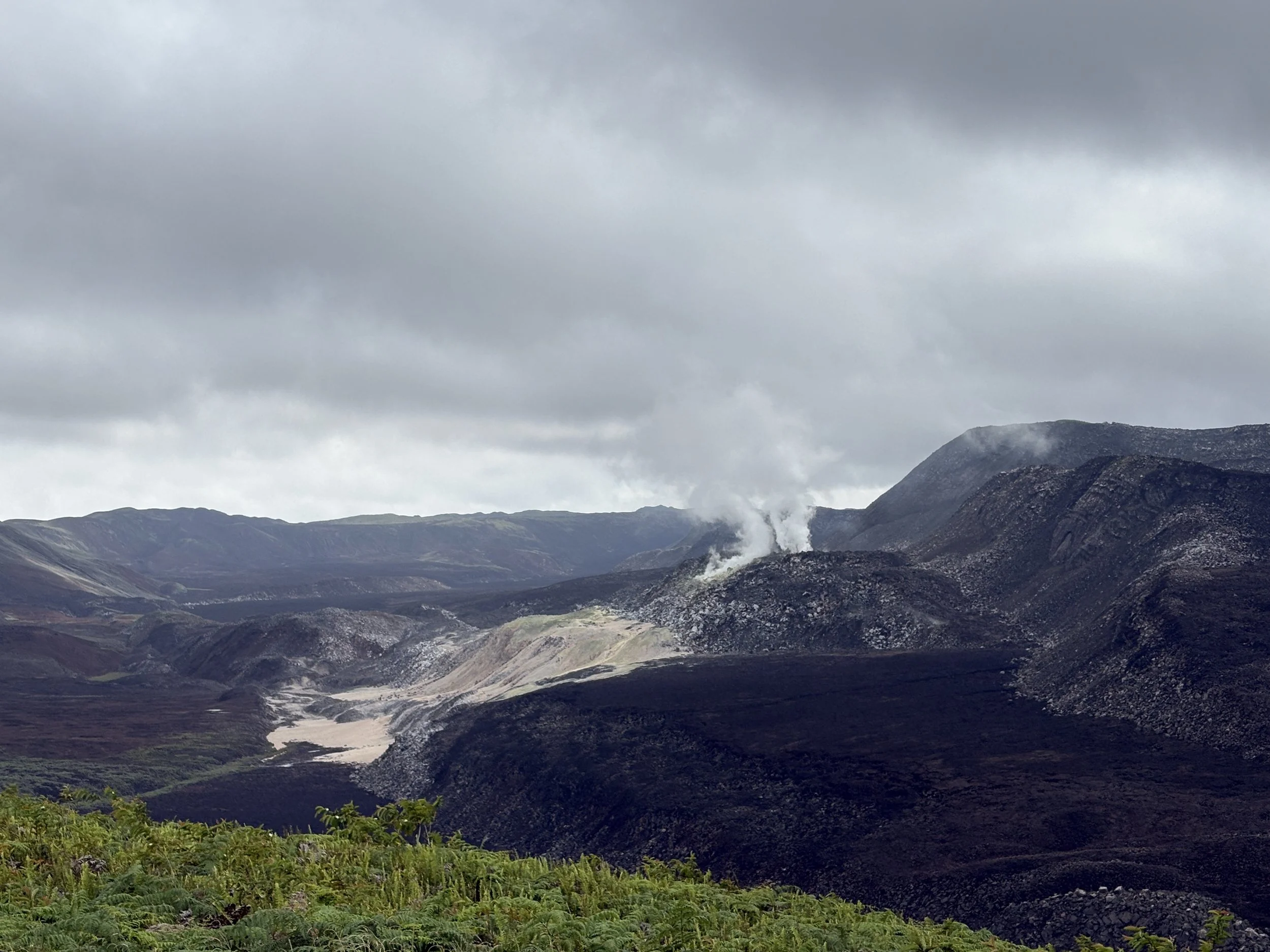
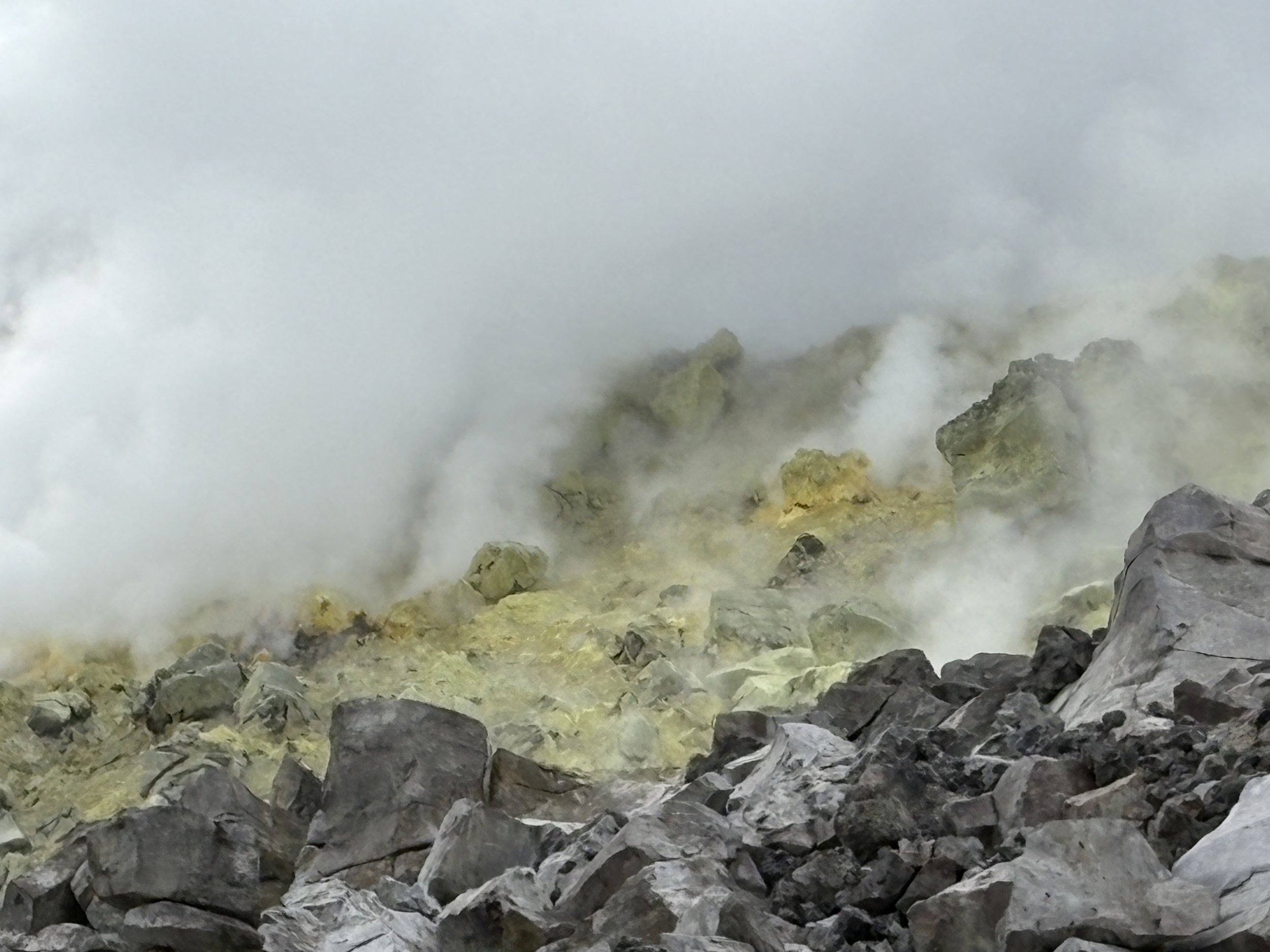
From the rim, we hiked about two miles down to the base, passing through vegetation that only existed in that part of the world. It felt strangely lush—almost alpine—but in the distance you could already see the smoking, poisonous plumes of sulphur dioxide and other gases escaping into the air. As we got closer, the fumes caught in the back of your throat. The ground shifted to a bright, almost surreal yellow as we climbed along the edge of the sulphur field, and the sheer geological force of the place really hit us. In some spots, you could feel the heat rising straight from the ground beneath your feet. Our guide had brought us up early, so we beat the other tour groups and found ourselves sitting in silence on huge boulders beside the venting earth. You could actually hear it—this low, constant hissing as the gases escaped—something we would never have noticed without someone pointing it out.
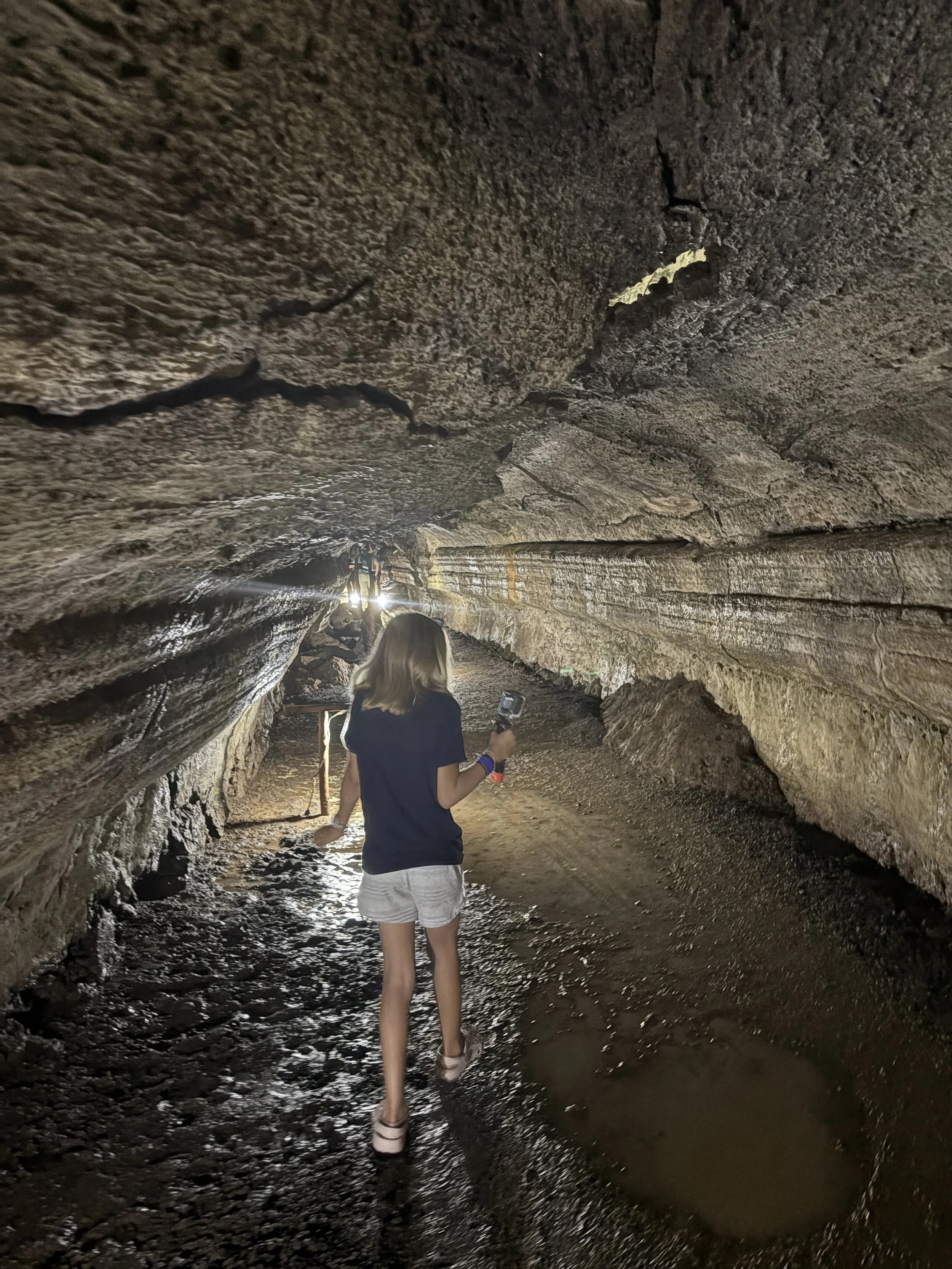
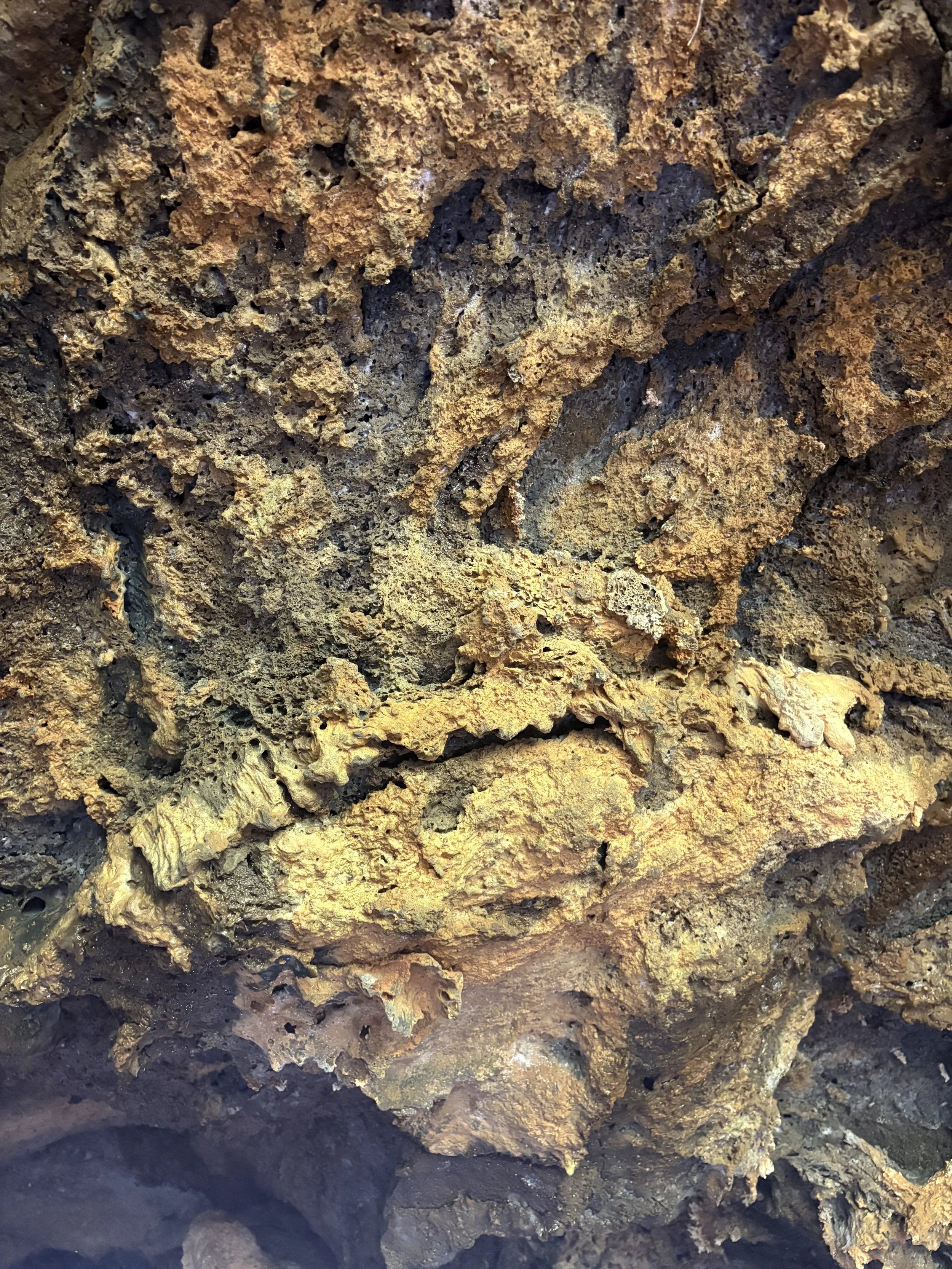
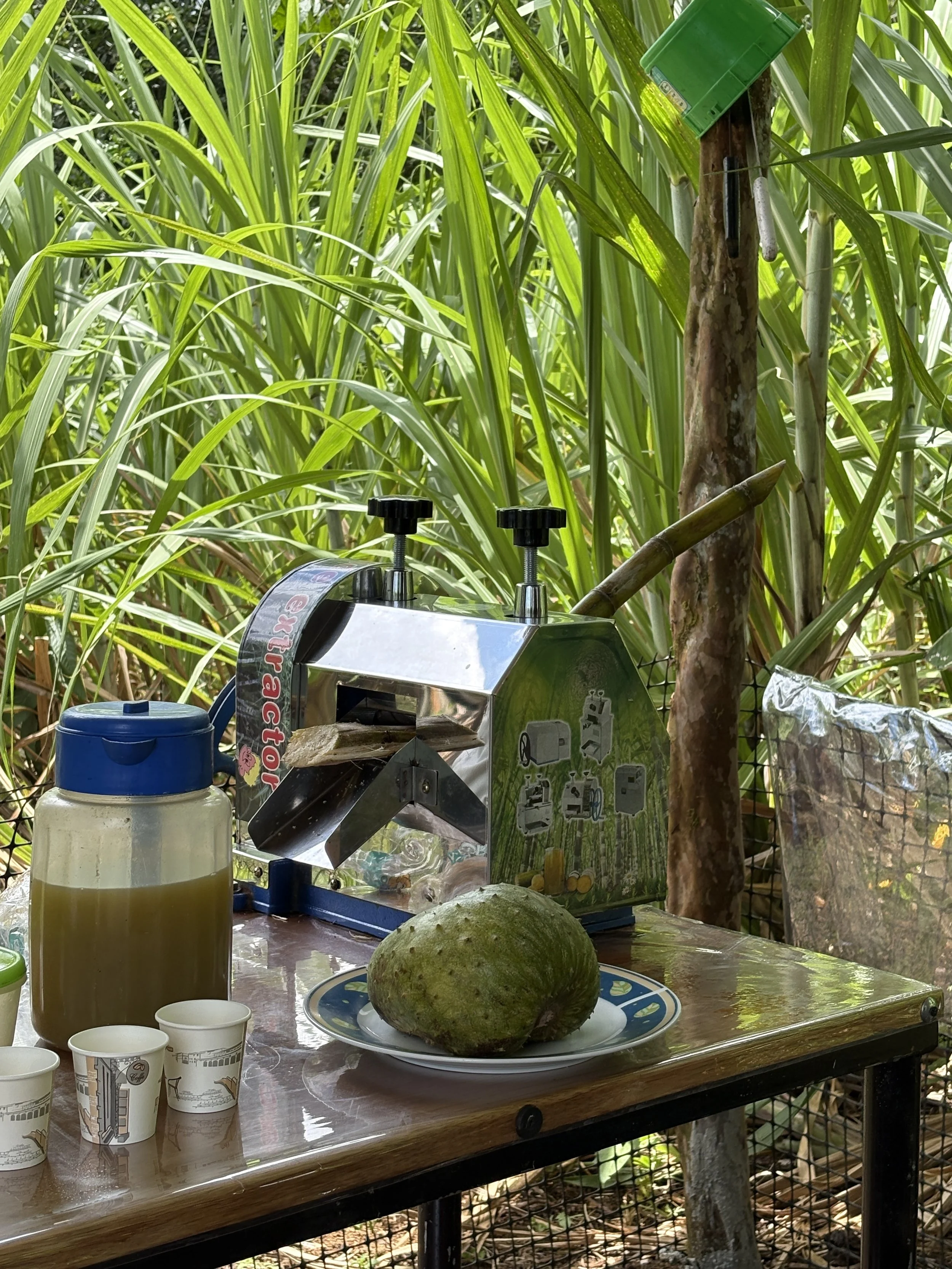
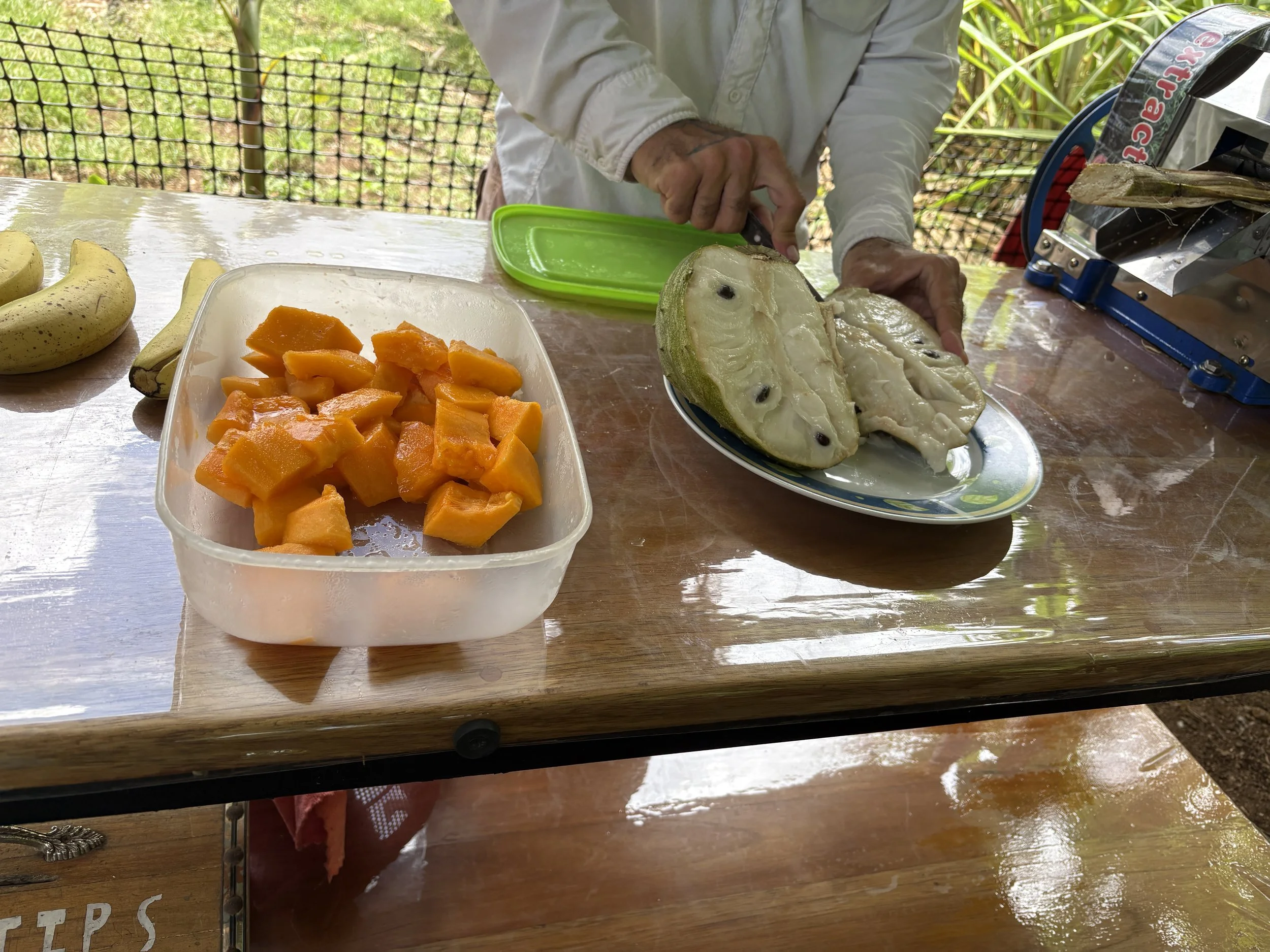
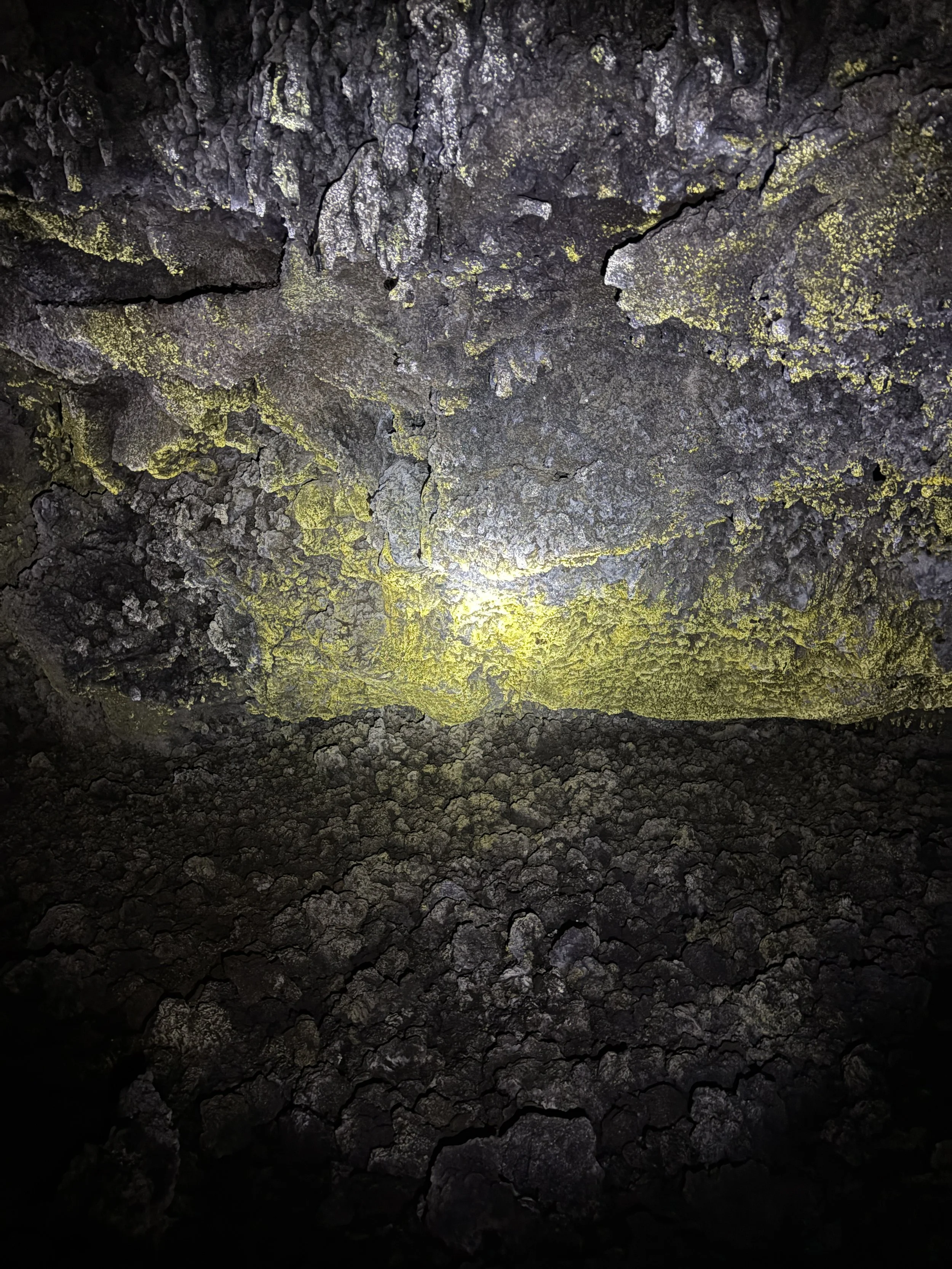
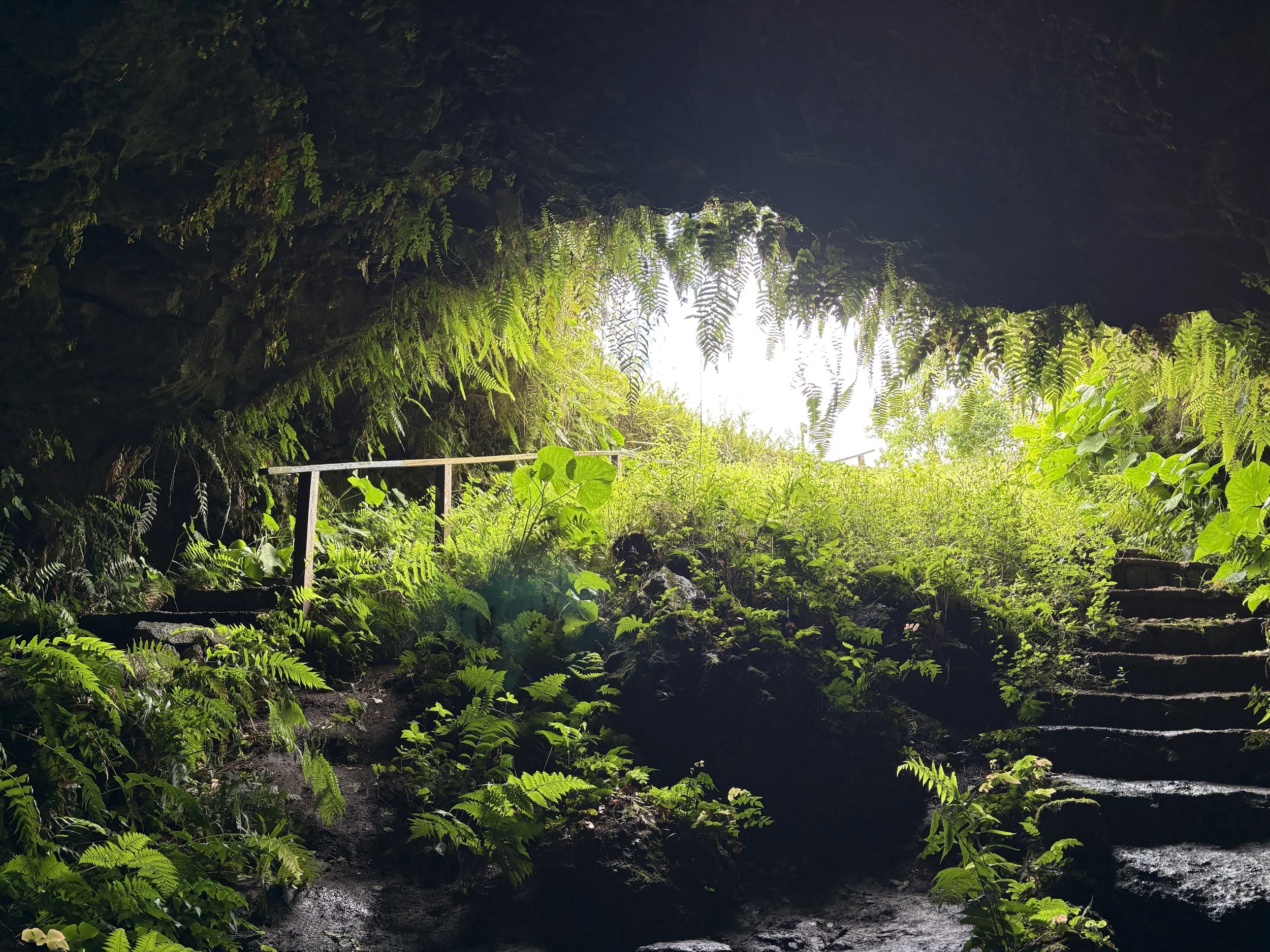
And then, just as we started descending the far side, we skirted around something completely unexpected: a not-insignificant WWII bomb. Apparently dropped by the Americans when this part of the Galápagos was used for target practice, it never detonated and now just sits there—without its trigger… apparently. On our way home we stopped at a local farm to try papaya and sour-sop fruits straight off the trees, and freshly squeezed sugarcane juice. We also got to see more lava tunnels with a seemingly gold ceiling in the torch light. Magical.
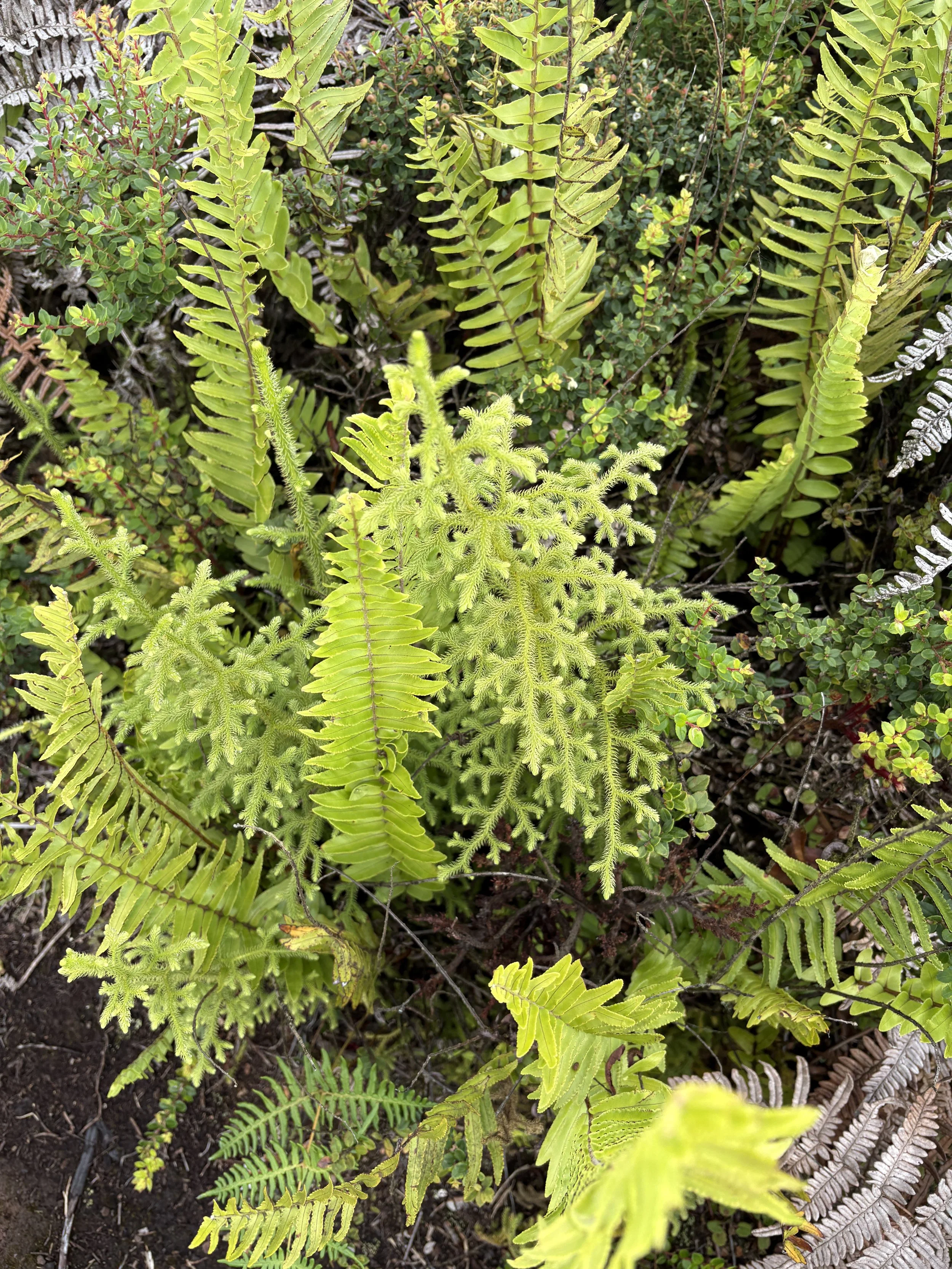
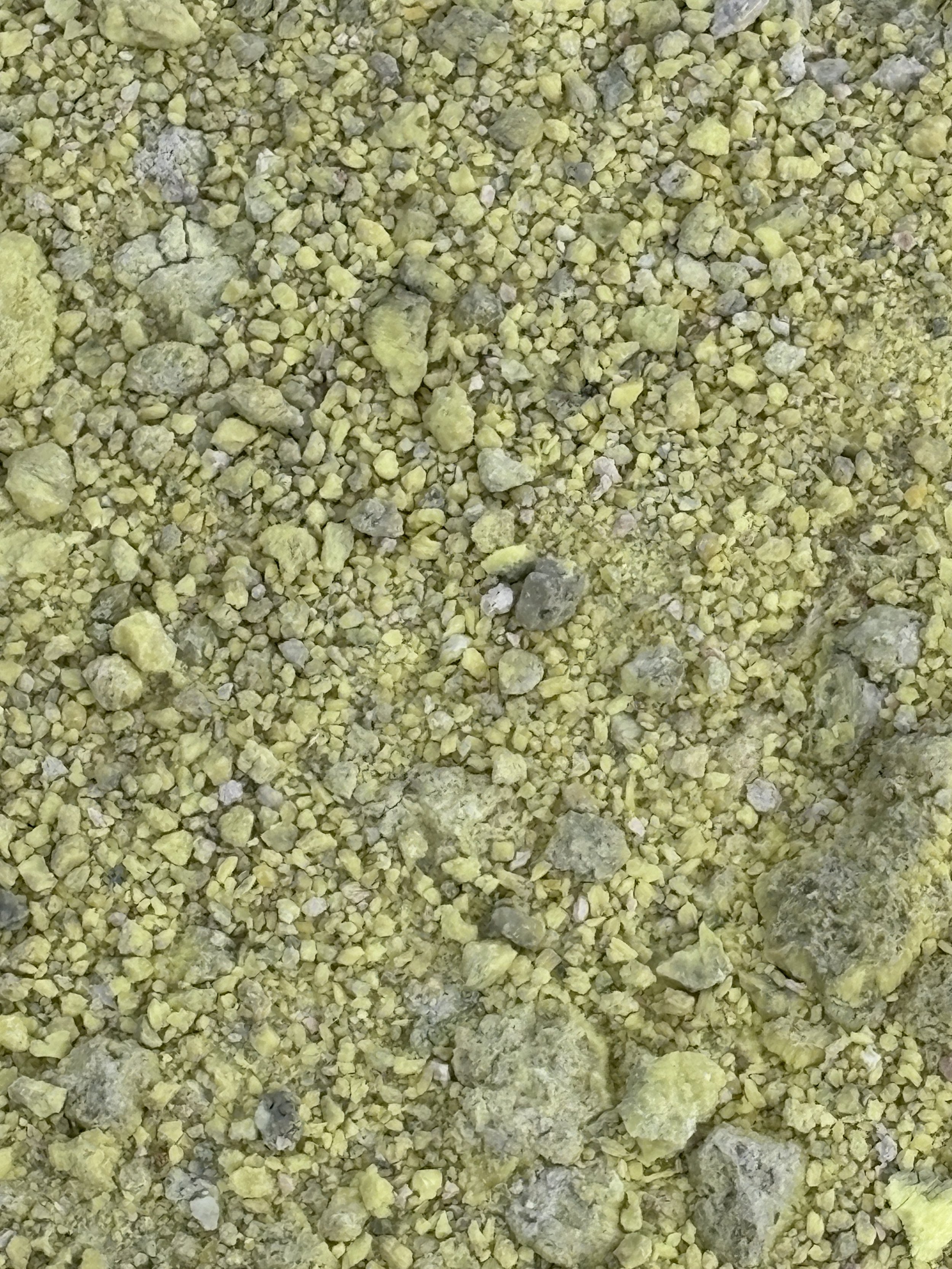
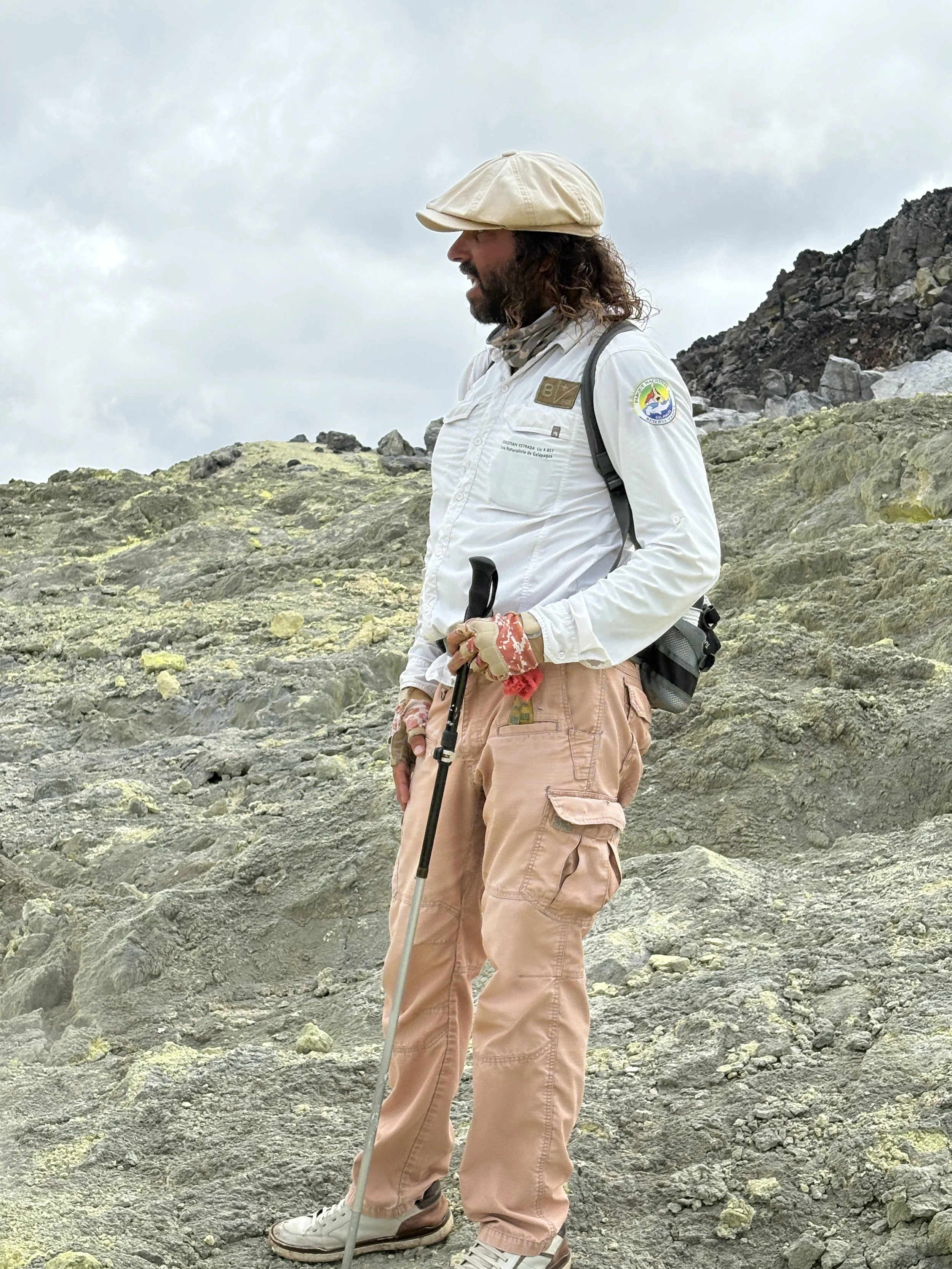
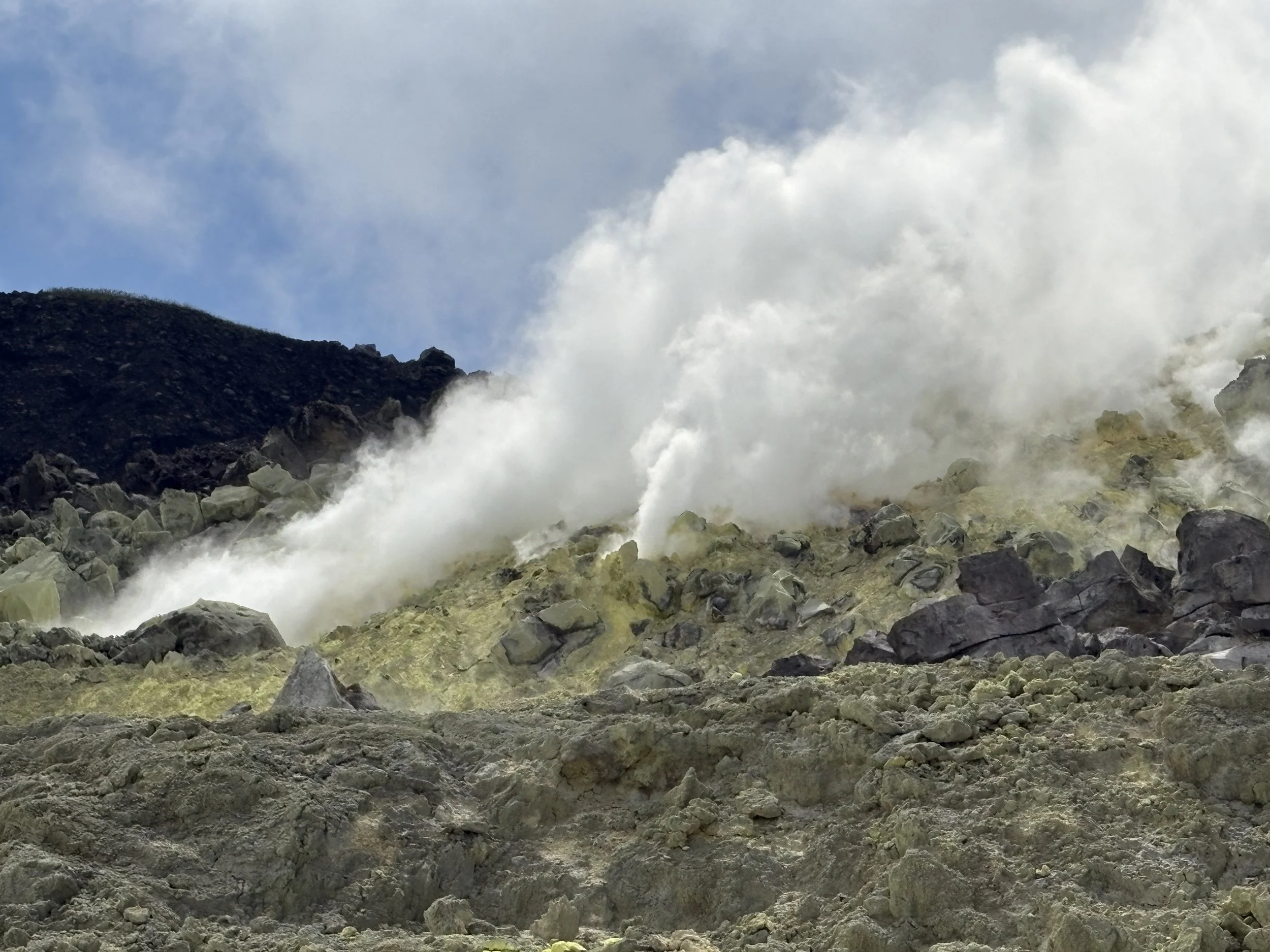
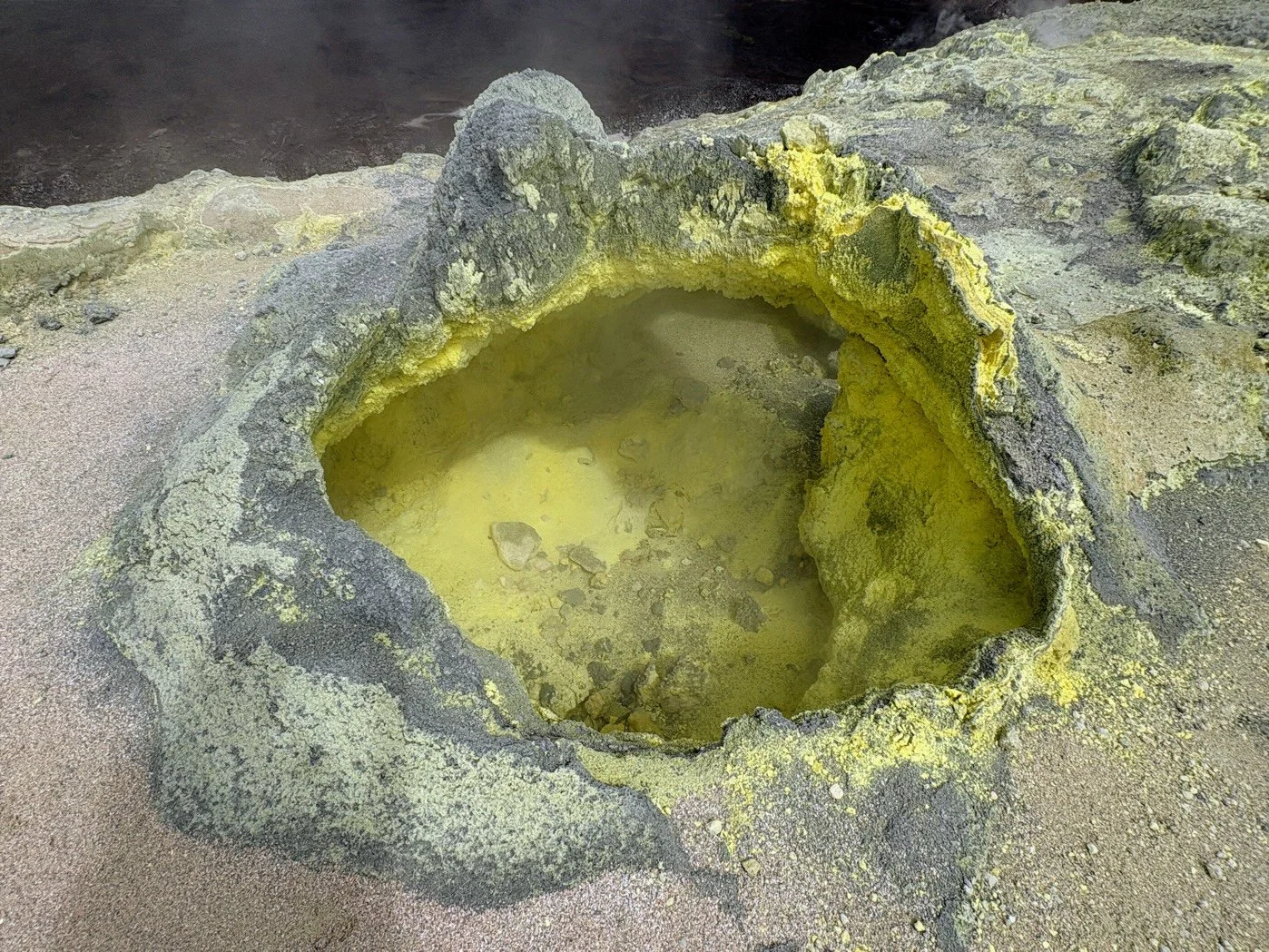
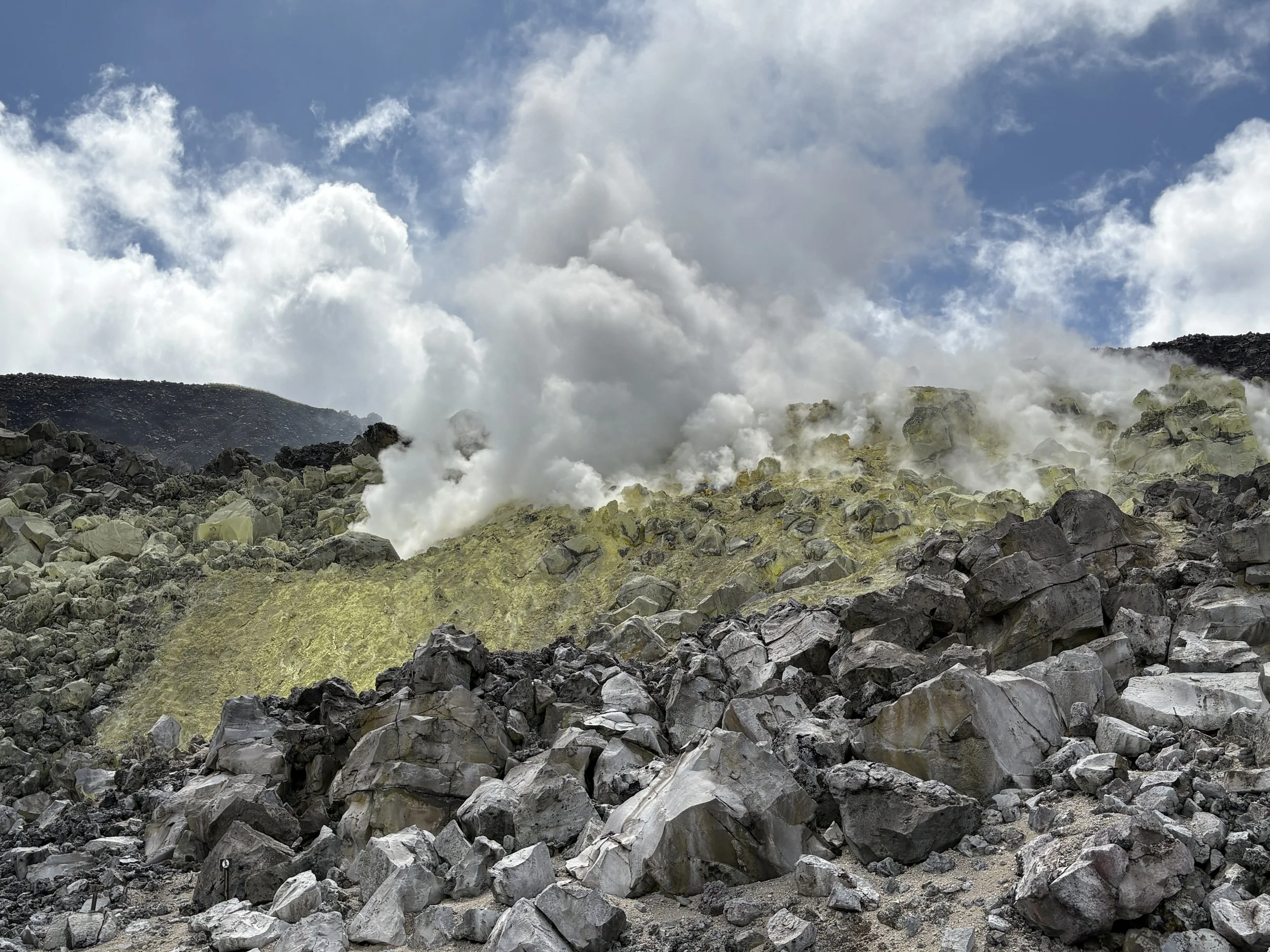
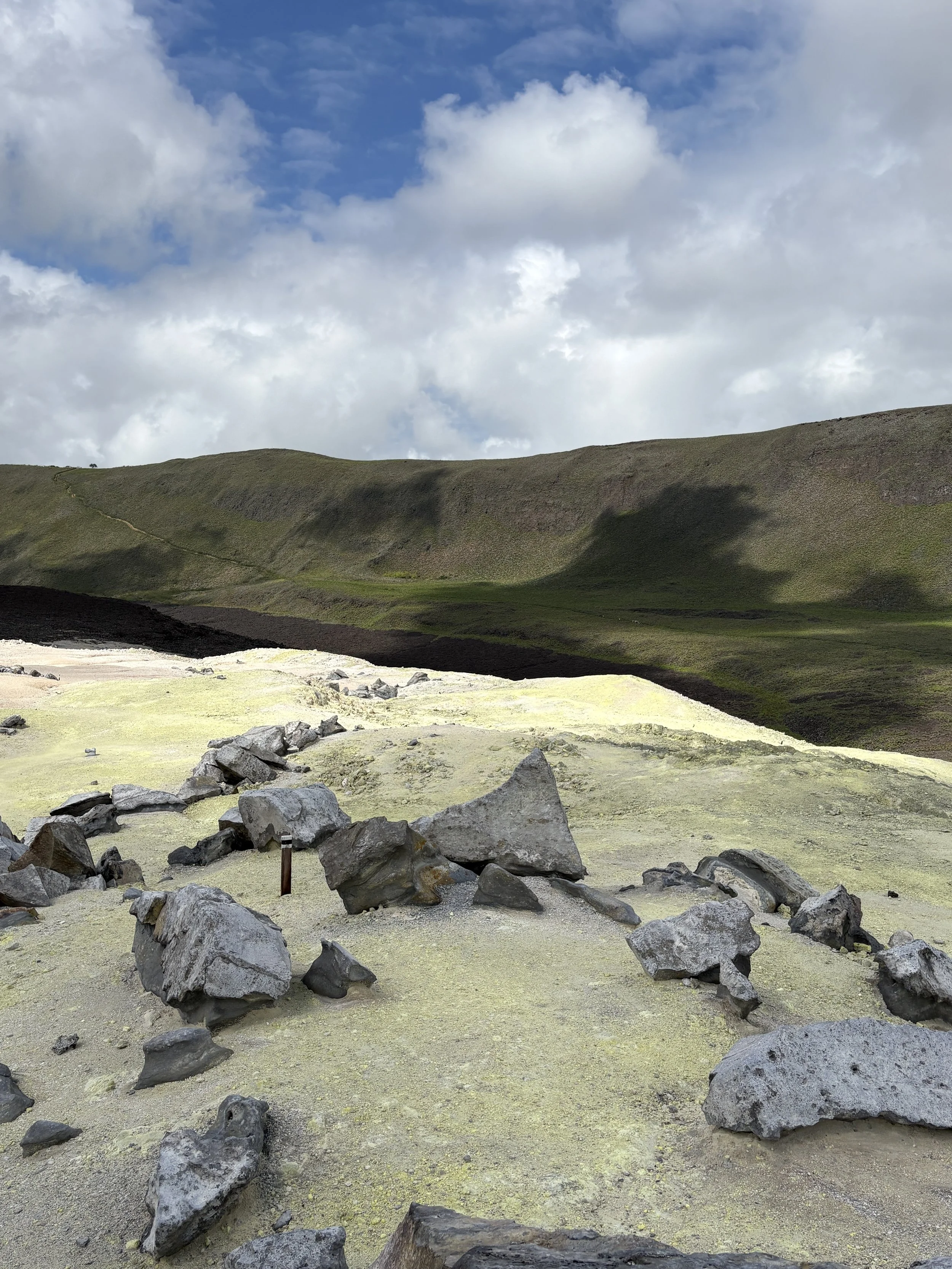
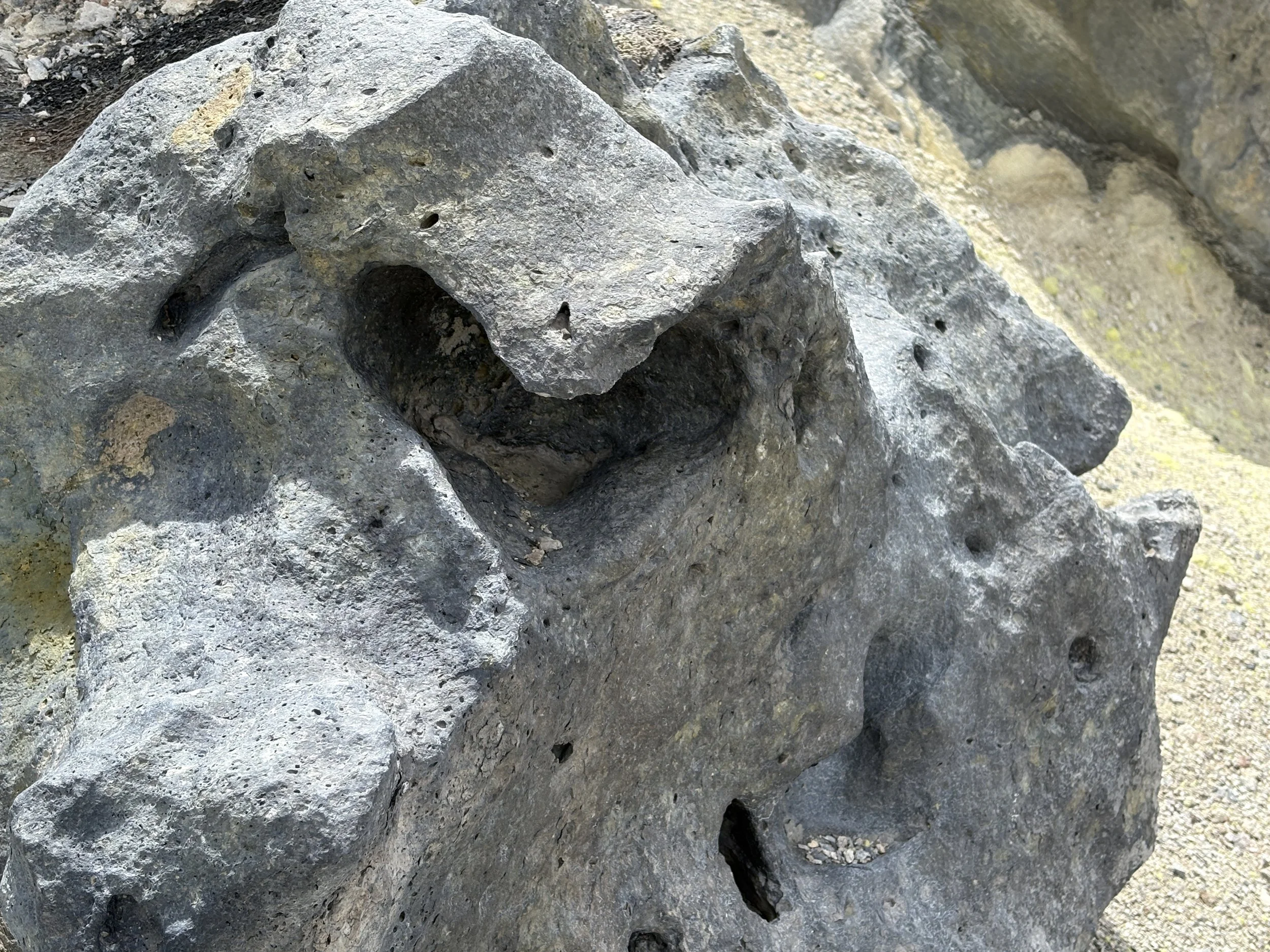
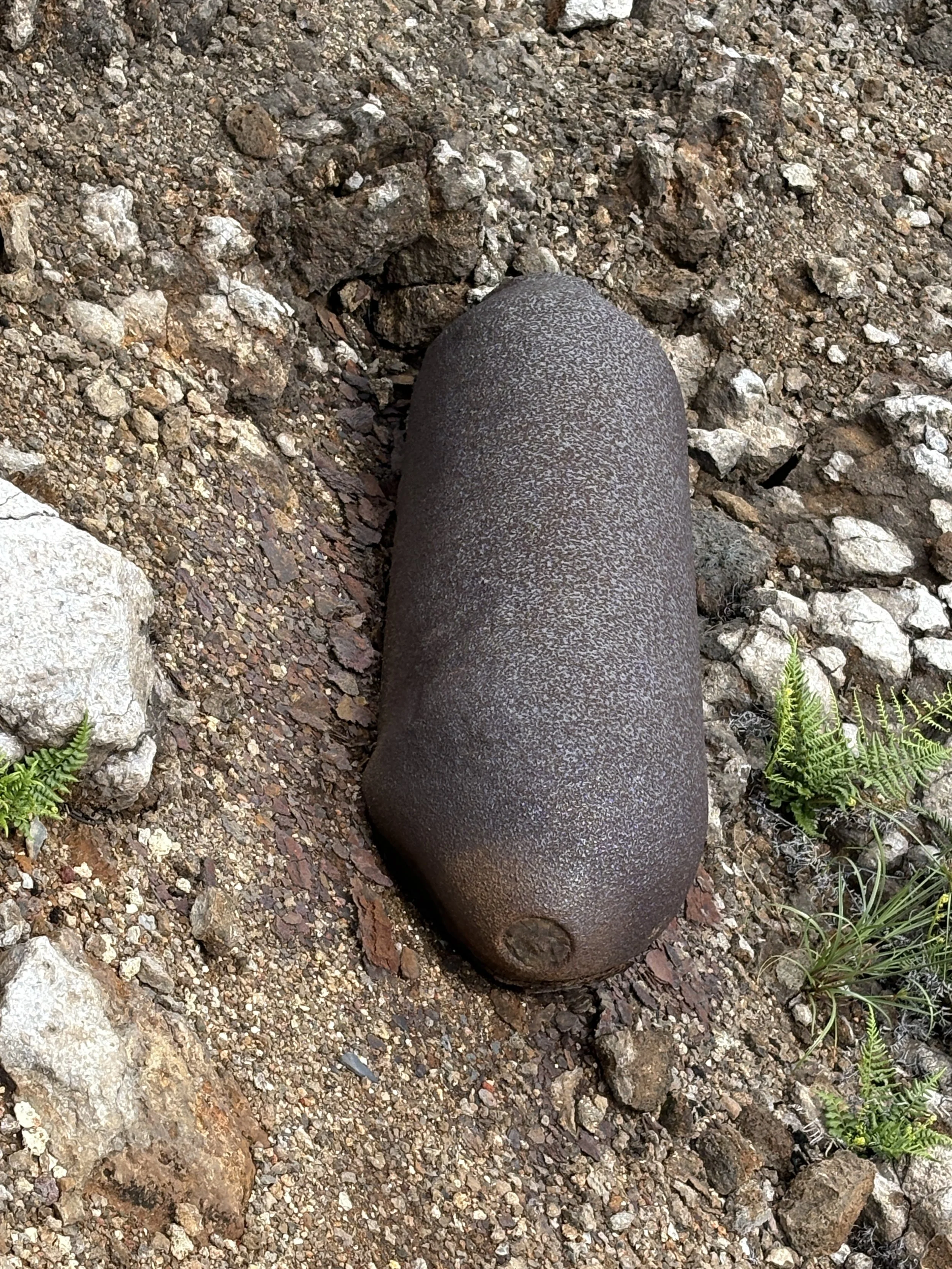
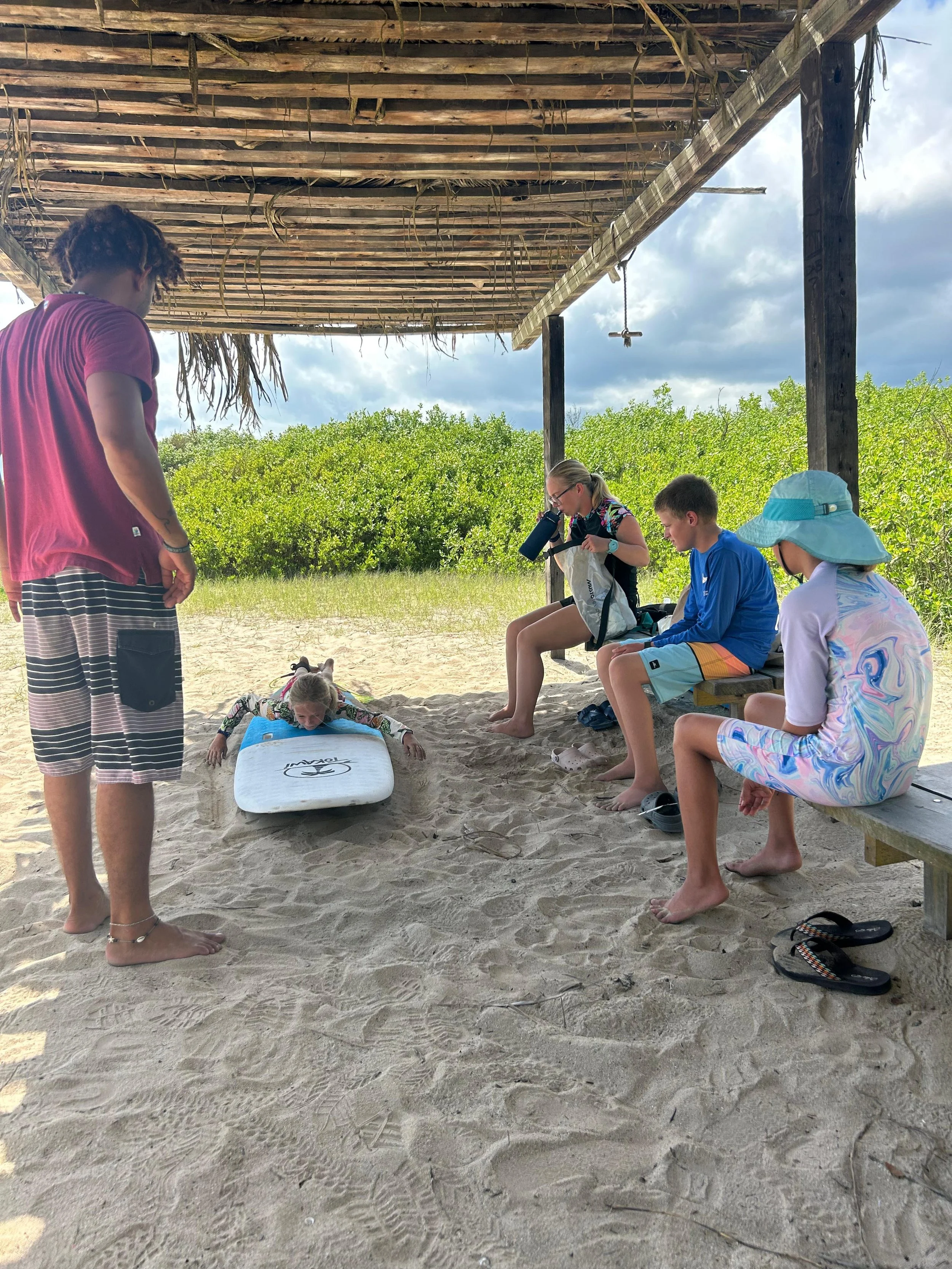
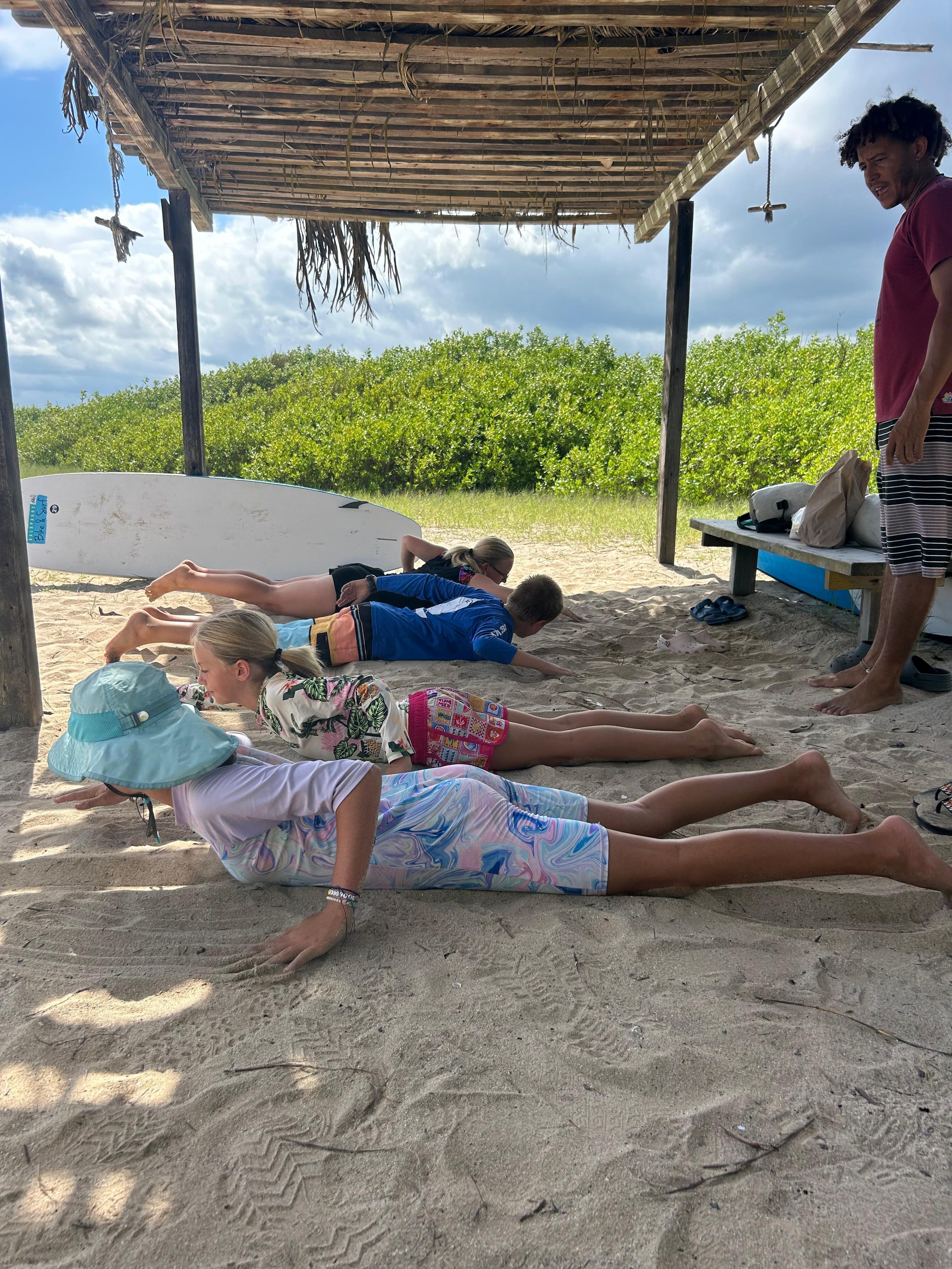
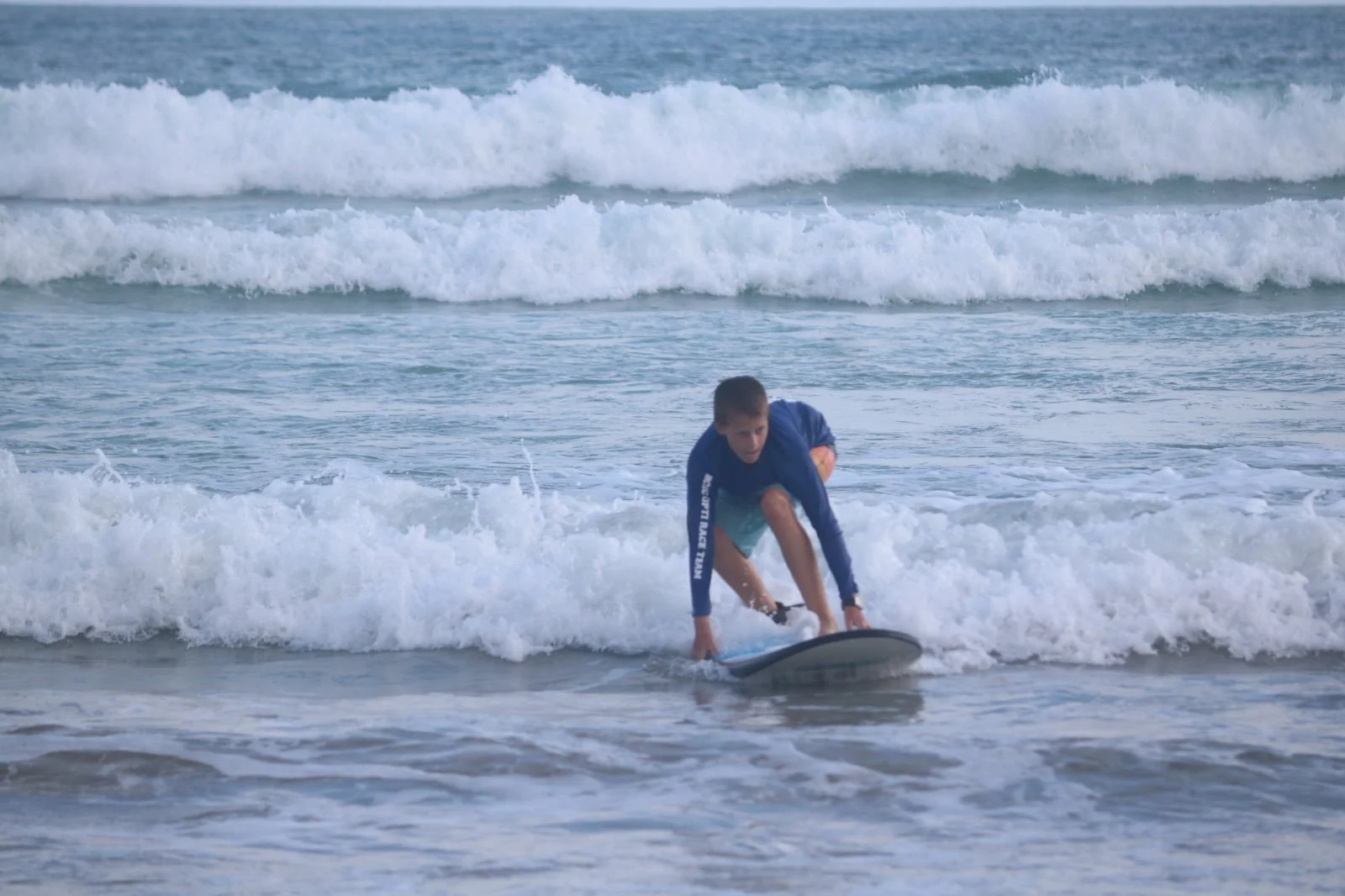
The kids were kept busy with plenty of new experiences—some better than others—while we were in Isabela.
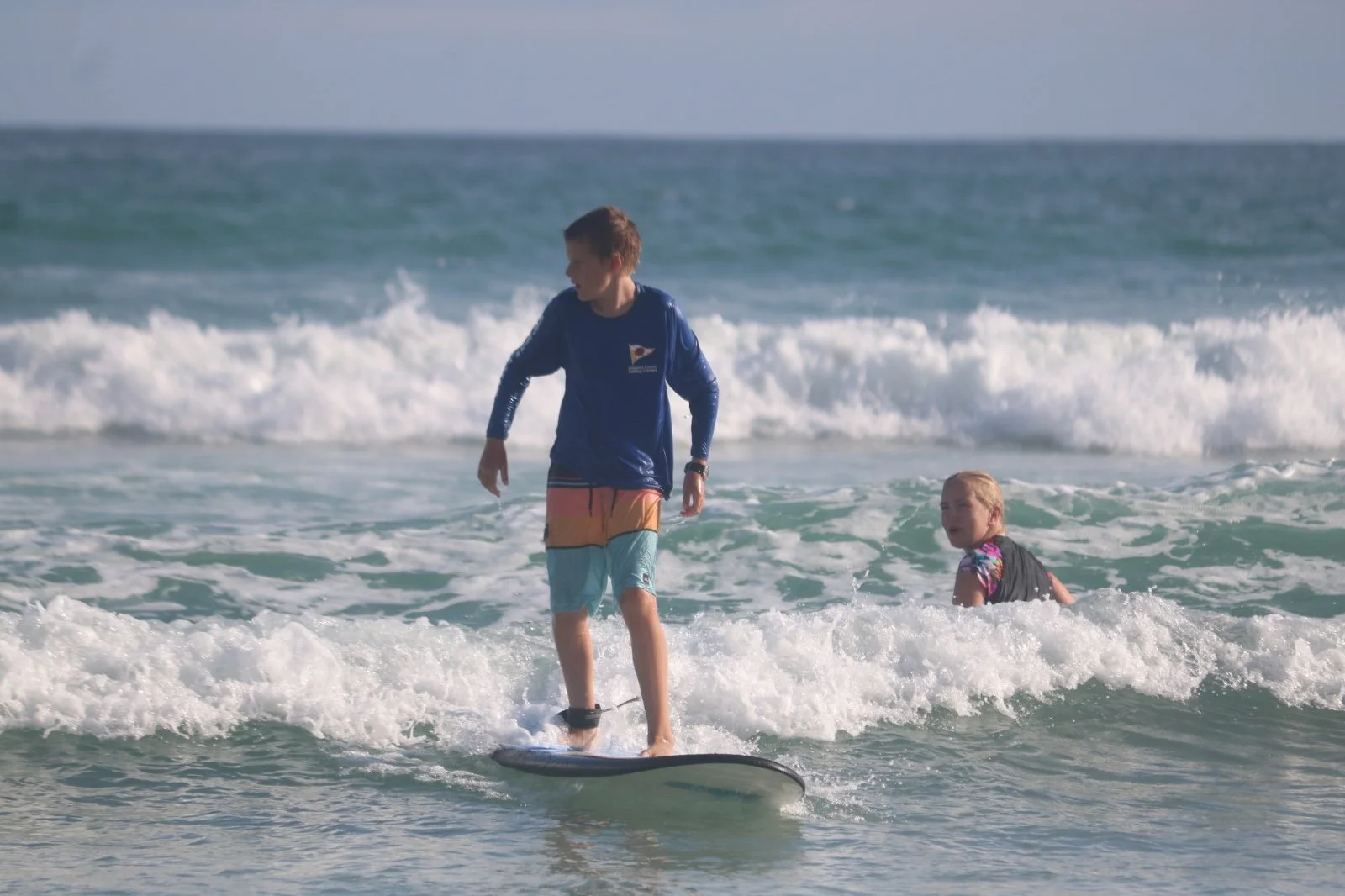
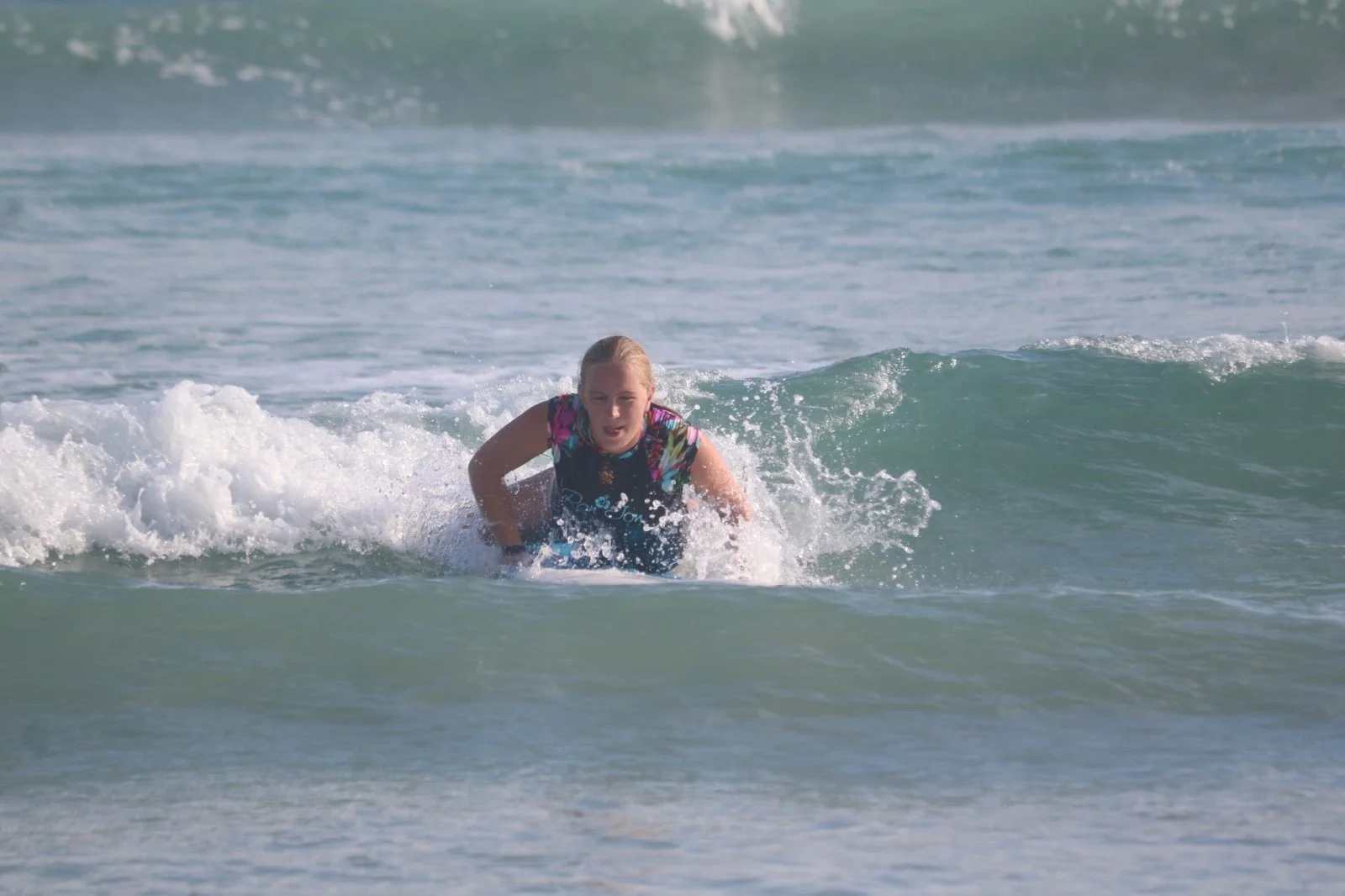
They all tried surfing for the first time with a friend from another boat in the anchorage. Oscar and Annabelle took to it like ducks to water, so much so that we now have two learner boards on board, picked up from local surf shops in the Galápagos before we set sail—knowing that French Polynesia has some of the best waves in the world. The waves in Isabela were perfect for beginners—just the right size to build confidence.
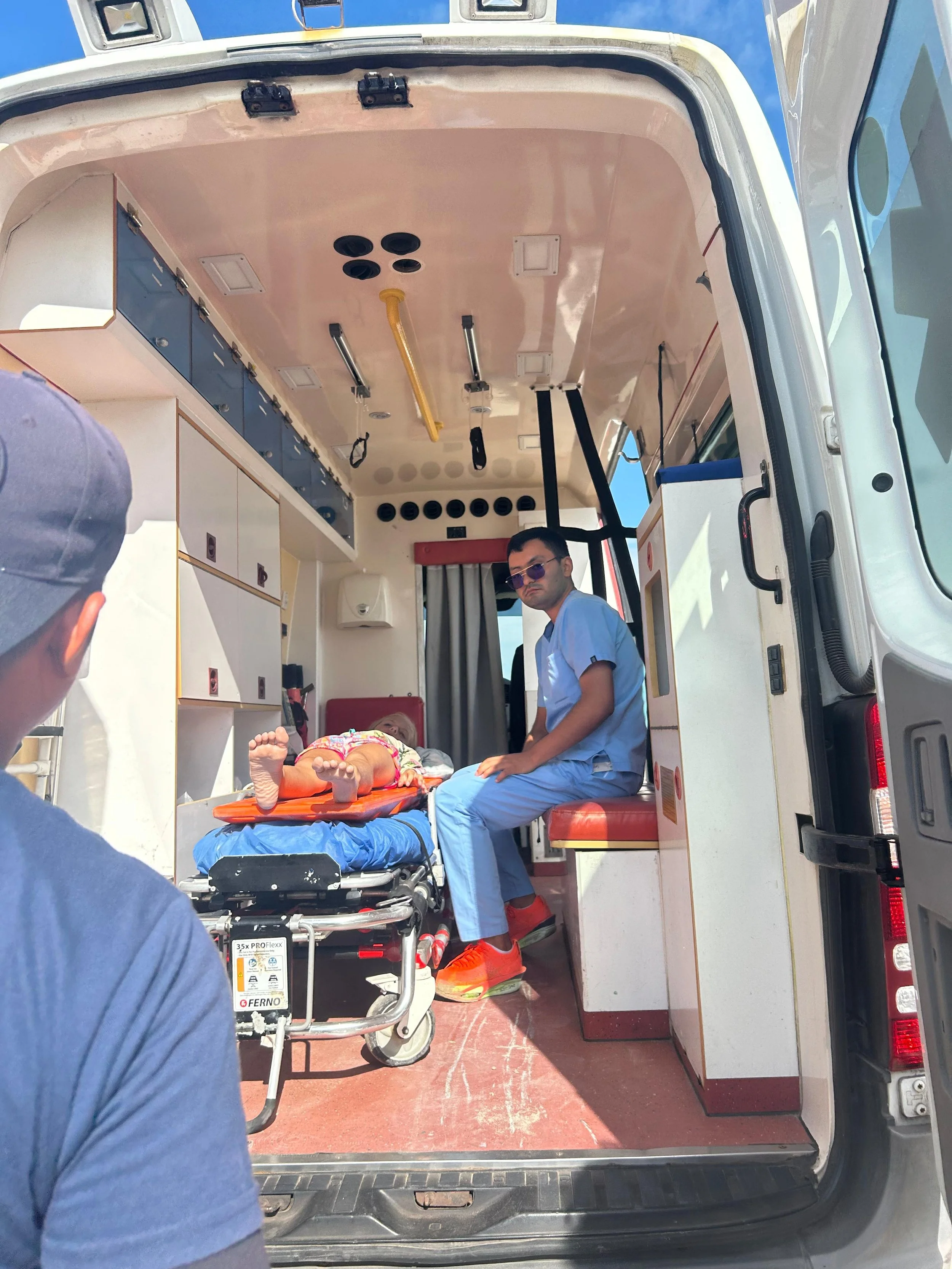
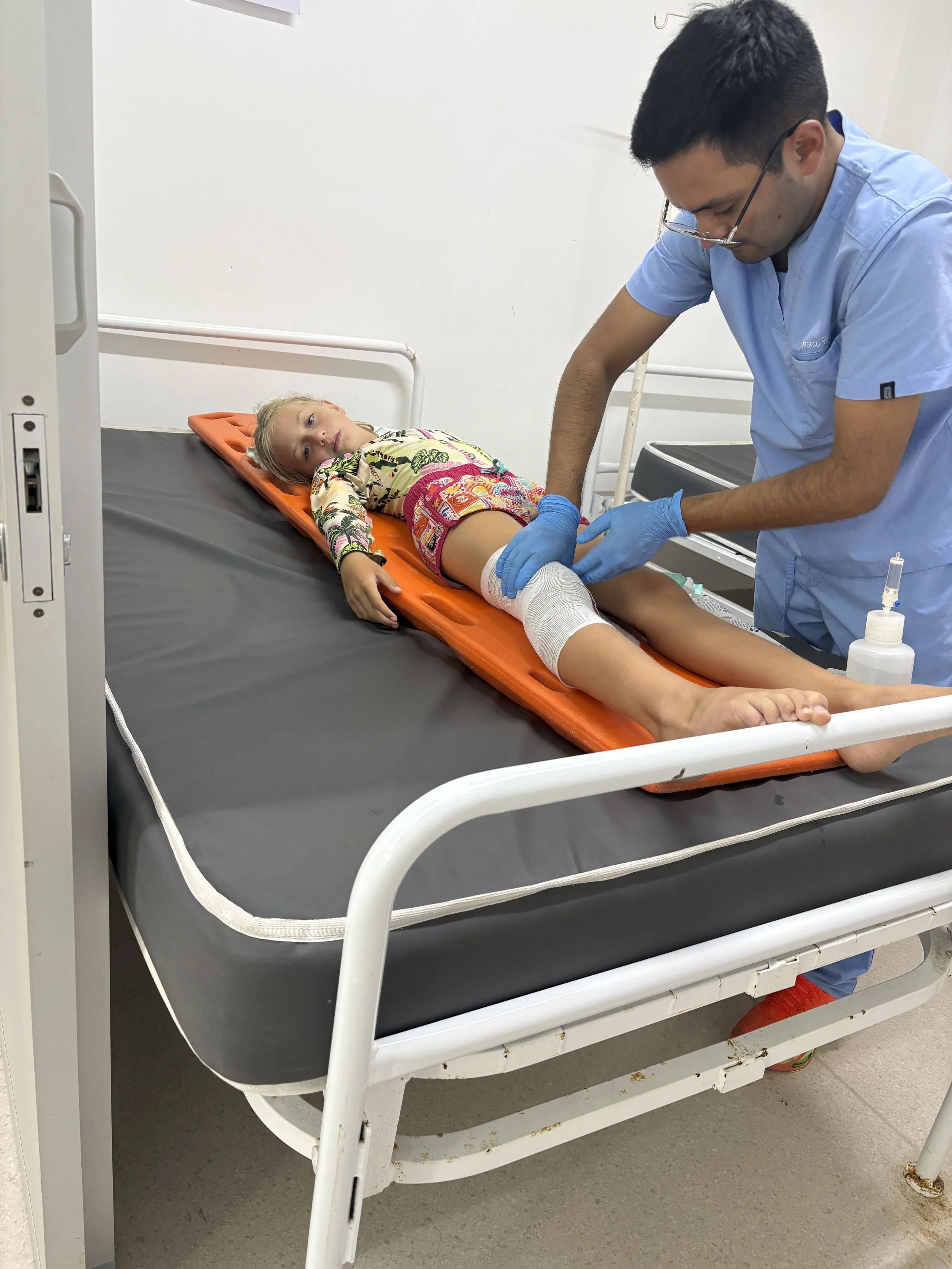
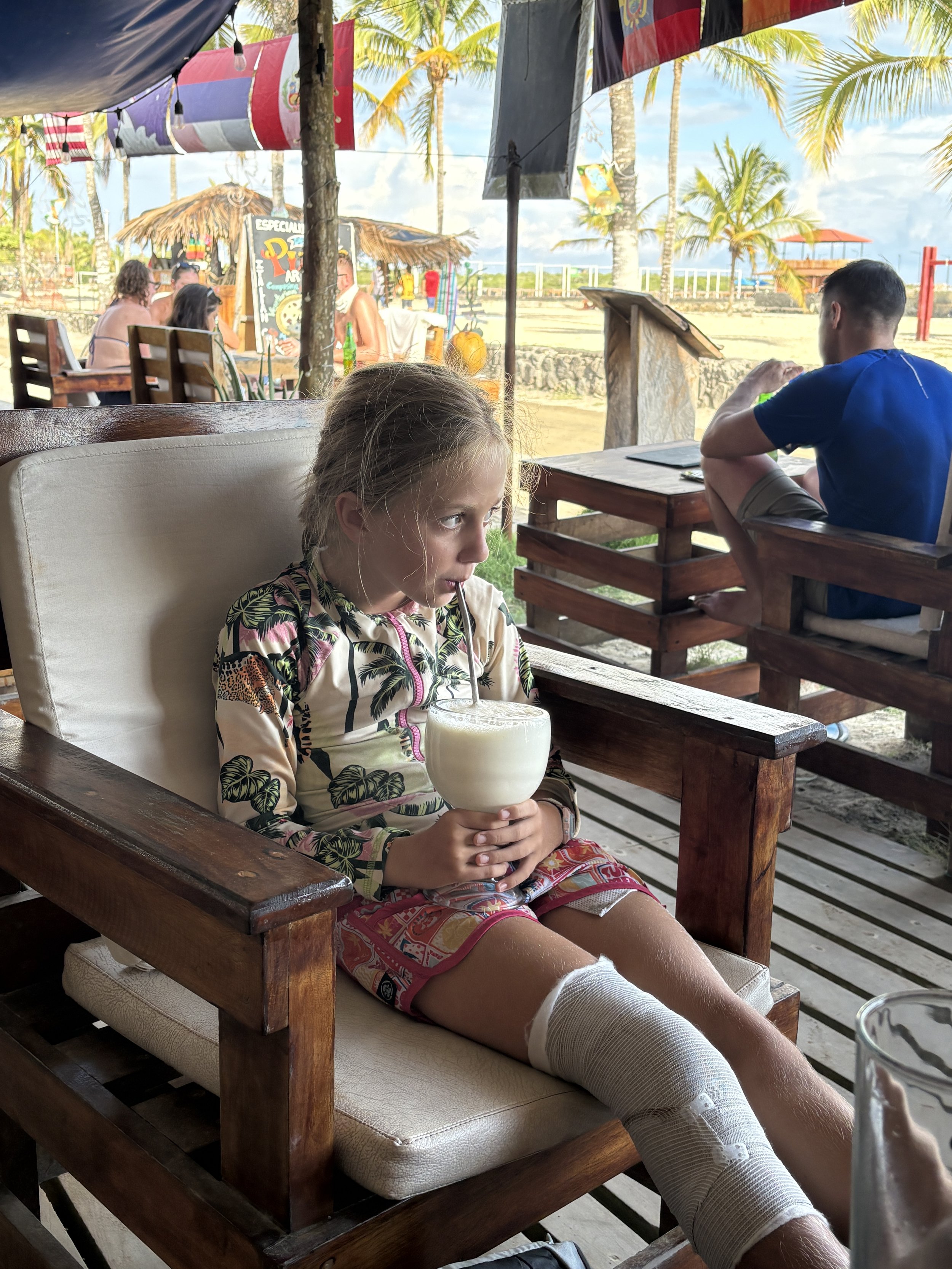
Sadly for Bethan, her early surfing career lasted all of about an hour. Despite managing to stand up on her first two waves, she then dislocated her kneecap on the third. That meant a paramedic resetting it right there on the beach, followed by a short ambulance ride to the small town hospital, where she was bandaged up and sent on her way almost as good as new. Nothing that a bit of rest—and copious amounts of fresh smoothies and ice cream—couldn’t fix, thankfully…!
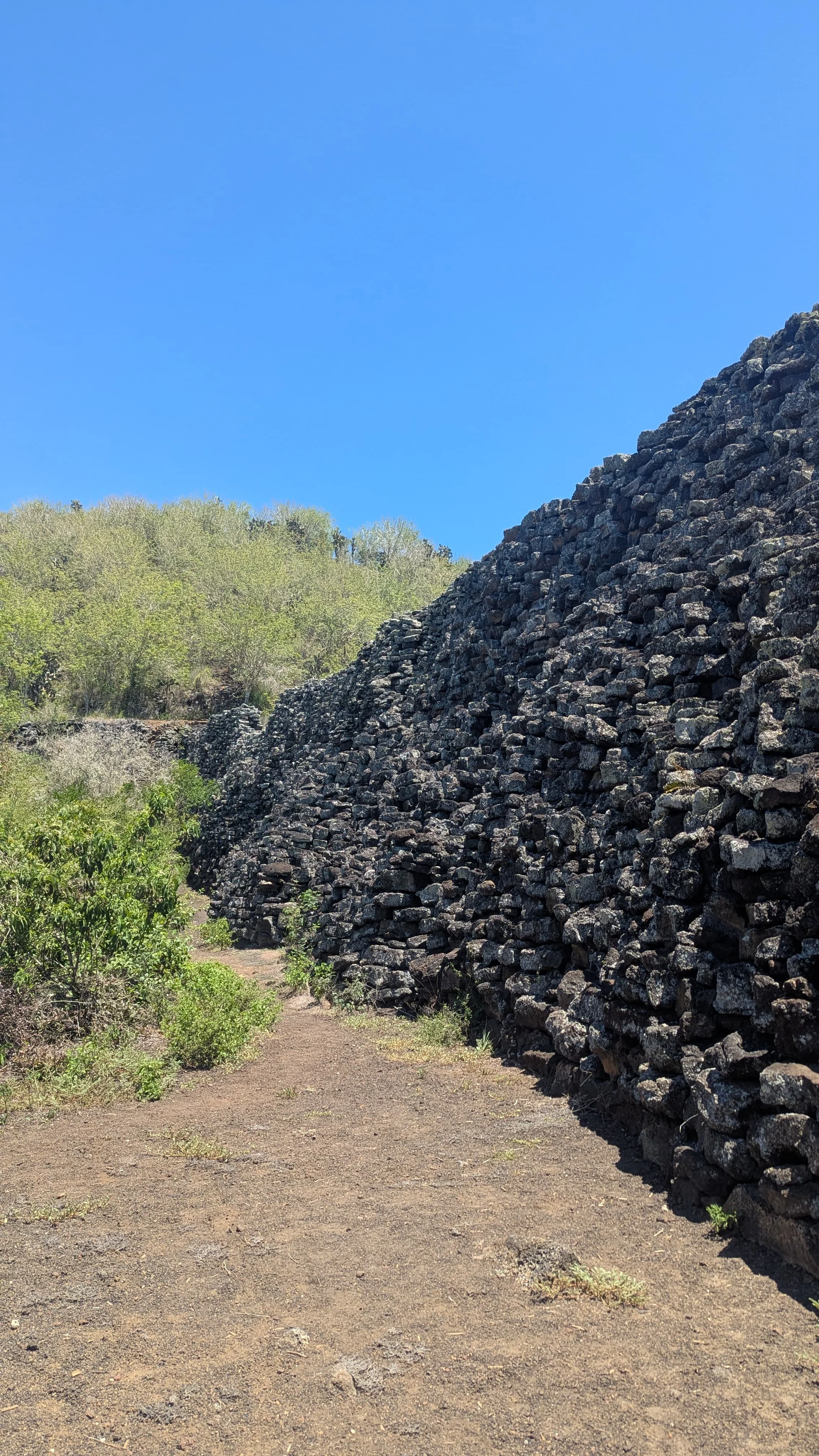
The next part of our week in Isabela included Oscar and Annabelle mountain biking to the Wall of Tears along a very hot and exposed track. Between the 1940s and 1950s, Isabela was home to a penal colony. Prisoners were sent here from mainland Ecuador and put to work under brutal conditions. The Wall—around 100 meters long and up to 8 meters high in places—was built by hand, stone by stone, with no real purpose other than punishment. It wasn’t meant to shelter or protect. It was simply a way to keep men working. The had to work bare-backed, walking bare foot over sharp lava fields to get the stones. Many prisoners died during its construction—exhaustion, illness, heat, and mistreatment—and the isolation of the island only added to the hardship. There are stories of guards enforcing discipline harshly, and of prisoners turning on each other. Many escaped after a brutal mutiny, and locals told me that some of the prisoners, and their descendants, still live on the island today.
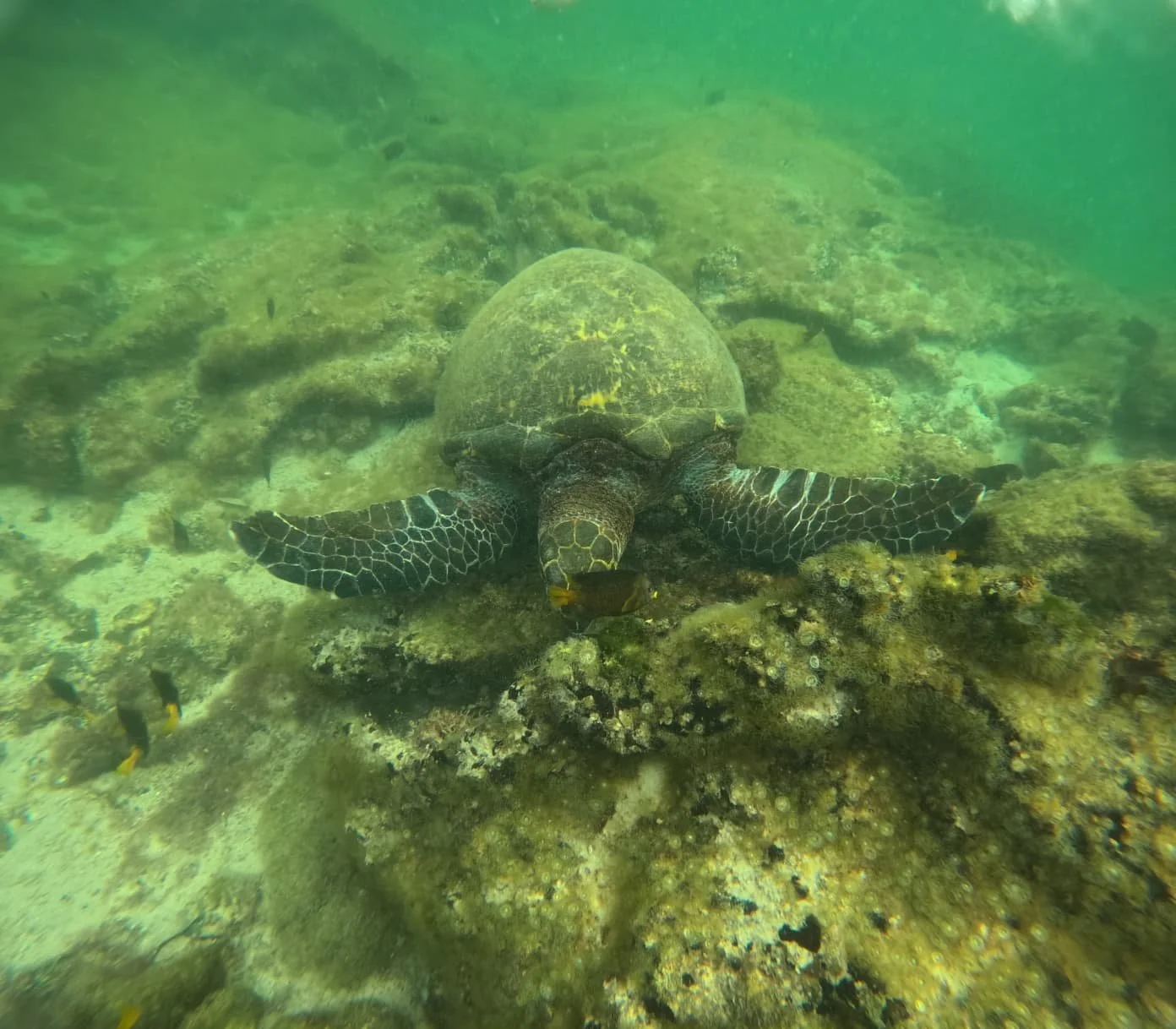
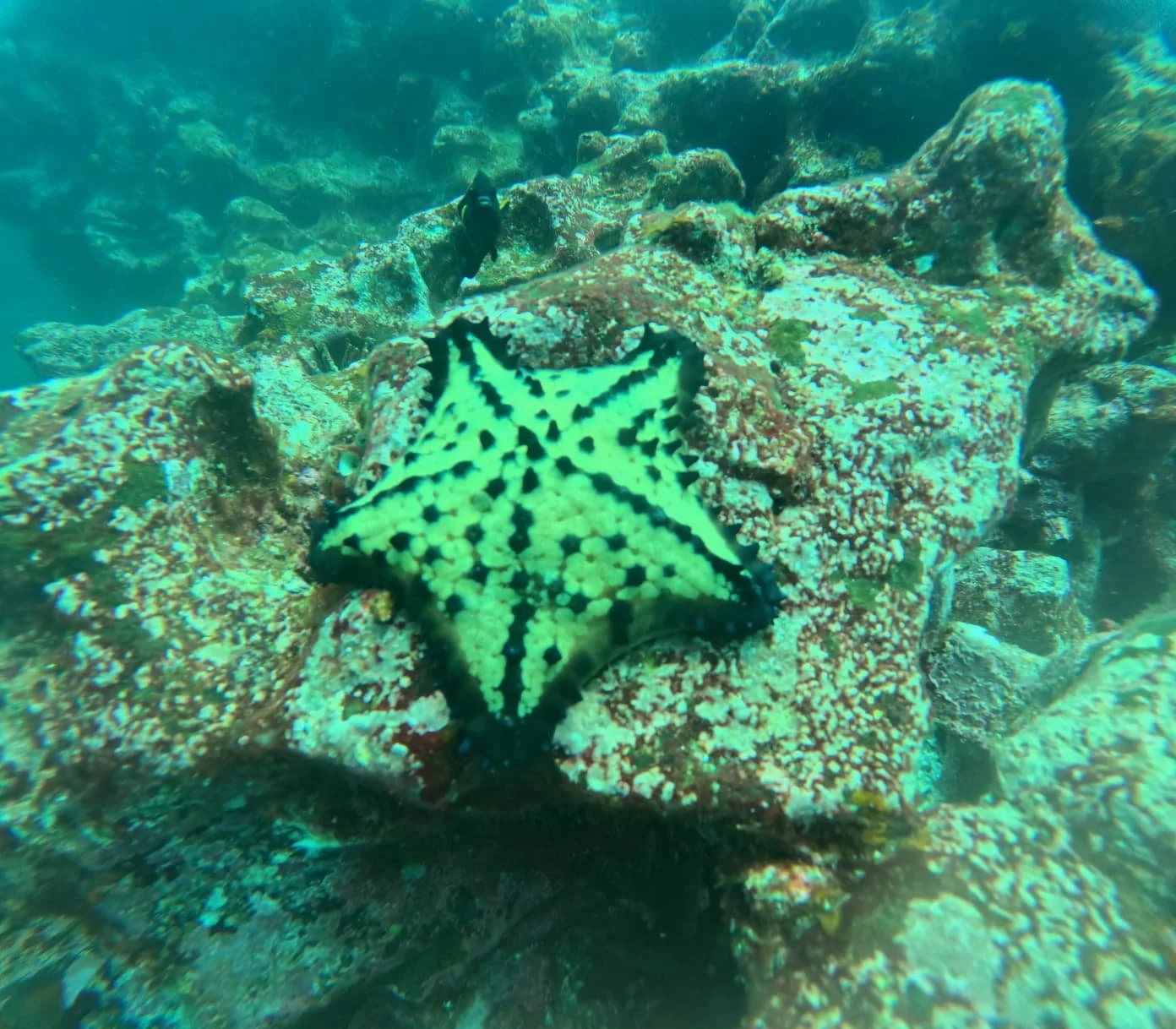
Later in the week, Oscar, Annabelle and I headed out scuba diving to Tortuga (Turtle) Island for a memorable—and tiring—dive. We saw hammerhead sharks, turtles, sea lions, and marine life that, once again, felt completely unique to the Galápagos.
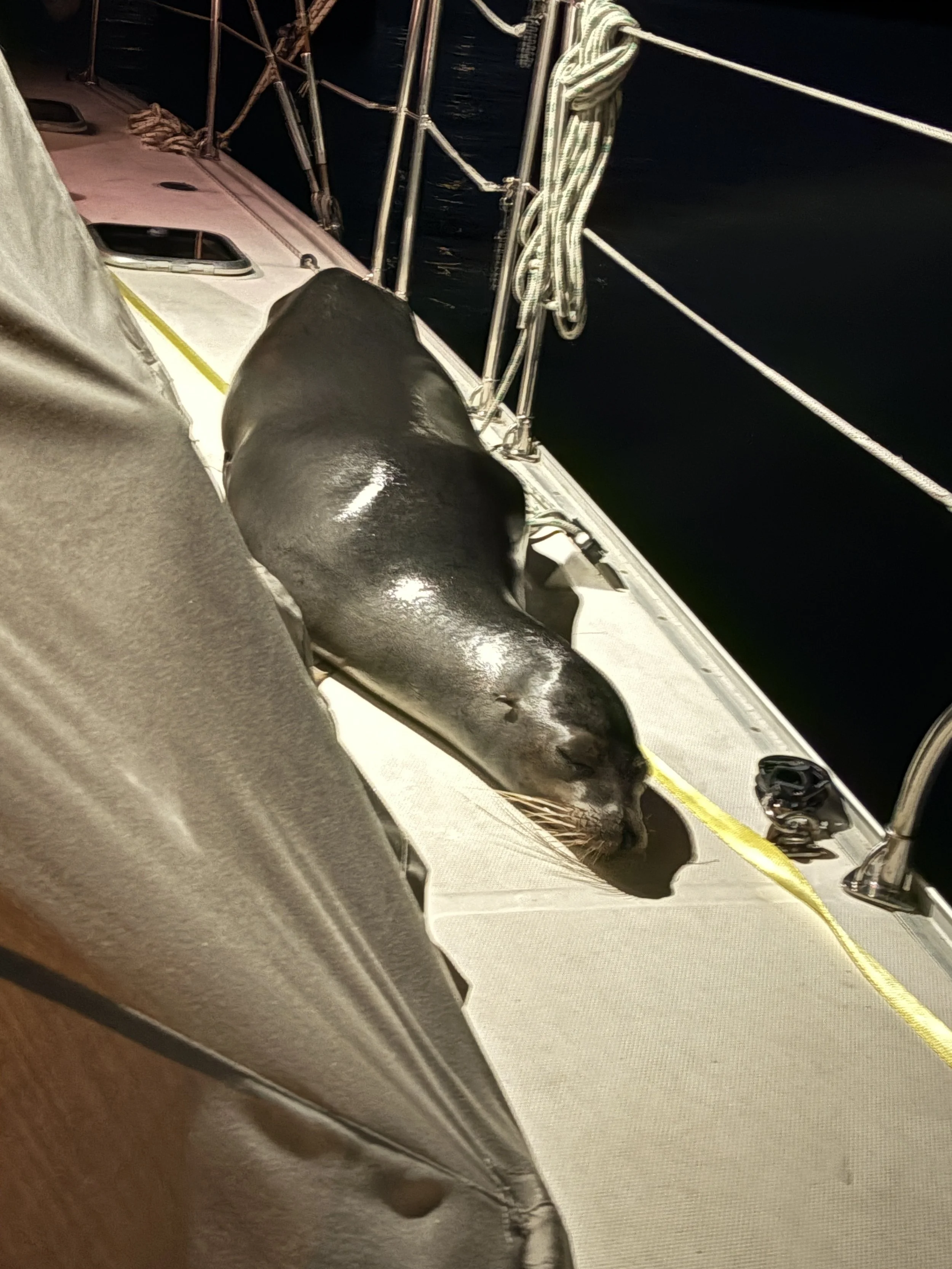
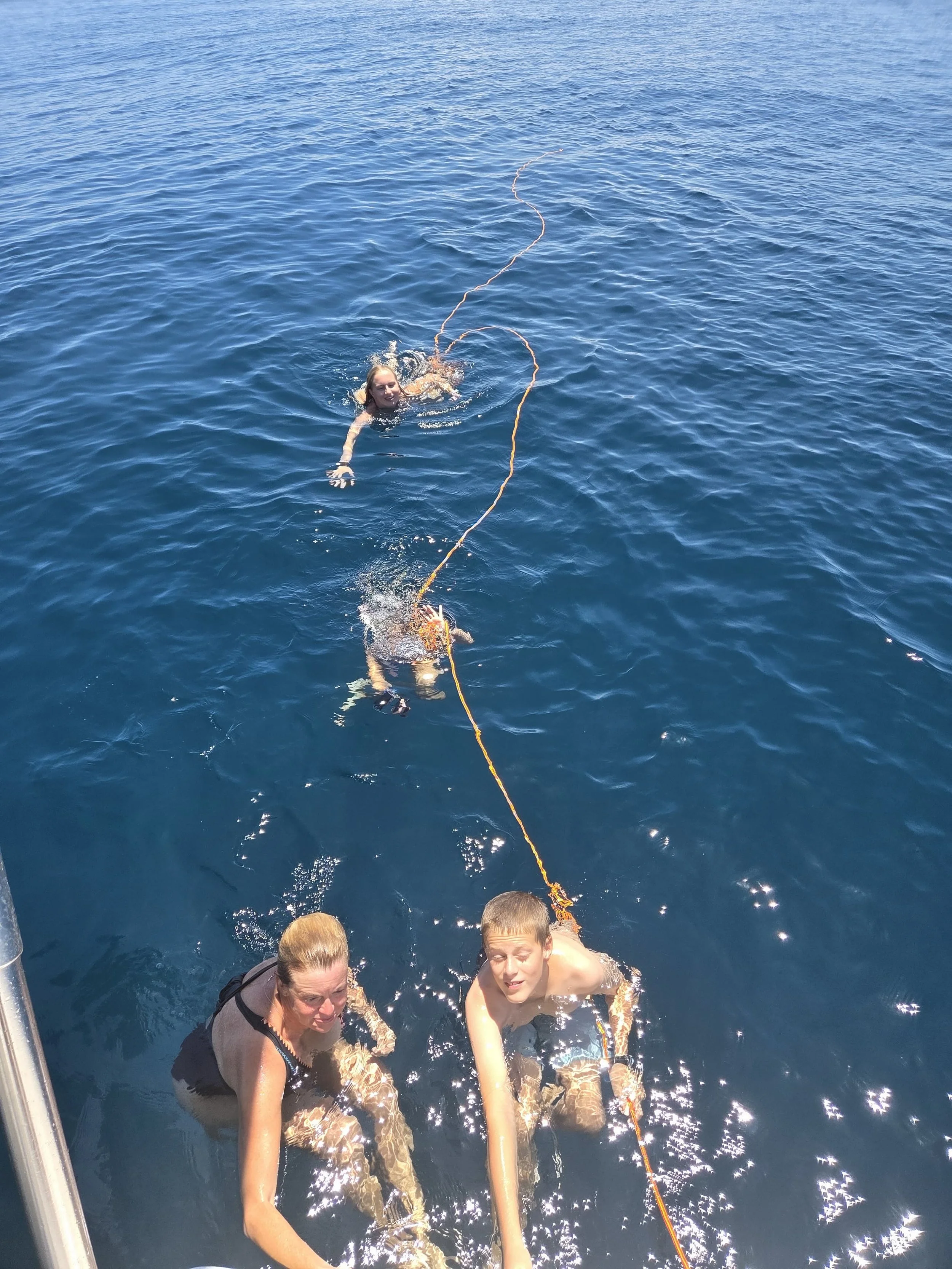
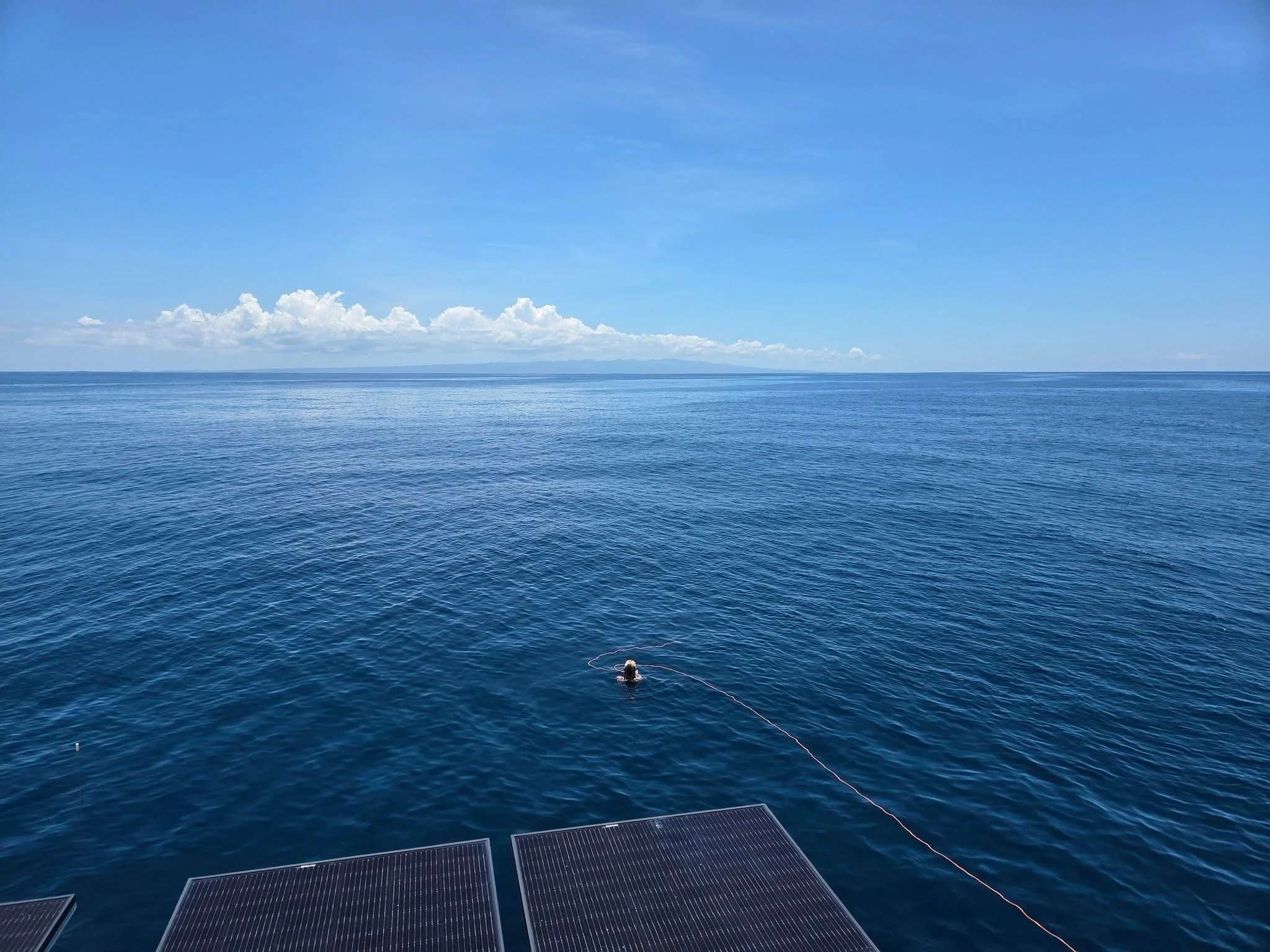
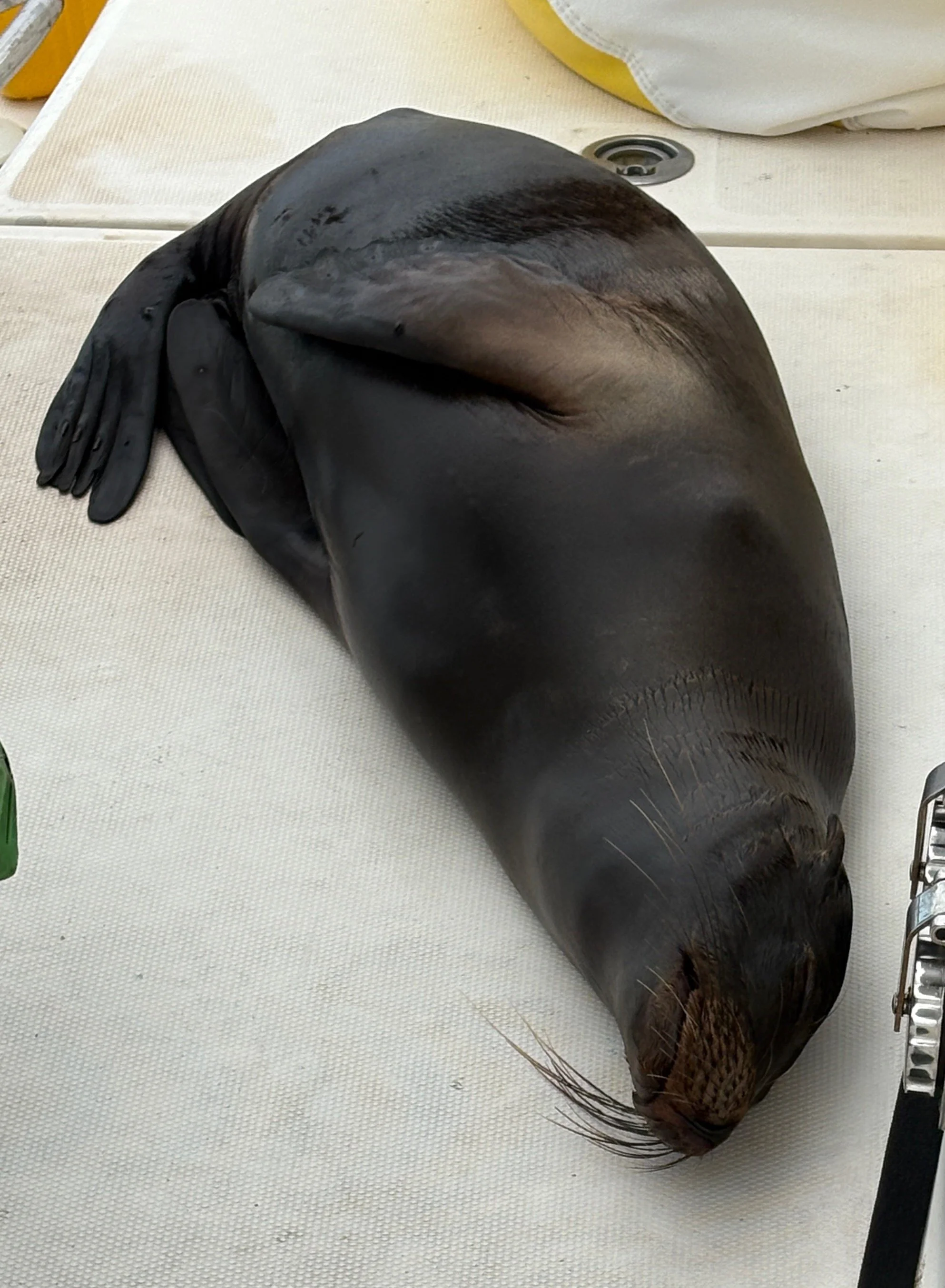
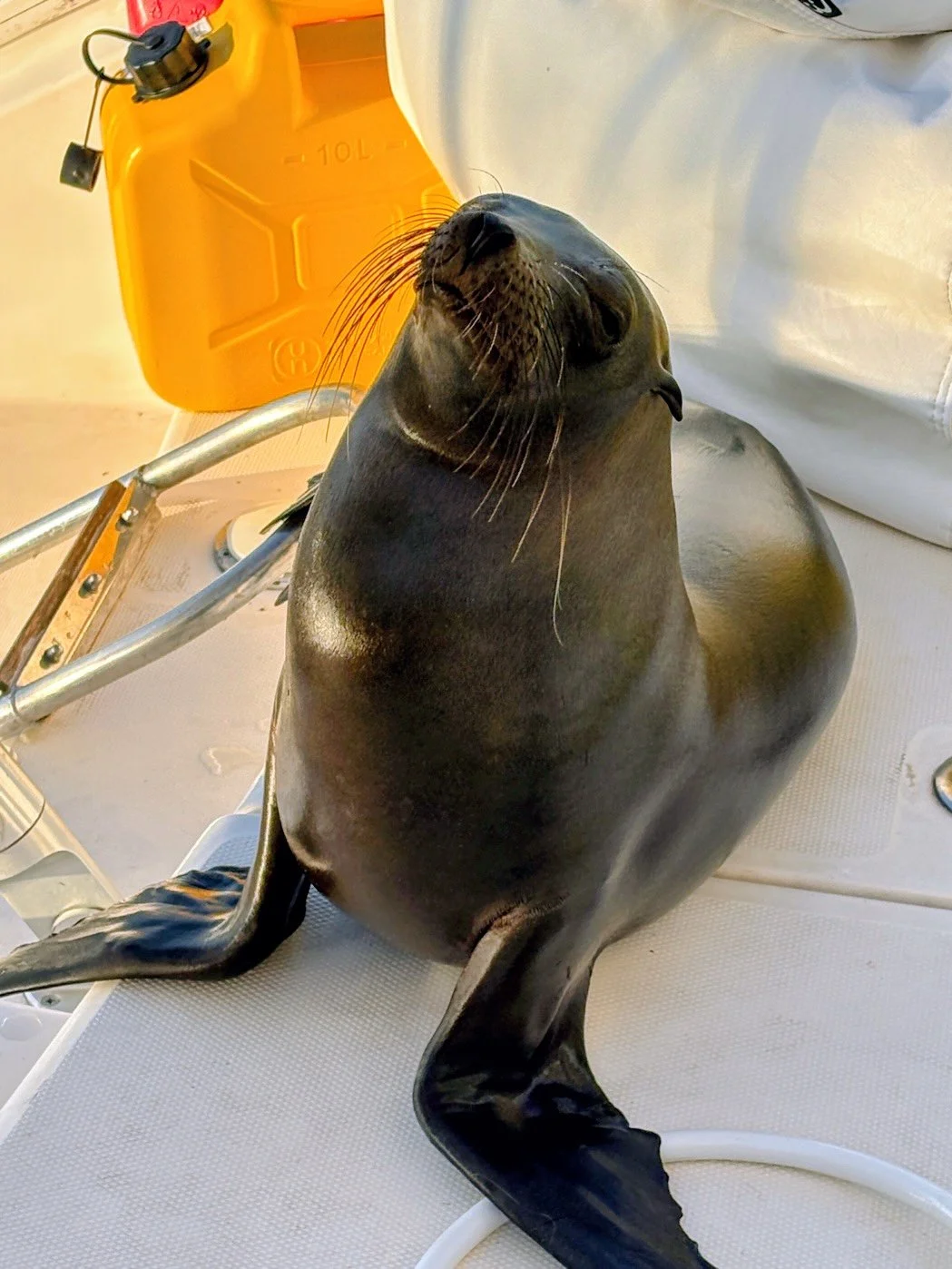
We also snorkelled close to the anchorage, towing Bethan between us so she didn’t further damage her knee—but also didn’t miss out on her favourite hobby. Even there, the wildlife didn’t disappoint: a huge stingray, turtles, devil rays, and countless fish. On the way back to the boat in the water taxi, we spotted penguins darting through the water hunting breakfast. We finally ticked off a blue-footed booby, and the next morning we woke to find a beautiful young sea lion sprawled across the back of the boat—who then returned the following day, fast asleep and snoring as we came up on deck.
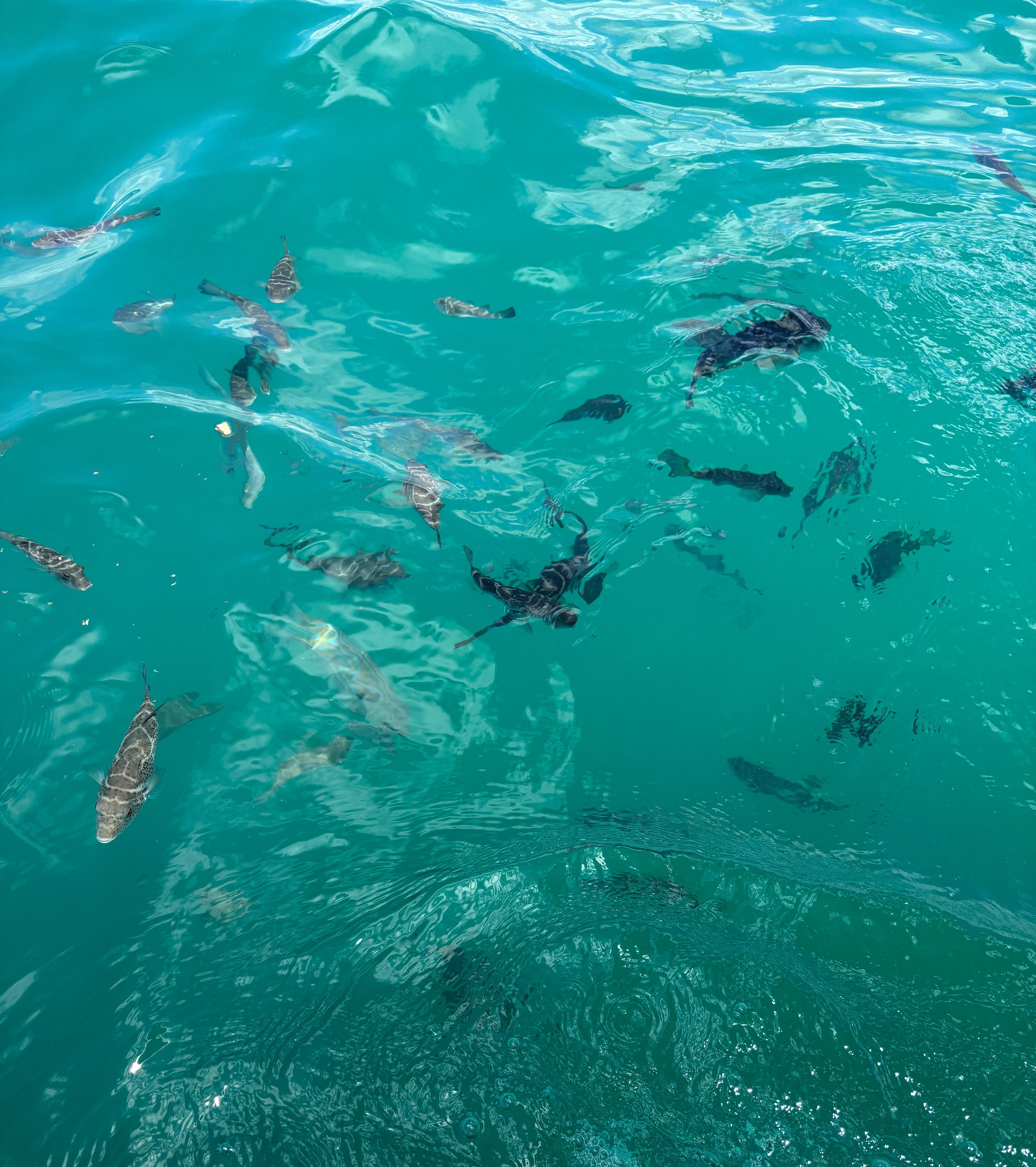
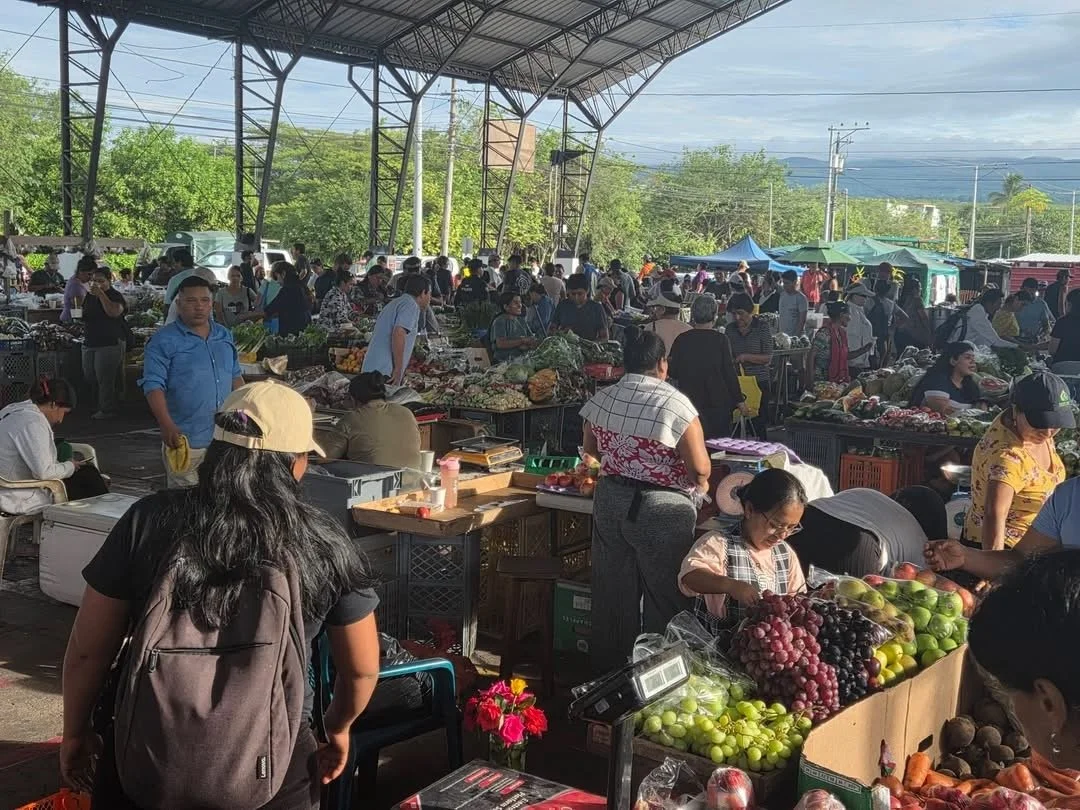
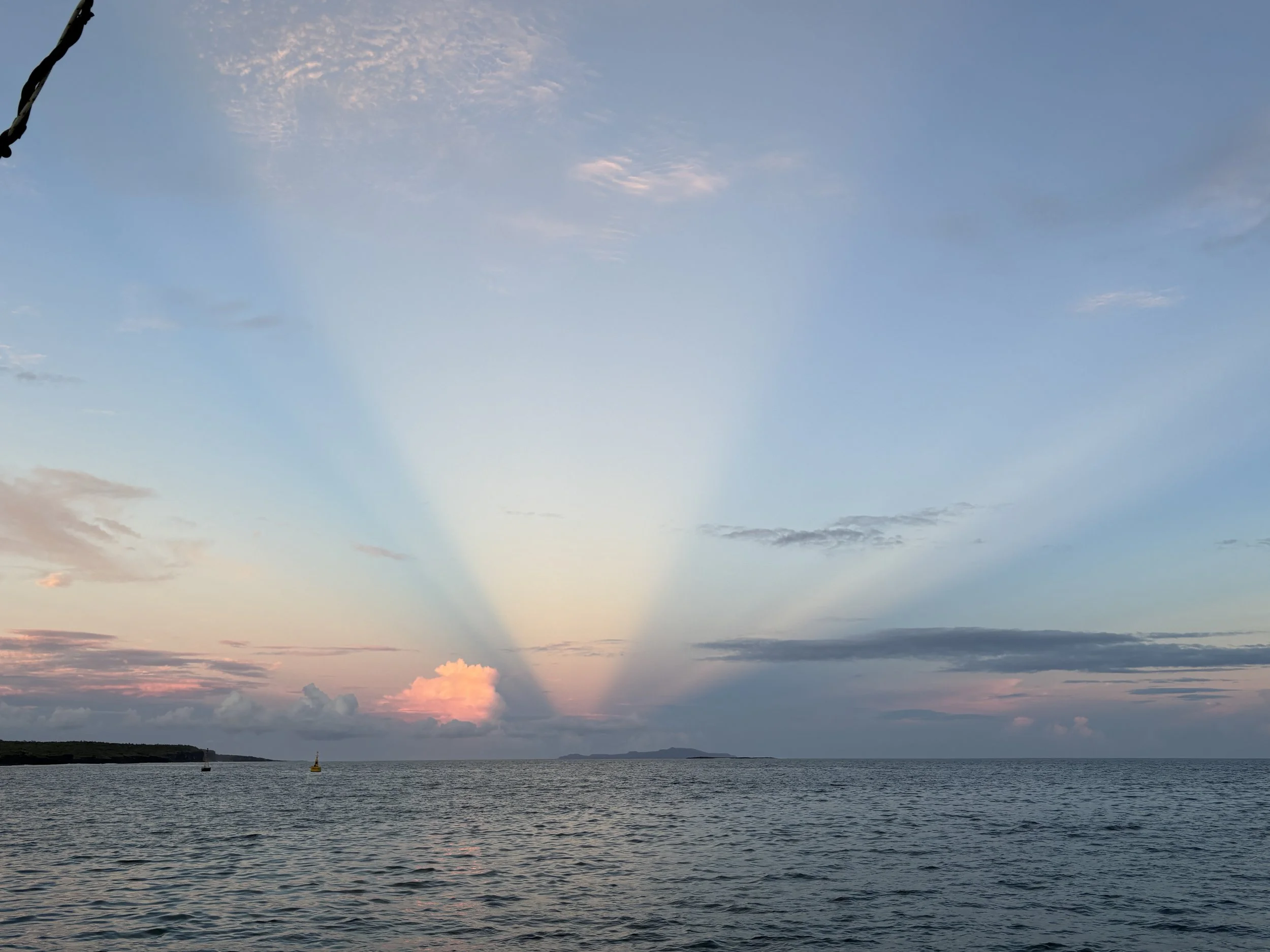
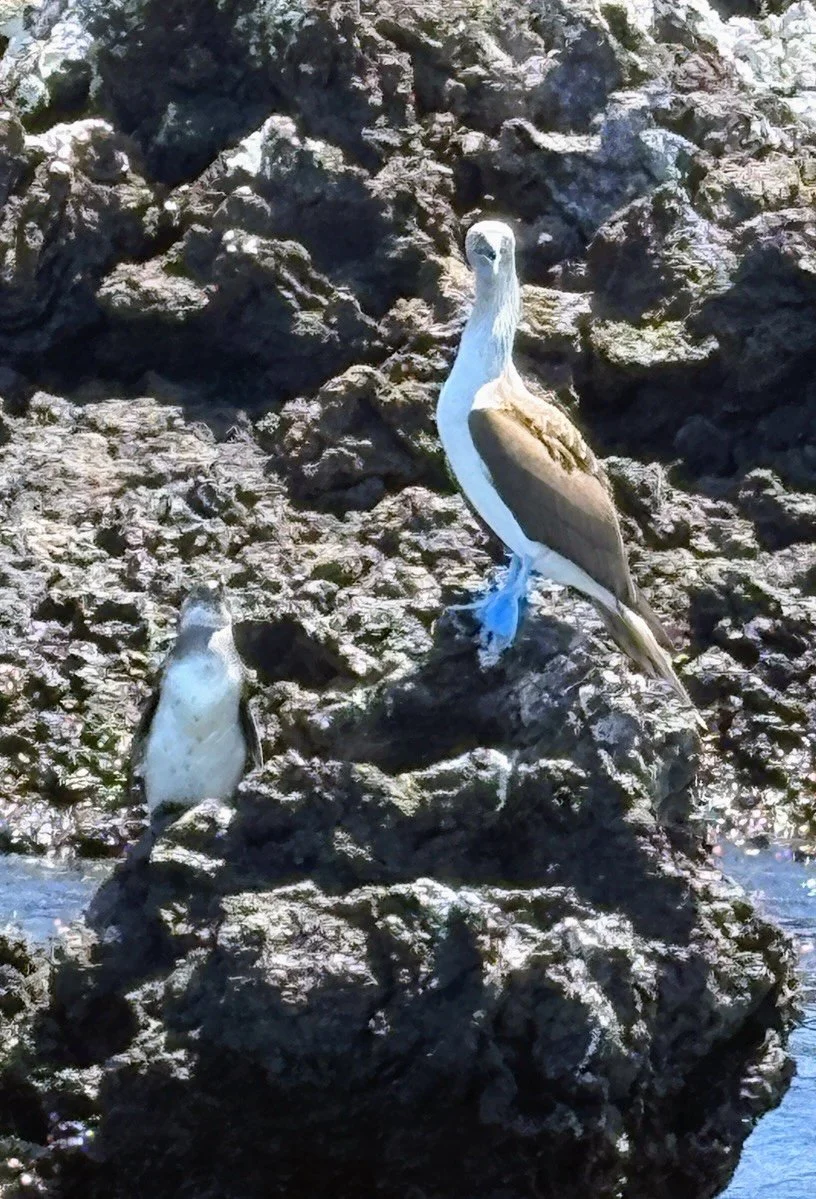
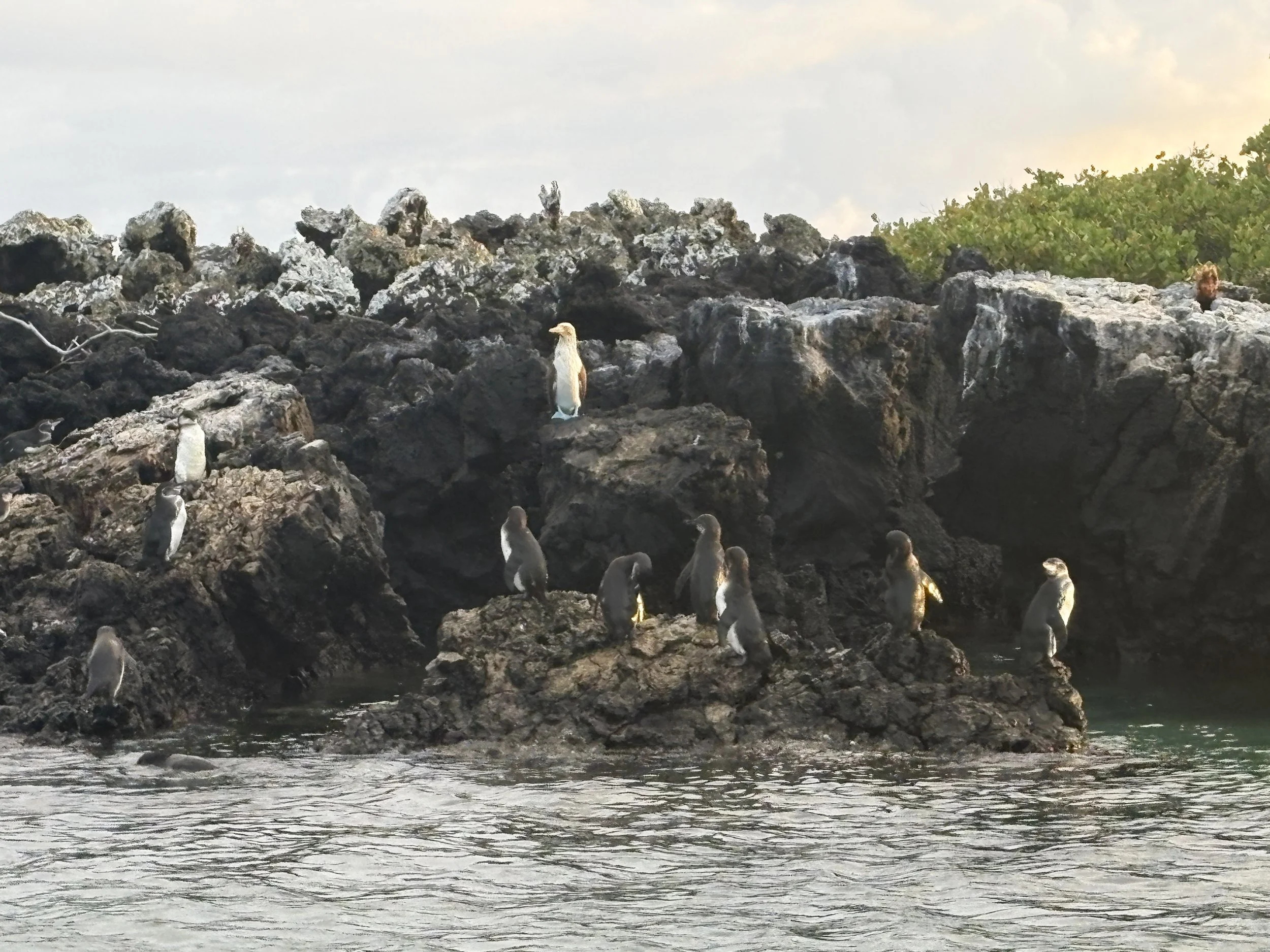
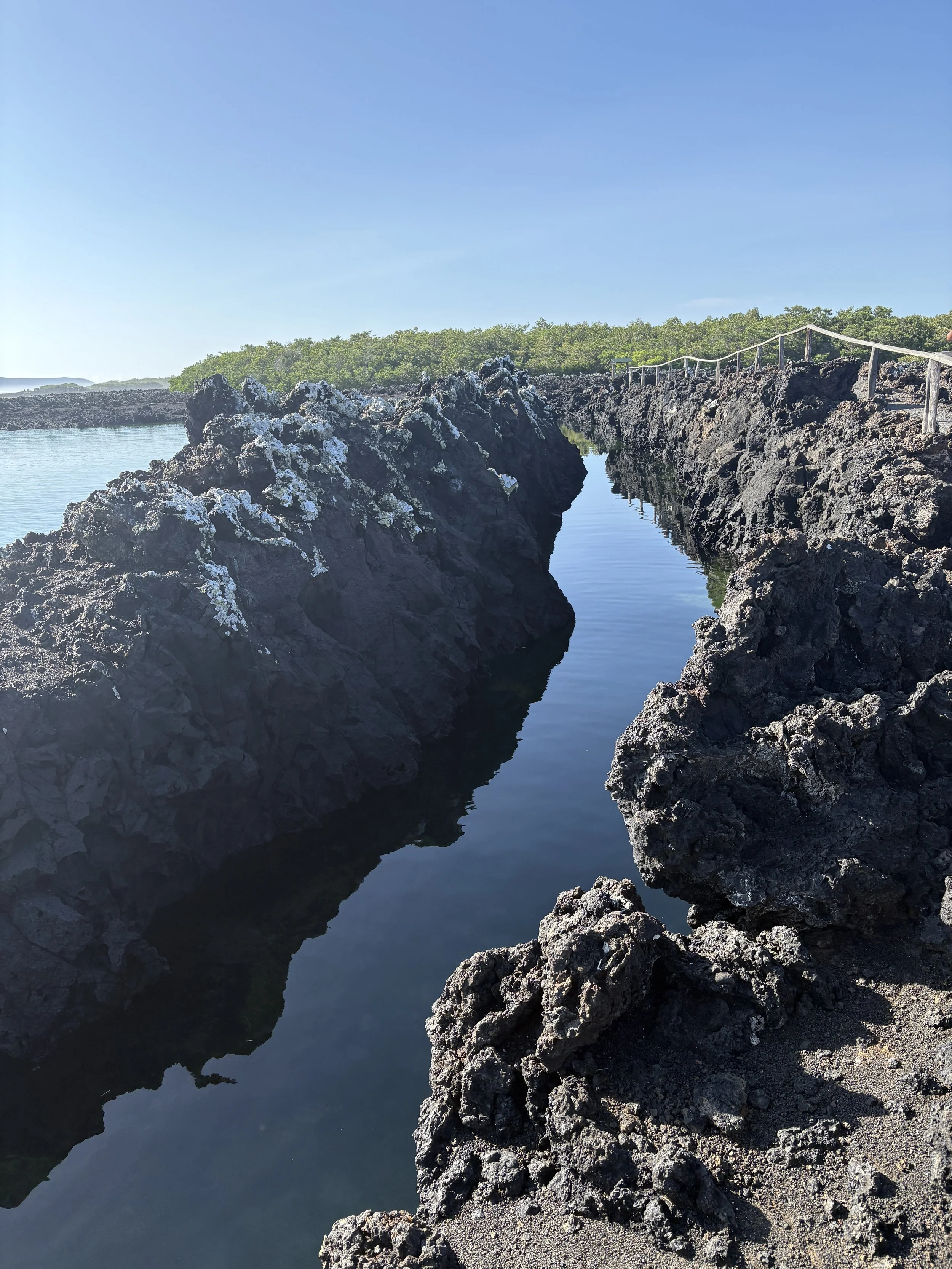
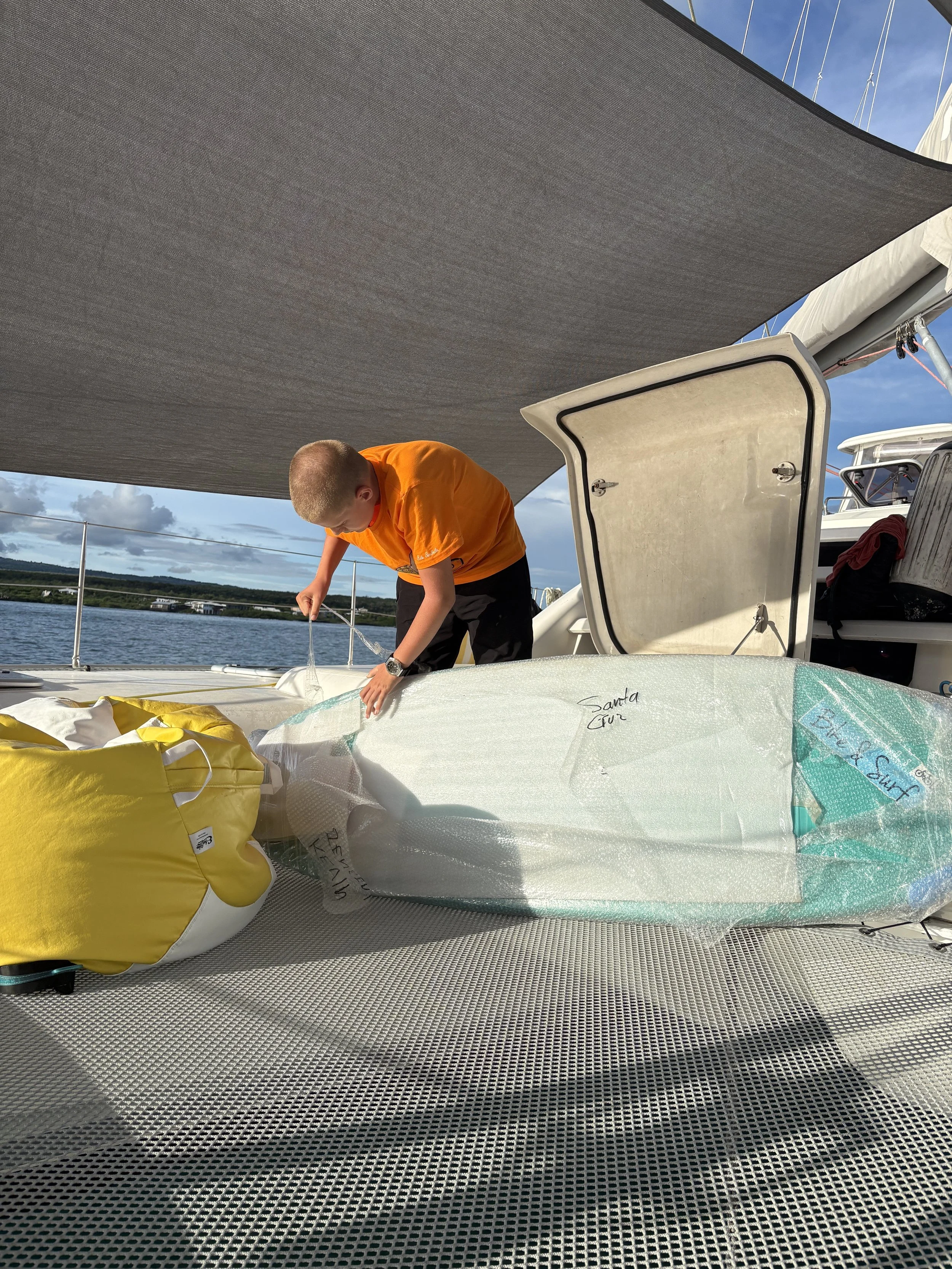
Then our time was up! We returned to Santa Cruz to continue provisioning (again), visiting the awesome farmer market. Our new-to-us surf boards were unwrapped and stowed away for the passage, Annabelle left for her solo trip to San Francisco for her month long sejourn of SAT and 4 x AP exams, staying with my sister Ali and her family; and our new crew-mate Kevin whom we had met in Isabela, joined us at the same time and settled right in to life with us as a family, as well as our final boat prep. The weather gods started to align behind us as all the weather models lined up and our Immigration check out was booked. Pacific Crossing part 2, ‘The Big One’ - 20+ days at sea, headed due west to French Polynesia was about to begin!