Hard core prep time…
January and February have been full-on boat prep. After leaving the San Blas just after Christmas and heading back to Linton Bay Marina in Panama, it’s been a relentless cycle of school days, client calls, and then long afternoons and evenings buried in spares, tools, and checklists. Boat prep has taken over everything — auditing parts, provisioning, safety checks — and systematically working through a massive list of “what ifs…”
A Pacific crossing has the potential to add two years’ worth of wear and tear in just a few months — long passages, constant load on sails and rigging, chafe on lines, and the simple reality that things will break. So we’ve been building out redundancies: if X fails, do we have a backup? A spare part? A workaround? A bodge-it-and-get-to-land plan?
That thinking has turned into a fairly epic shopping list — and a lot of problem-solving conversations. It’s been an expensive month. Also a sweaty one. There has been a significant amount of boat yoga as we empty every locker, clean out every spares box, and re-audit what we have versus what we still need. We’ve also put together a serious offshore medical kit, making the most of pharmacies in Colombia and Panama to stock up on antibiotics and other medications — the goal being to manage ourselves safely for a period of time if professional help isn’t immediately available.
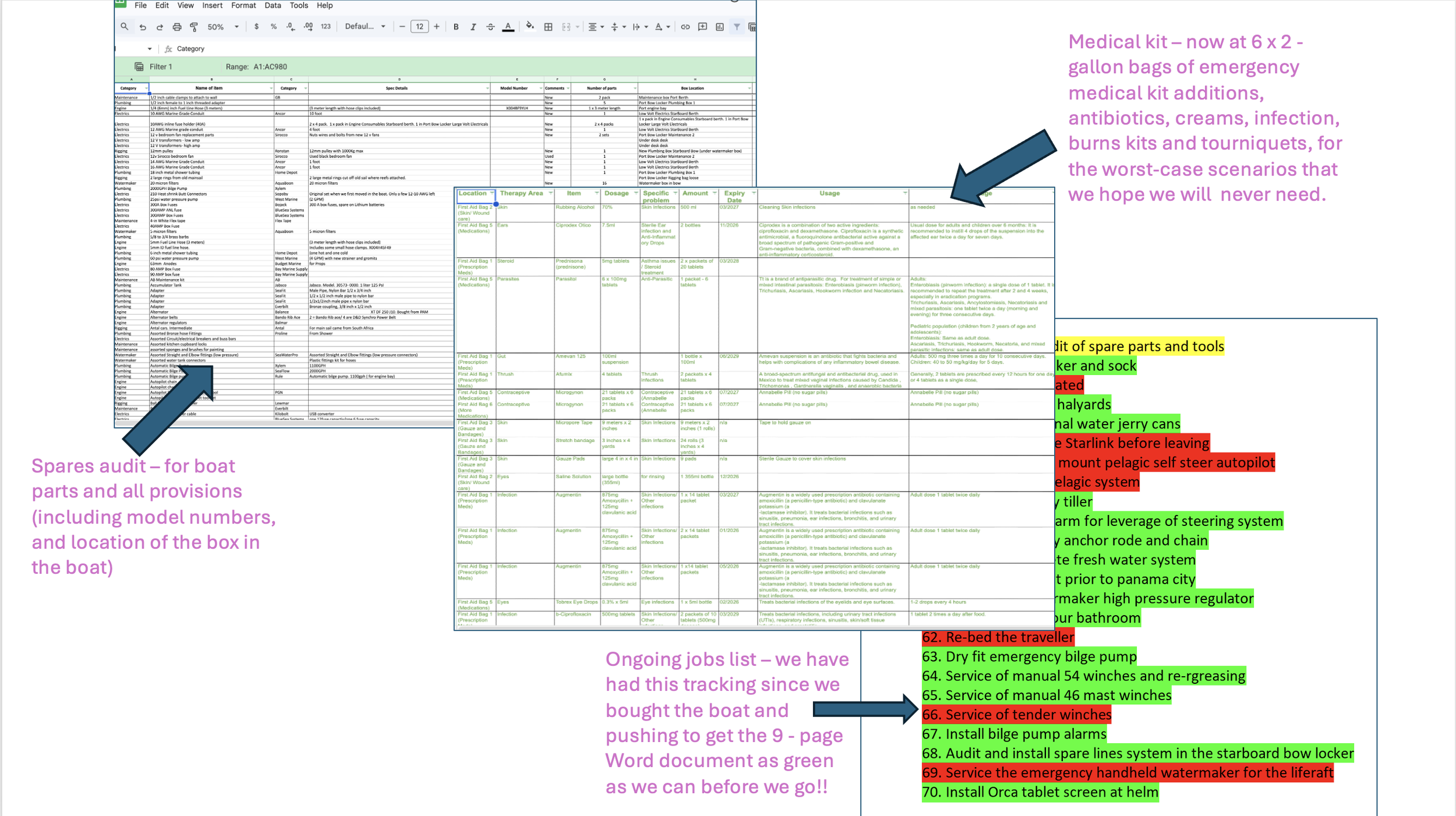
Alongside all of that, we’ve kept chipping away at the master jobs list we started three years ago when we bought the boat — the ever-growing list of projects we’re determined to turn from red to green. One box at a time.
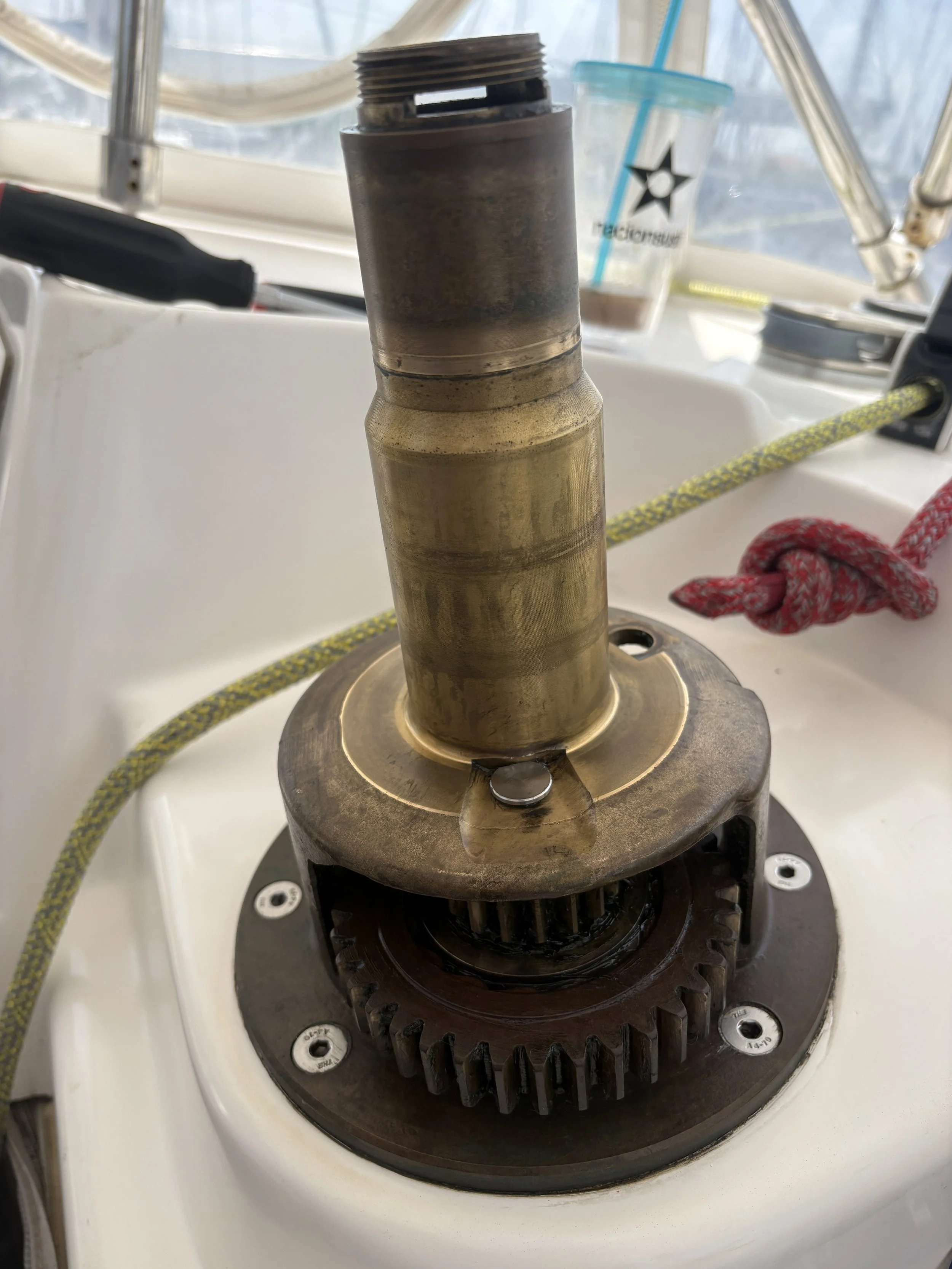
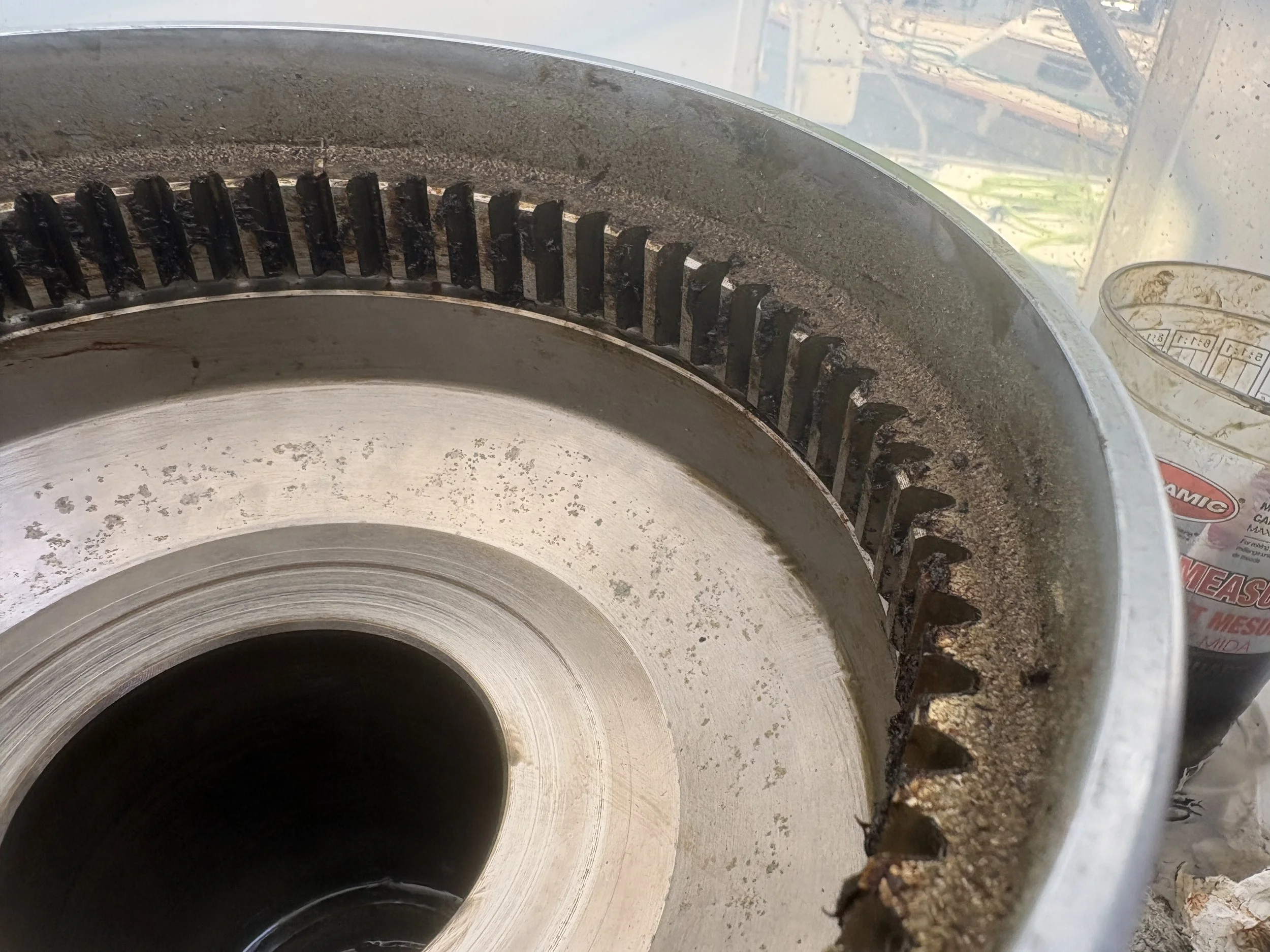
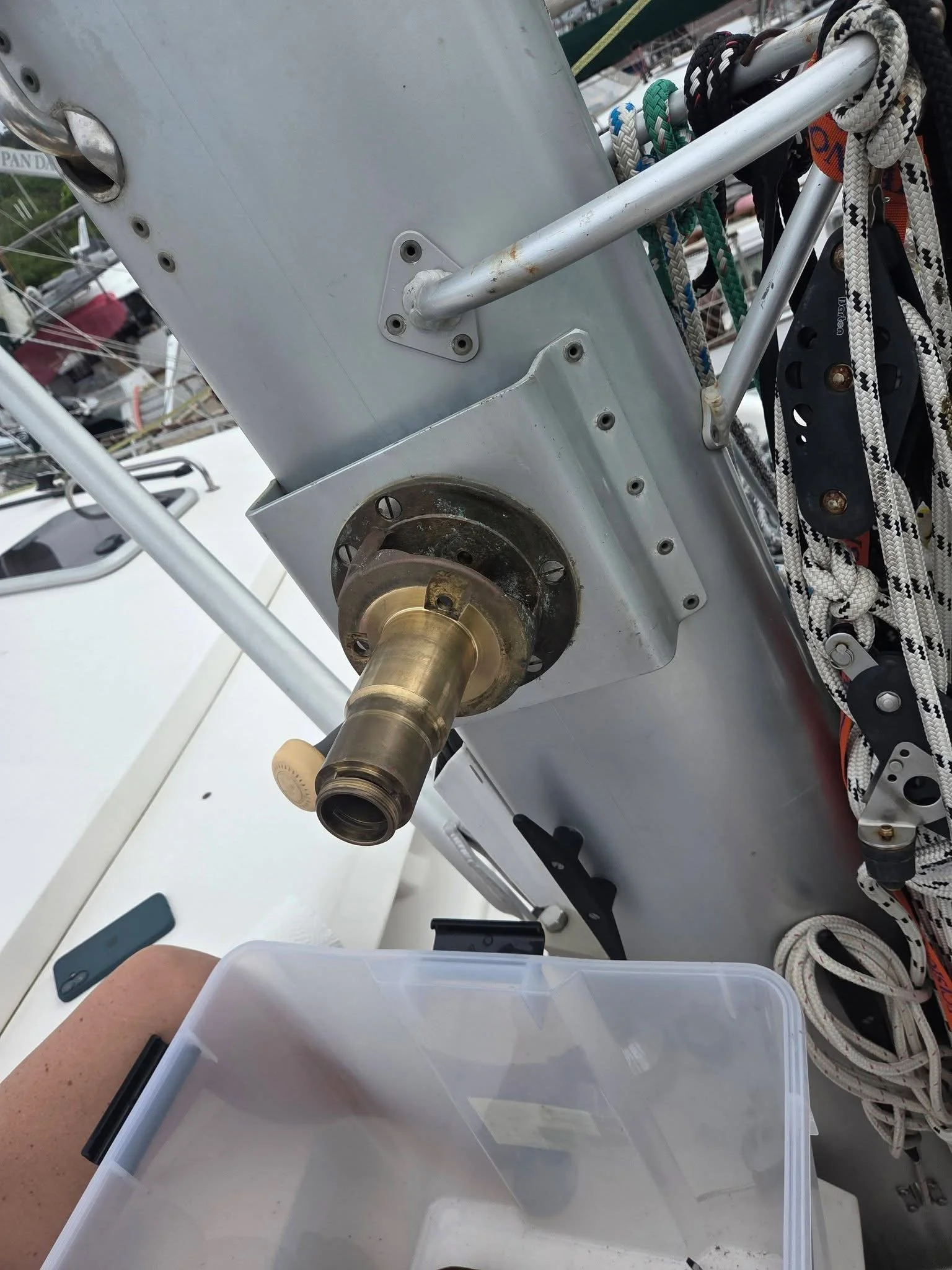
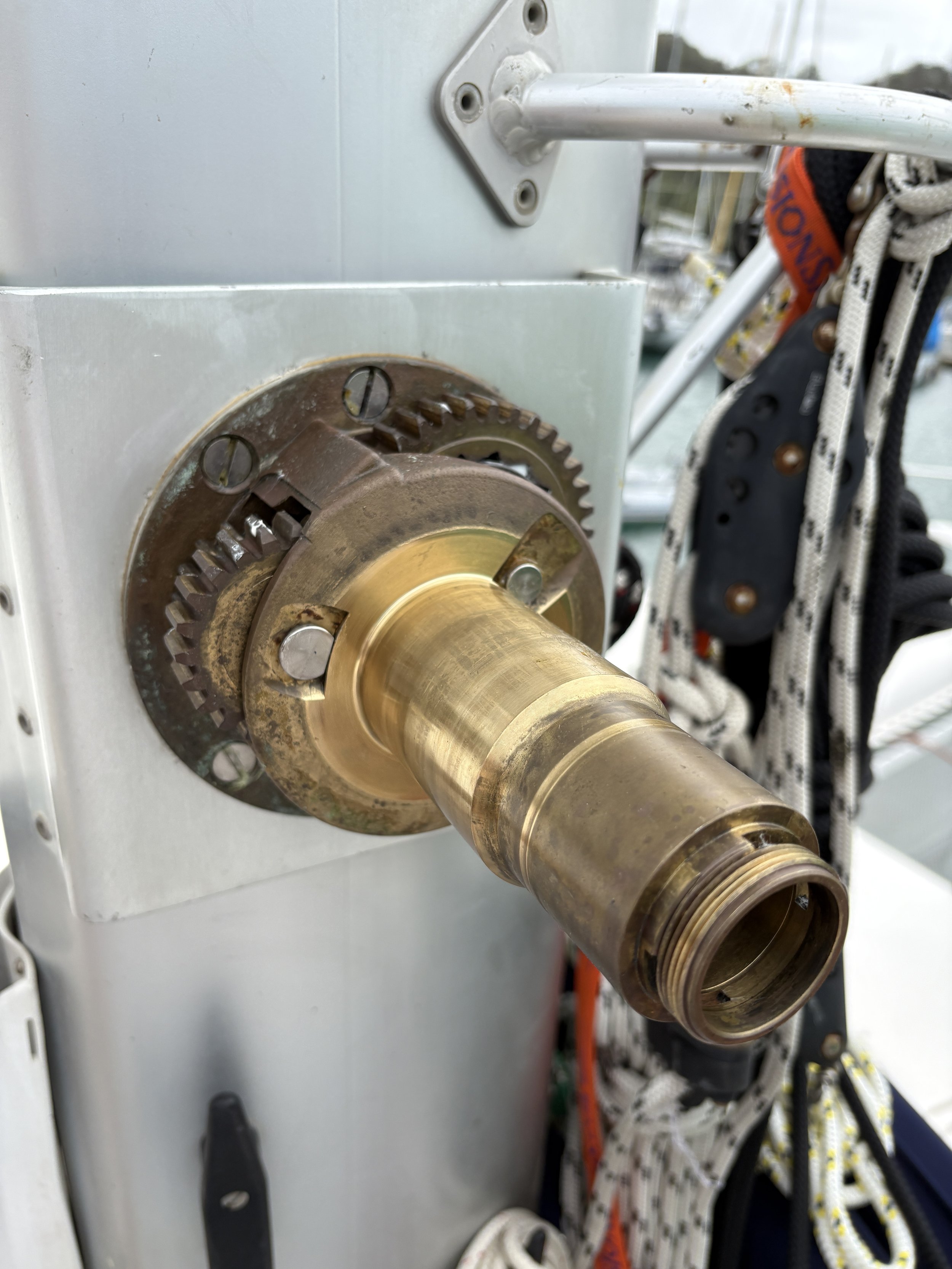
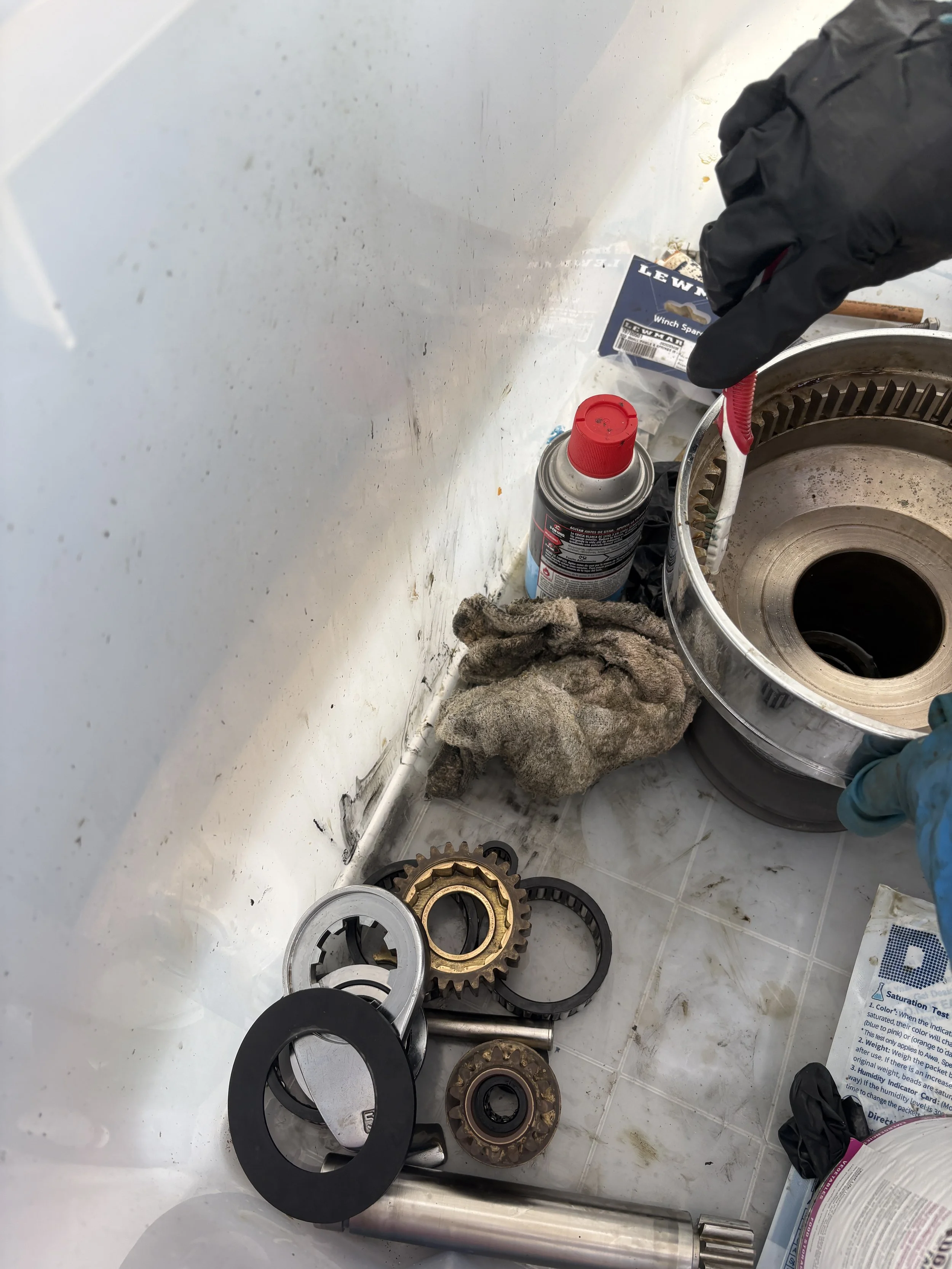
We serviced the winches (there are 7 in total)…… taking out all the crappy grease, cleaning them with petrol, and putting it all back together again with fresh grease…..
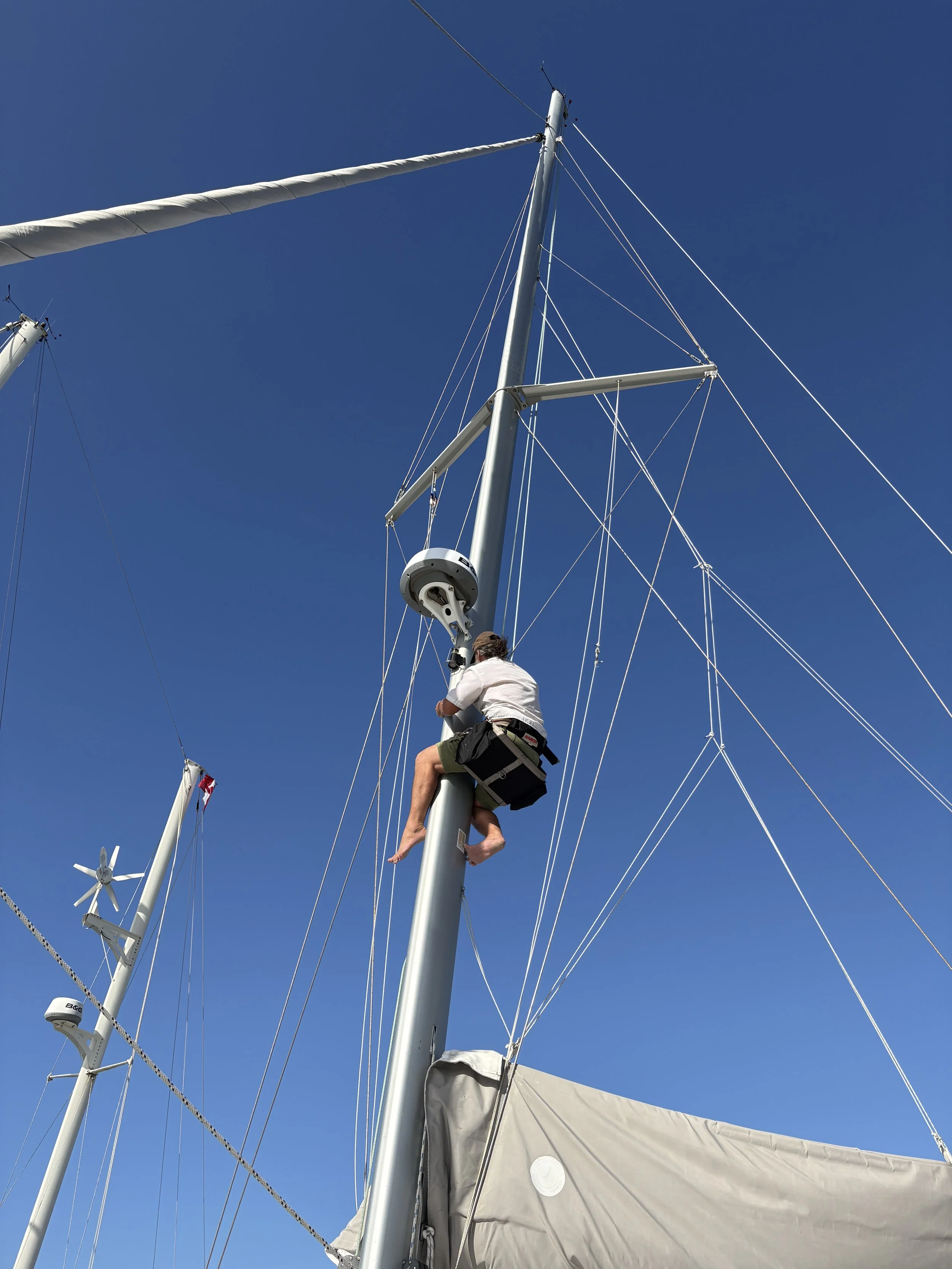
We had our rigging checked by a professional rigger in the marina, measuring the loads on each piece of standing rigging (the big wire cables that hold up the mast) and making adjustments to ensure everything was evenly tensioned and properly balanced.
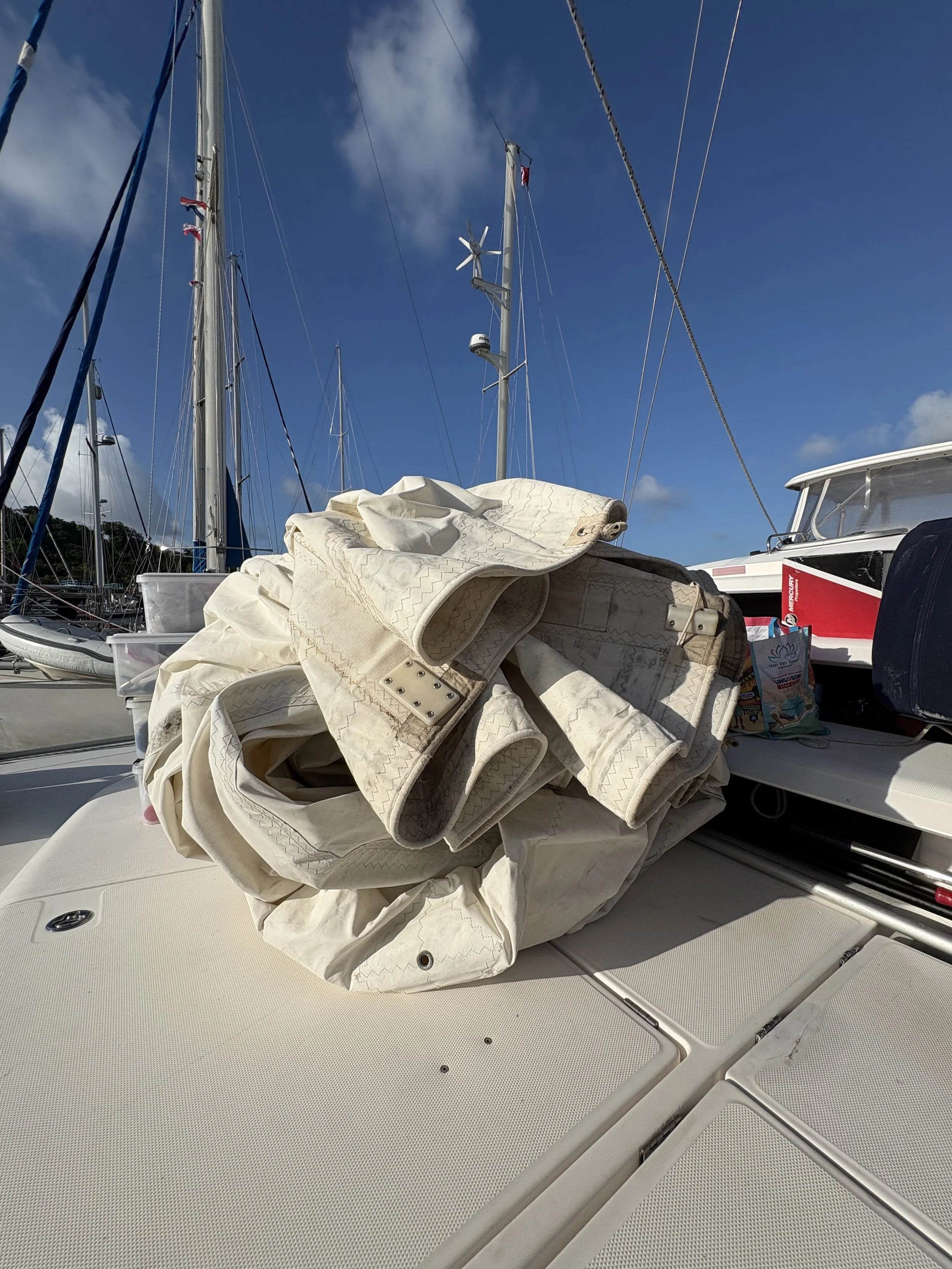
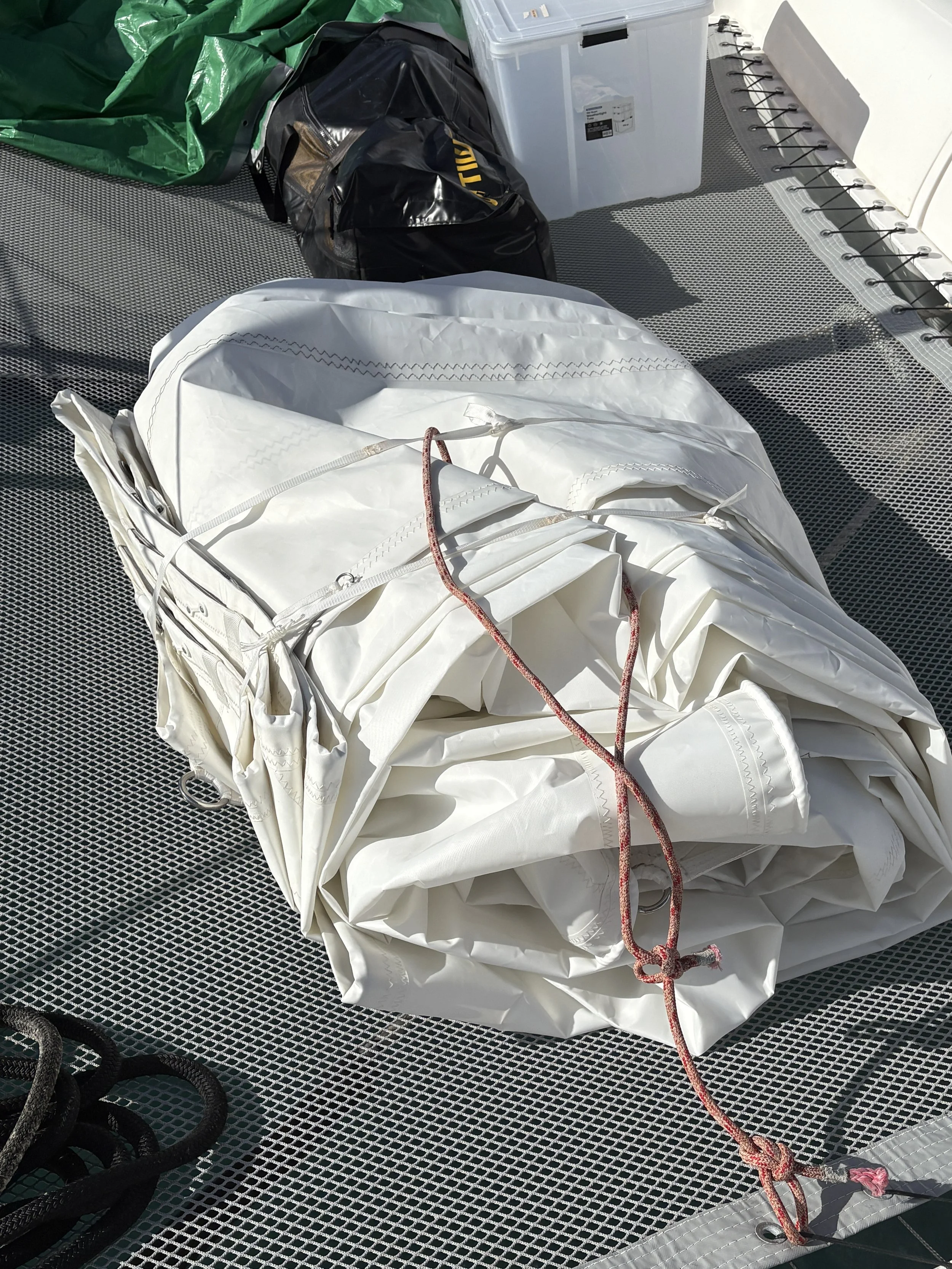
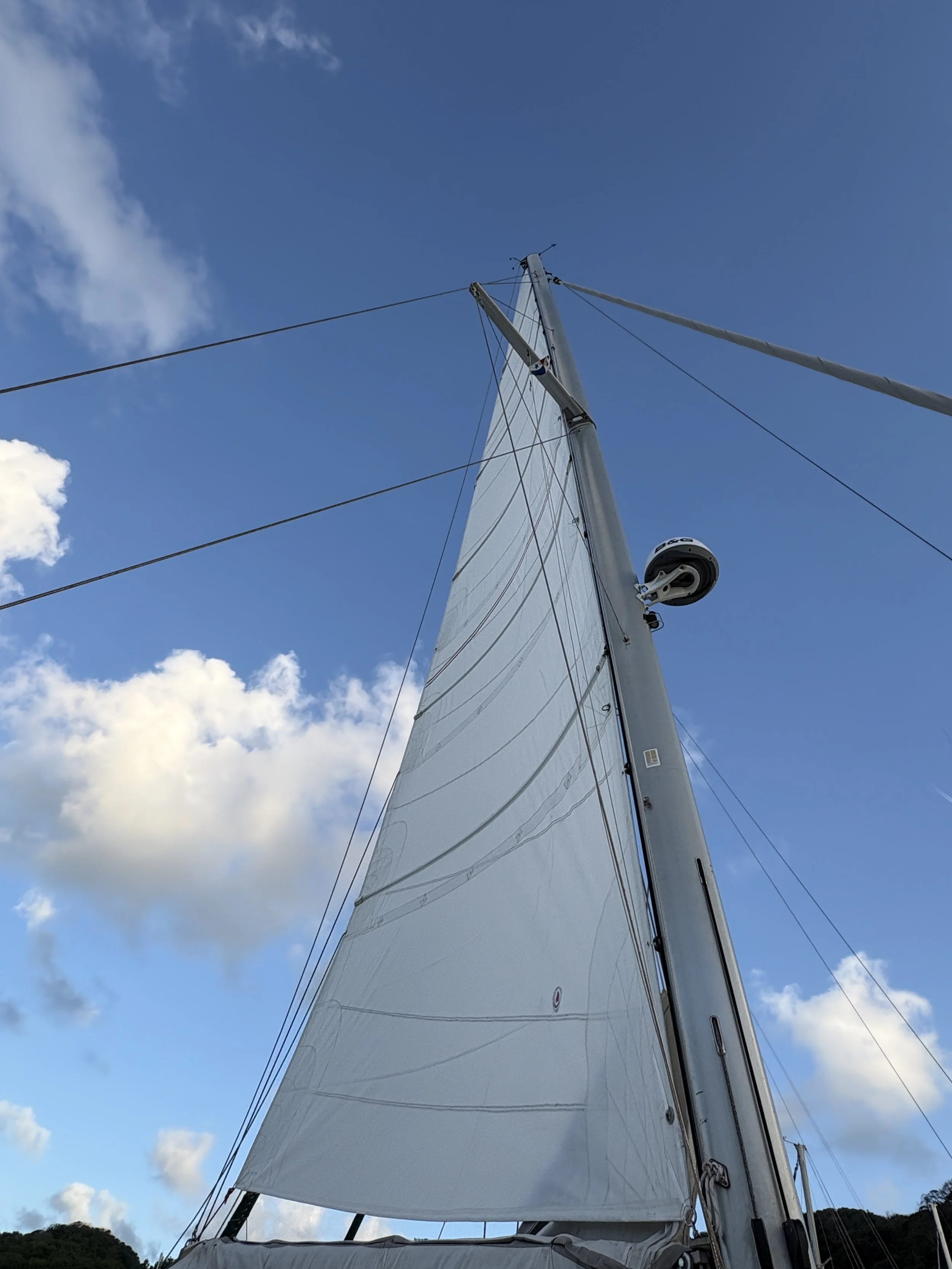
We also finally took delivery of our brand-new mainsail. Our original sail — which came with the boat and was 14 years old — tore several hundred miles ago, so being able to hoist a proper main again felt like a major milestone. We were genuinely thrilled to be sailing properly once more. The old sail has since been recycled locally and will hopefully get a second life in a different form.
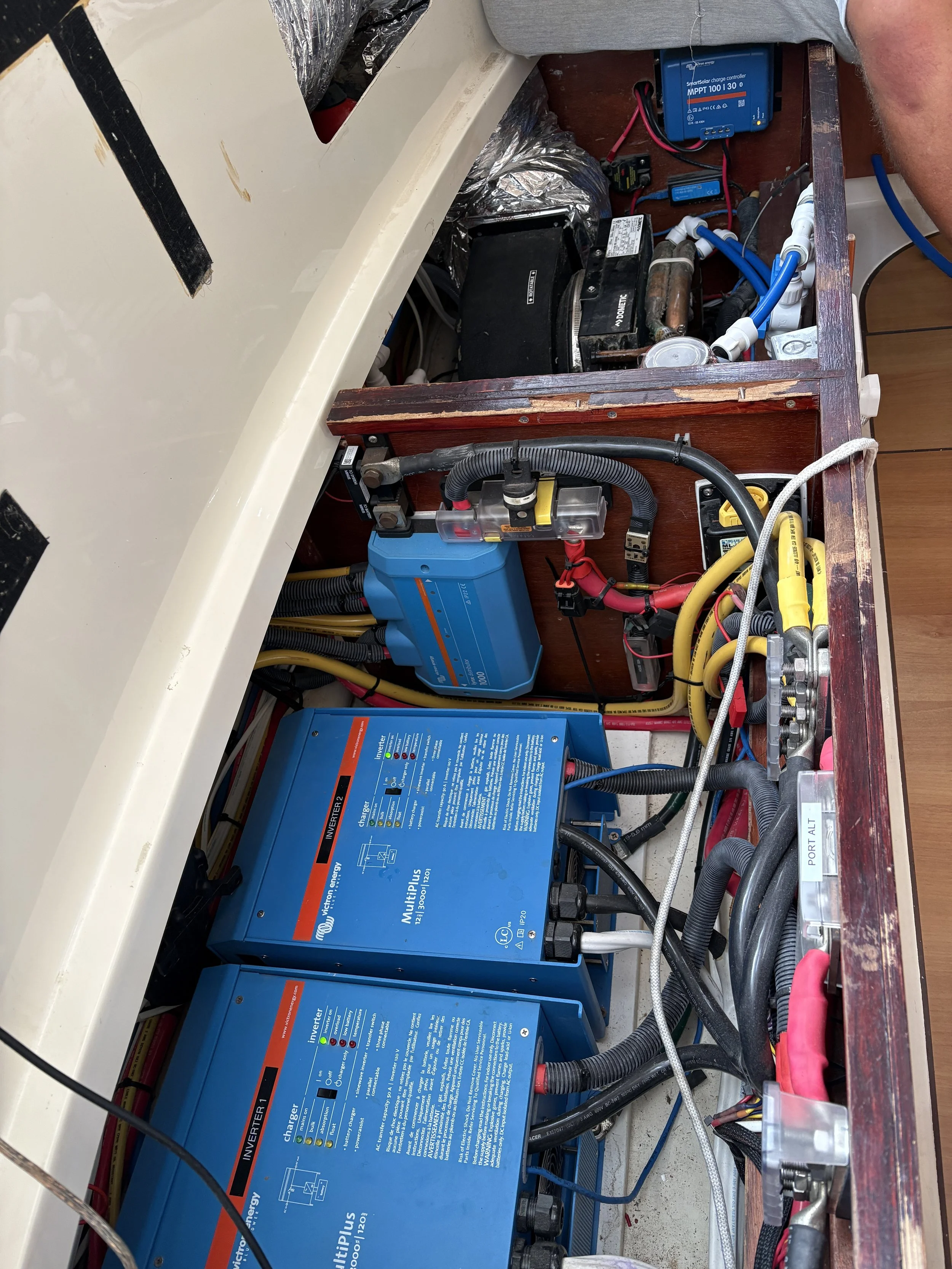
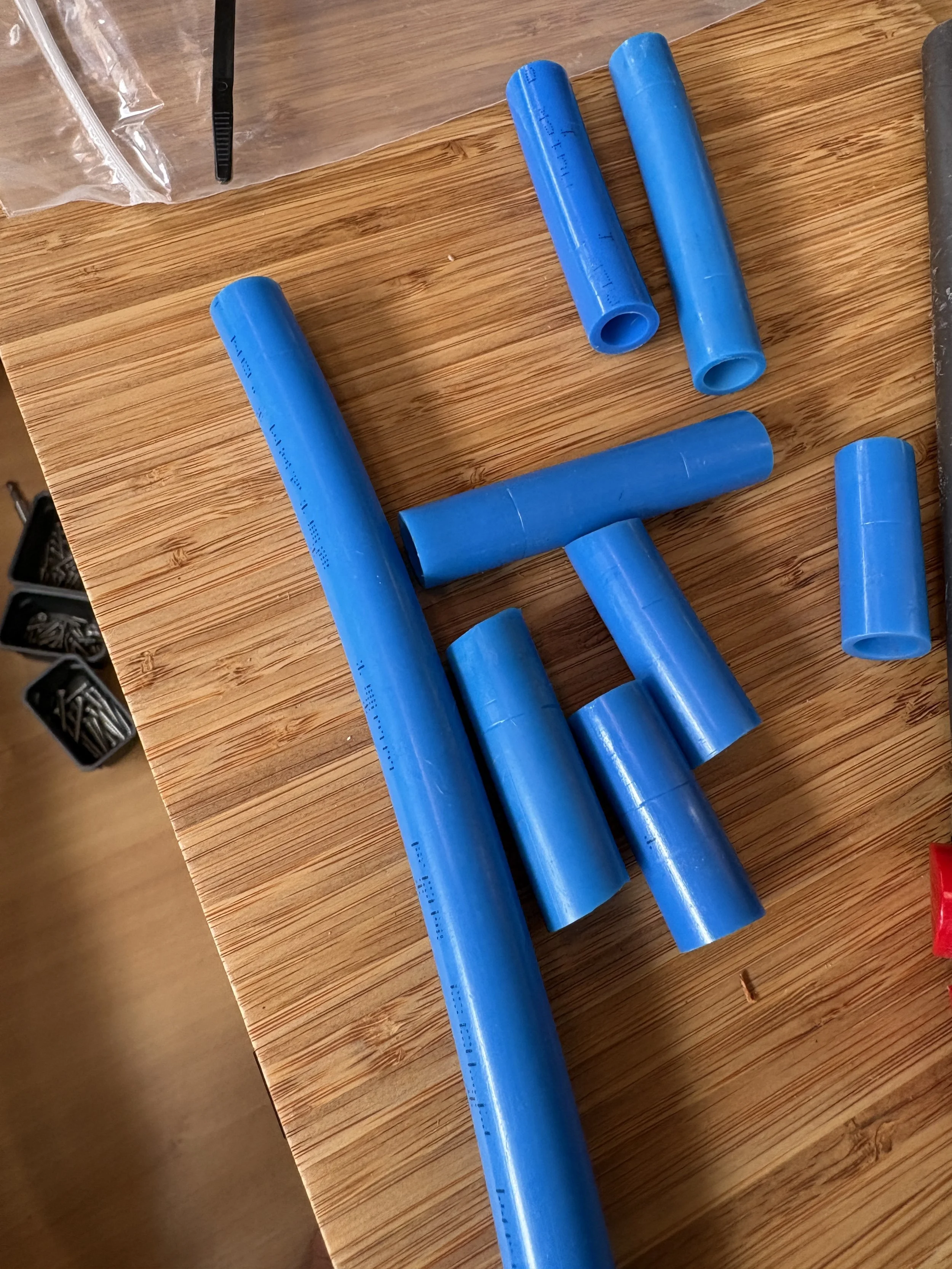
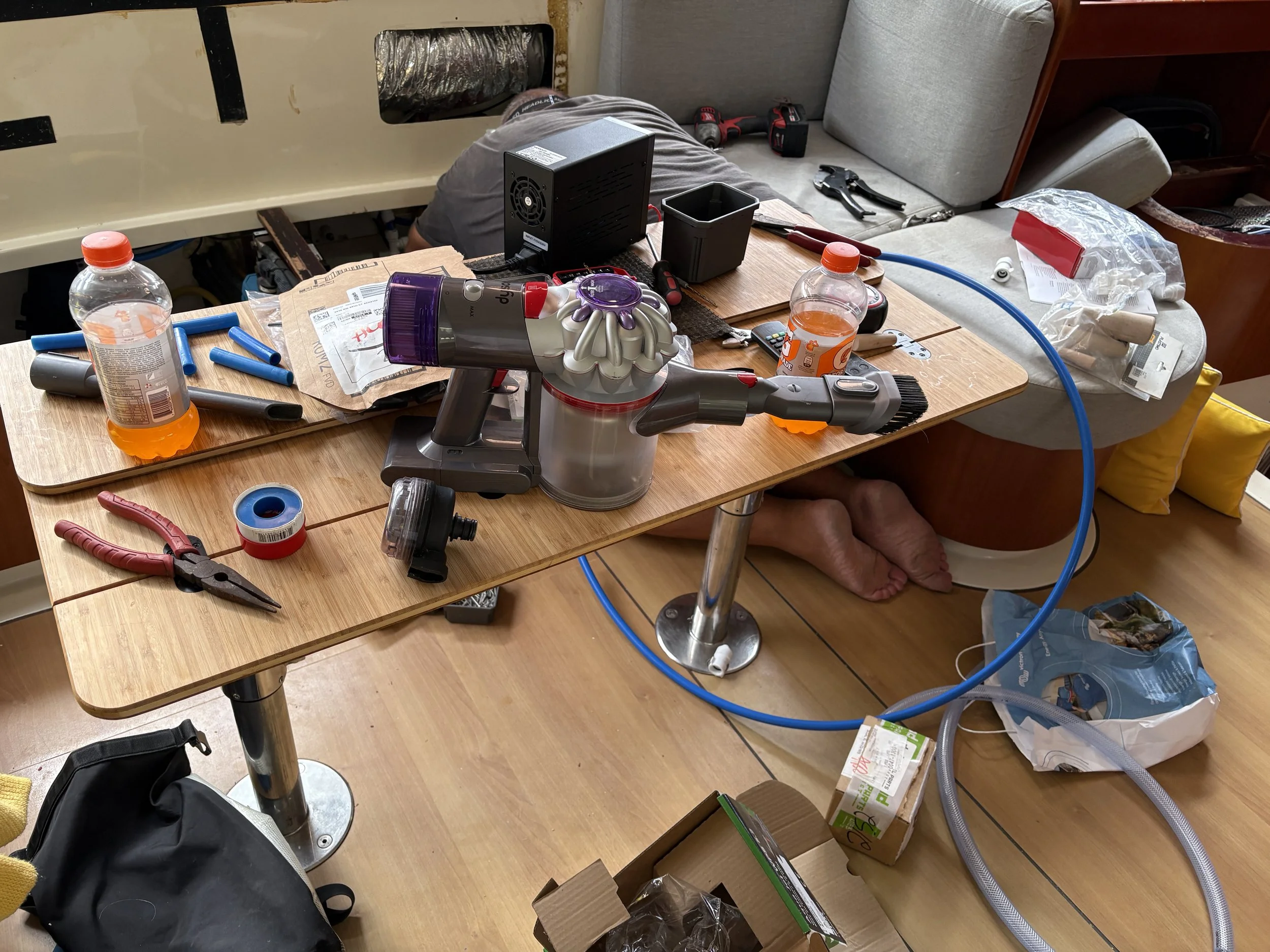
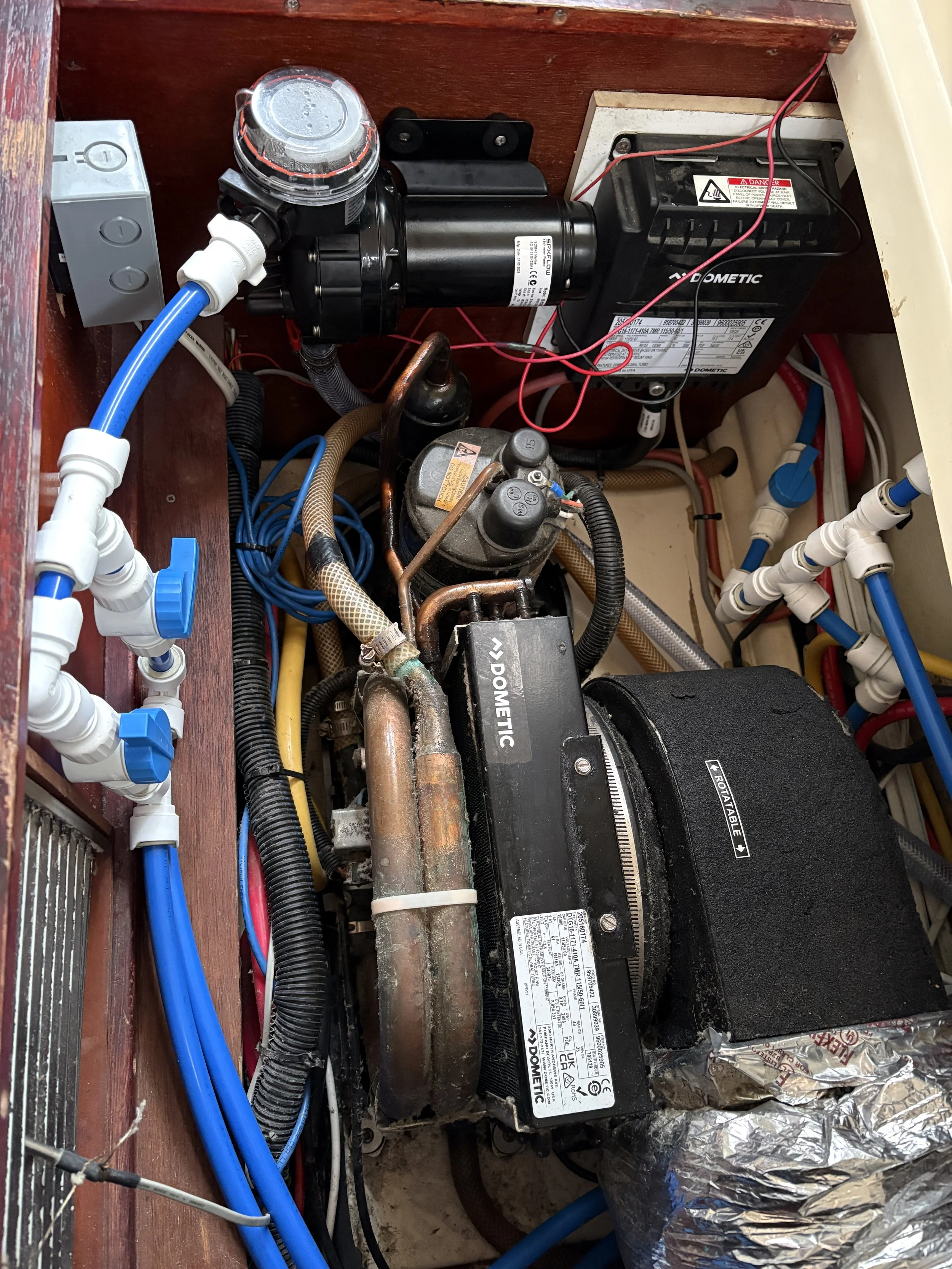
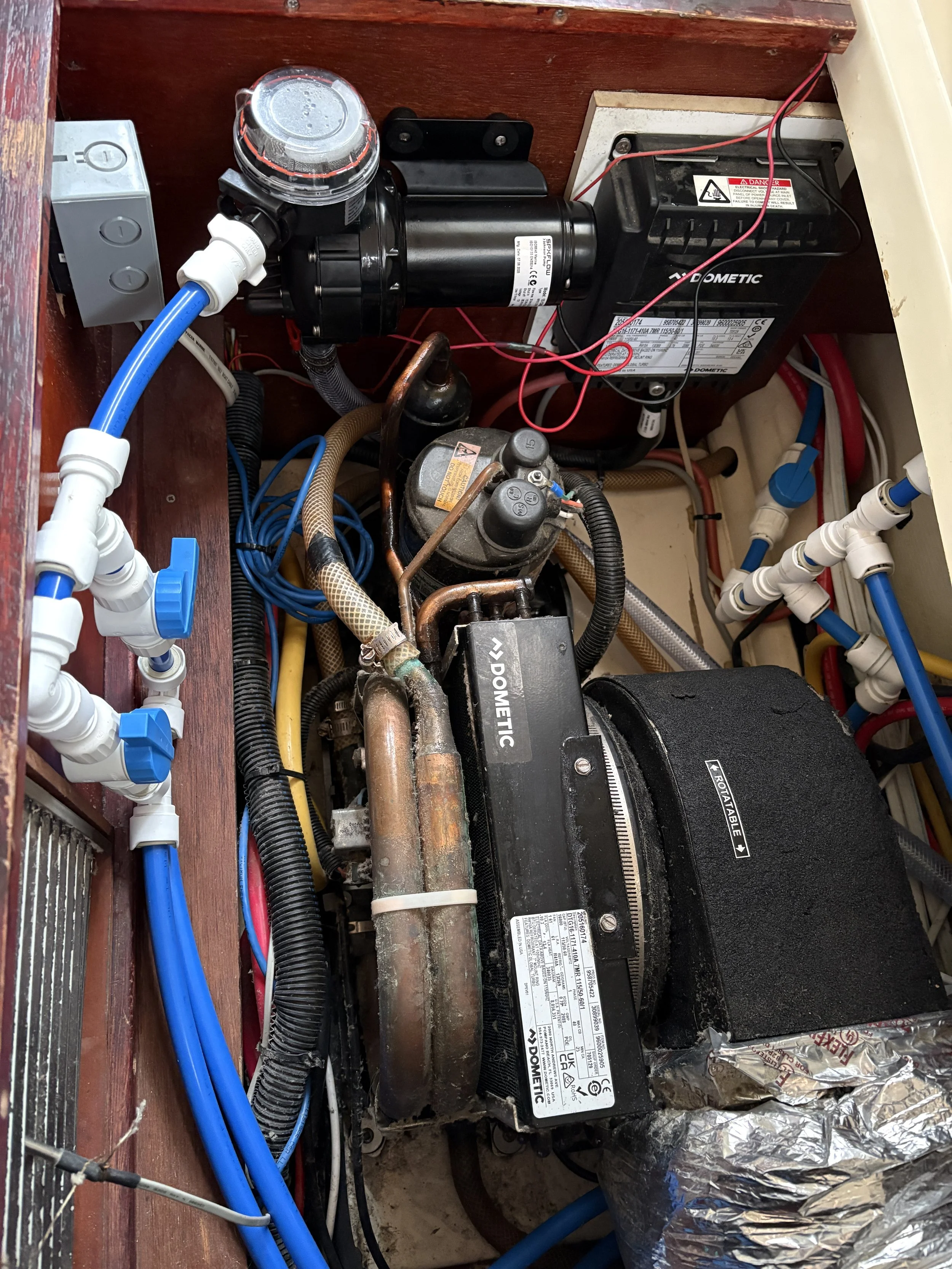
We relocated our main water pump and associated hoses, which — for reasons we’ve never quite understood — had originally been installed directly above our large electrical inverters. It always made us slightly uneasy; water and high-powered electrics are not a pairing you want to test offshore.
It’s one of those boat jobs where, visually, nothing looks any different. No shiny upgrades, no obvious transformation. But it’s another quiet tick on the spreadsheet — another box turned green — and we definitely sleep better knowing it’s no longer hanging over thousands of watts of electrical kit.
We worked our way methodically through all of our safety equipment — swapping out batteries in the CO and smoke alarms and checking our EPIRB (Emergency Position Indicating Radio Beacon). It’s a satellite-connected, battery-powered device designed to alert search and rescue services and transmit the precise location of a vessel in distress. We carry one main unit for the boat, plus five personal EPIRBs which we clip onto our life vests whenever we’re on passage.
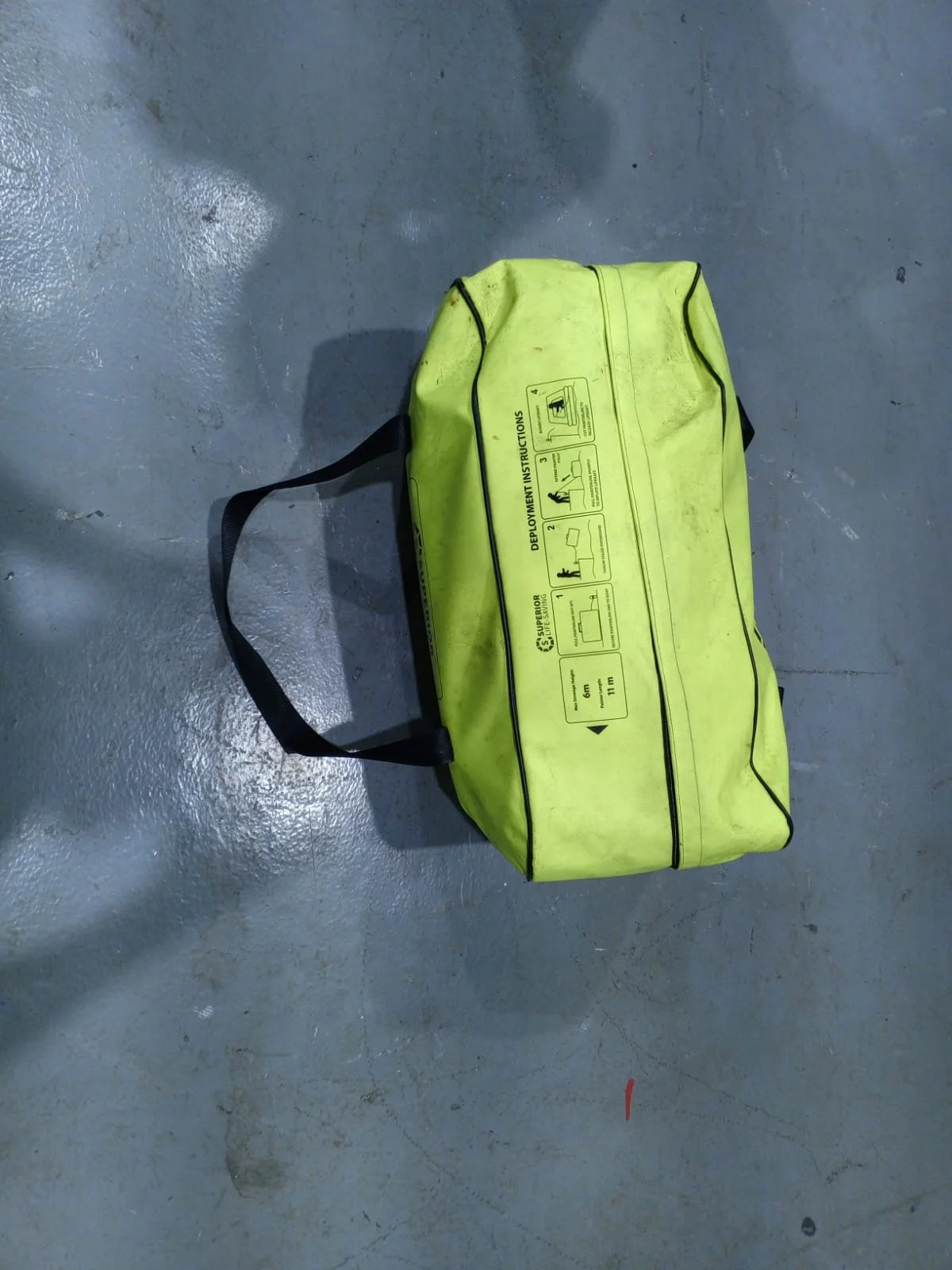
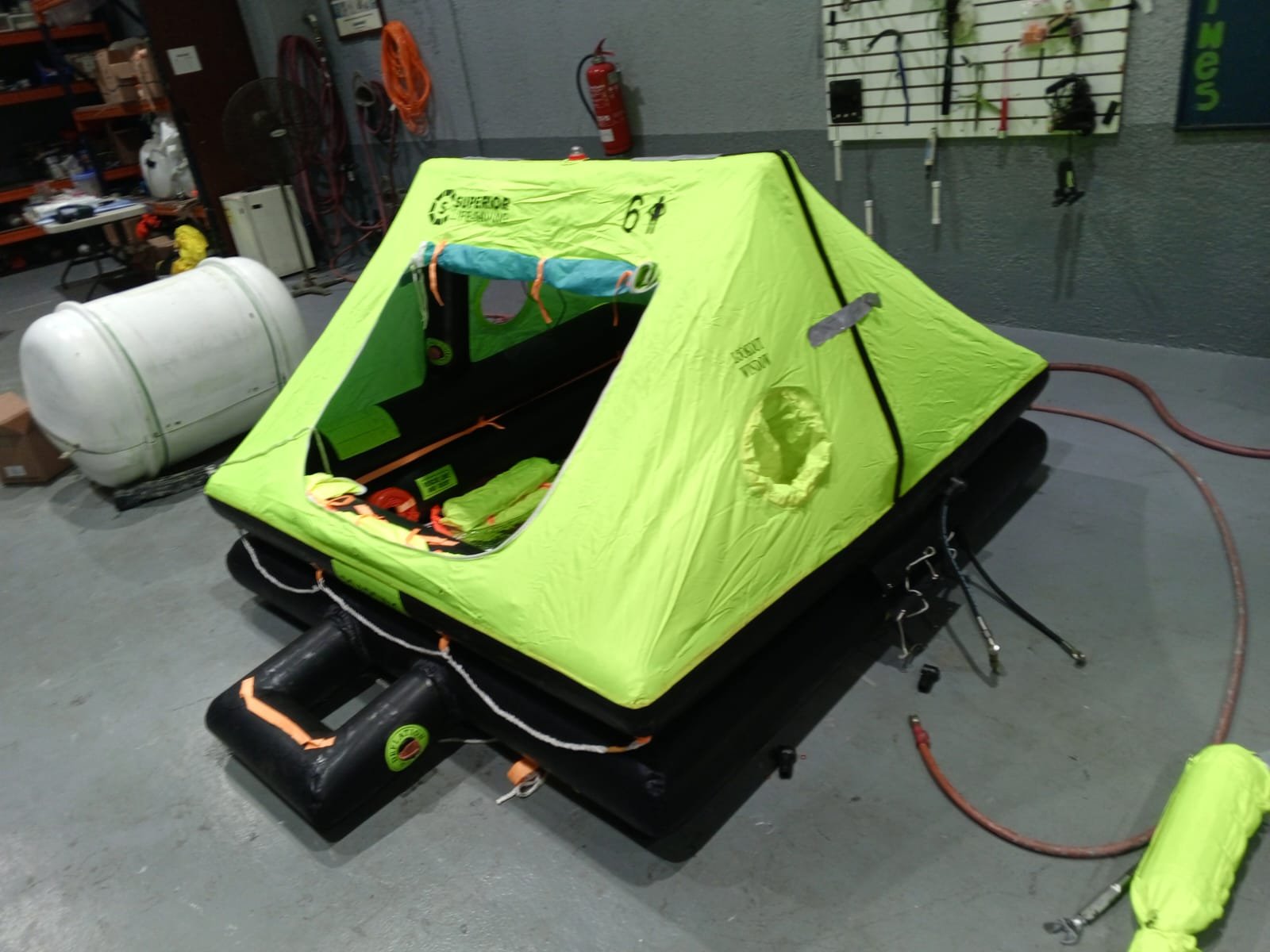
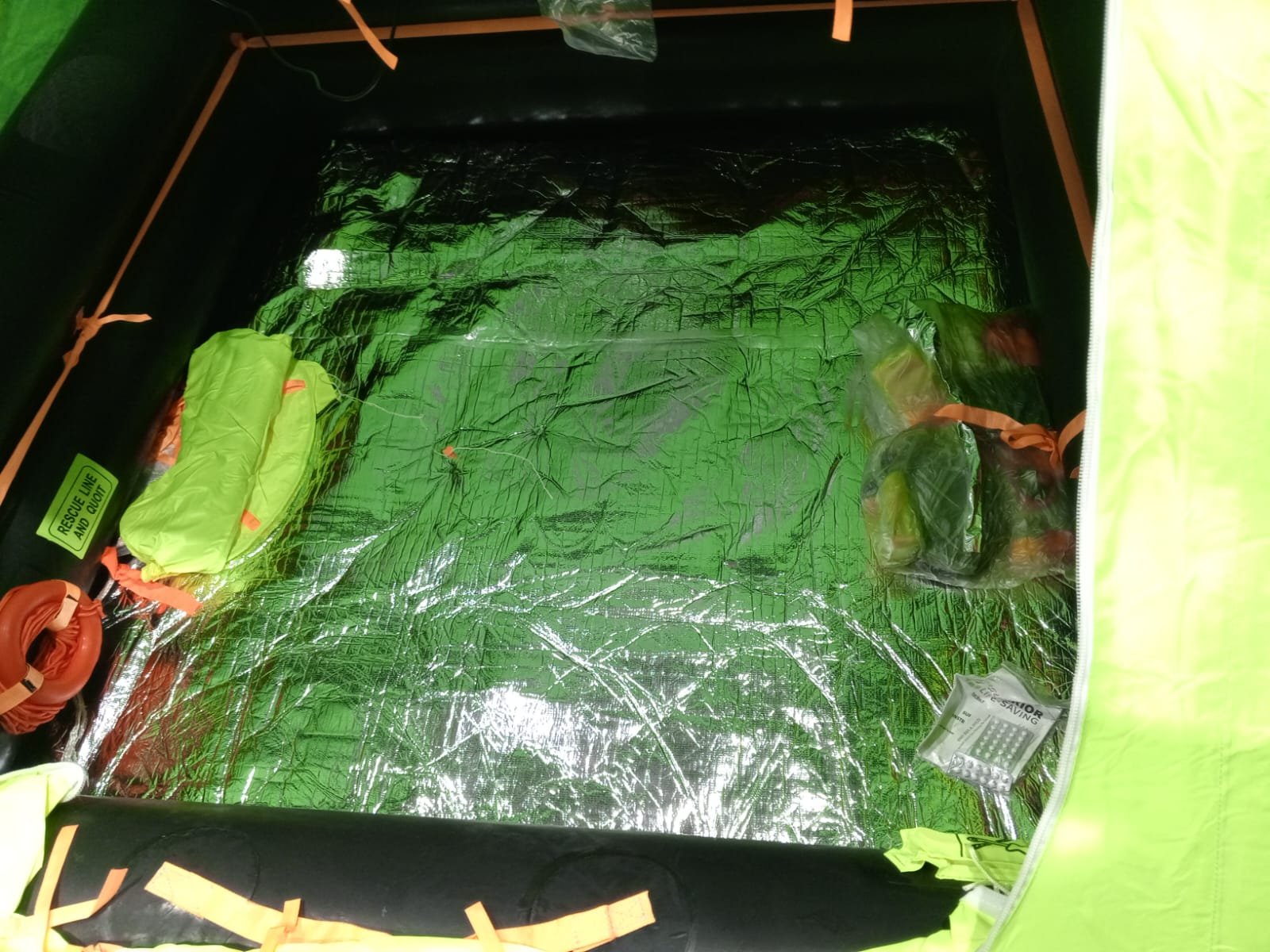
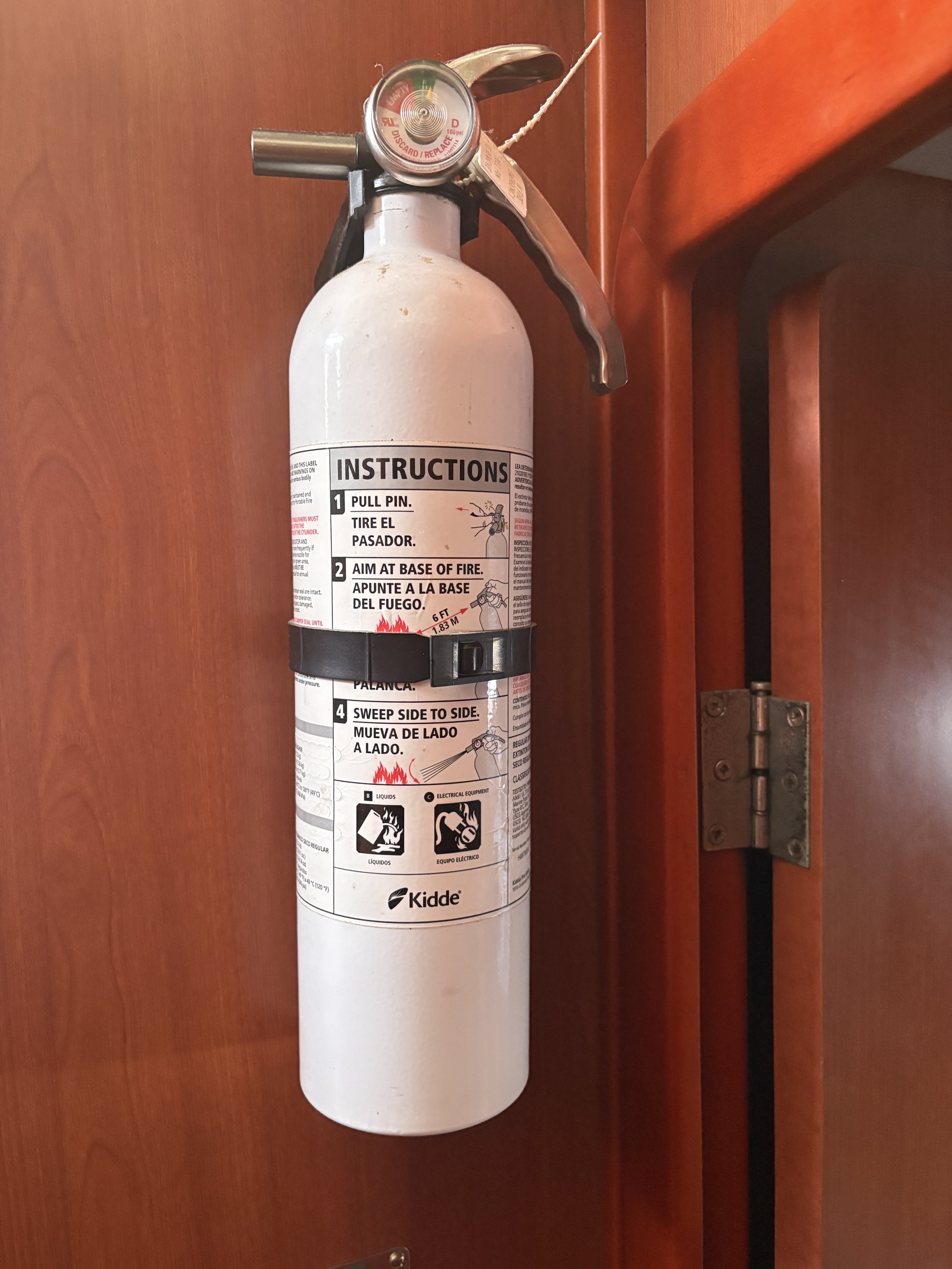
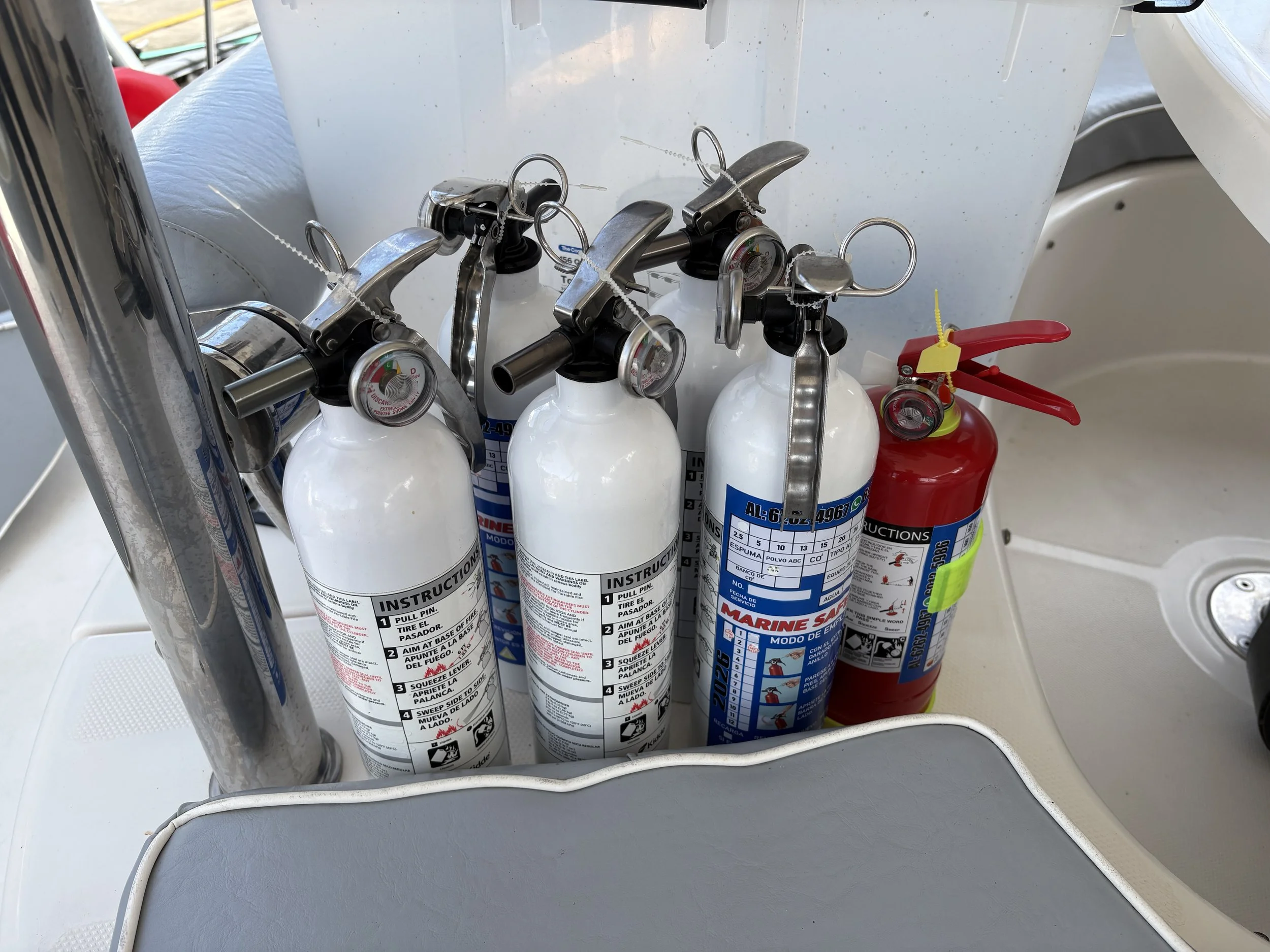
Our fire extinguishers were refilled and re-certified, and the life raft went off for servicing too. It’s quite the process — fully inflated and left up for 24 hours to ensure there are no leaks, then restocked with new flares and emergency provisions before being repacked and re-gassed, ready (hopefully never) to be deployed. It’s one of those slightly sobering jobs, but essential peace of mind before heading offshore.
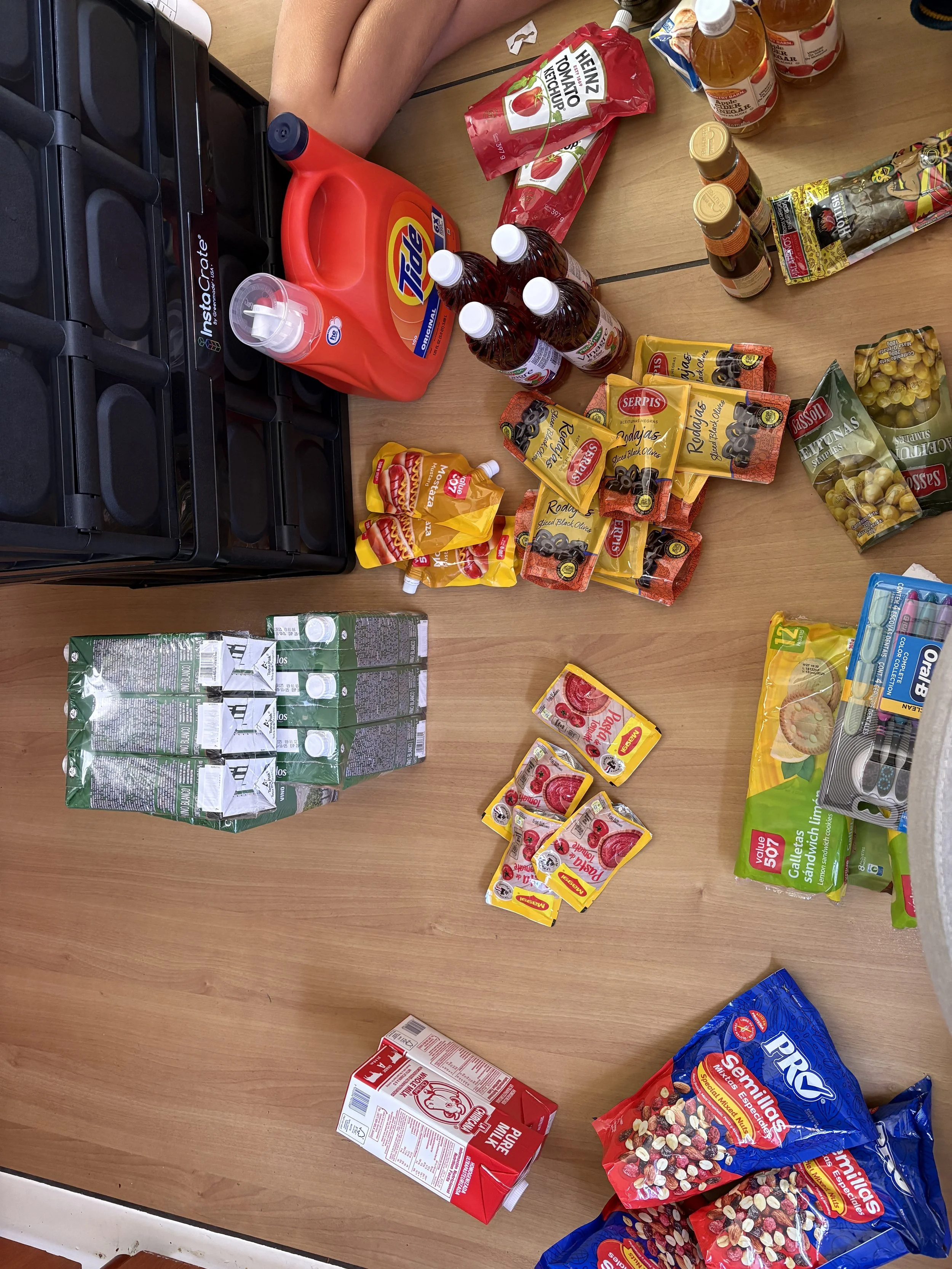
We’ve also started the not-insubstantial job of provisioning… and this one genuinely fries my brain a little.
Planning food for a long offshore passage is one thing. Then there’s the Galápagos — where there are strict rules about what you can and can’t bring in. And beyond that, French Polynesia, where we may not find some of the “basics” we’re used to until we reach Tahiti. We’re told flour, pasta, rice, and fresh local fruit and vegetables are generally available — but for a family that loves to cook, the real essentials are things like Thai curry pastes, Indian curry pastes, chutneys, hot sauces… all the flavour-makers we probably take for granted. Those are the kinds of items you have to think nine months ahead for.
And then there’s alcohol. Wine and beer are famously expensive out there — so we may need to mentally prepare ourselves for a season of rum-based creativity instead.
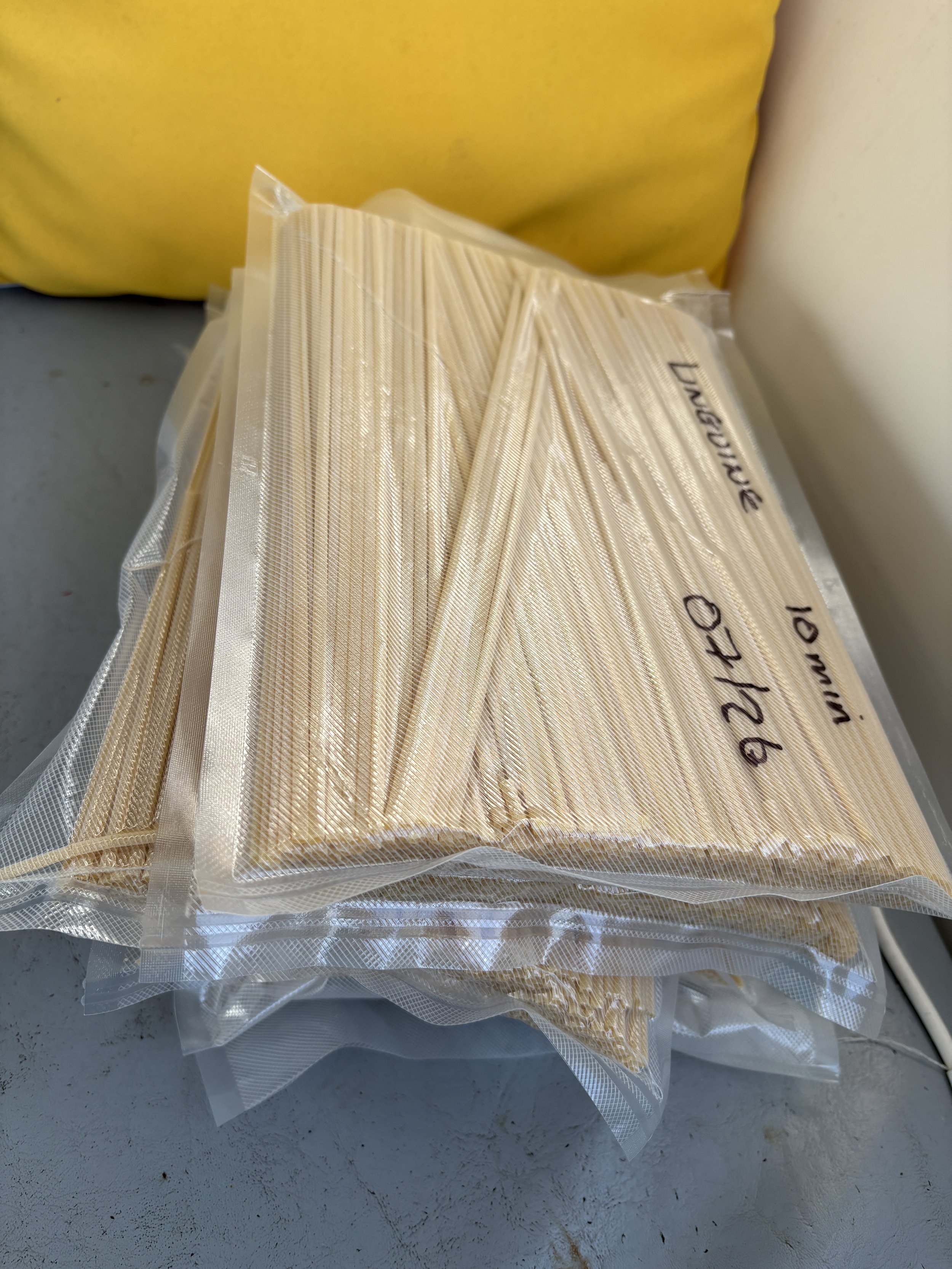
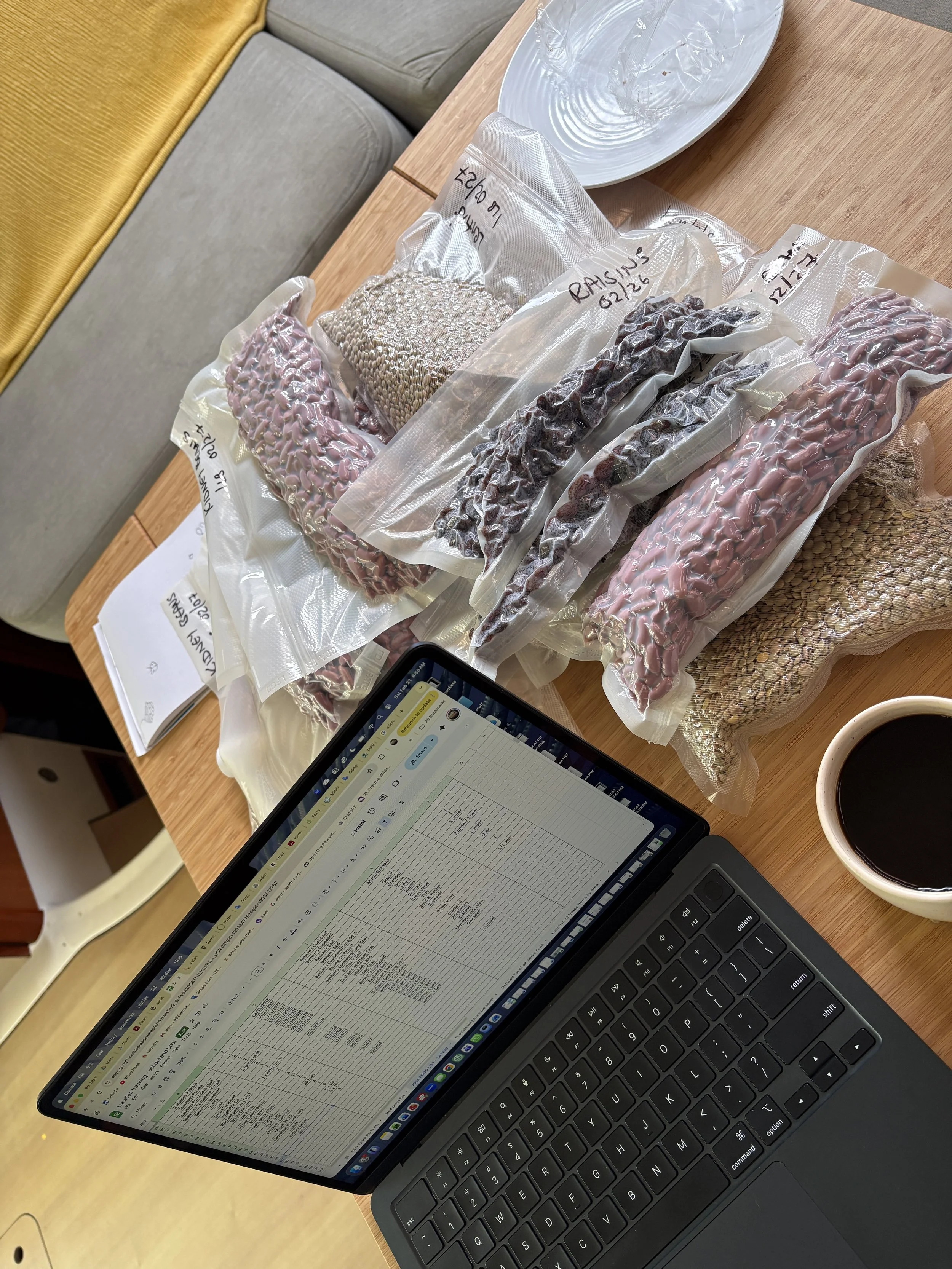
So we’re re-auditing everything on board, testing out our new vacuum sealer (with fully compostable bags so we’re not adding to the planet’s plastic problem), and freezing dry goods like pasta and beans to kill off any lurking weevil eggs before sealing and deep-storing them. Every piece of cardboard gets removed (as cockroaches love the glue in cardboard packaging!) labels taken off cans and its contents written on the top. It’s equal parts logistics exercise, science experiment, and slightly obsessive nesting instinct before we head out into the big blue.
Early in January, we made our first trip to Panama City — officially to visit the French Embassy and submit our applications for our French Polynesia Long Stay visas, but also as a bit of a city break from boat life for a few days.
Panama City immediately struck us as a melting pot of international cultures — we kept saying it felt like a Latin American version of Singapore. Founded in 1519 as a Spanish outpost, it was the first European city on the Pacific coast of the Americas and quickly became a crossroads of empire. Gold and silver from Peru were hauled across the isthmus and shipped back to Spain from here. You can still wander through the crumbling stone remains of the original settlement at Panamá Viejo and picture mule trains, treasure chests, and all the ambition that once flowed through this narrow strip of land.
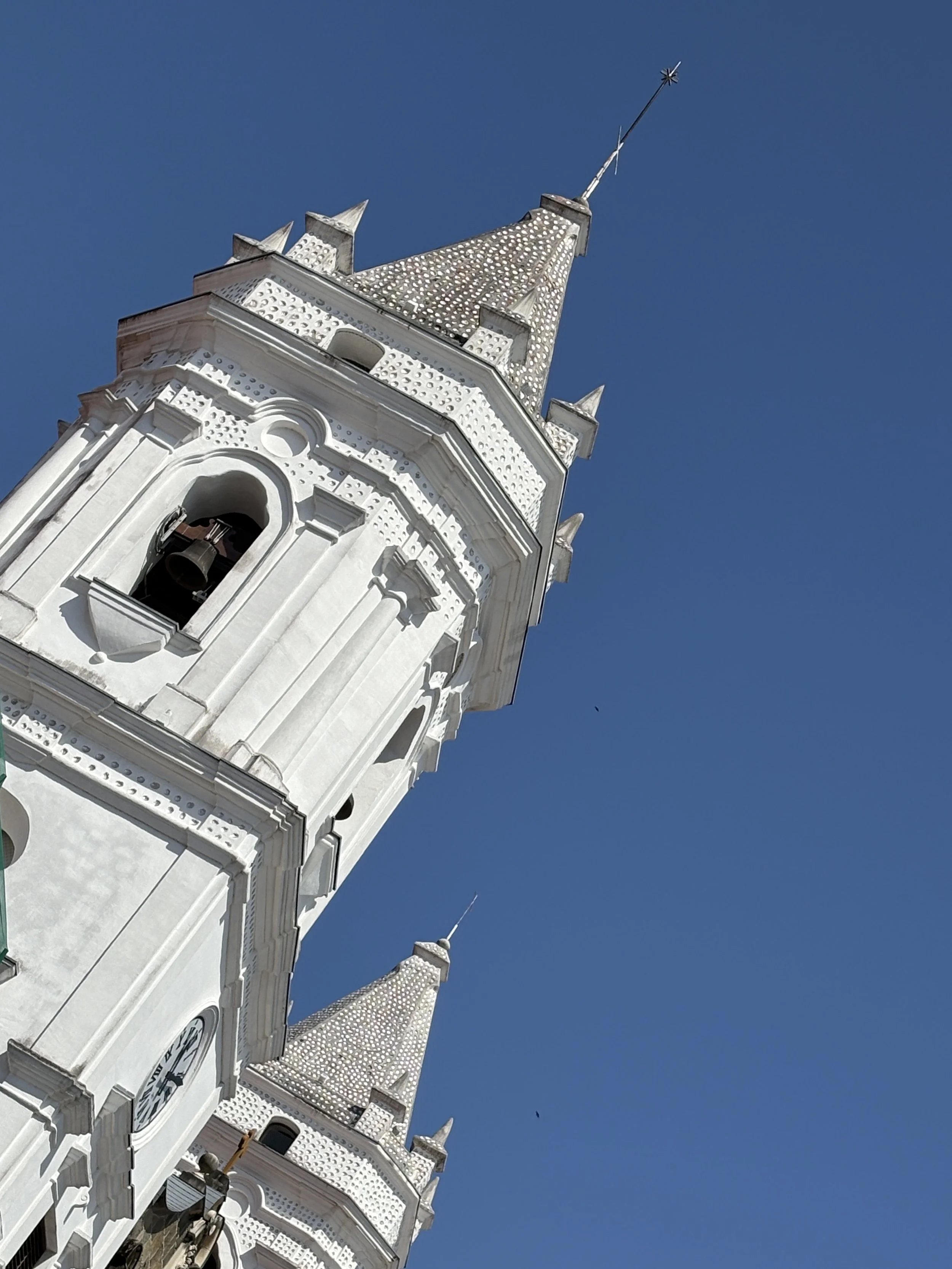
In 1671, the infamous pirate Henry Morgan attacked and destroyed the original city. Rather than rebuild on the same site, the Spanish moved it a few miles down the coast to what is now Casco Viejo. That old quarter is genuinely stunning — coloured balconies, crumbling churches, rooftop bars, and quiet plazas — all backed by the gleaming skyline of modern Panama City rising just beyond it.
The fish market sits right on the edge of the old town and perfectly captures the city’s energy — fishing boats unloading their catch, nets piled high, vendors filleting at lightning speed, and within a few steps you’re sitting down with a bowl of the freshest ceviche imaginable. In just a few days we managed an excellent Indian curry, a full Chinese banquet, and very respectable burgers
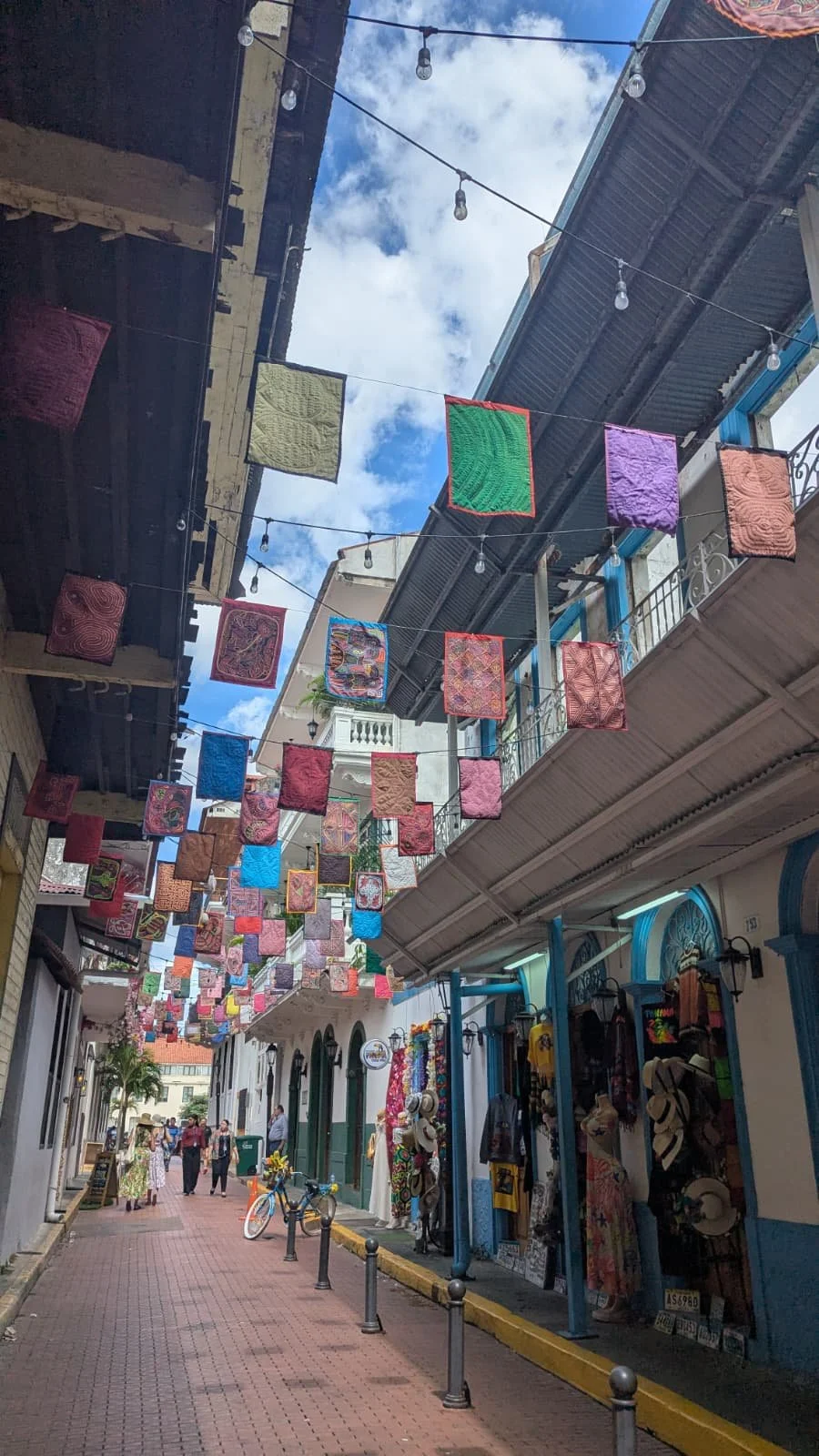
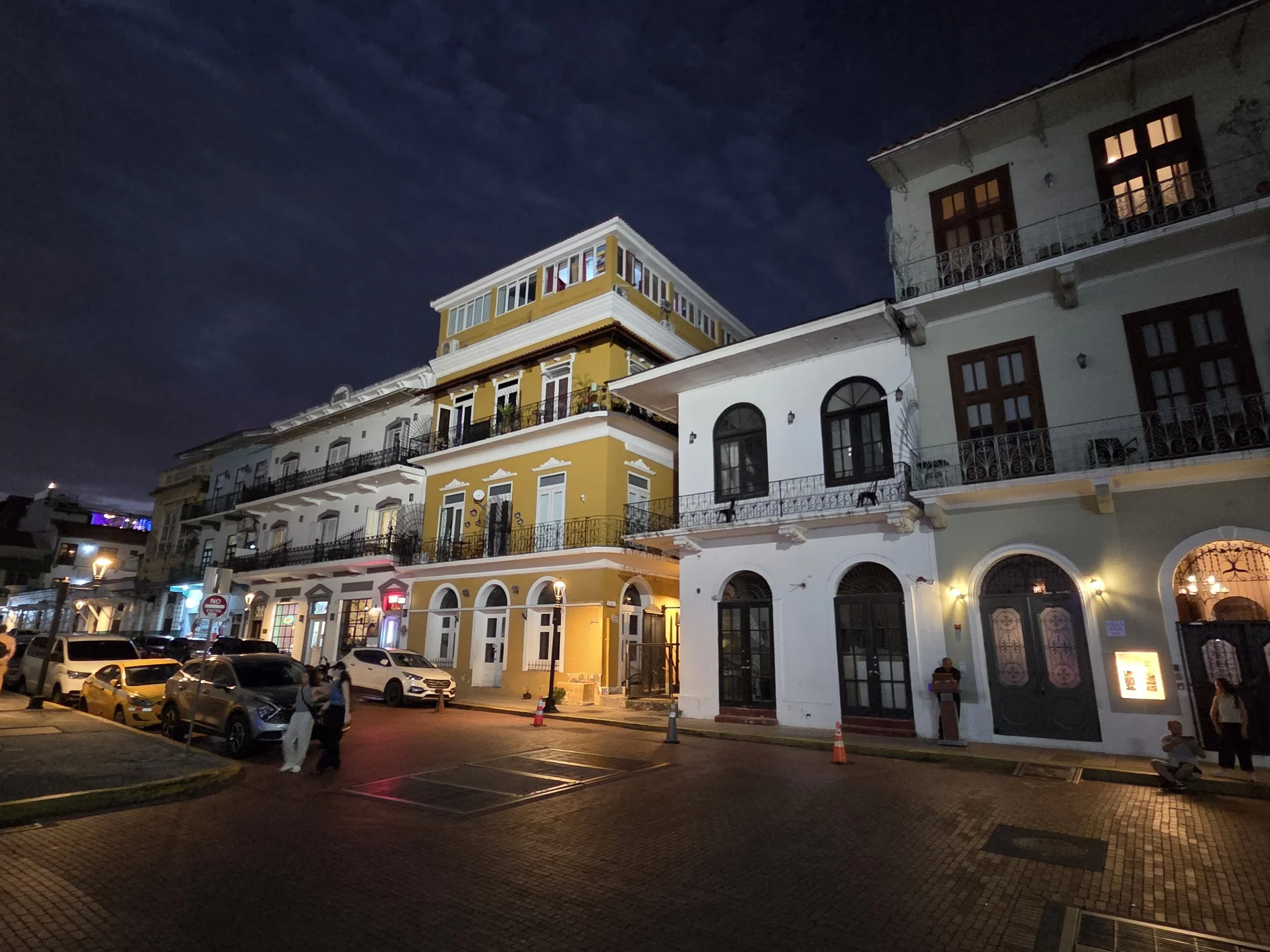
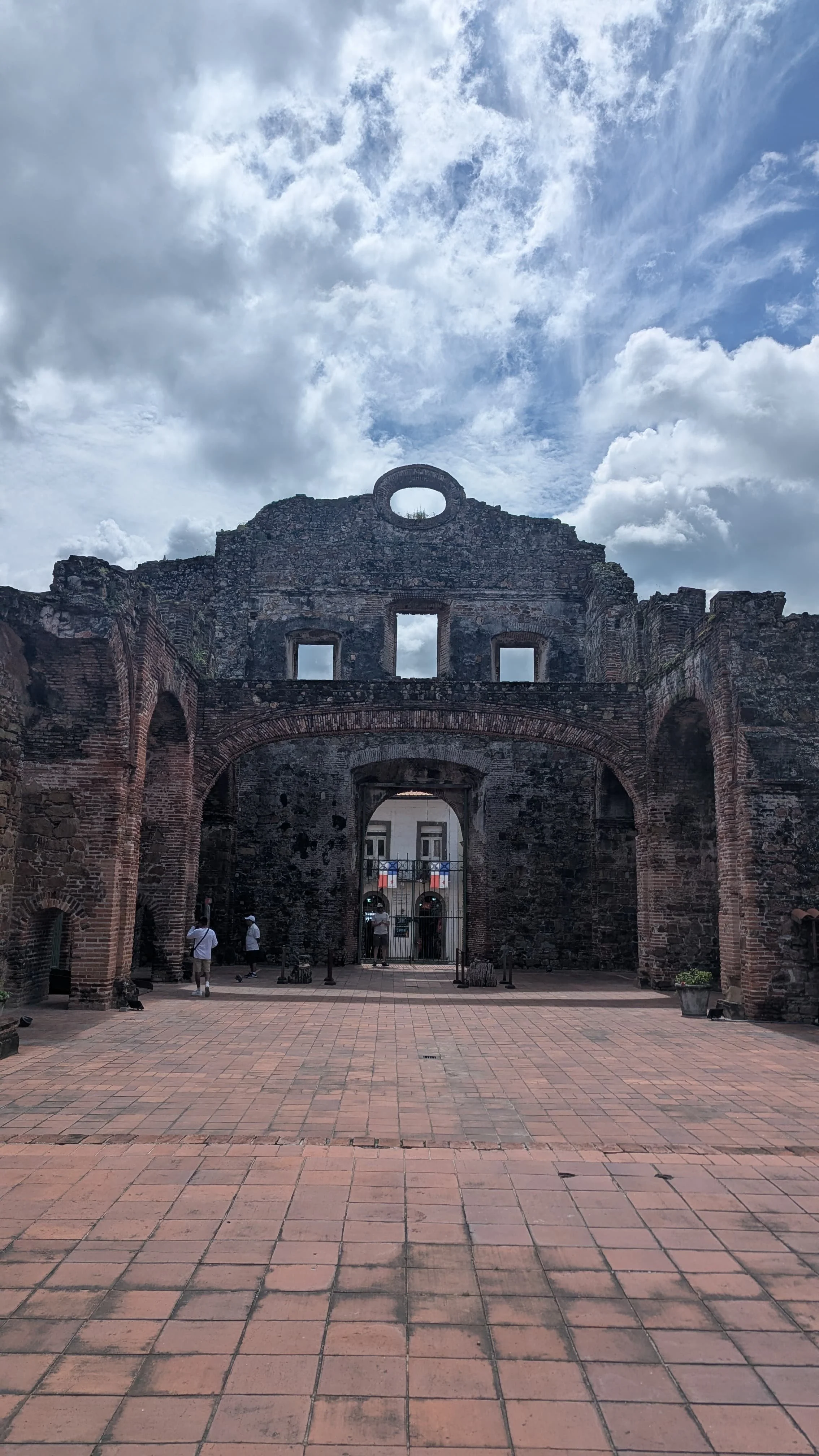
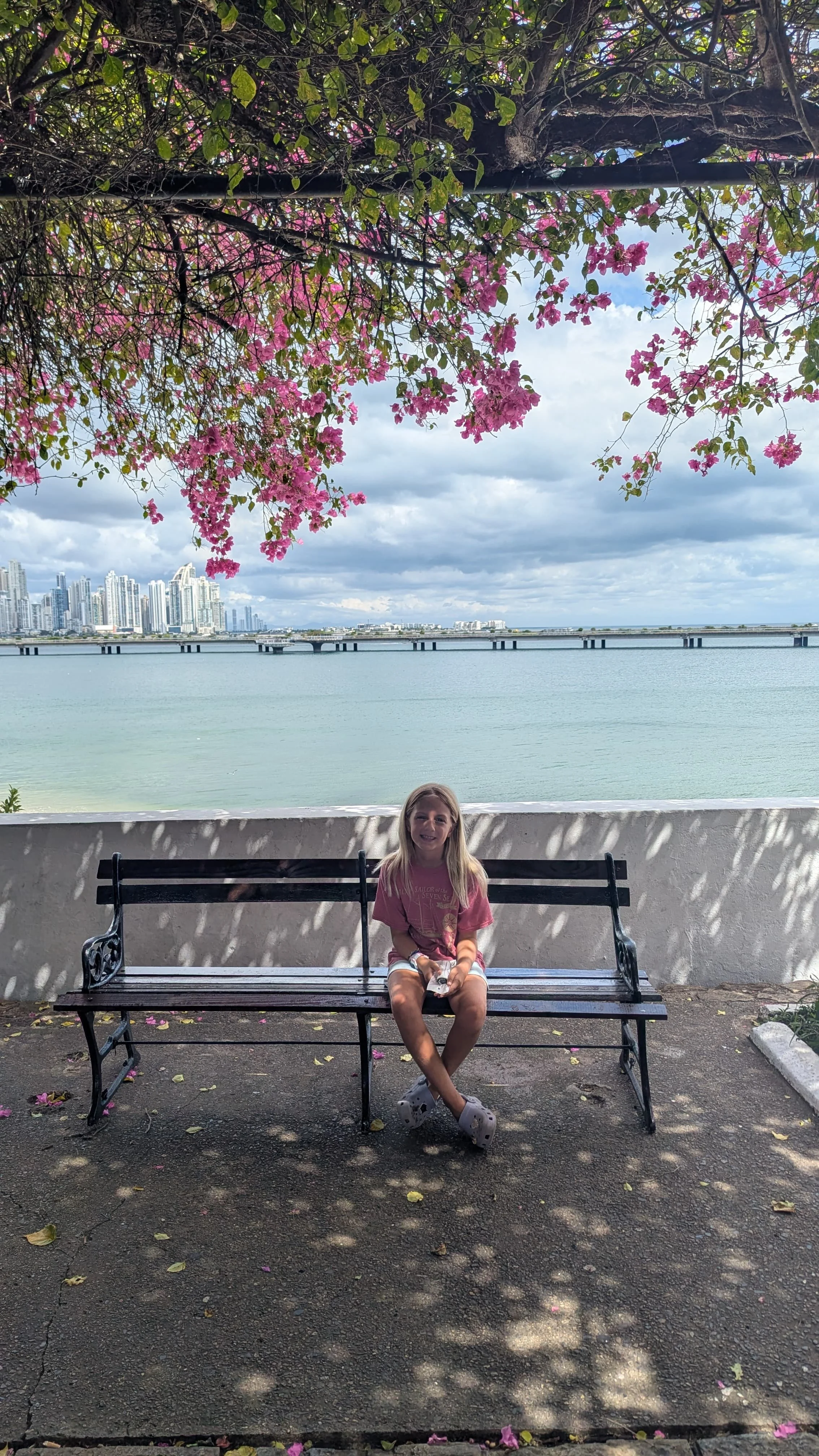
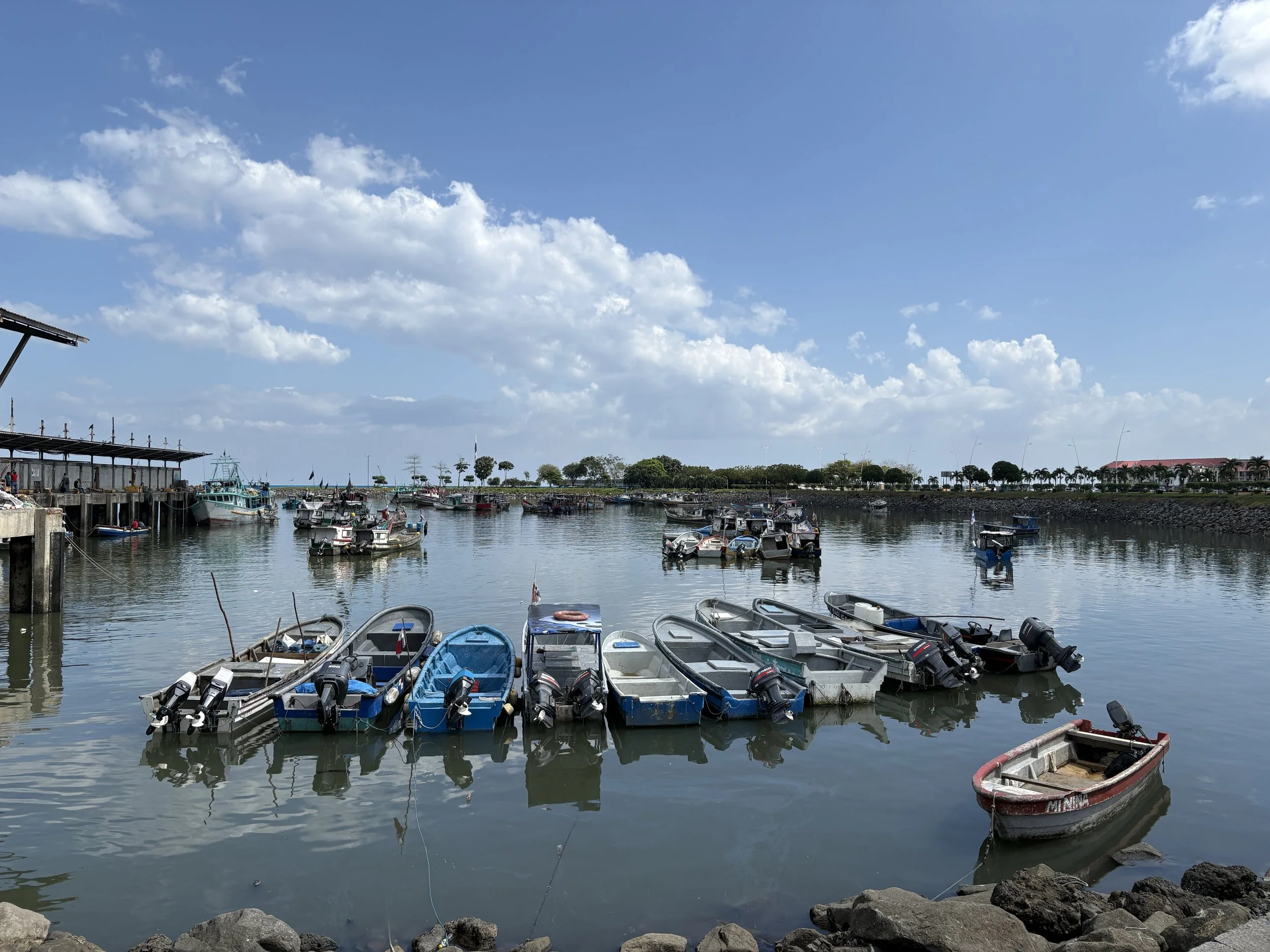
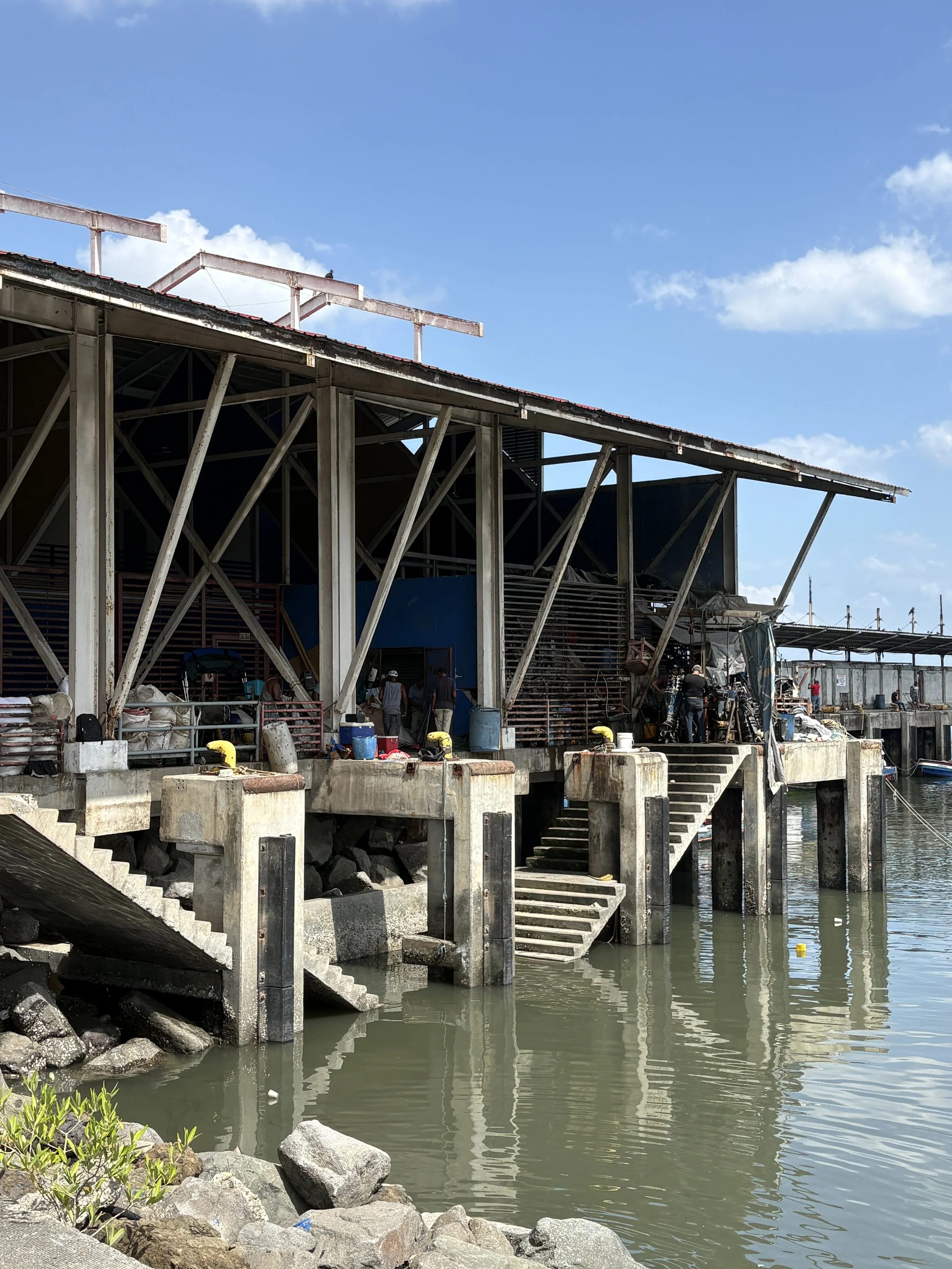
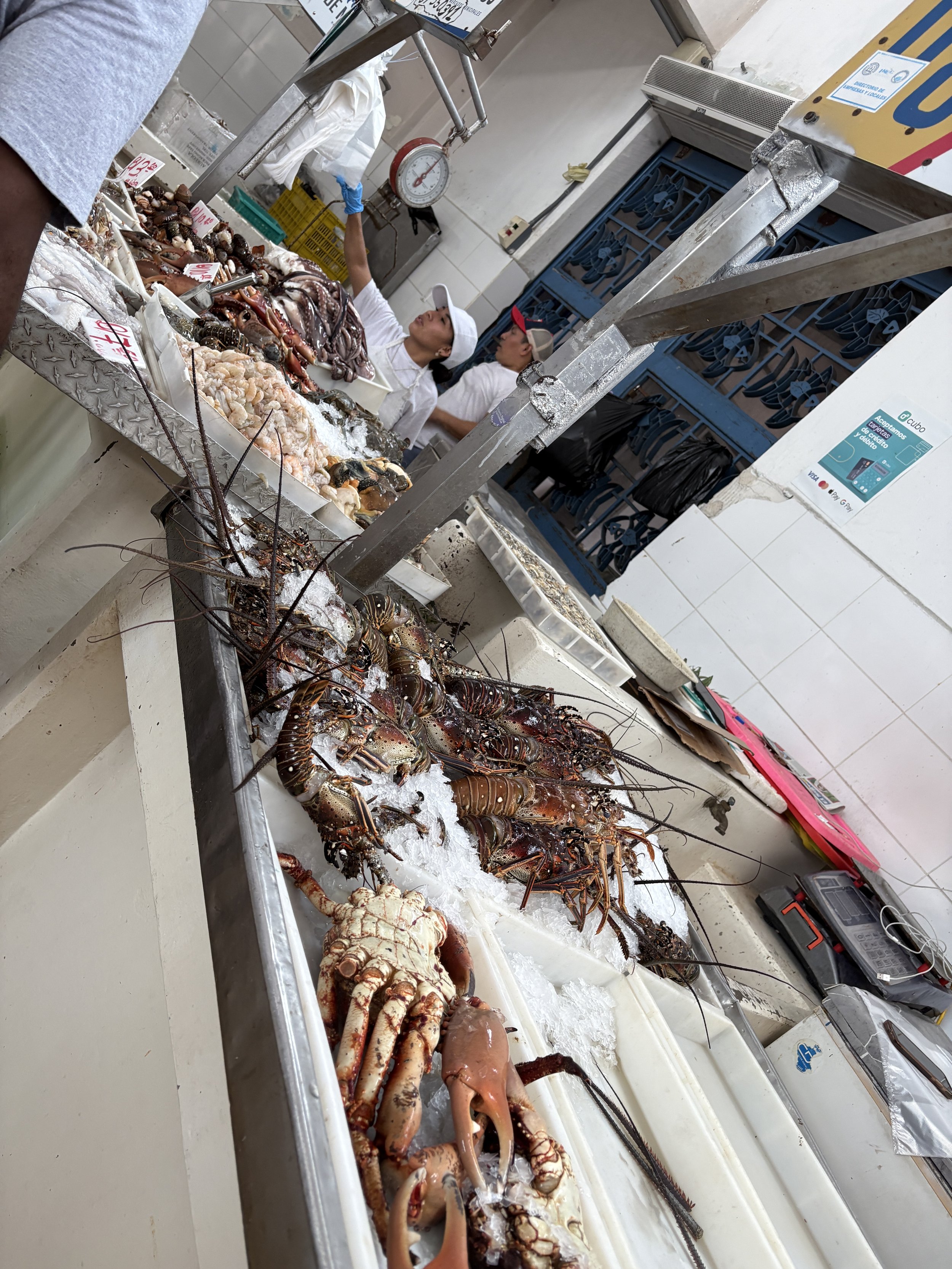
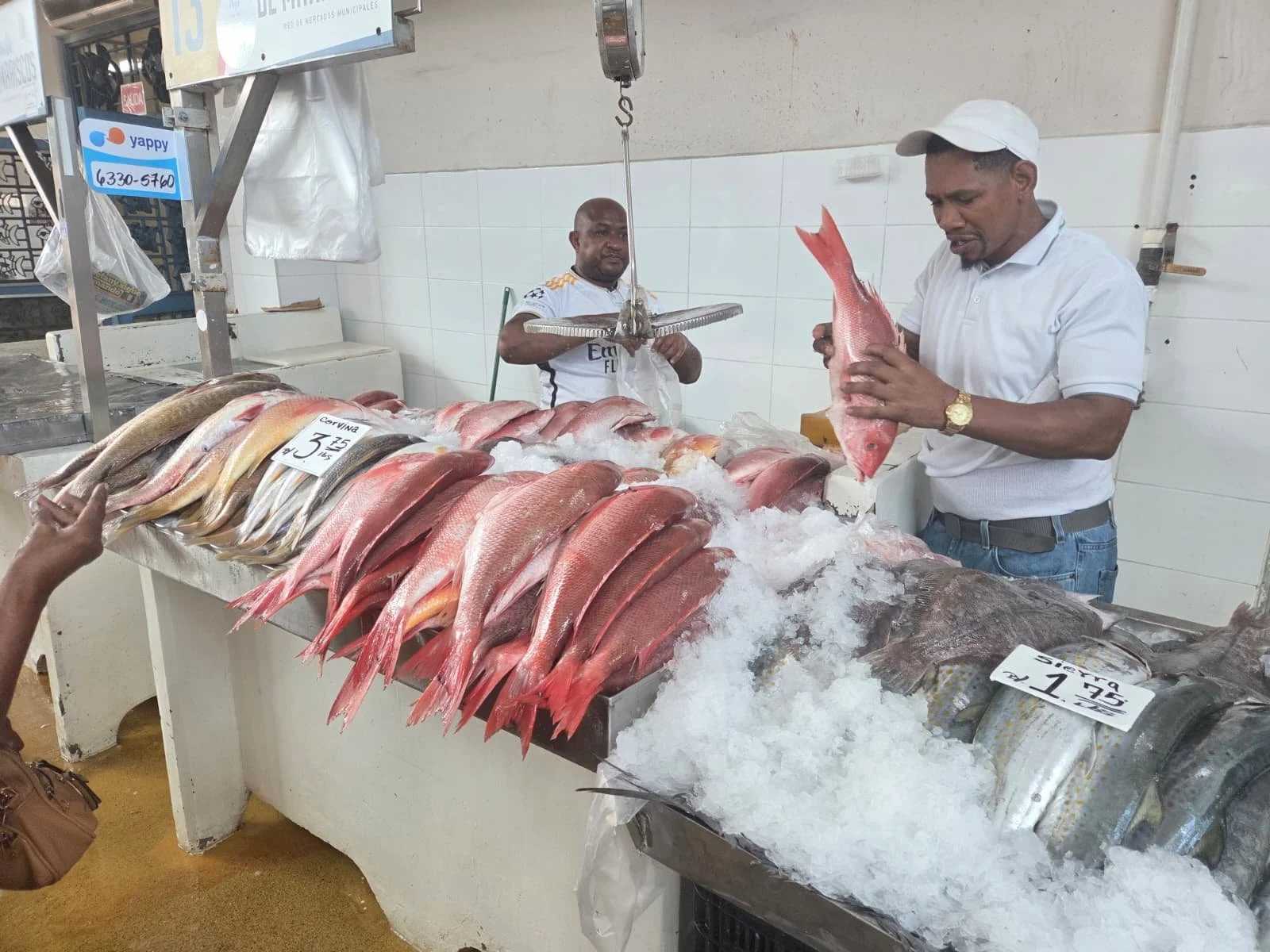
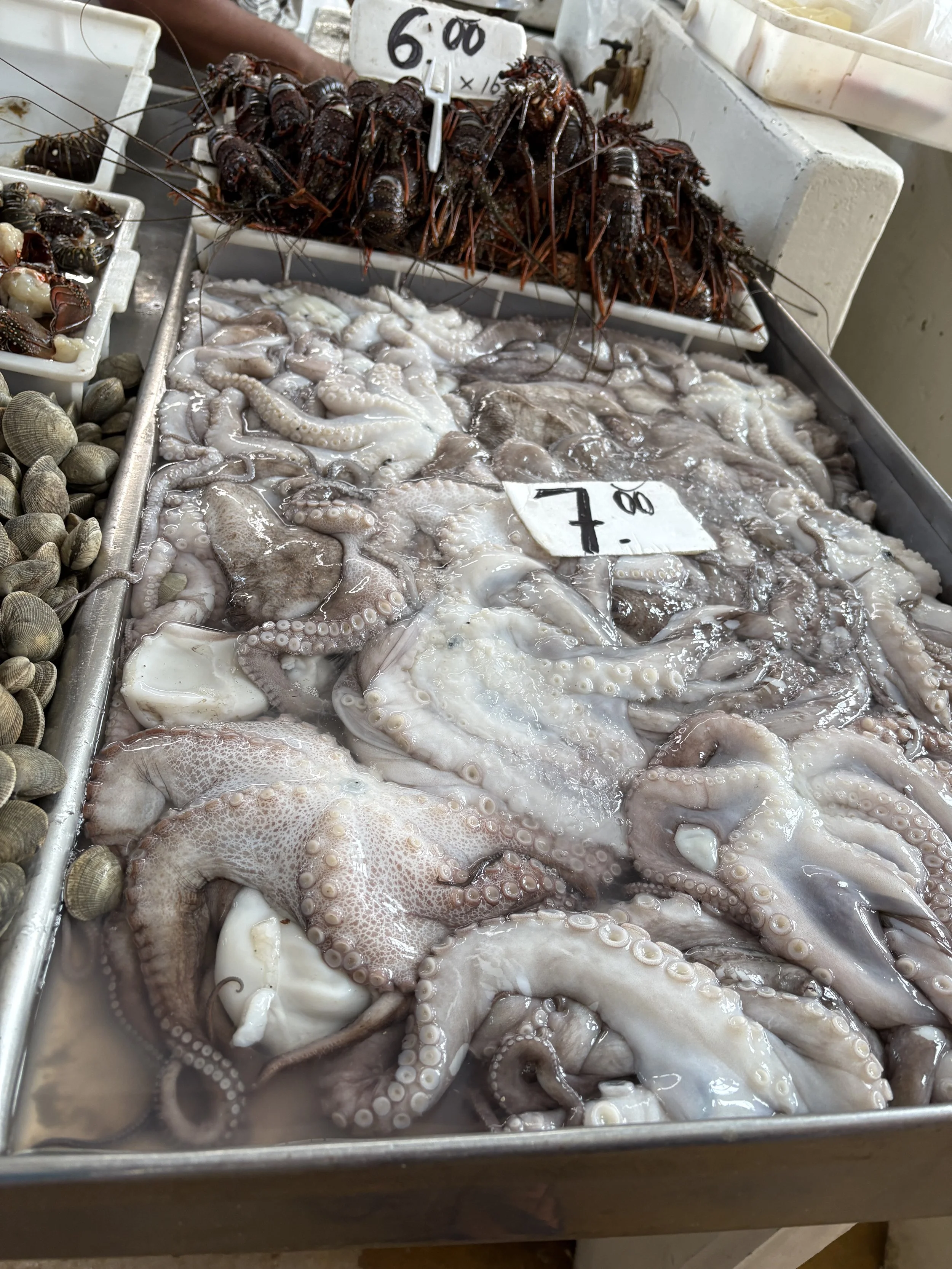
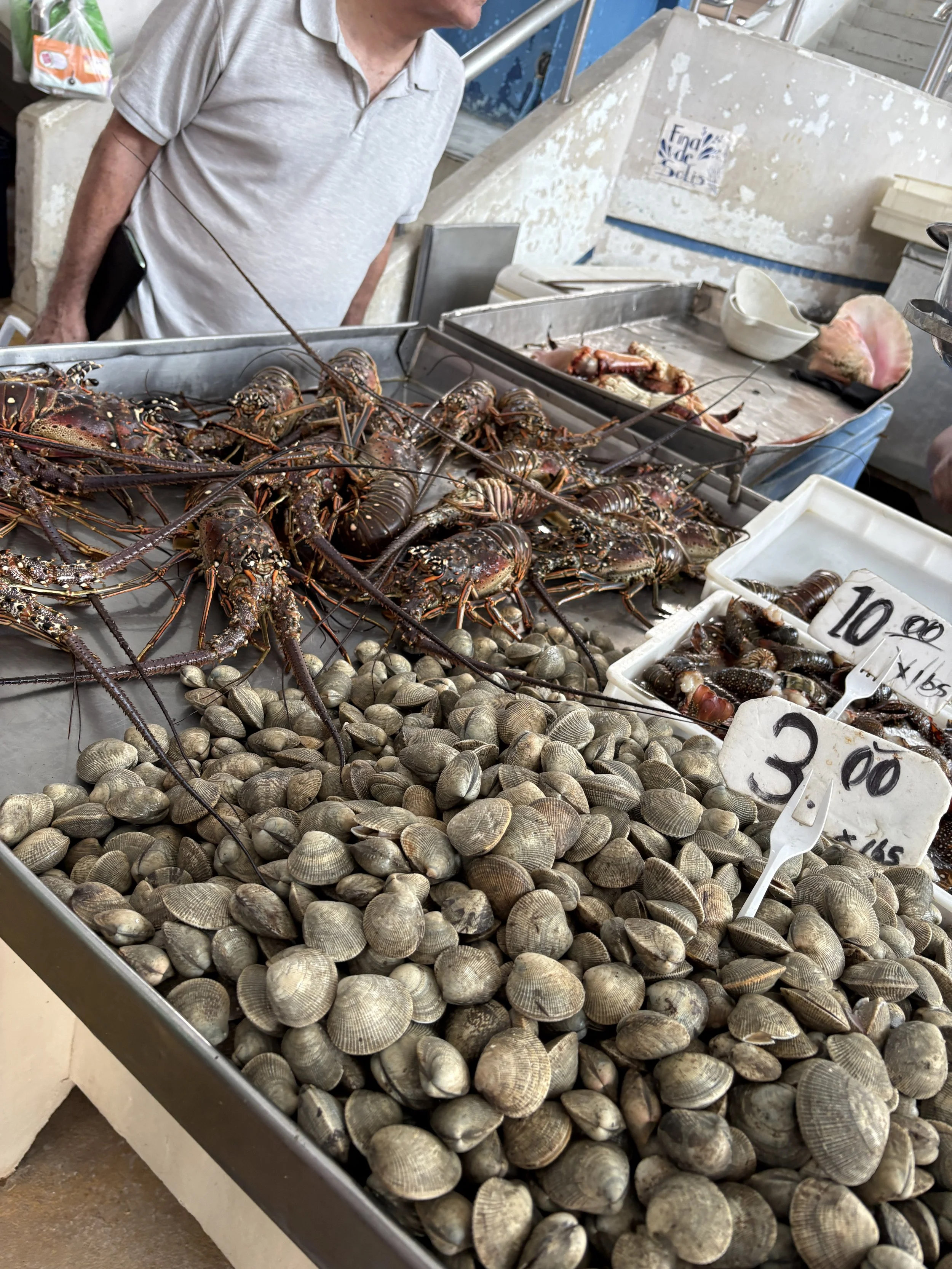
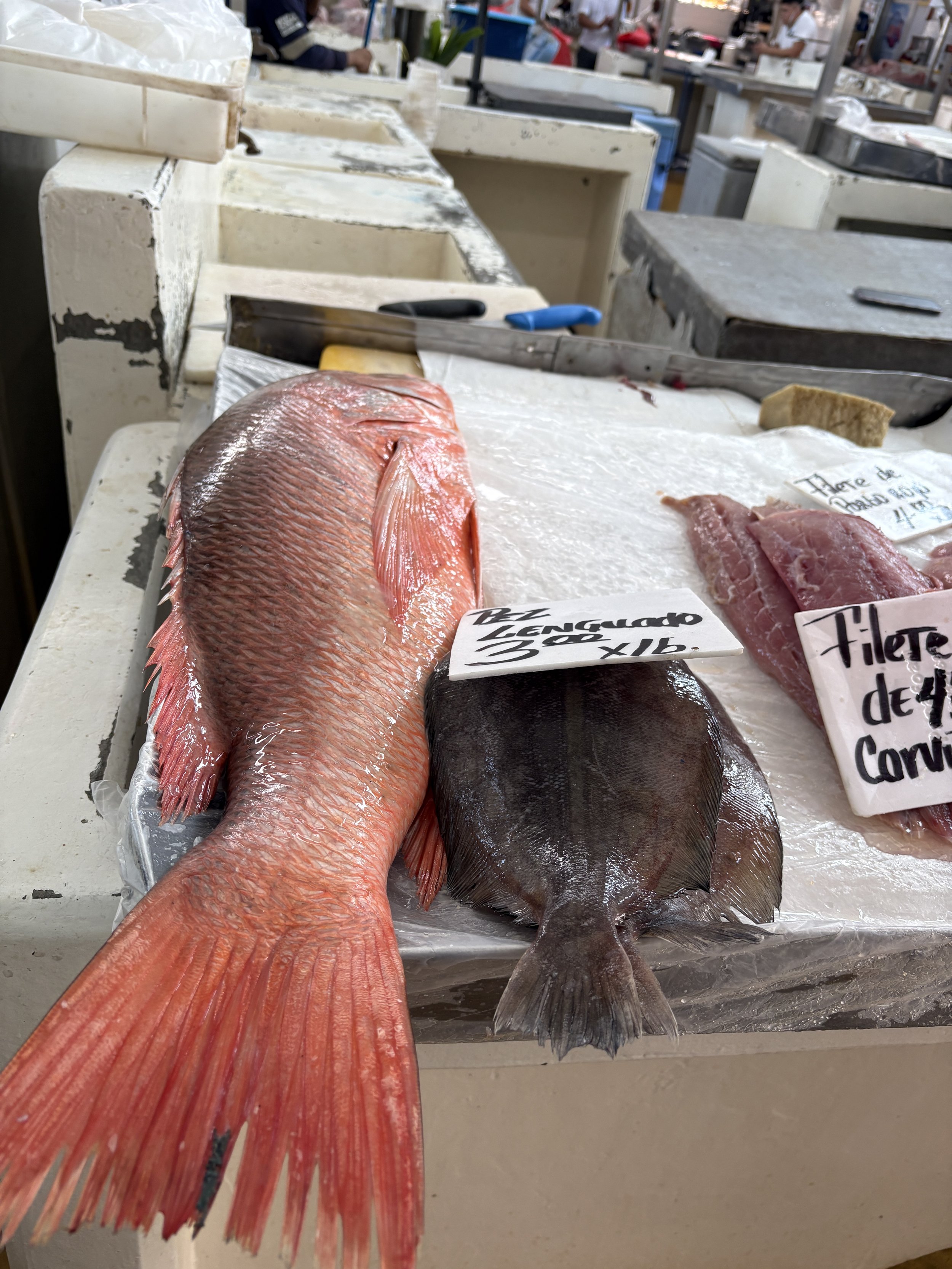
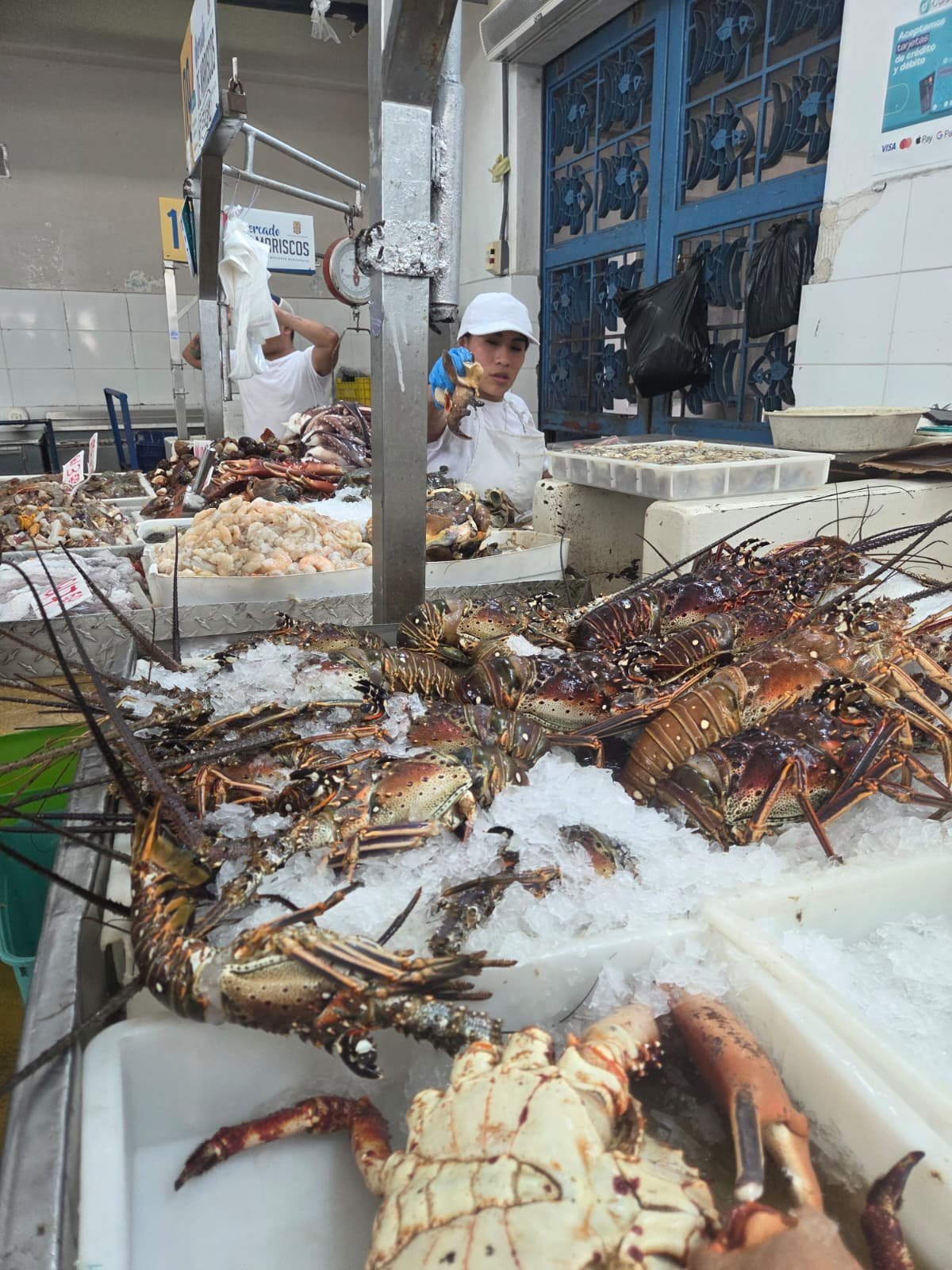
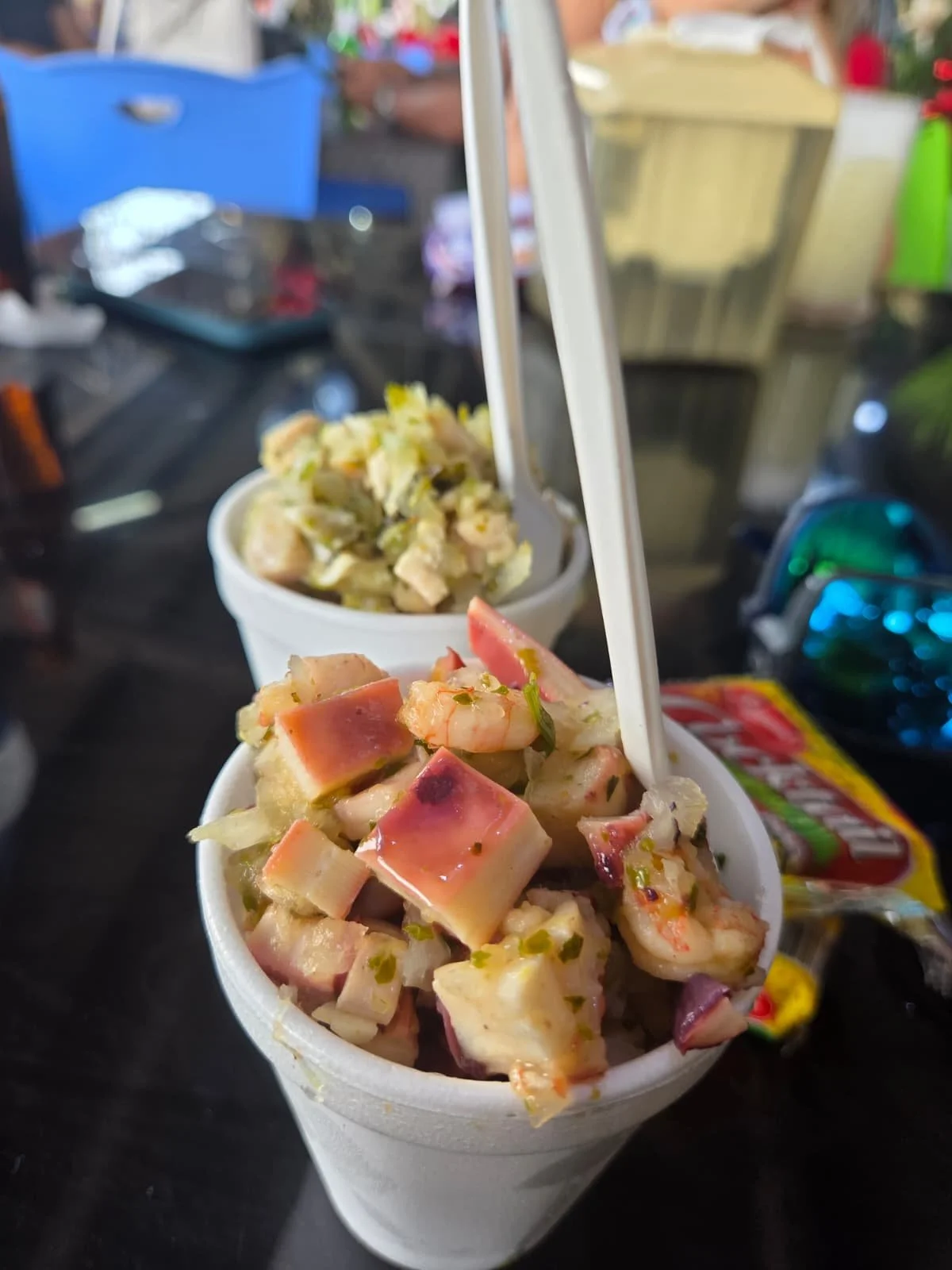
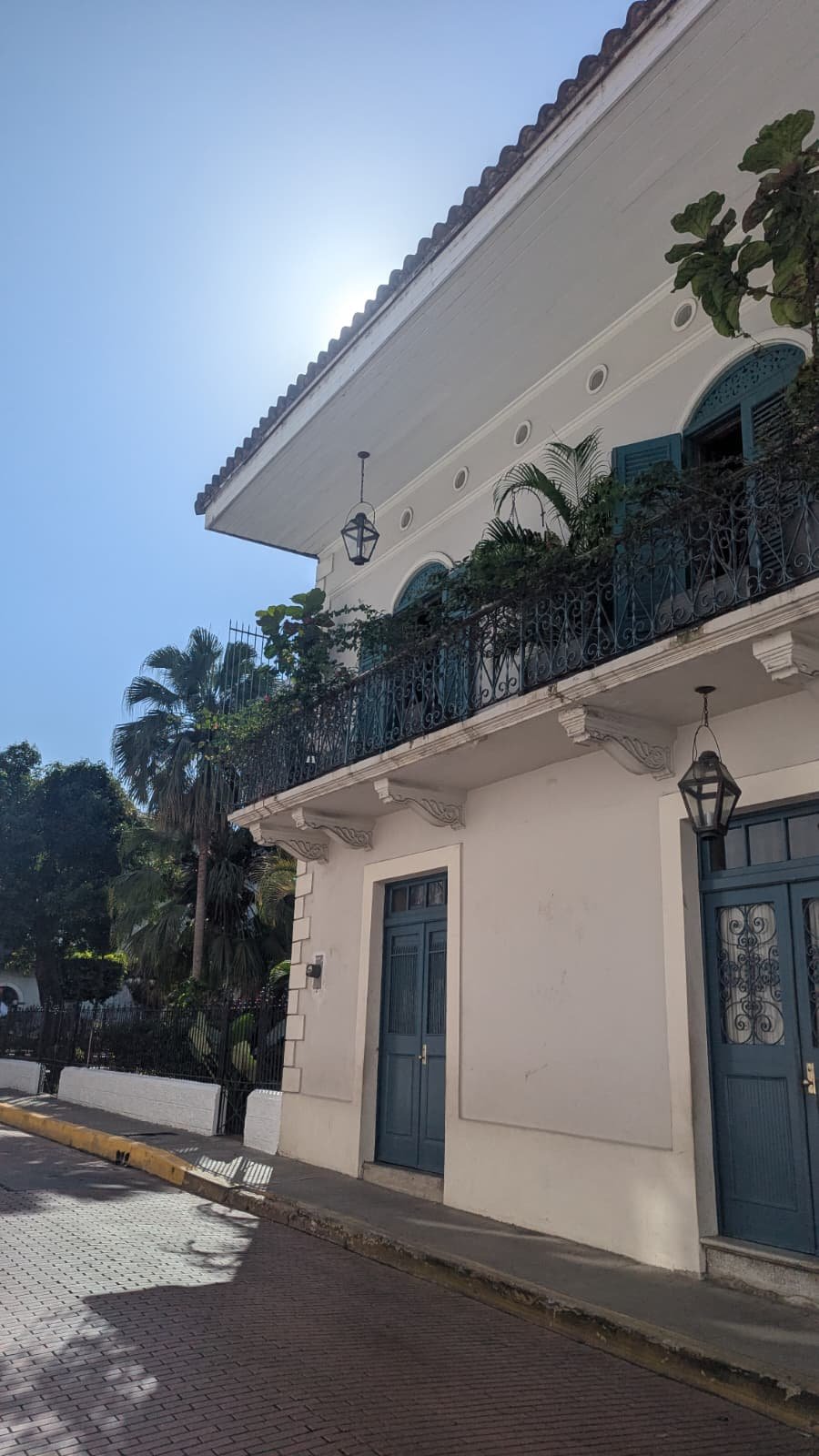
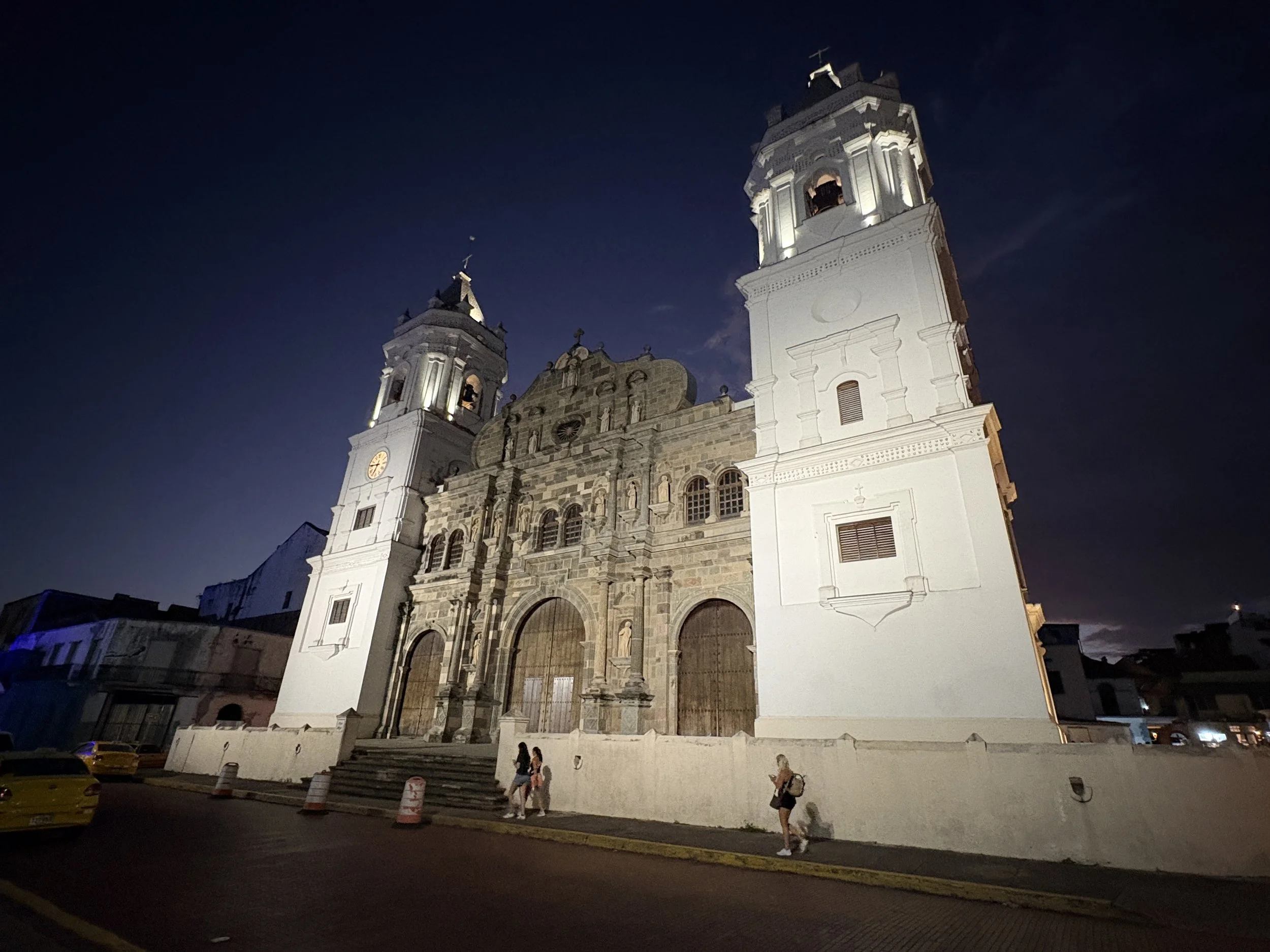
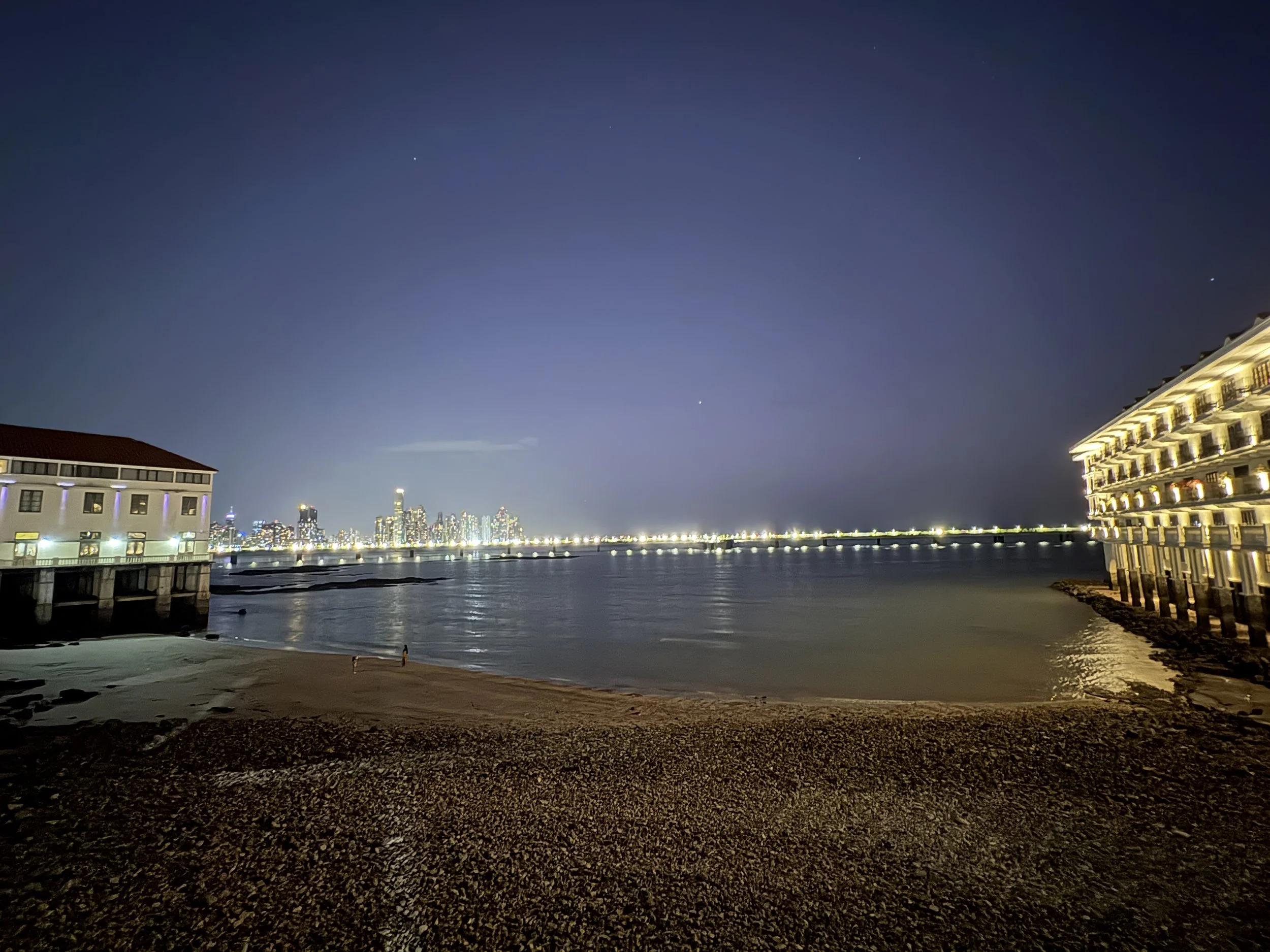
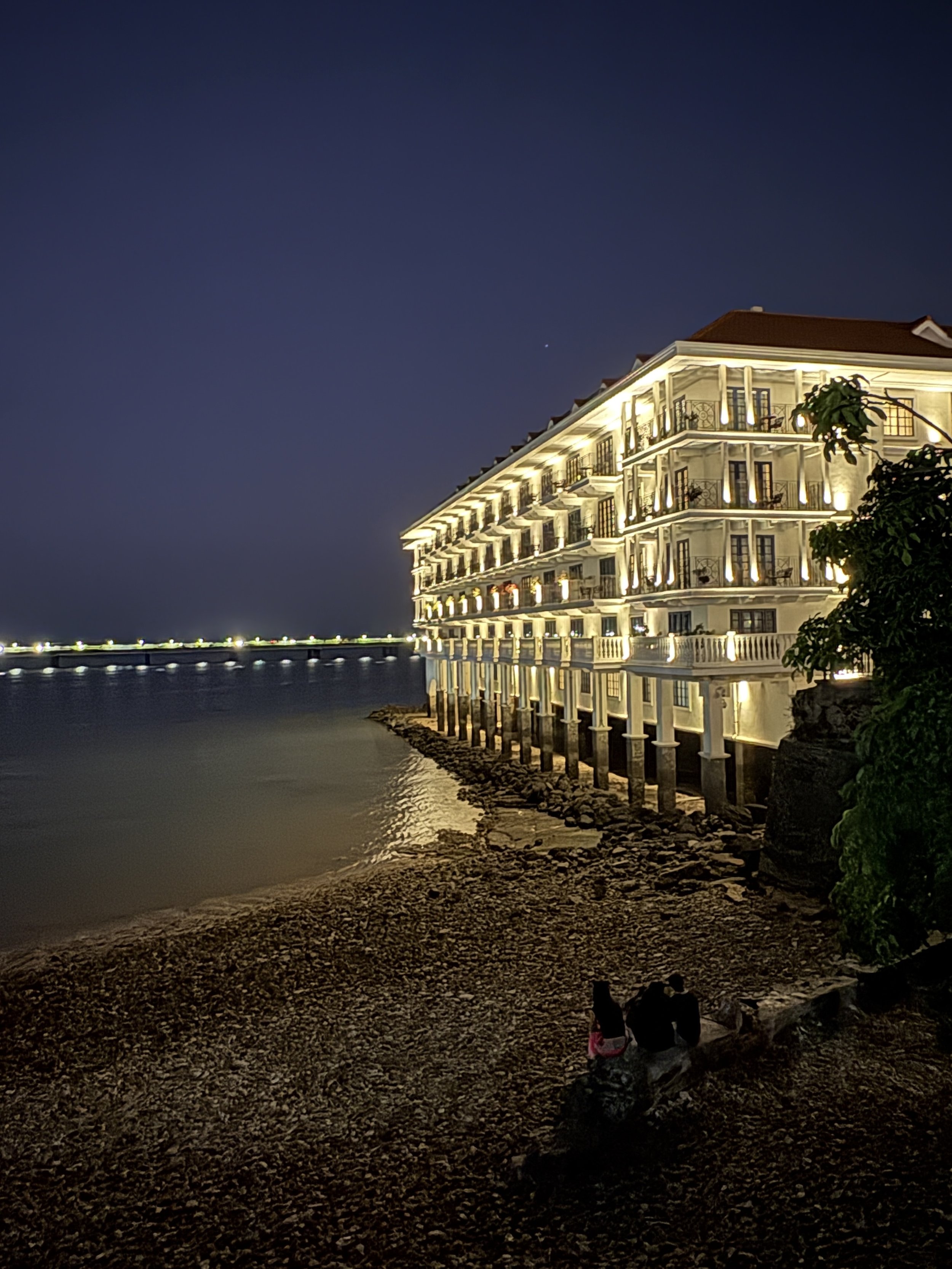
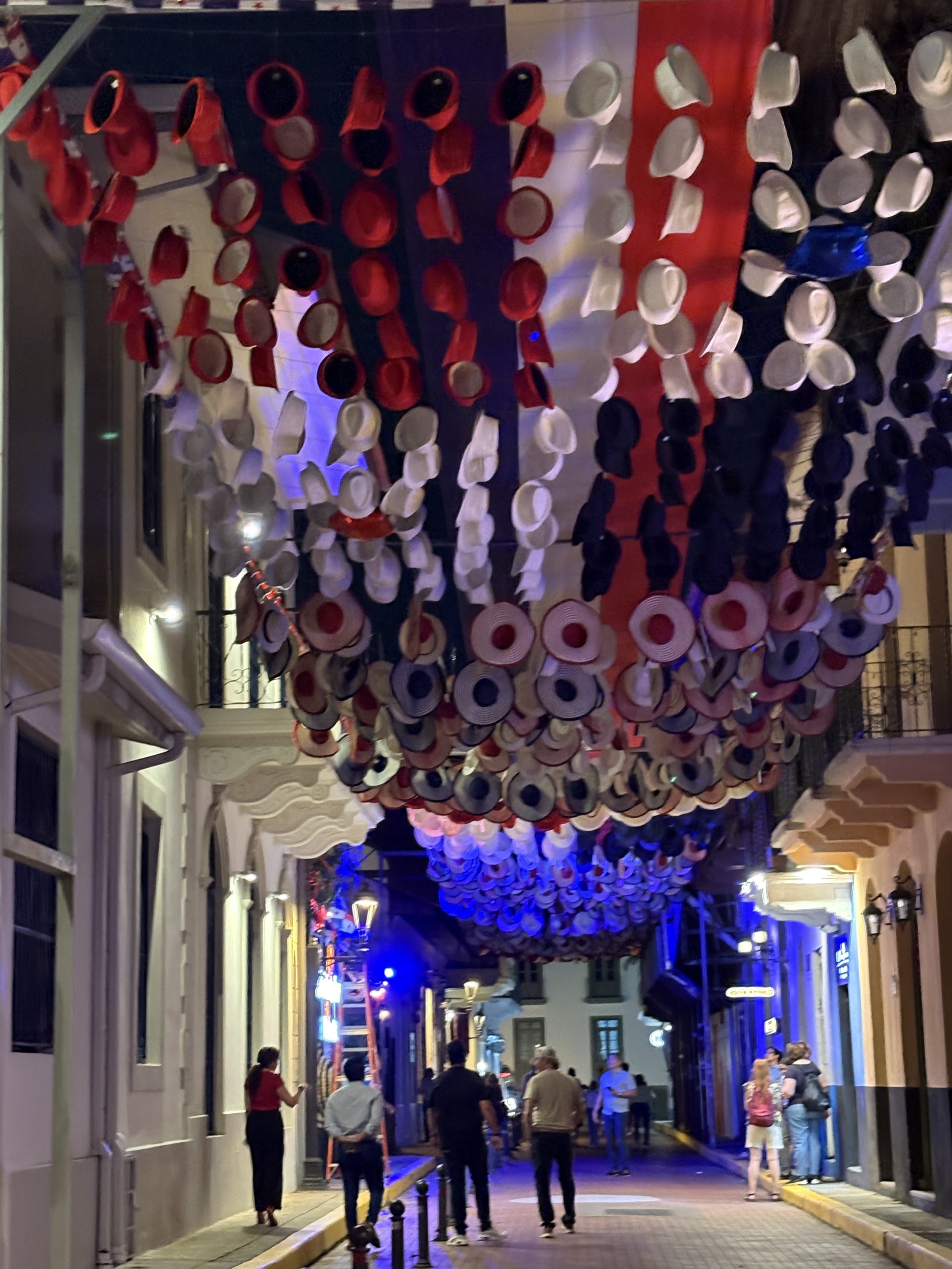
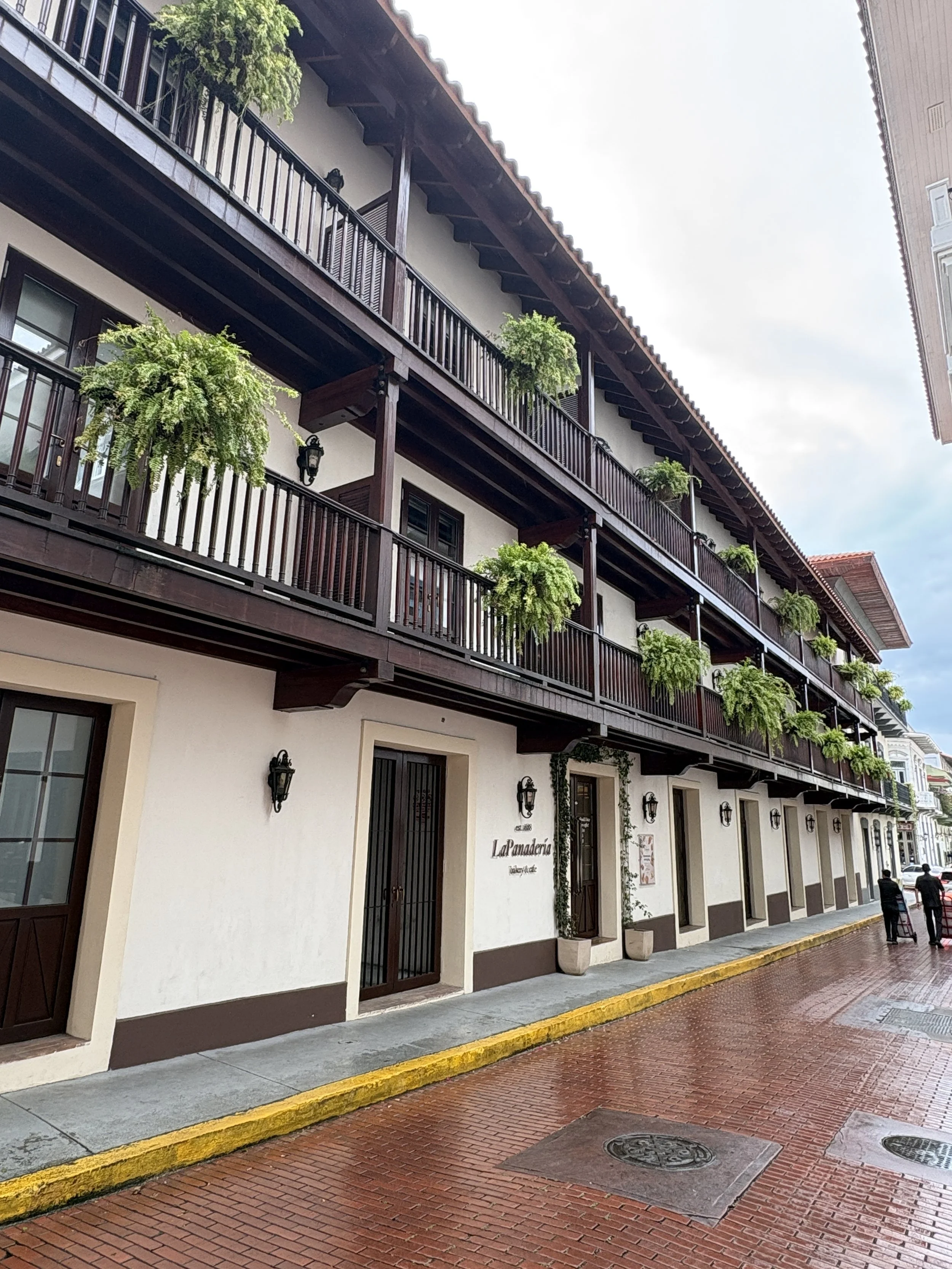
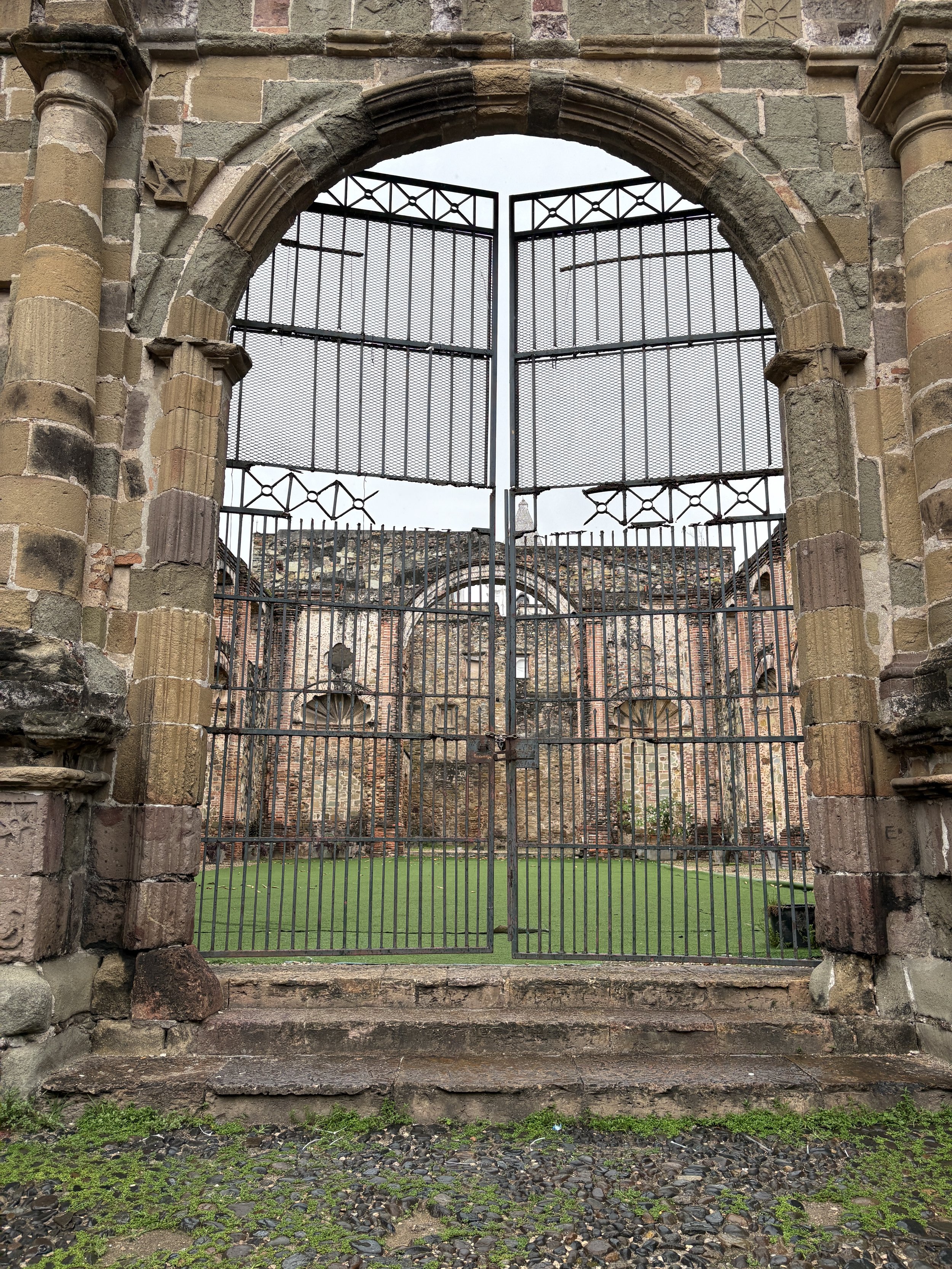
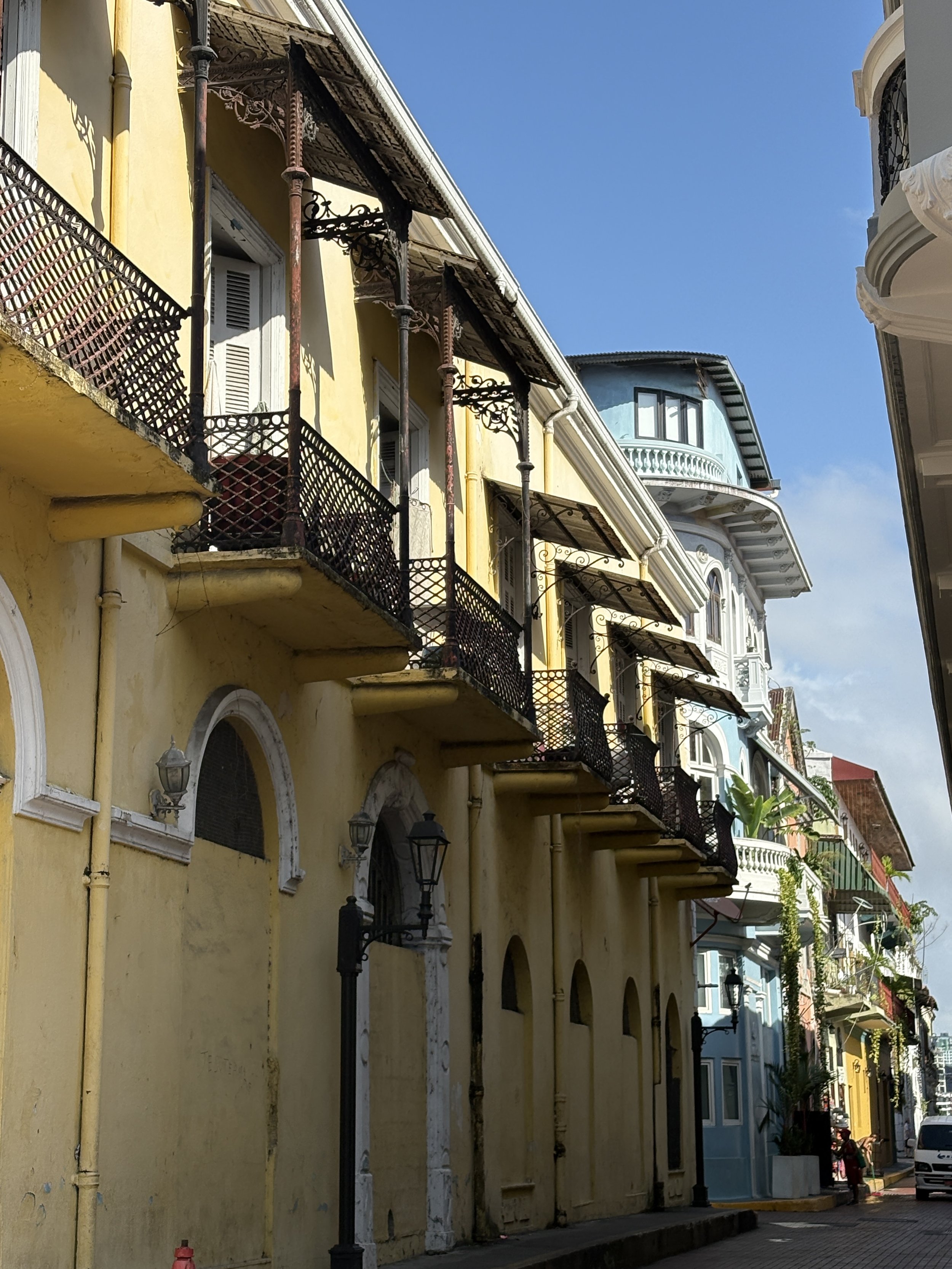
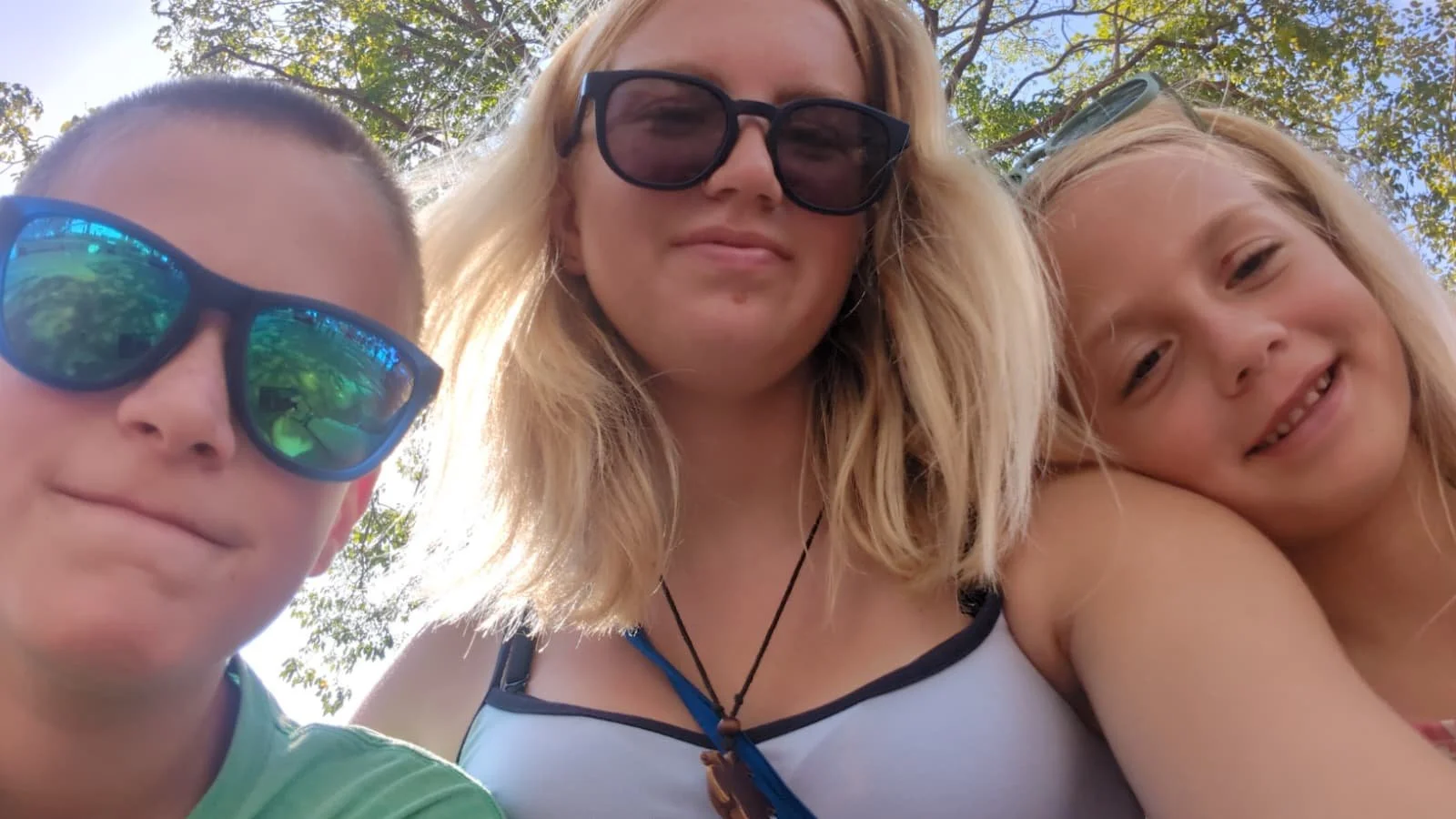
The kids loved going out and exploring on their own in Panama City!
We also went to a museum about the Panama Canal - which is of course the real reason Panama sits so confidently on the world stage, as interesting as the pirate stories are to learn about. For centuries, explorers dreamed of cutting a passage between the Atlantic and Pacific right here. The French tried first in the 1880s under Ferdinand de Lesseps (the same man who was behind the Suez Canal), but disease (especially malaria), engineering challenges, and financial disaster stopped them cold. It is thought around 22,000 workers died during this time.
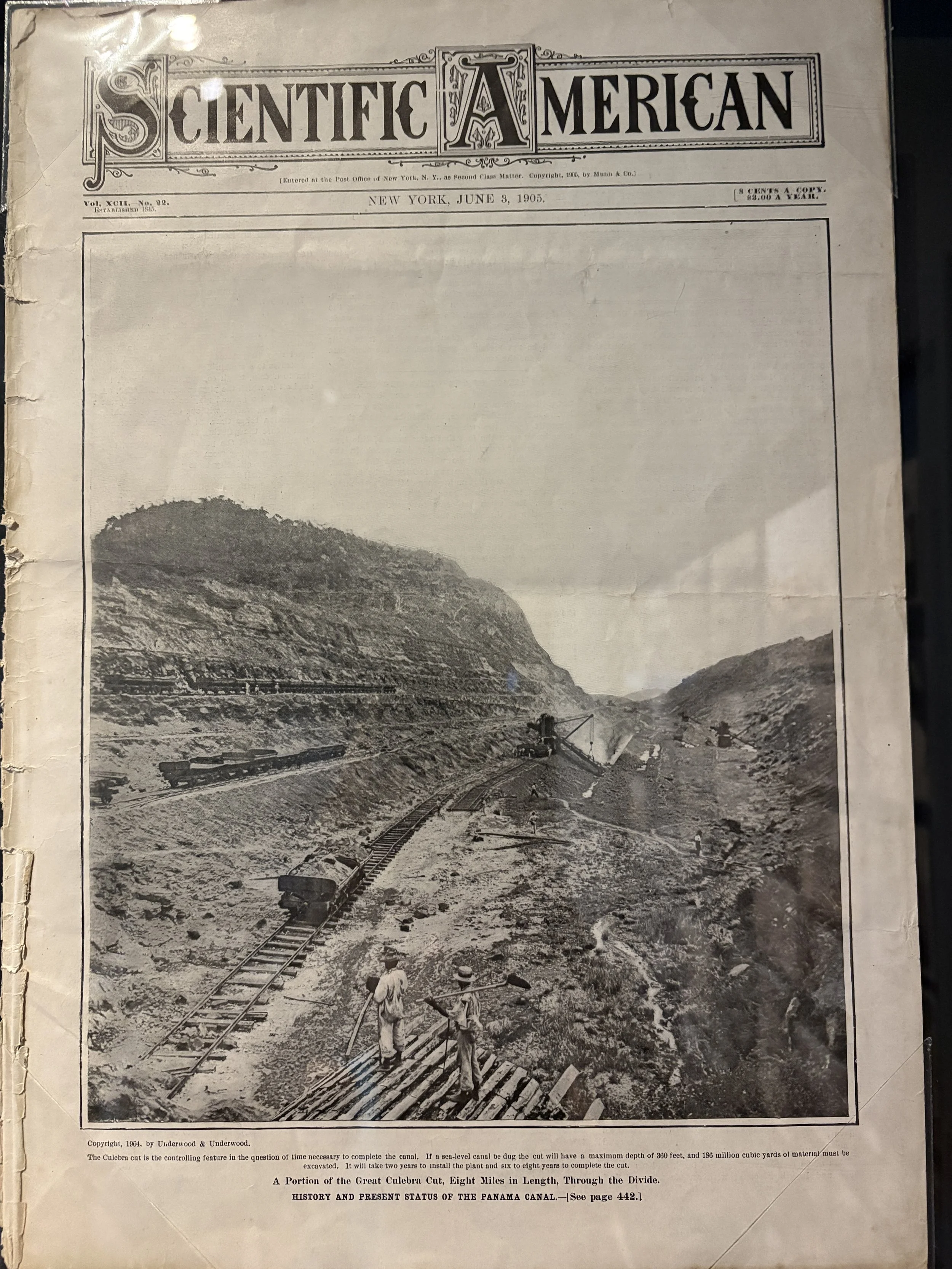
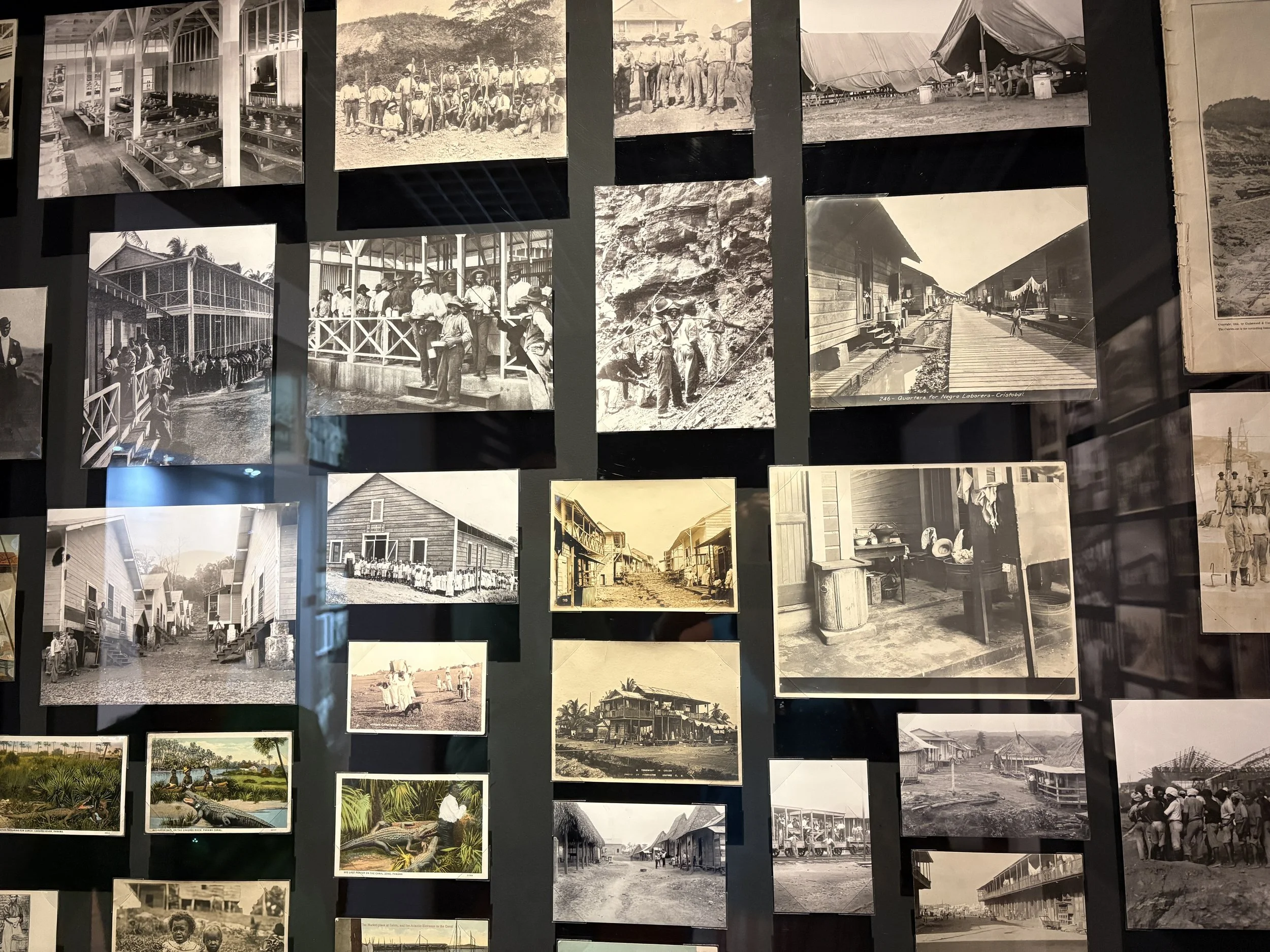
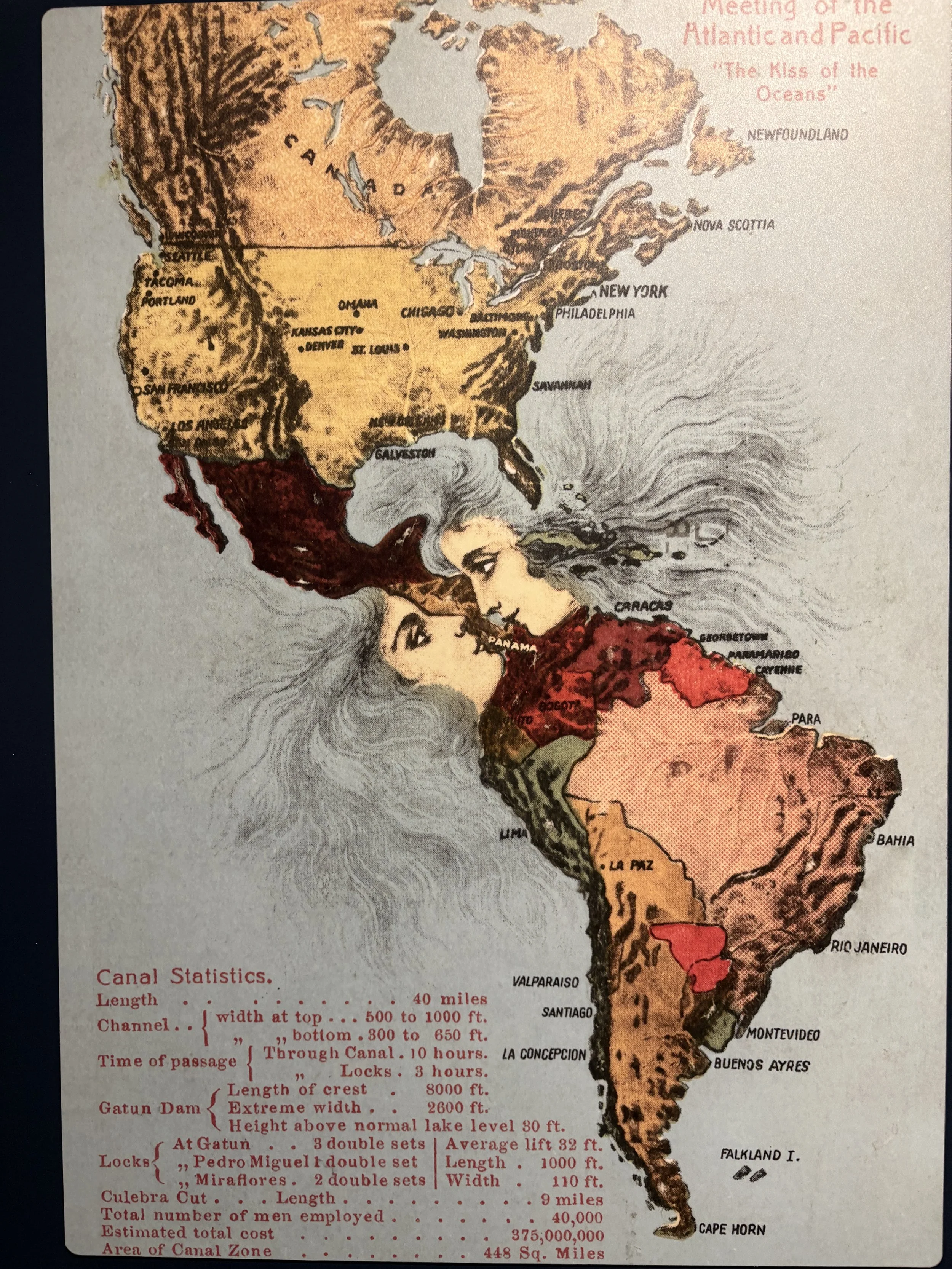
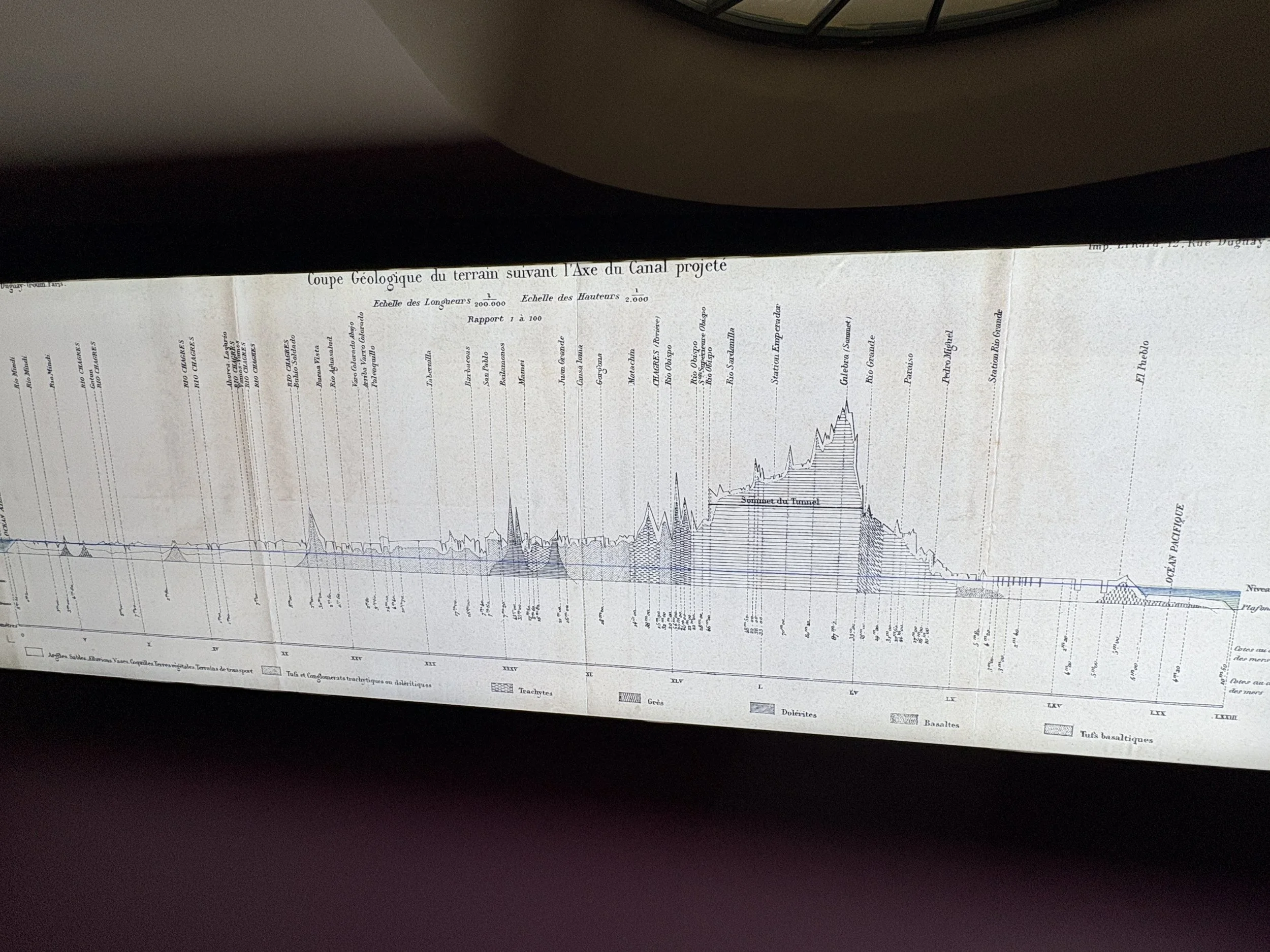
The Americans took over in the early 1900s, and in 1914 the canal finally opened — a 50-mile shortcut that changed global trade forever. Instead of battling their way around Cape Horn, ships could pass through a system of locks, lifted and lowered like enormous floating elevators between oceans. Even with major improvements in sanitation and engineering, a further 5,000 or so workers are believed to have died during the American phase of construction.
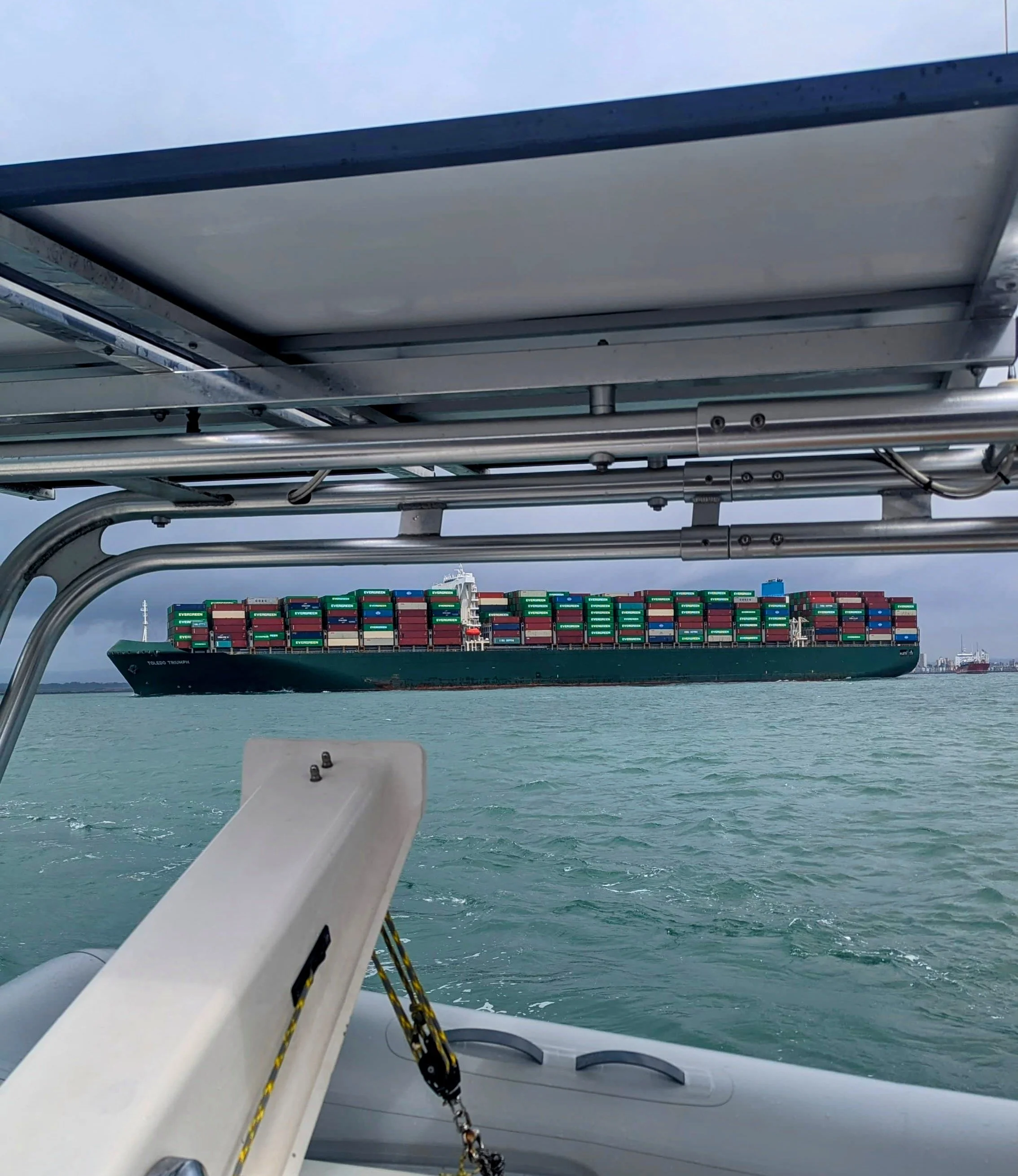
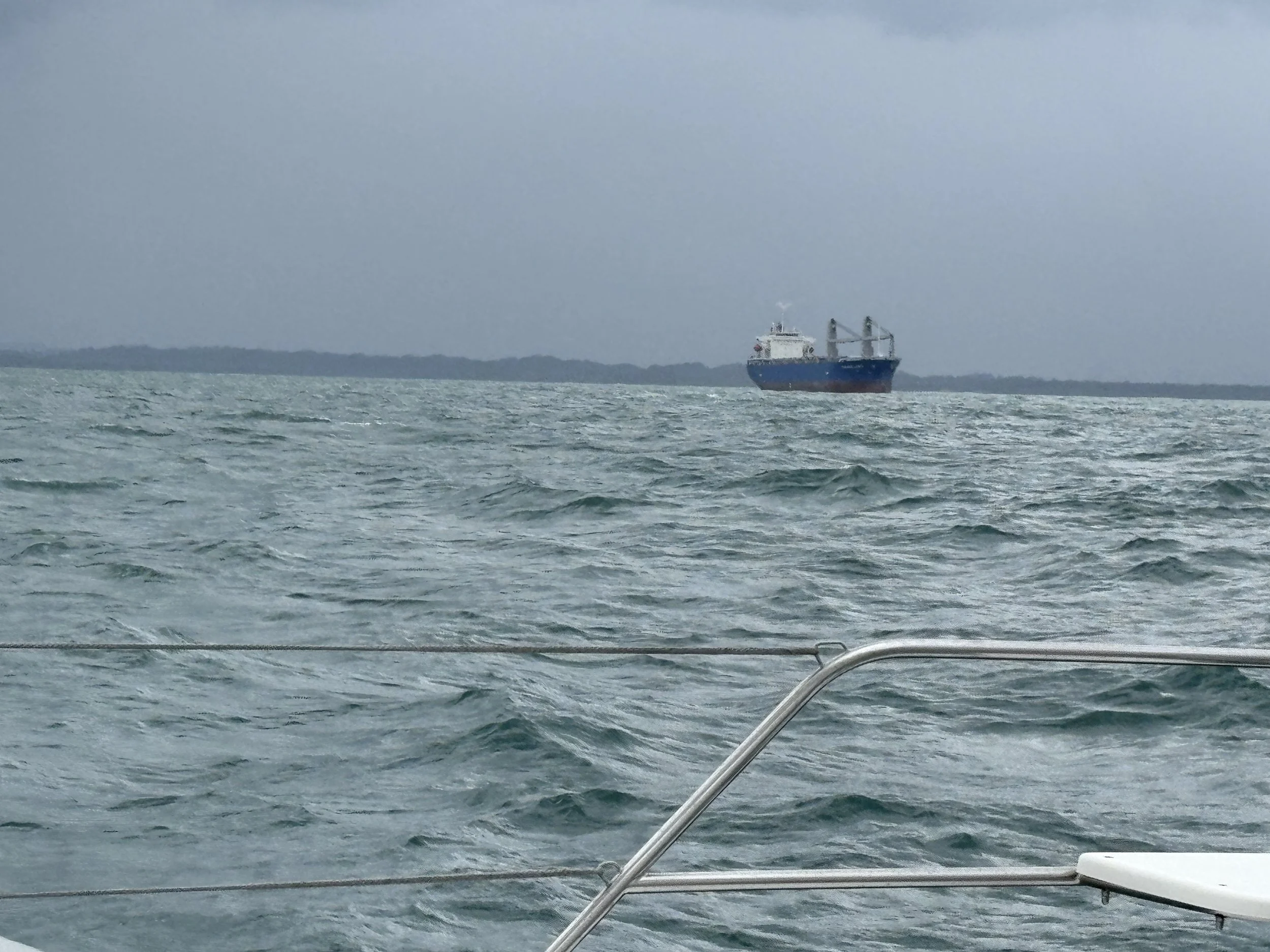
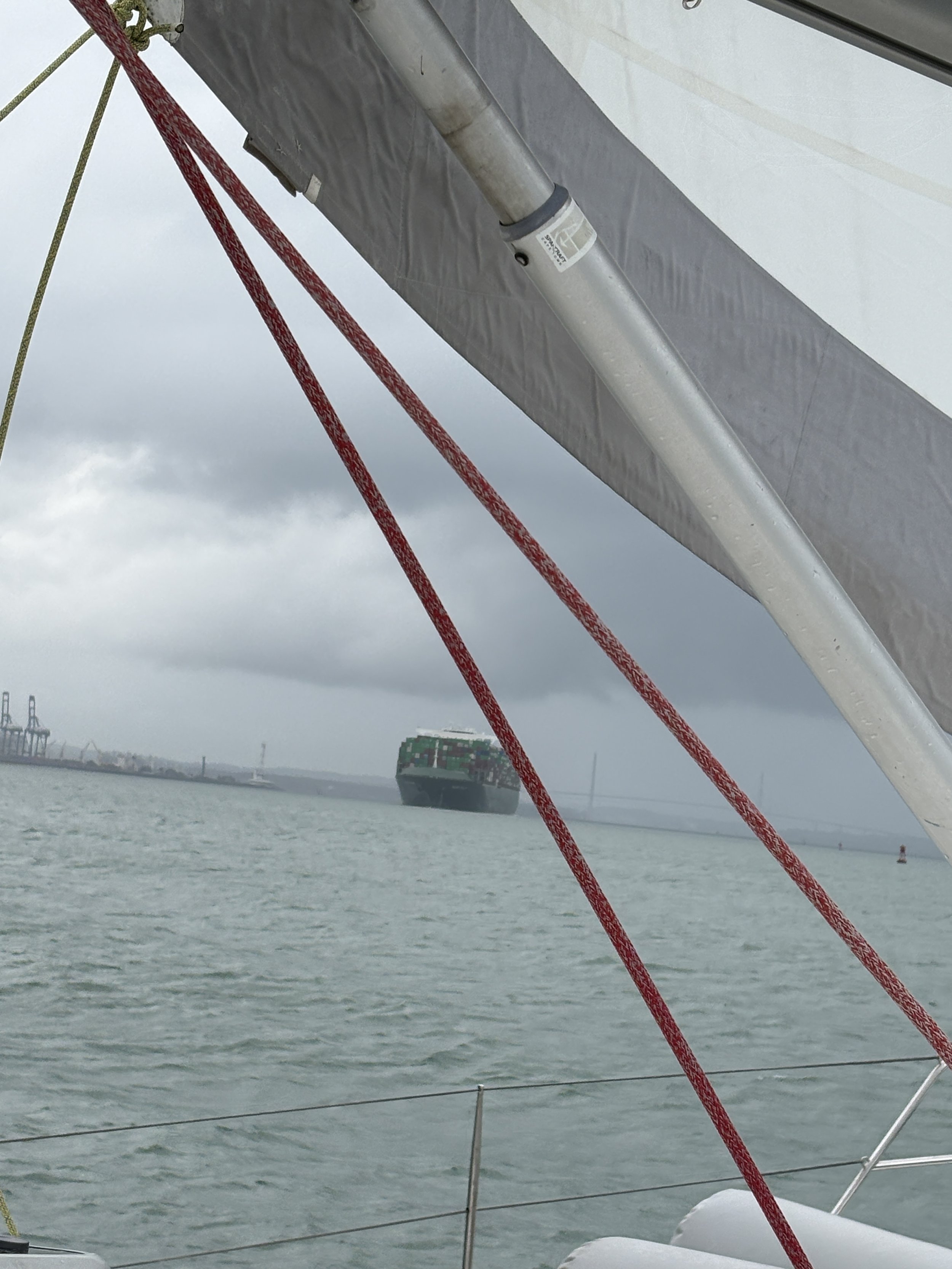
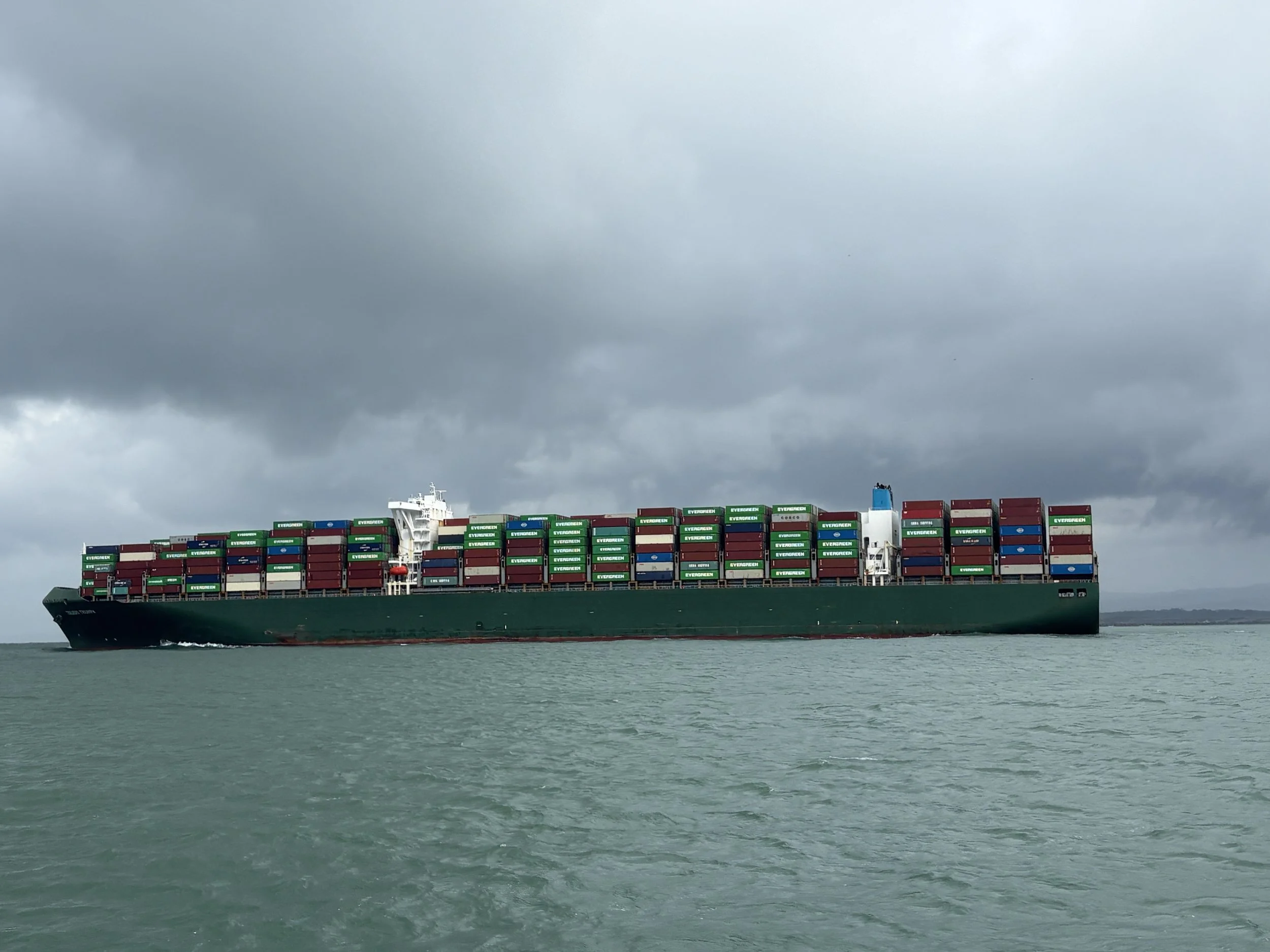
Panama took full control of the Panama Canal in 1999, and the 2016 expansion means today’s giant cargo ships can transit it with ease. For us, arriving on our own sailboat, it’s hard to describe how exciting it feels to know that in just a few weeks’ time, we’ll be lining up to pass through those same locks ourselves — leaving the Caribbean behind and finally entering the Pacific.