Exploring the San Blas Islands
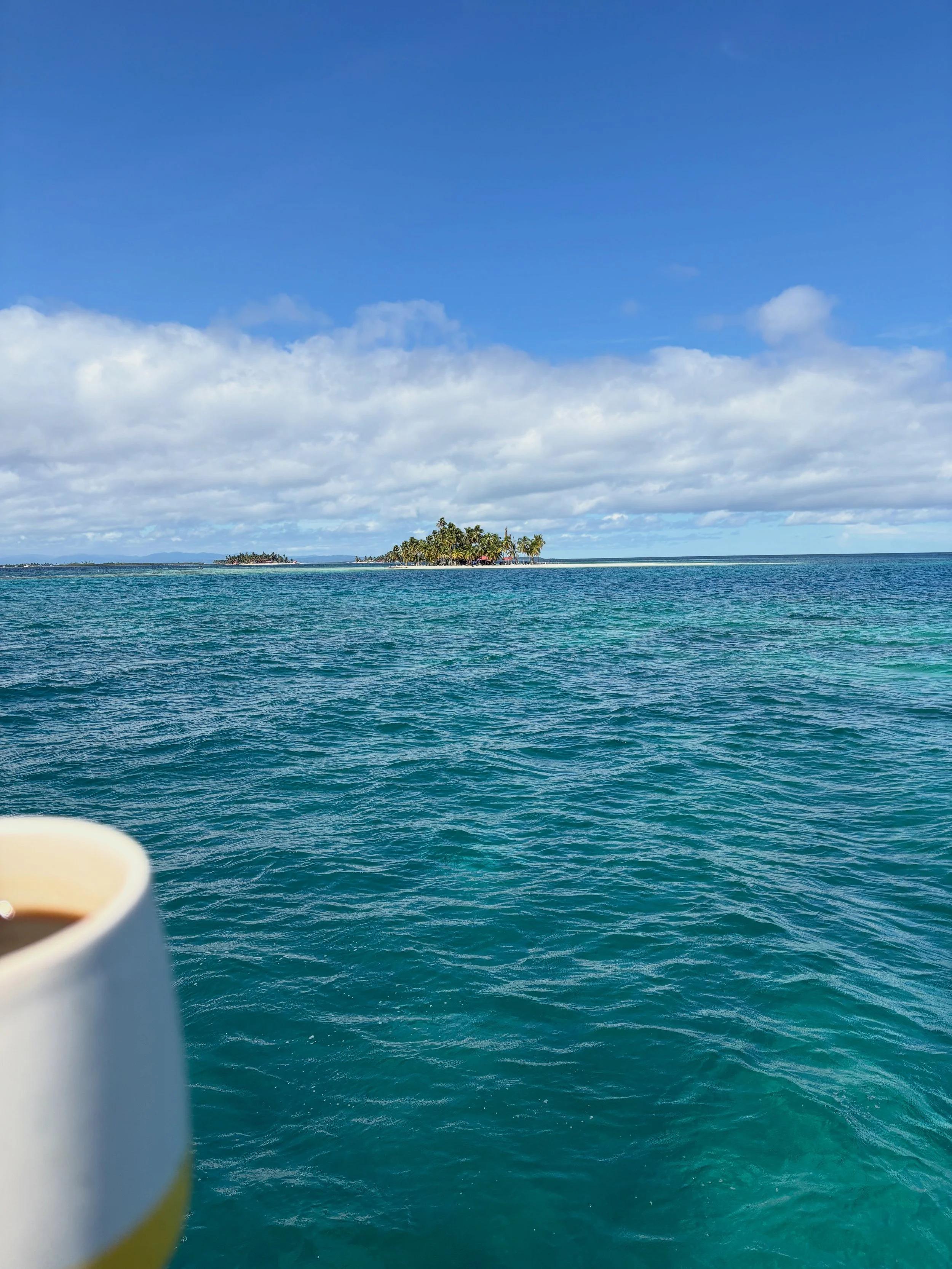
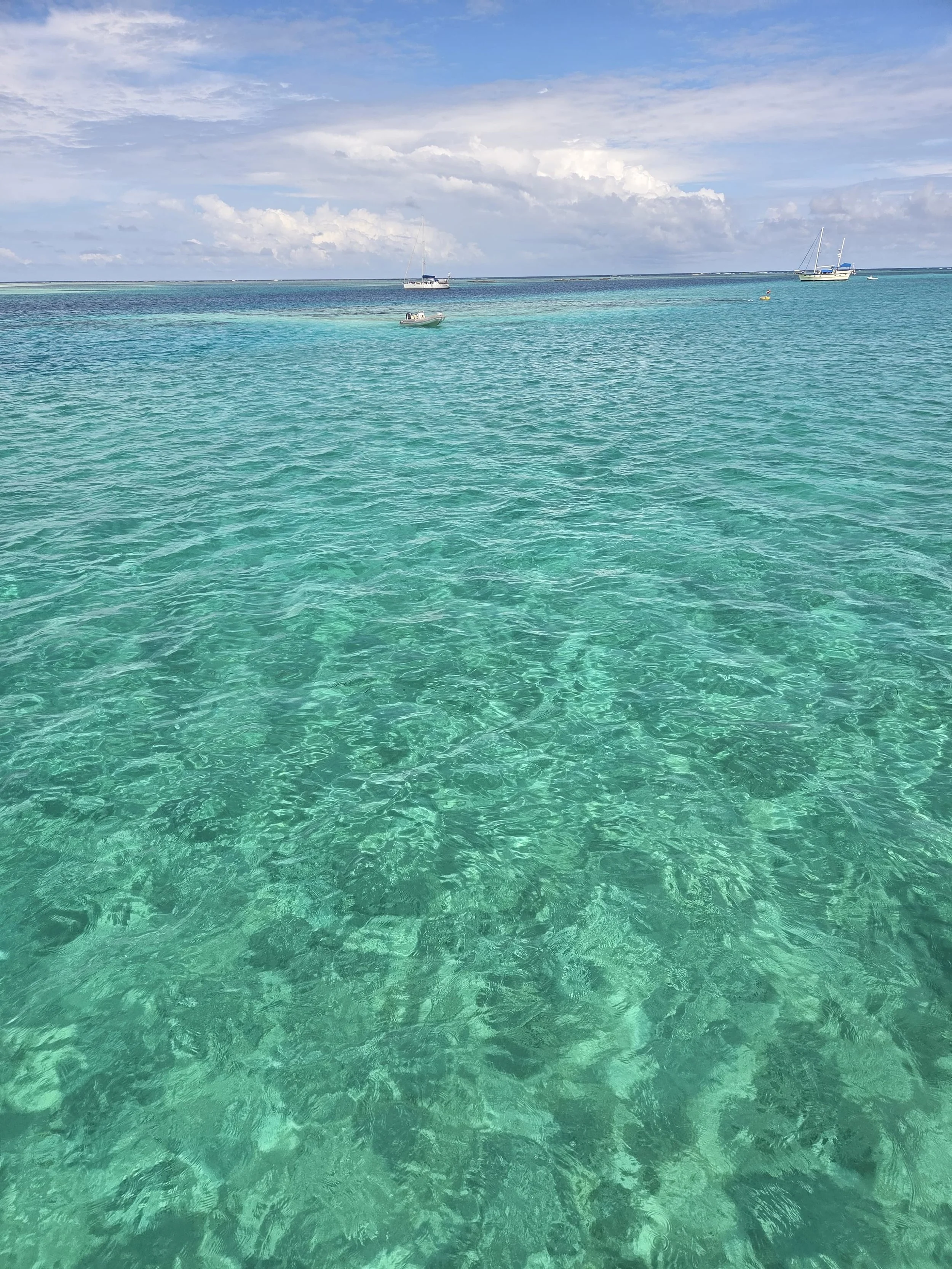
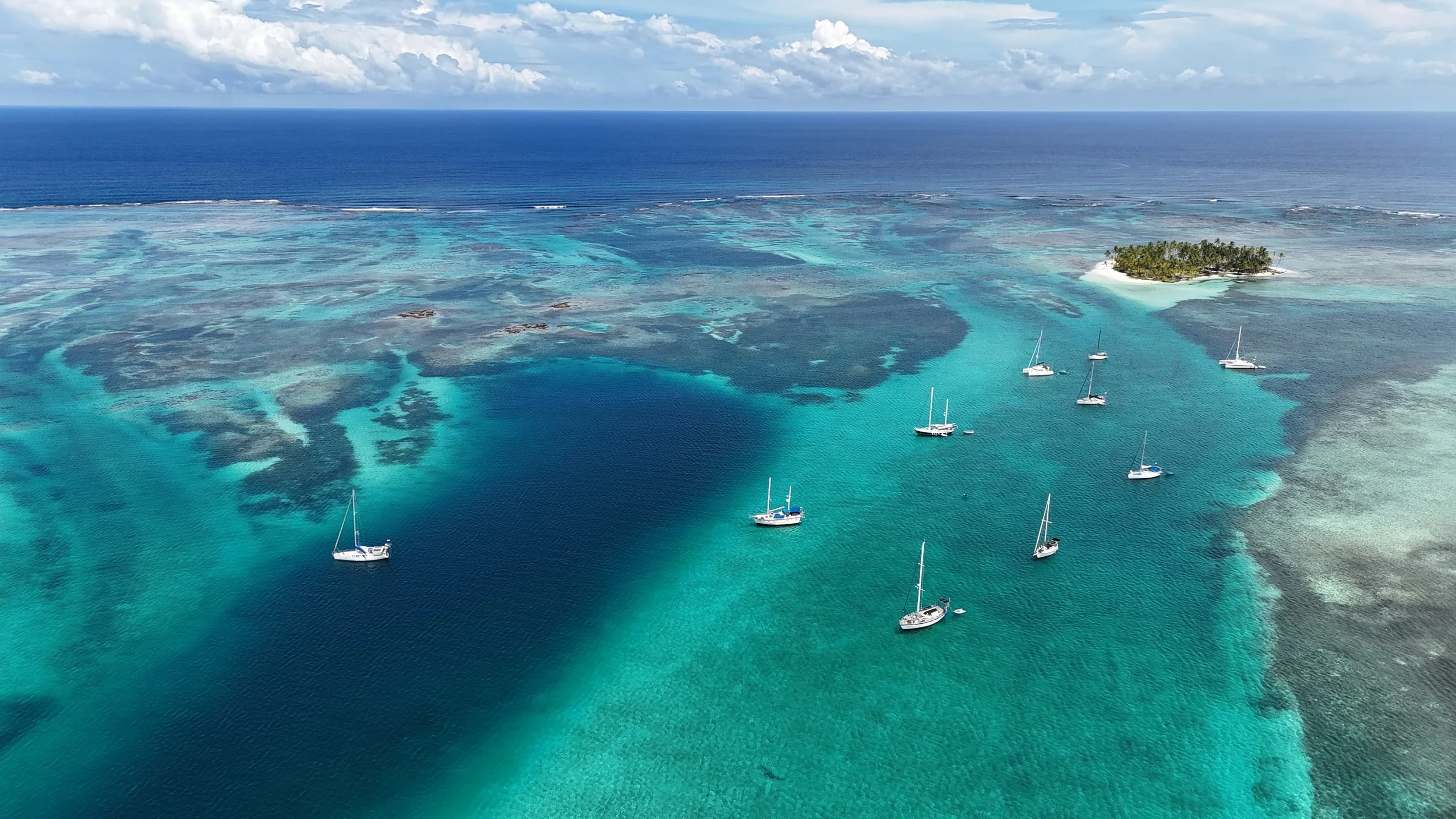
6 weeks into life in the San Blas and we are settling in nicely. We had forgotten how we missed the clear waters, having spent all those months in Colombia. Sailing into Guna Yala feels different from arriving anywhere else we have been though. The islands sit low on the horizon, tiny specks of sand and palms that look almost too delicate to support life, let alone a community — yet they do, and have done so for centuries. We are incredibly dependent on accurate charts and satellite imagery as we move around the anchorages, as the channels are reef-lined and what looks like a straight line sail could be very deceptive if you didn’t know there was a massive coral shelf in the way. The other thing we noticed after a few days here wasn’t the scenery but the pace. Everything slows. Canoes pass each other without rush or noise.
But some of the islands have already been effected by rising water levels due to global warming already. It is very much a subsistence way of life for a lot of the families here, especially where they aren’t lucky enough to have space on their island to grow anything or have a bar for tourists. We have people daily who canoe up to our boat to ask us to fill a water jug, have some rice from us or oil for their mother to be able to cook, or any spare clothes for their kids to wear. The culture of the Guna life surrounding us here is genuinely different than any other islands we have visited in the Caribbean, and it’s a privilege to be allowed to be part of it.
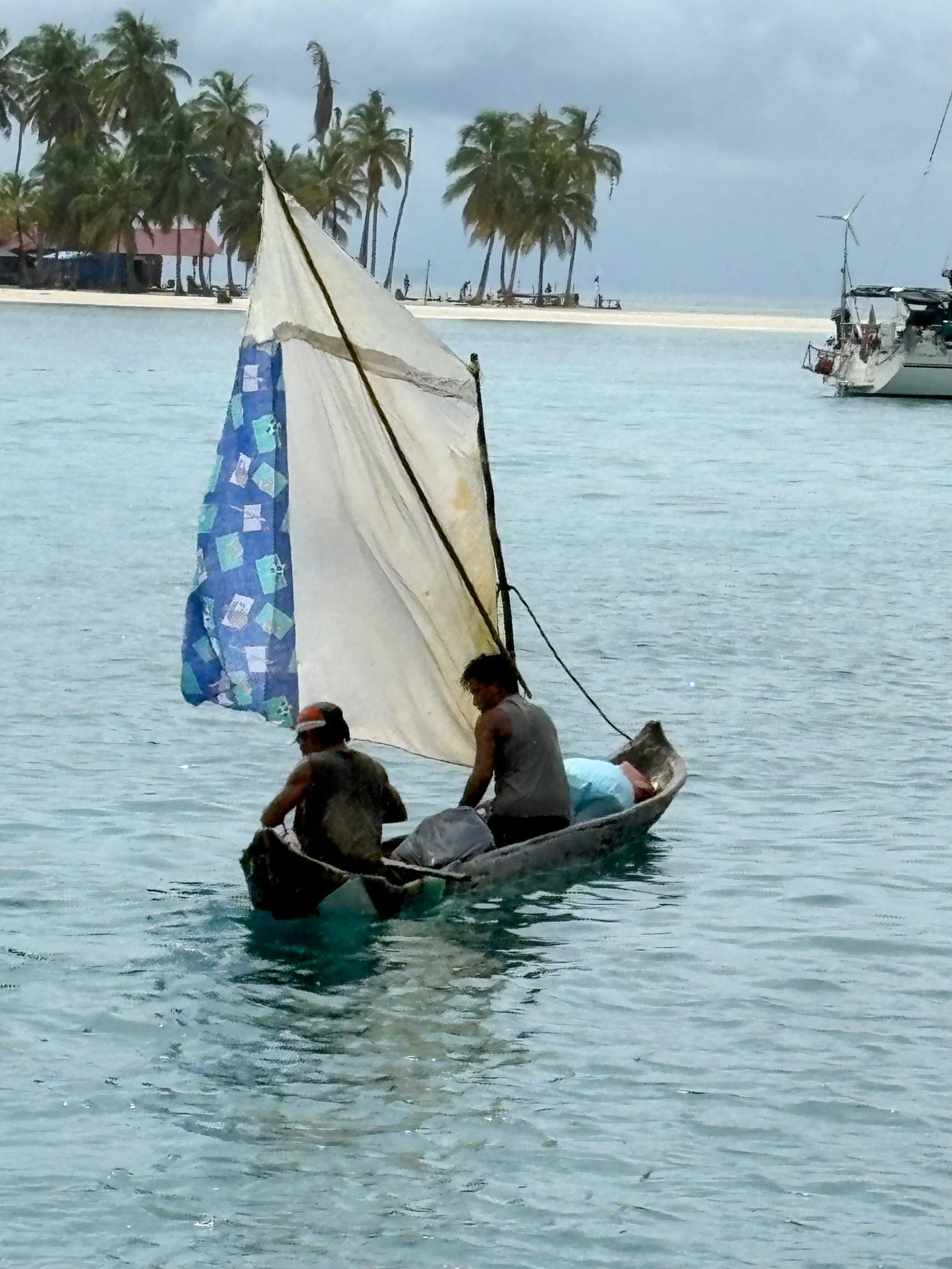
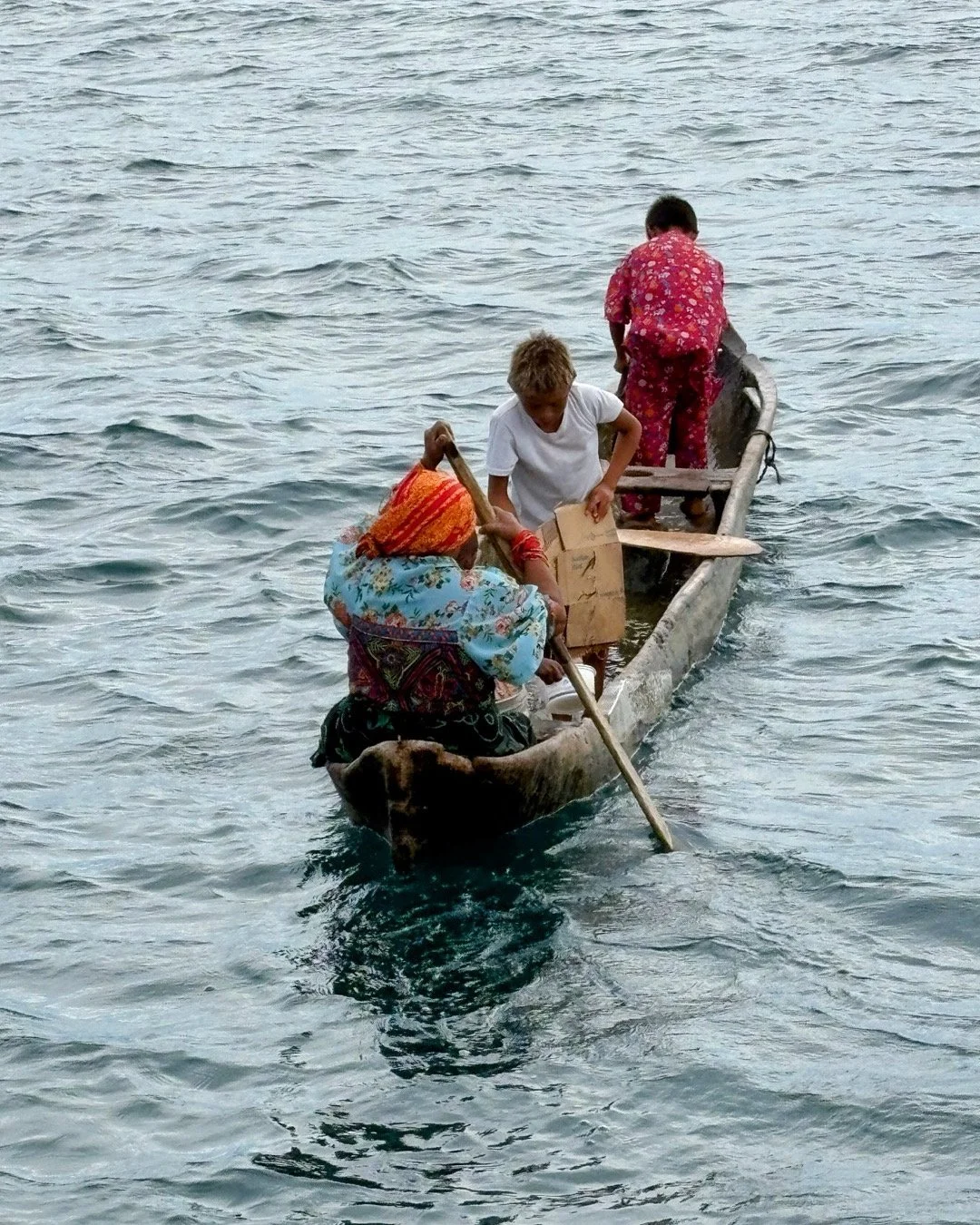
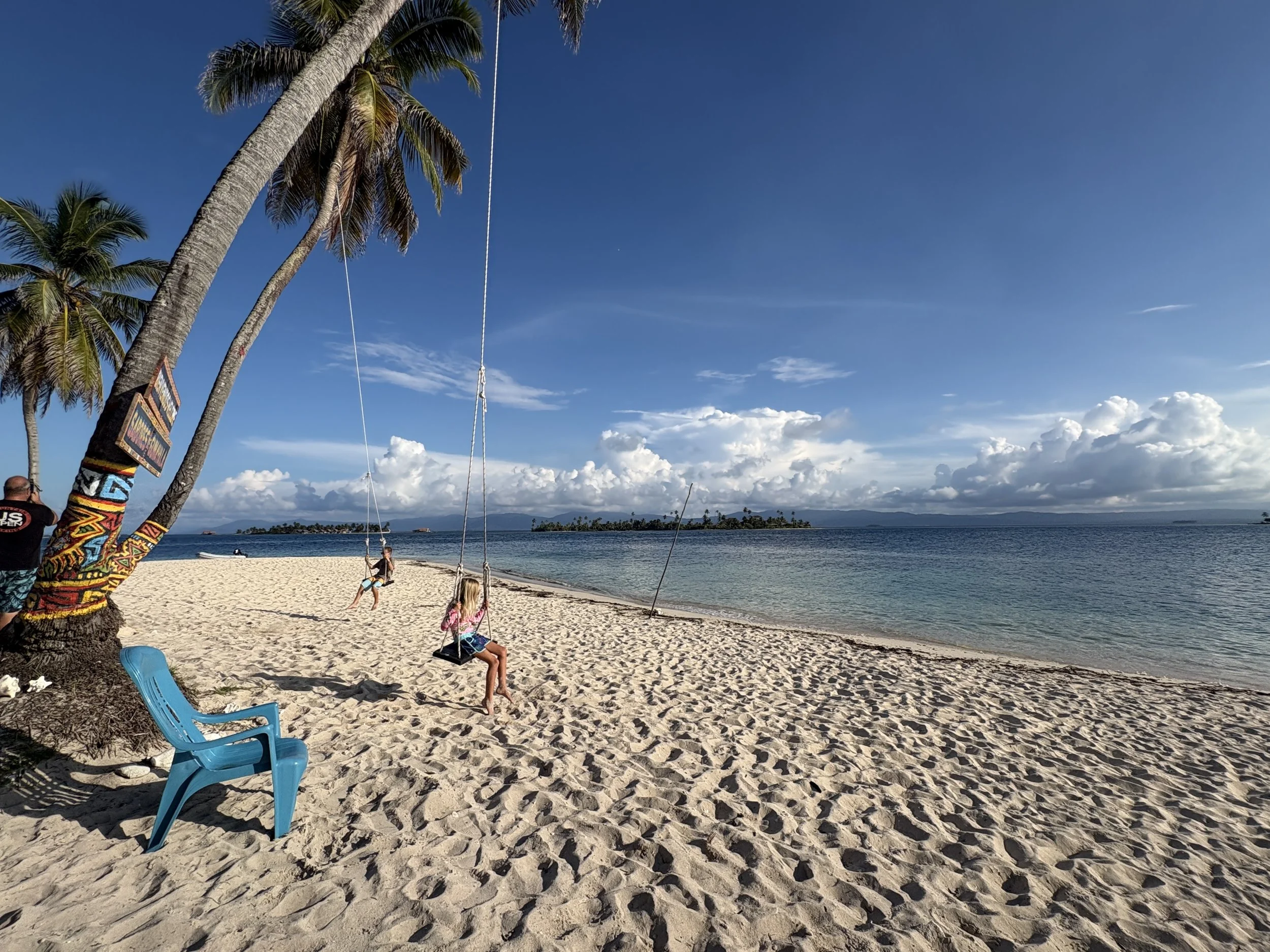
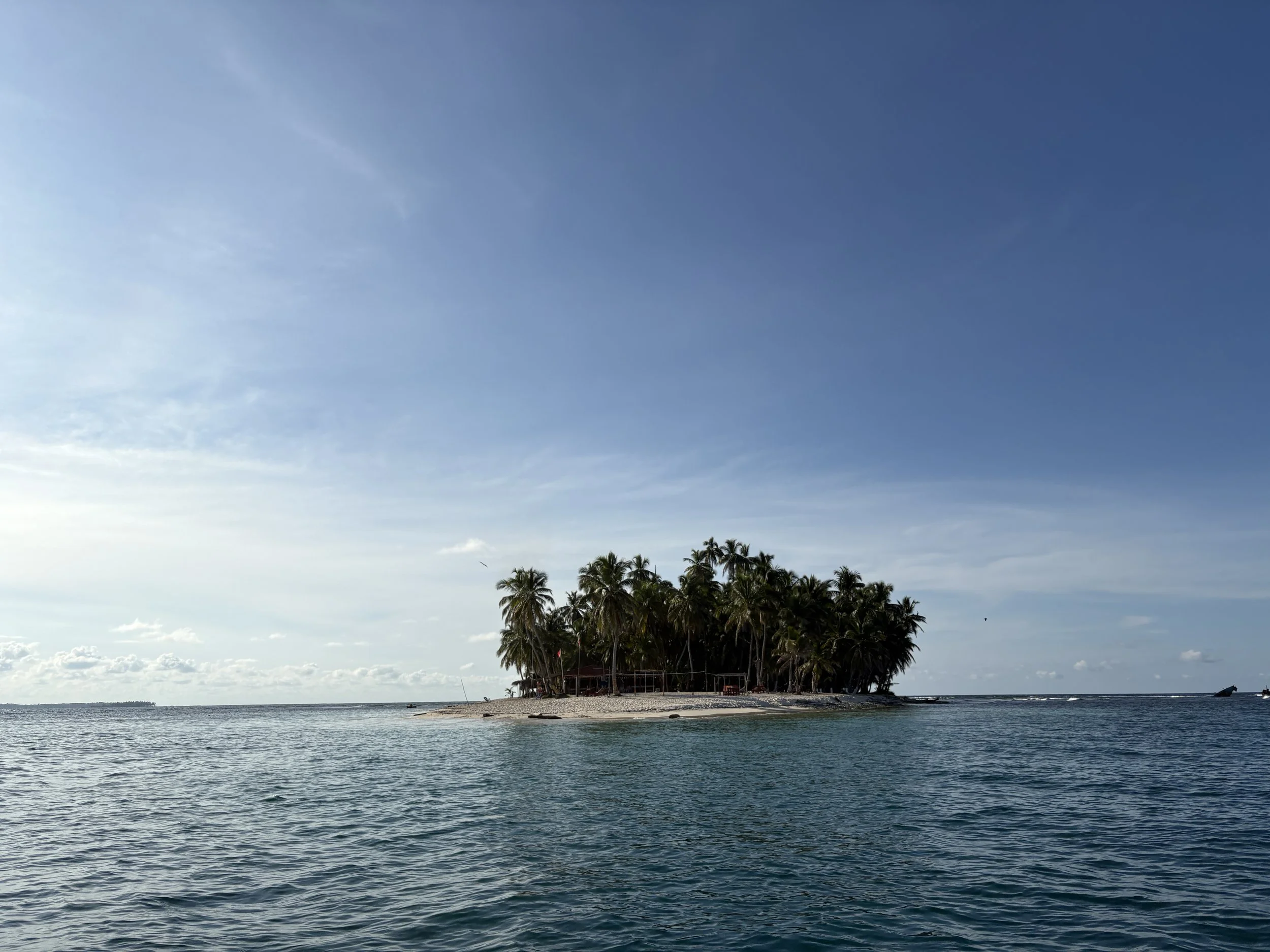
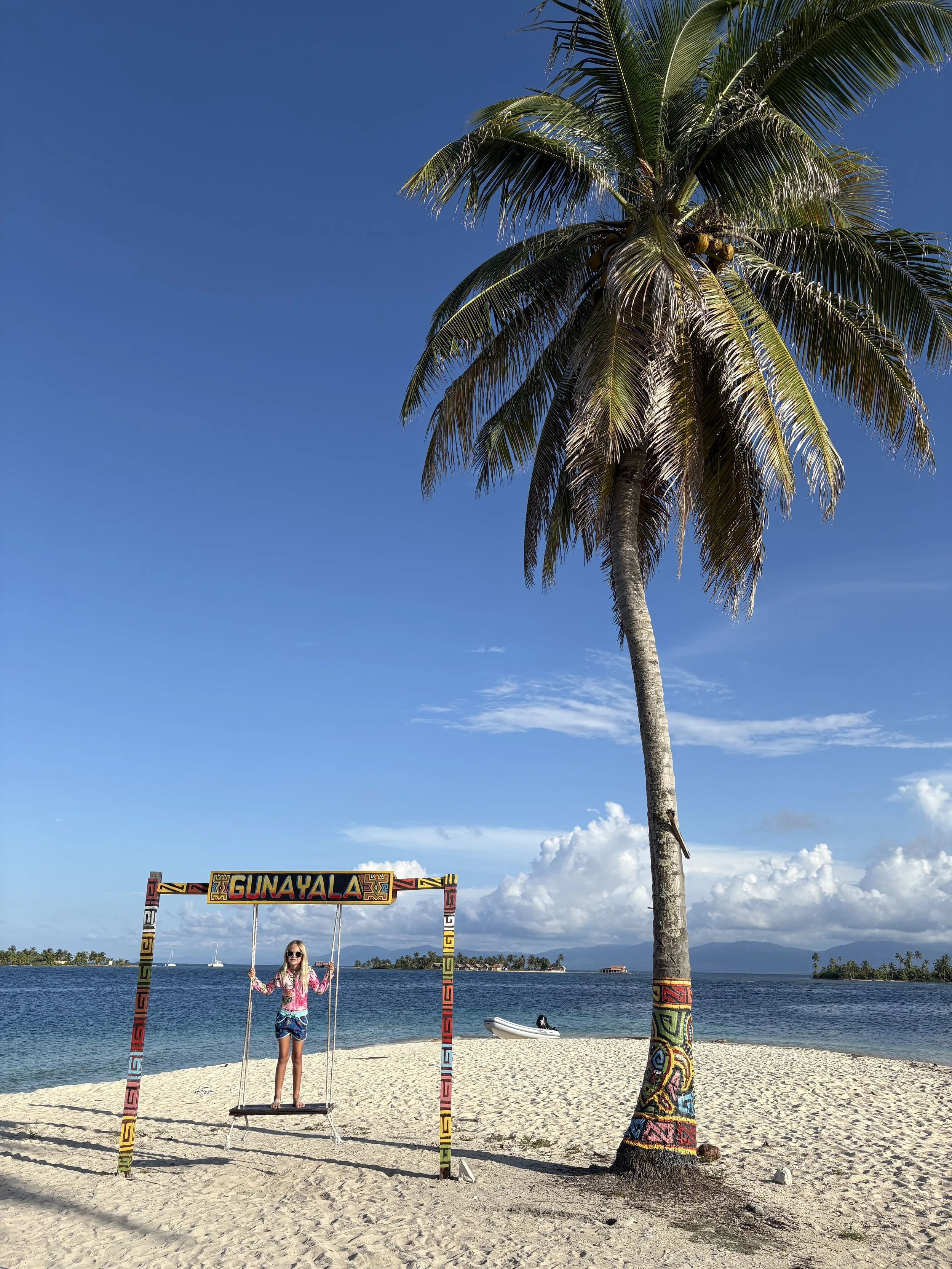
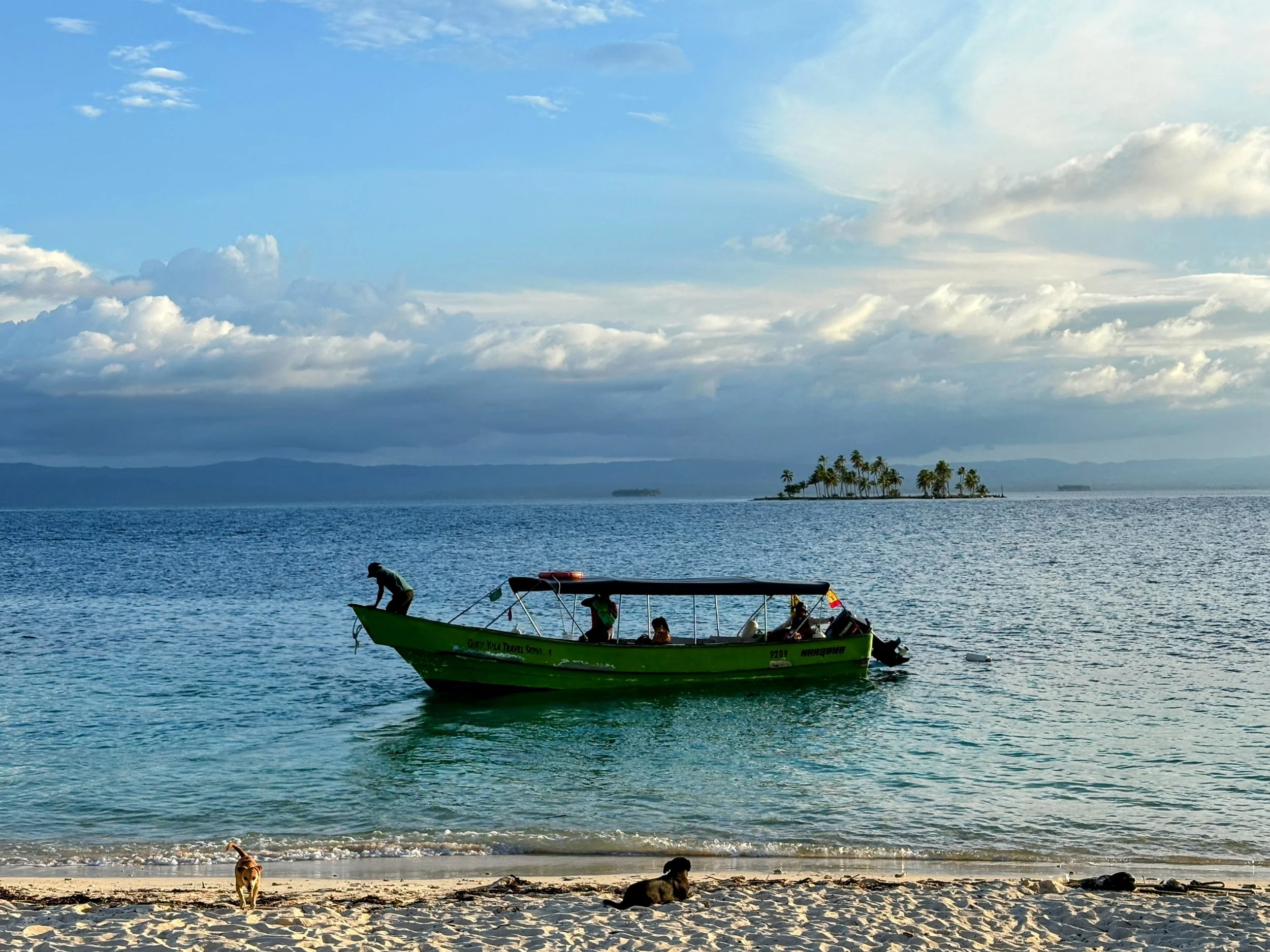

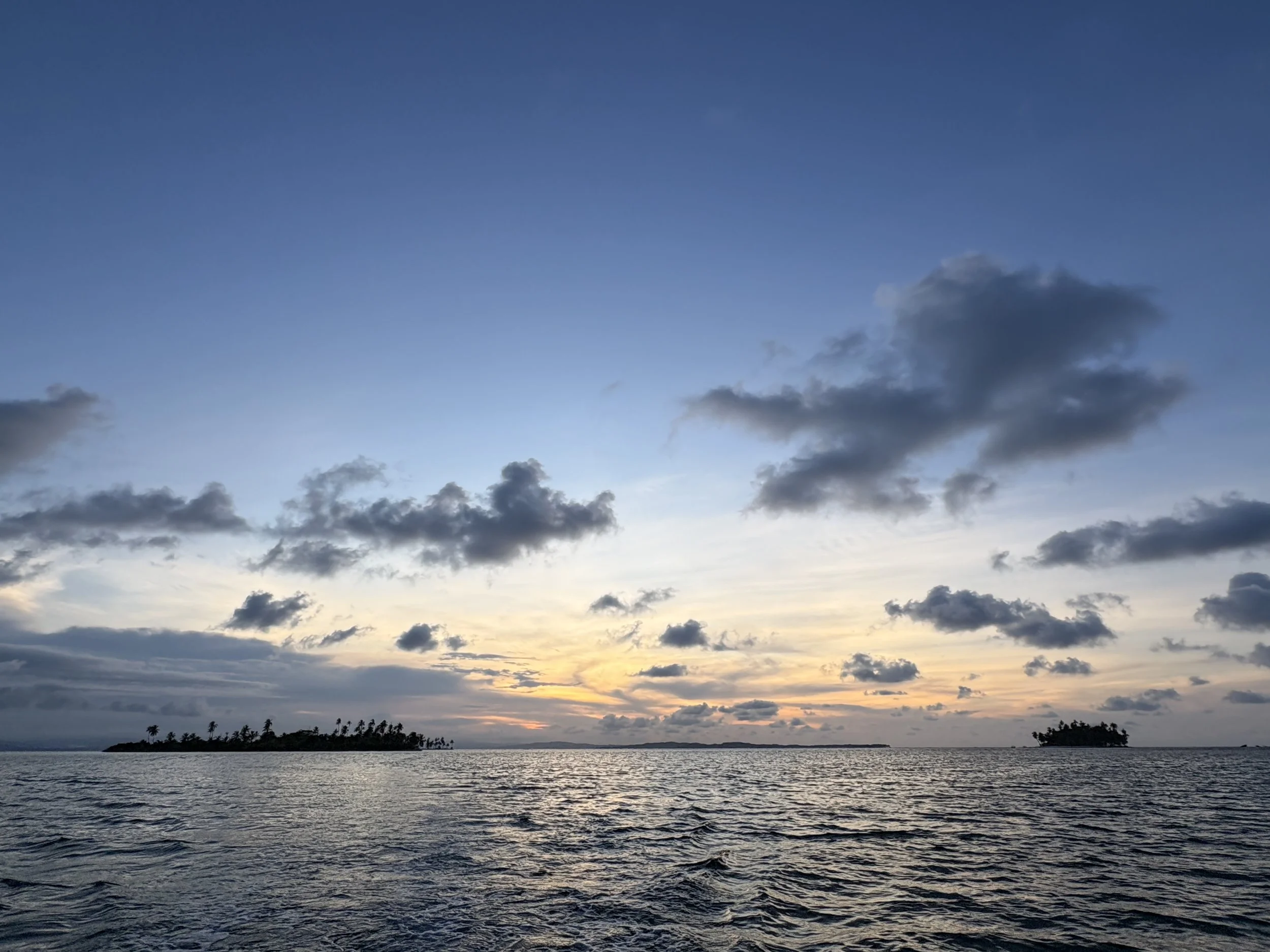
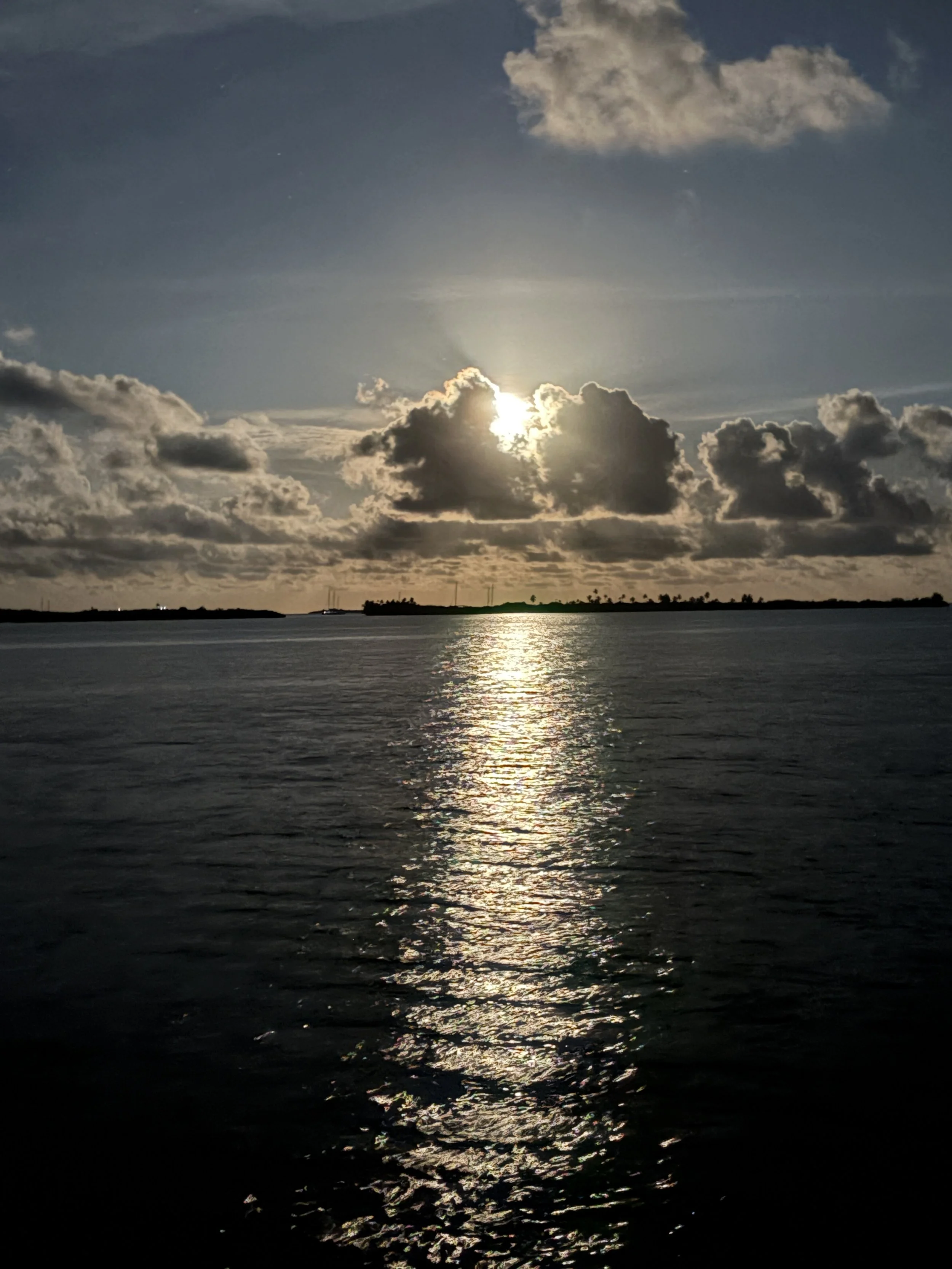
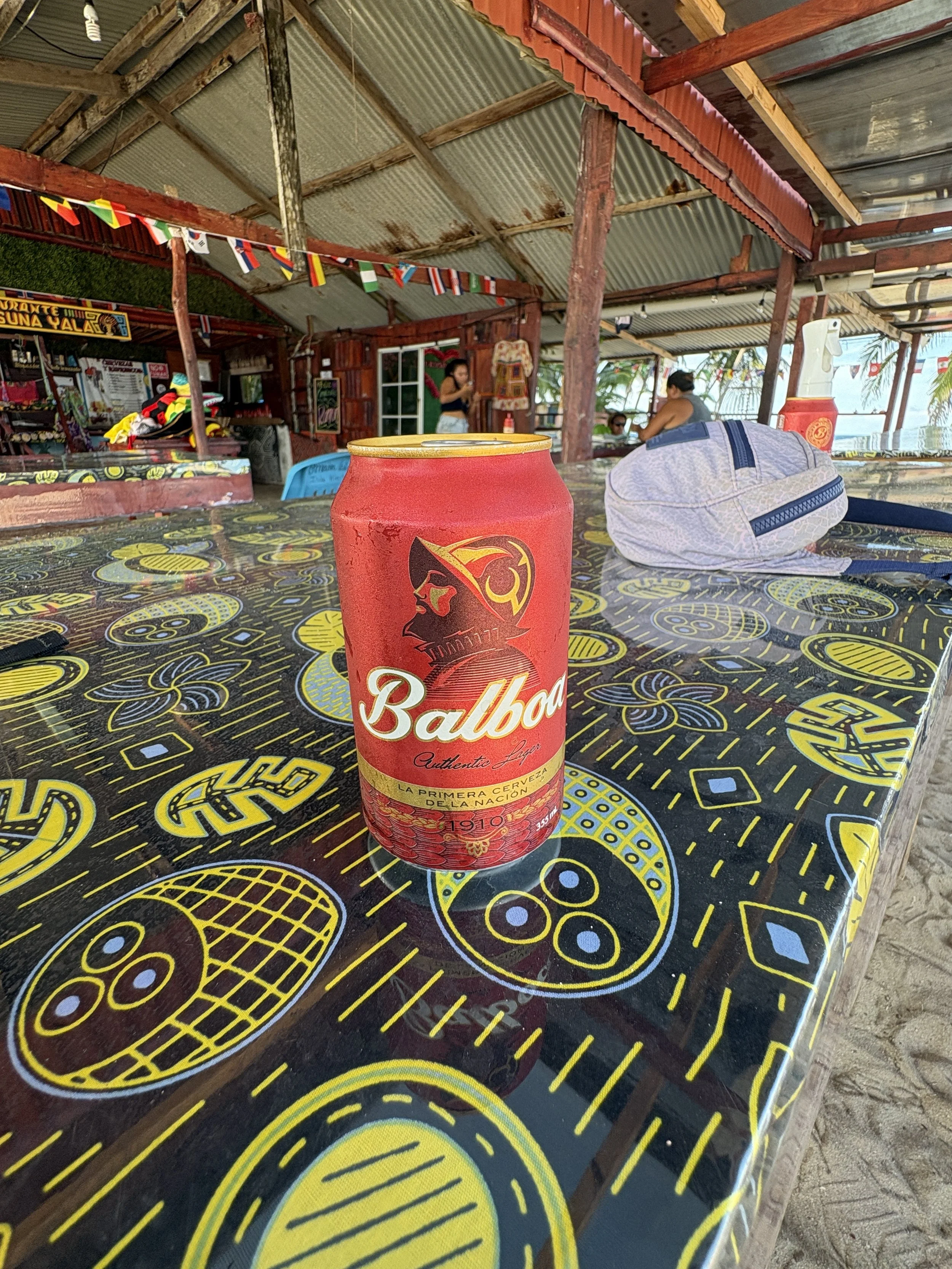
The Guna people are one of Panama’s strongest and most self-determined Indigenous groups. This region is their autonomous territory, governed by their own leaders and community rules. It is also a matriarchal and matrilineal society: family lines pass through women, homes are centred around the wife’s family, and major social decisions often involve the women of the household. Traditional and spiritual leadership sits with the sailas, who guide community decision-making and maintain the stories of their history, but the day-to-day structure of family life is firmly rooted in the authority and continuity of women. You feel that balance the moment you anchor near a village. A man might be running the bar or restaurant, but it’s the woman who owns it who controls the till or the card machine. Even the Congresso (government official) is appointed by the women of the council.
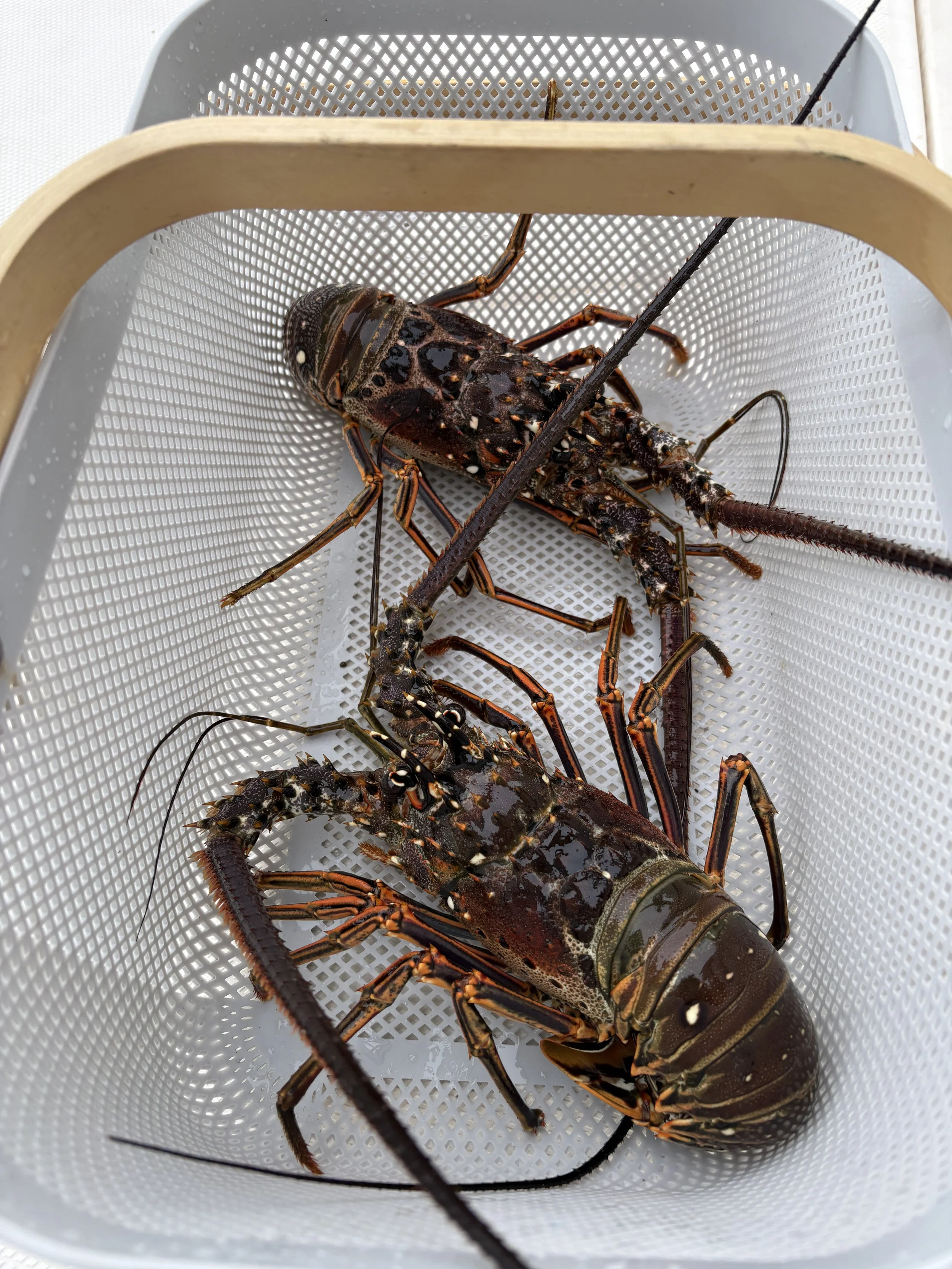
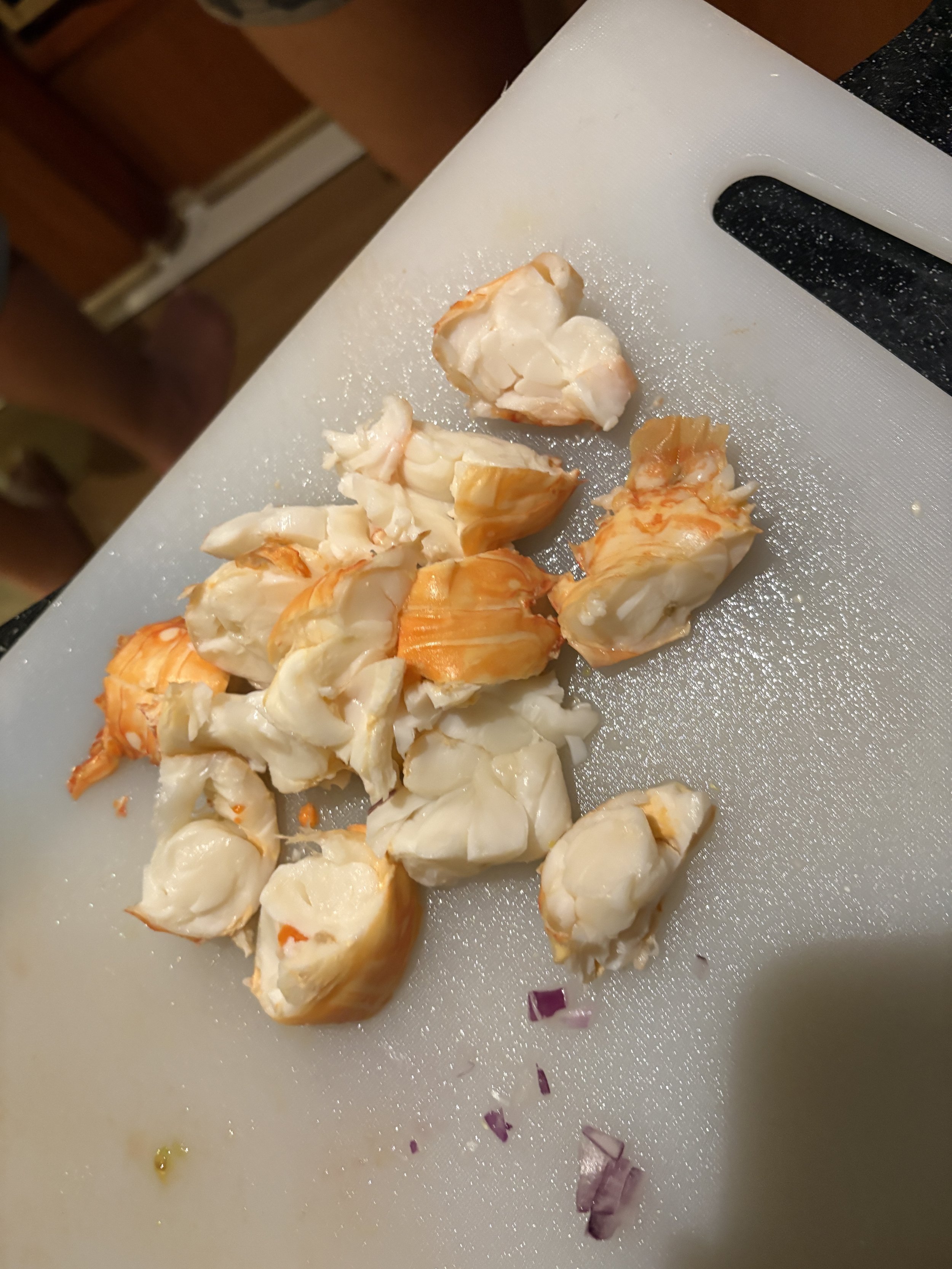
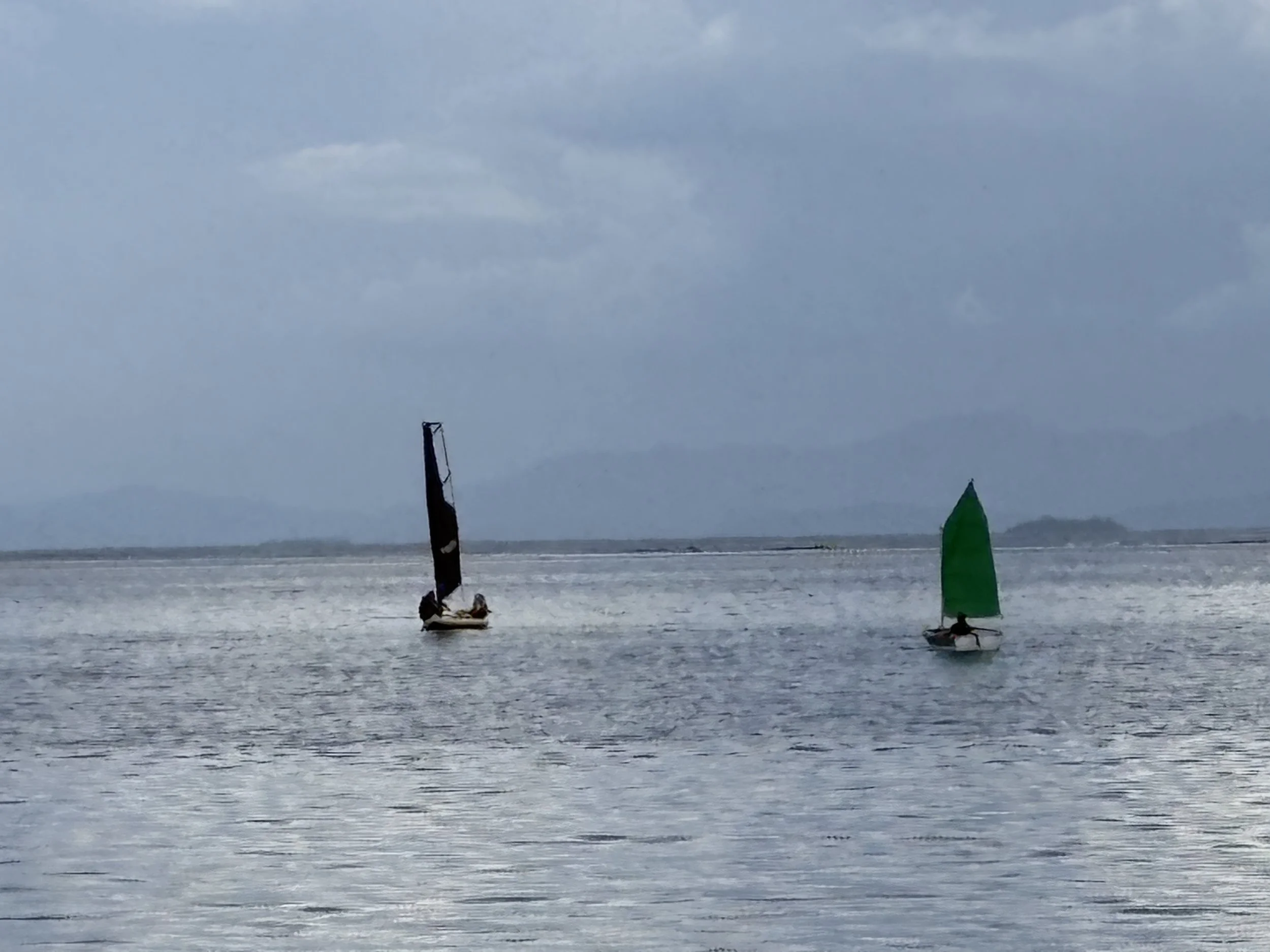
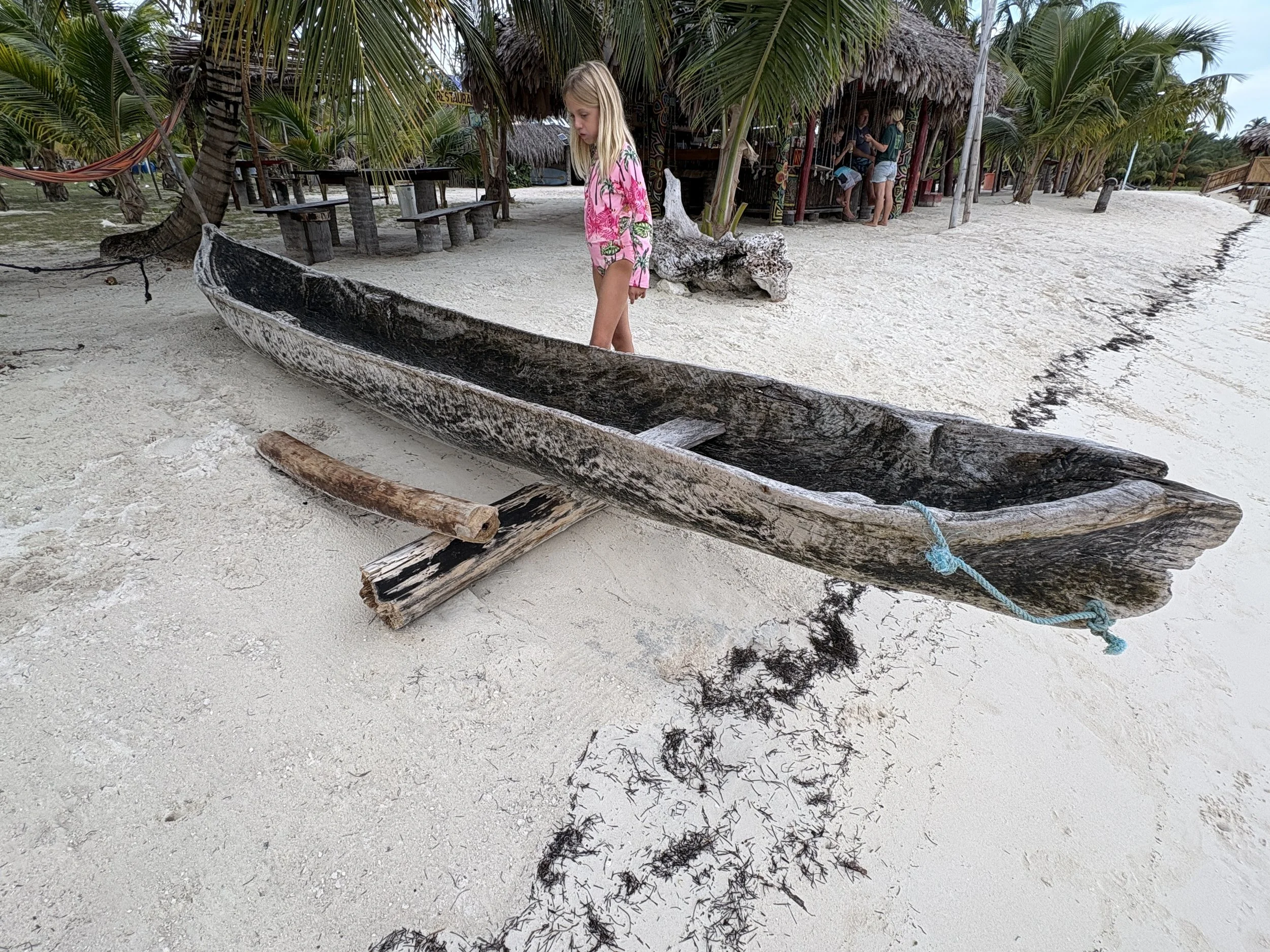
Life here is practical and directly tied to the sea. Before sunrise, you’ll see wooden canoes heading out to fish, and by mid-morning people paddle from boat to boat offering lobster ($5 each), octopus, or fresh fish for sale. Coconuts are more than just food — they’re a key part of the economy and an important element of daily trade. On land, you can’t just pick up a fallen coconut and take it back to your boat; every tree, and therefore every coconut, belongs to a specific Guna family.
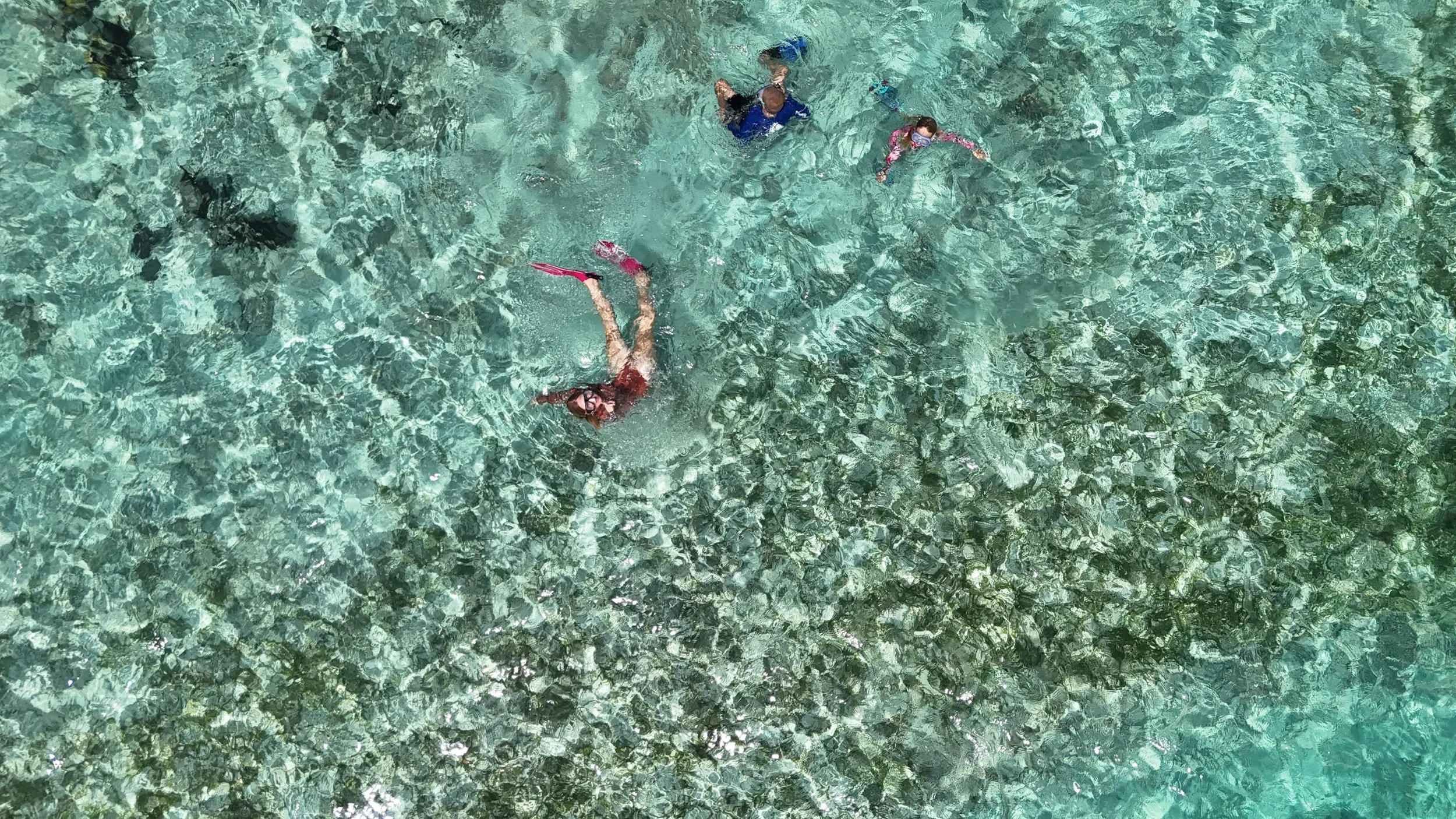
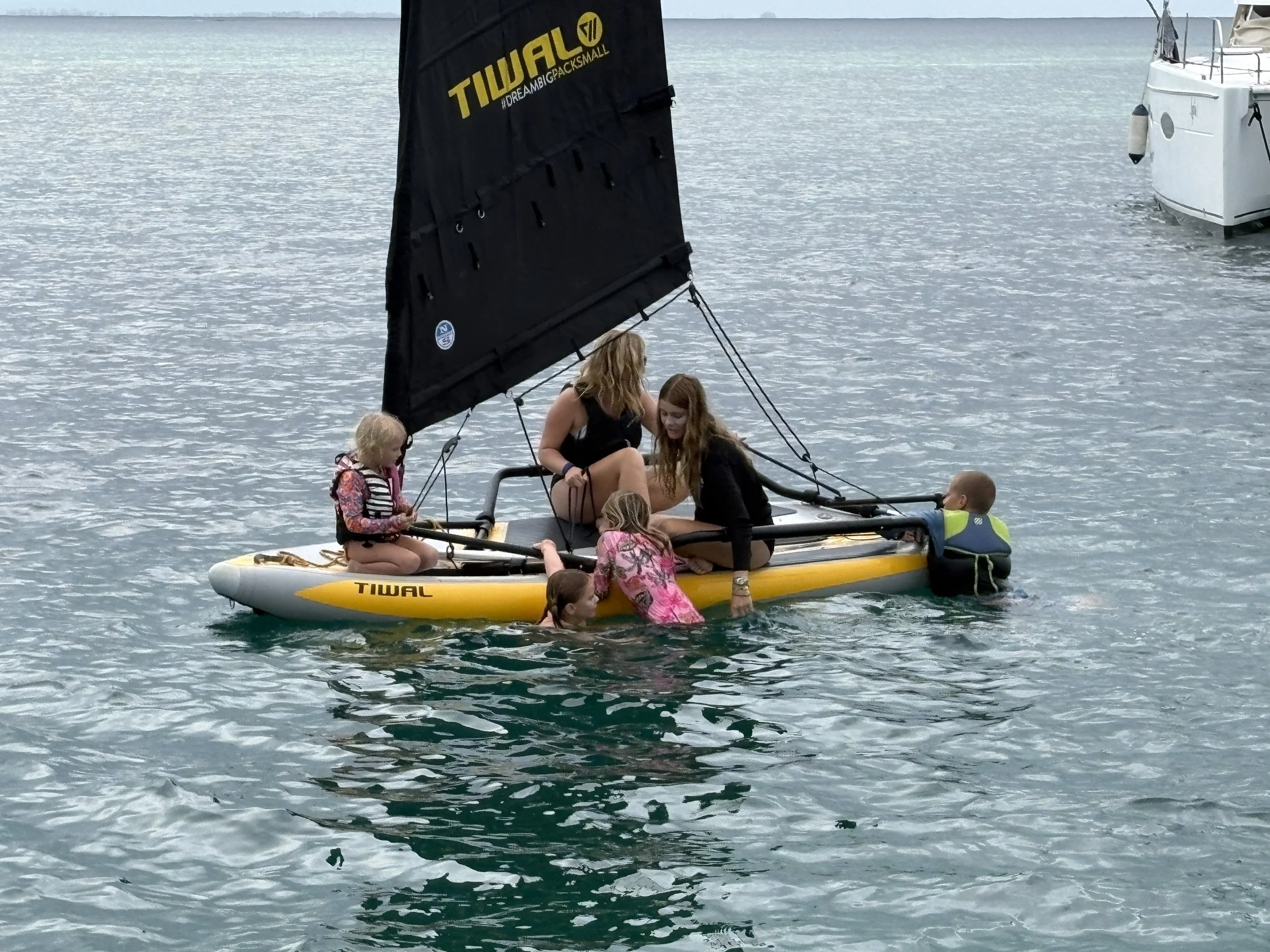
Some friends came to play as we moved between the reefs and islands, to a different anchorage.
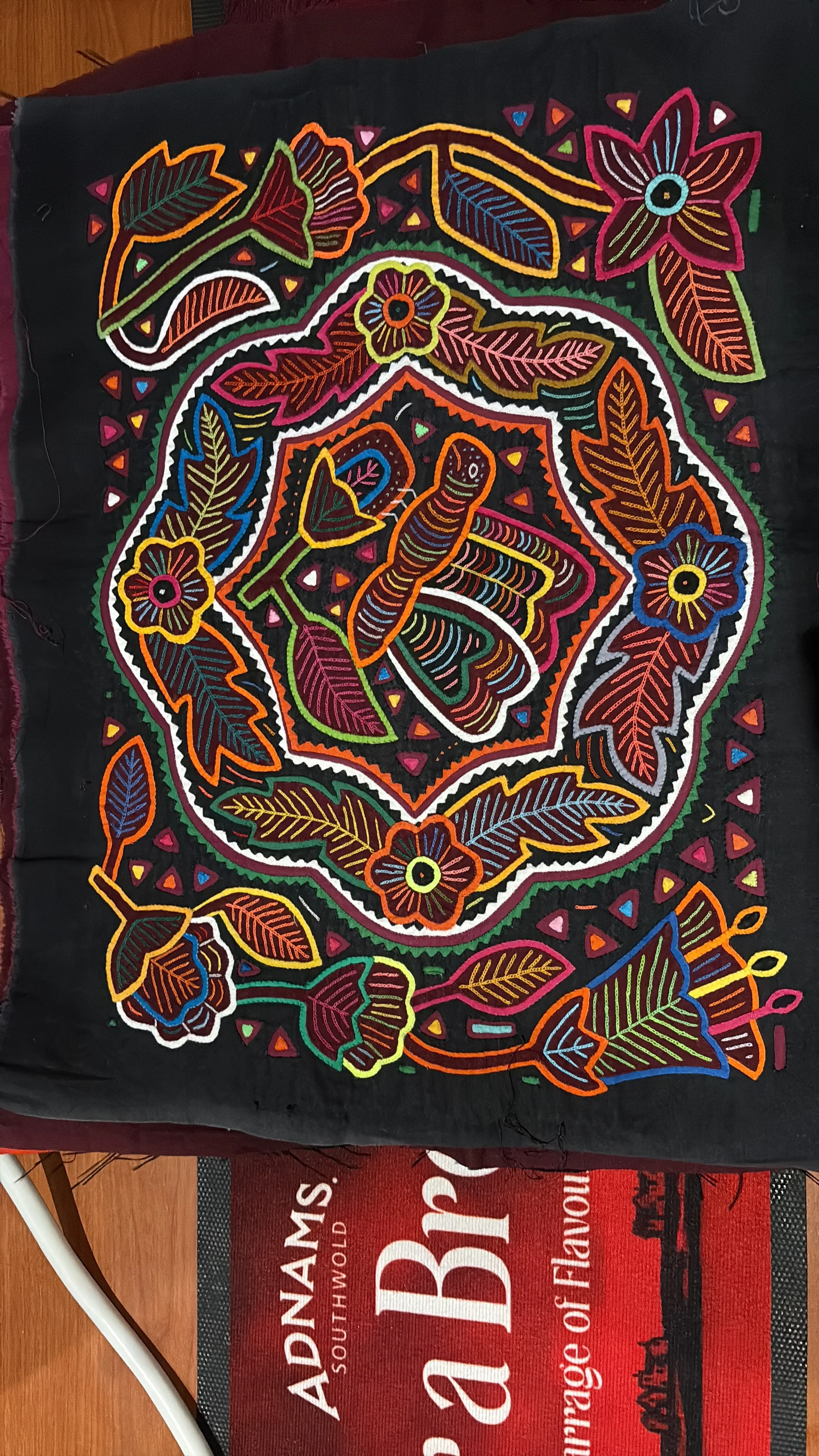
You also can’t miss the molas — the layered textiles that Guna women wear and create. They’re often the first thing outsiders recognize about the area, but when we have got talking to the locals who make them, every one has a story from the Guna past or is representative of a scene from their life - fishing, nature, circle of life, and the colors and work in each one is just extraordinary. We have bought several already, and I am sure will have many more before we leave here, hopefully to eventually make them into cushion covers or maybe to frame them.
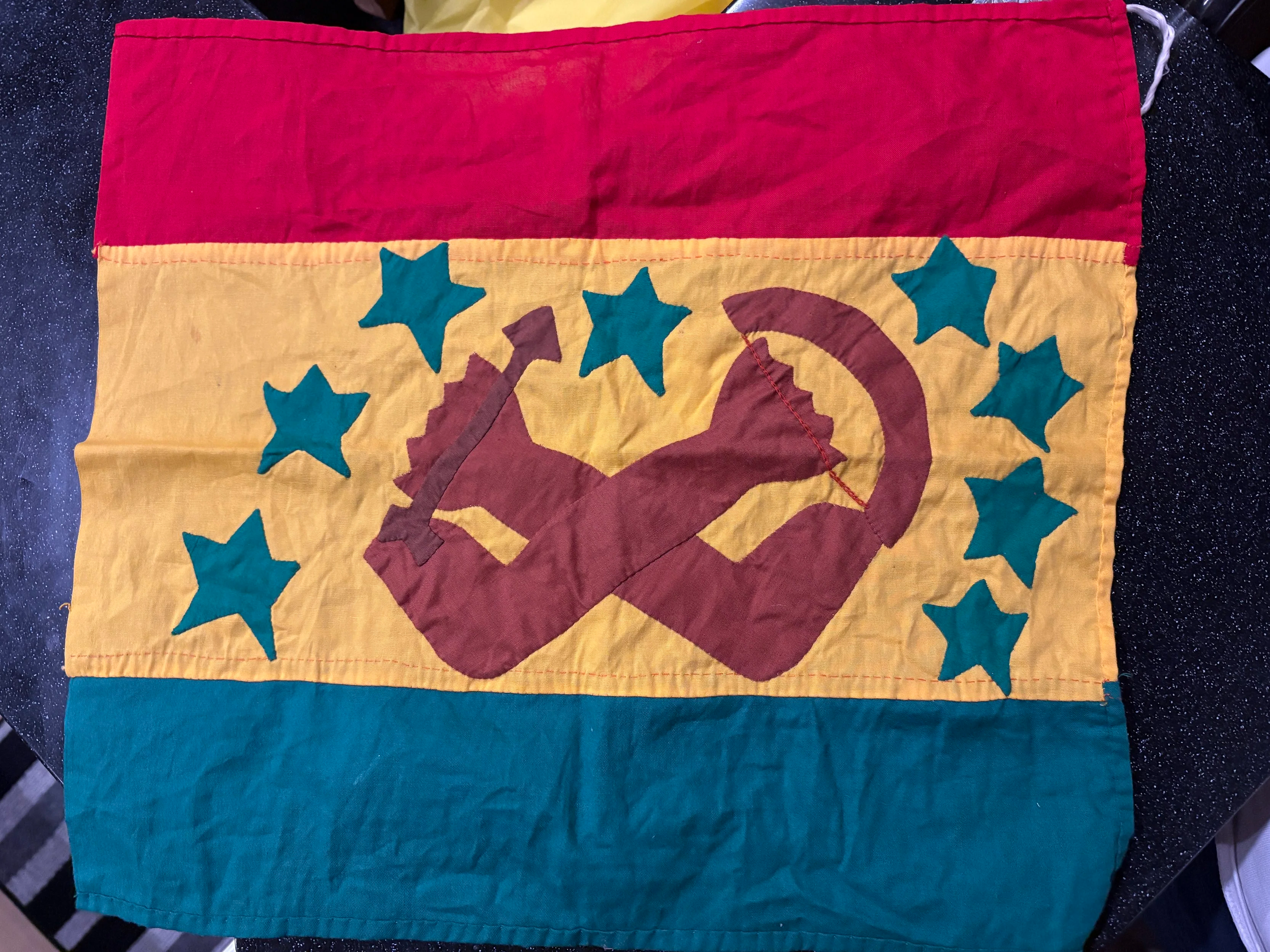
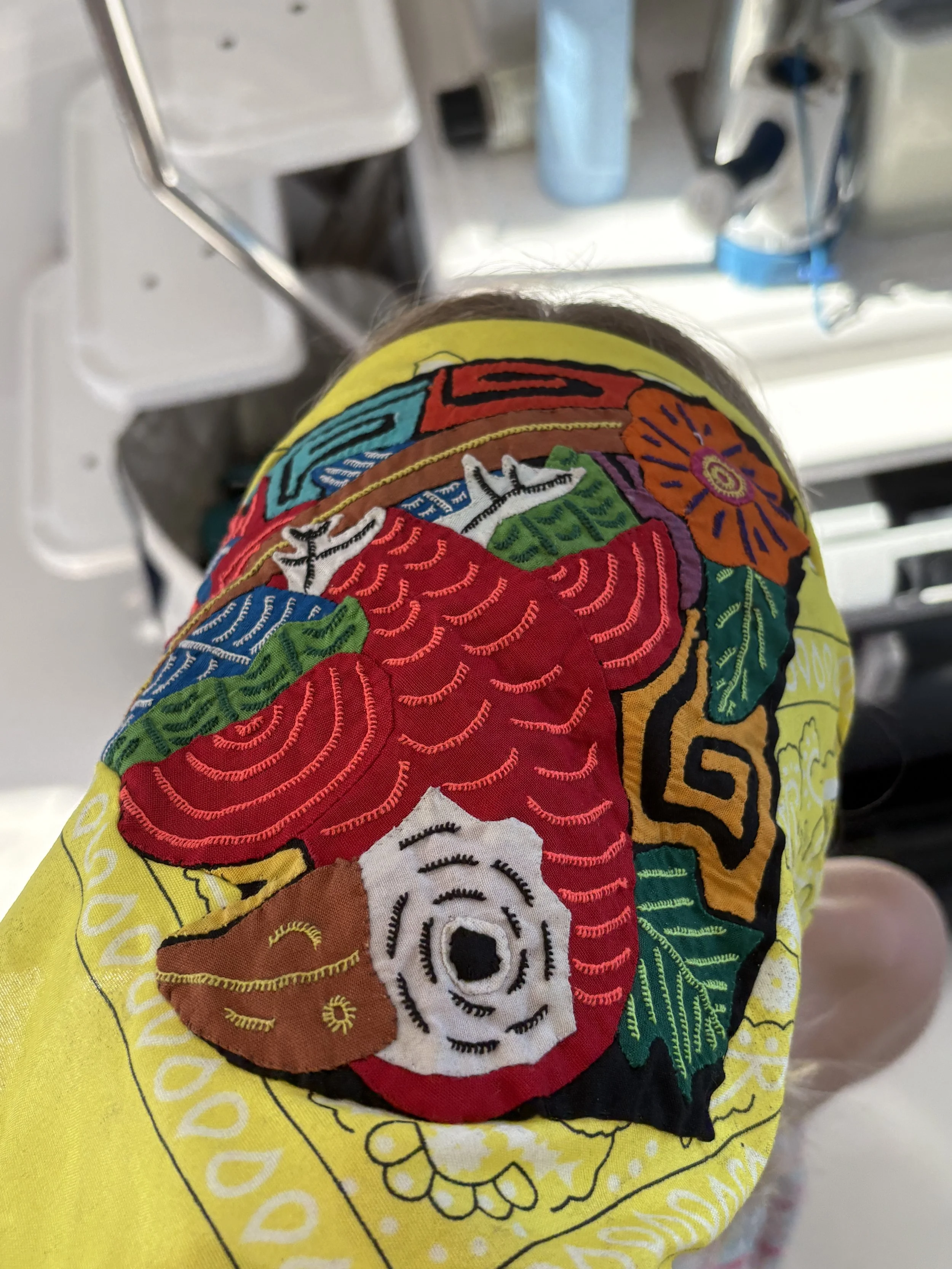
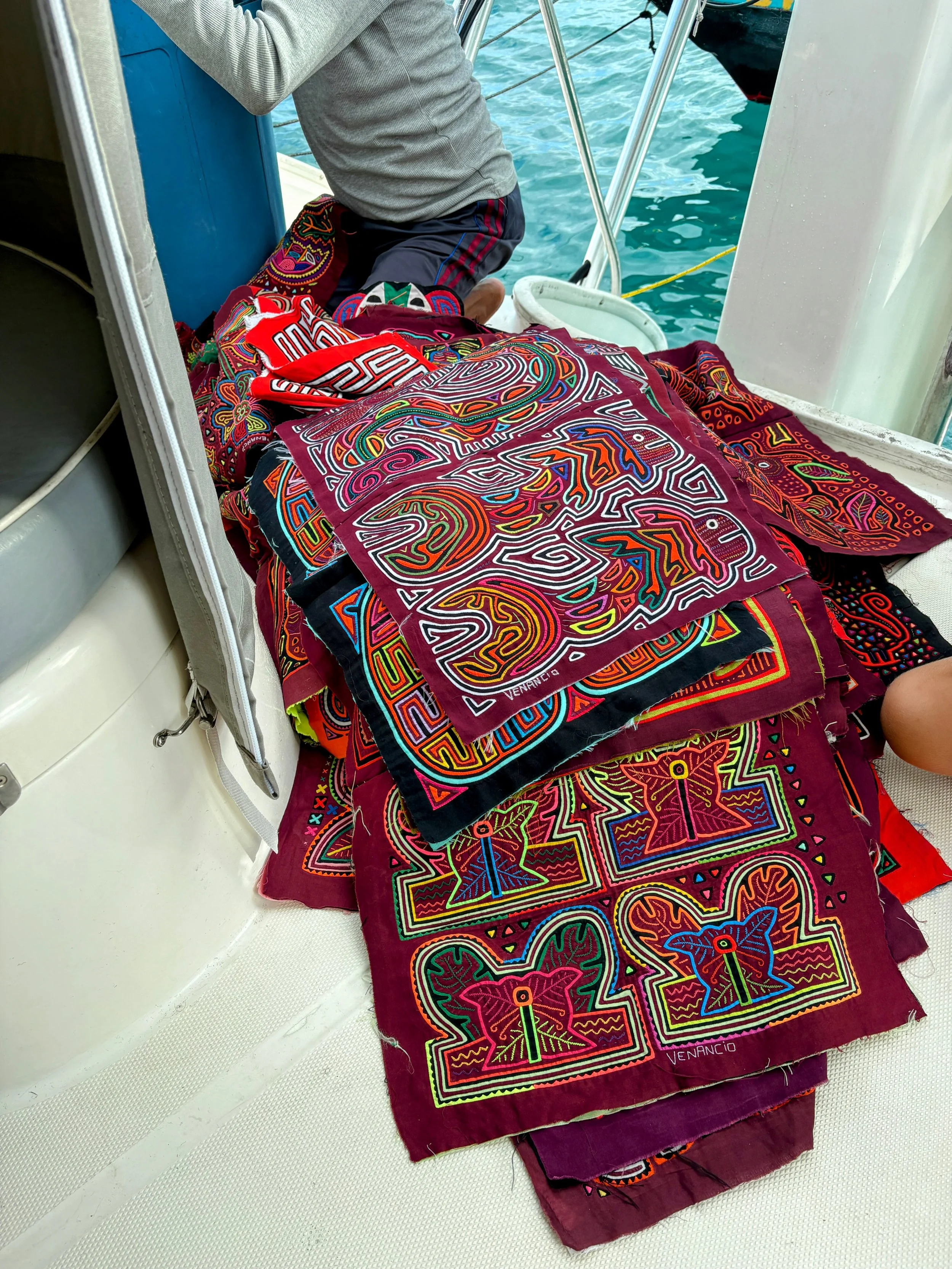
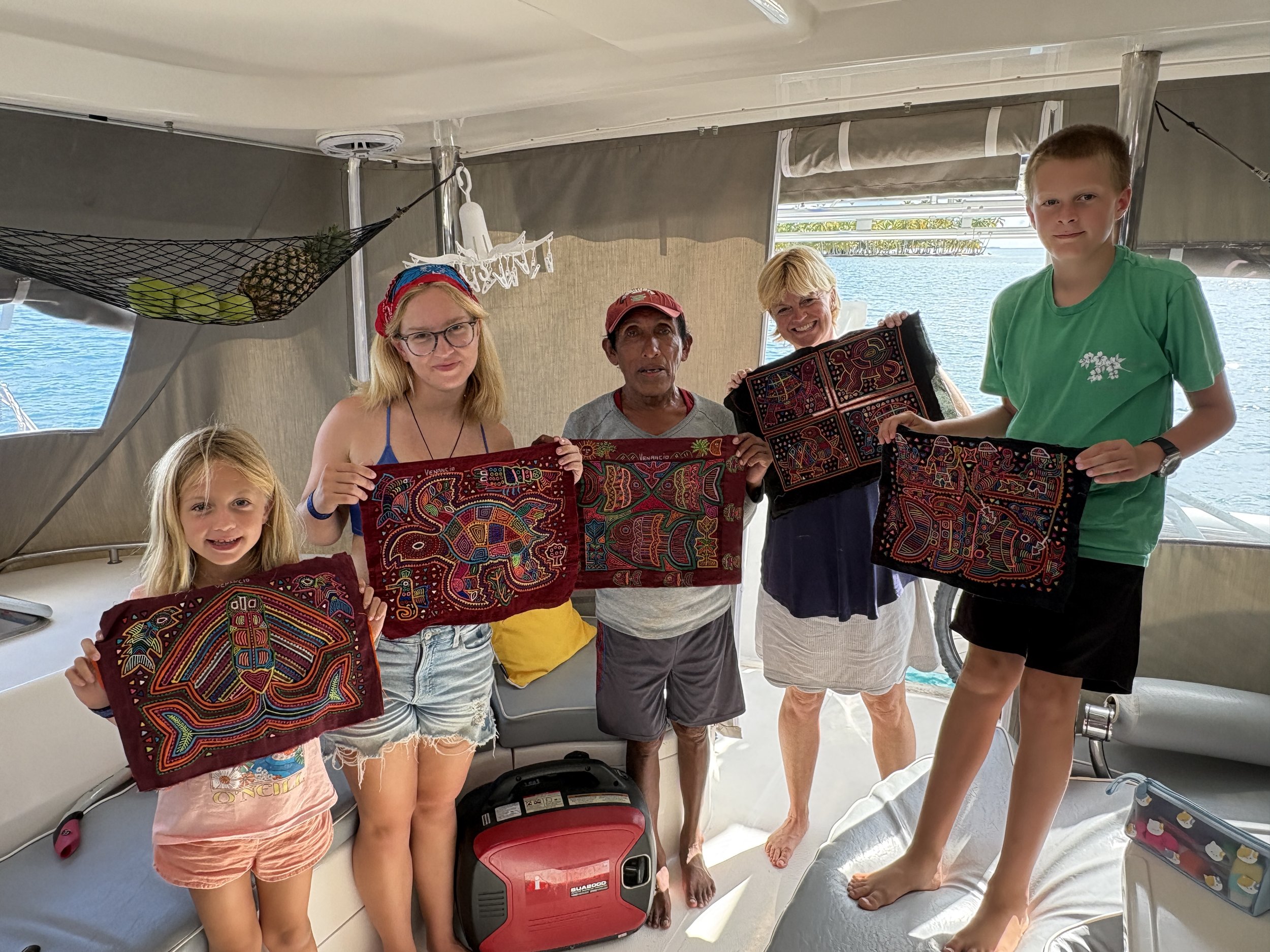
Bethan did a Google docs presentation to practice her skills, and did it on the Guna People. This is her take on life of the Guna, here….. :)
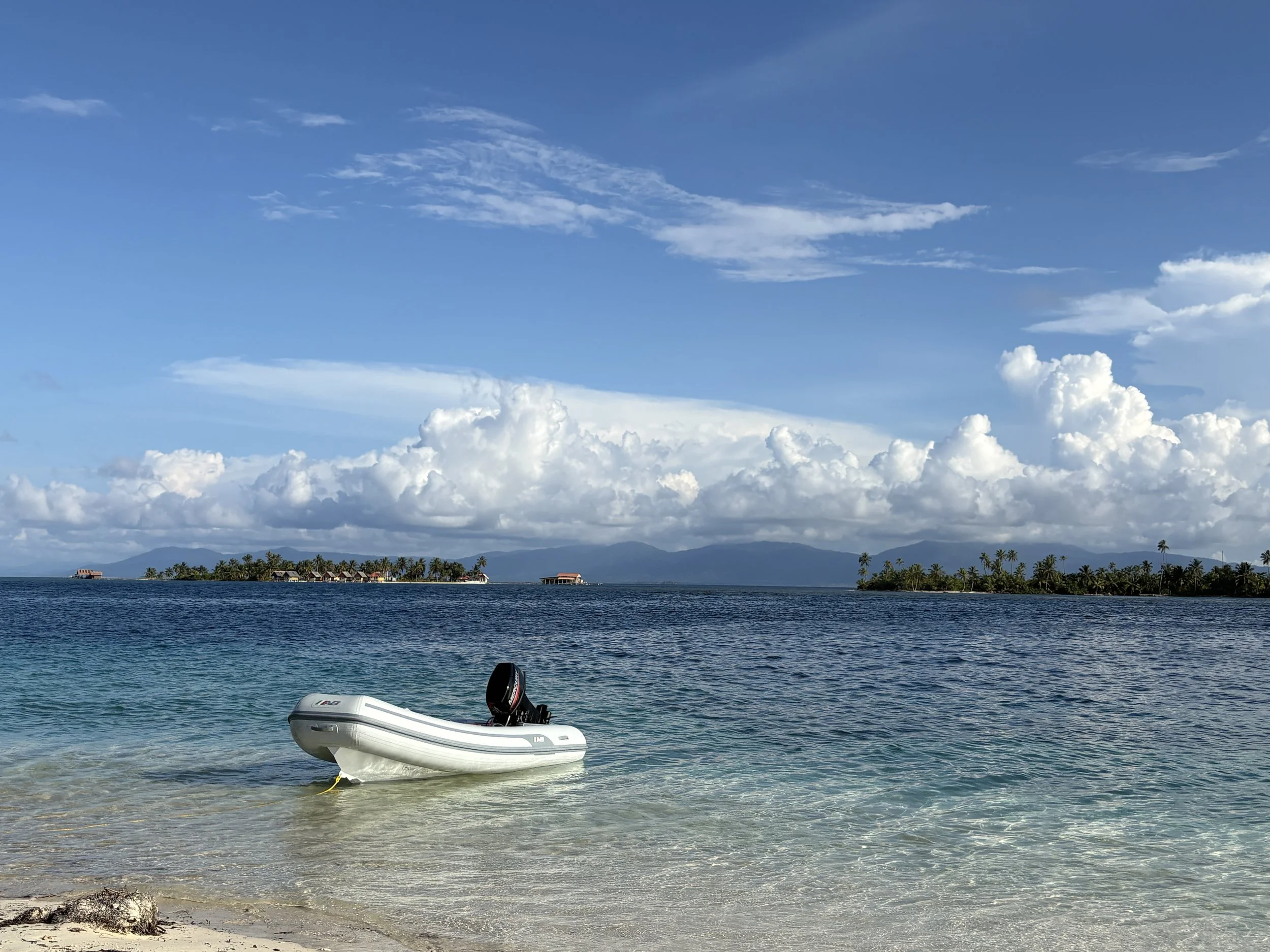
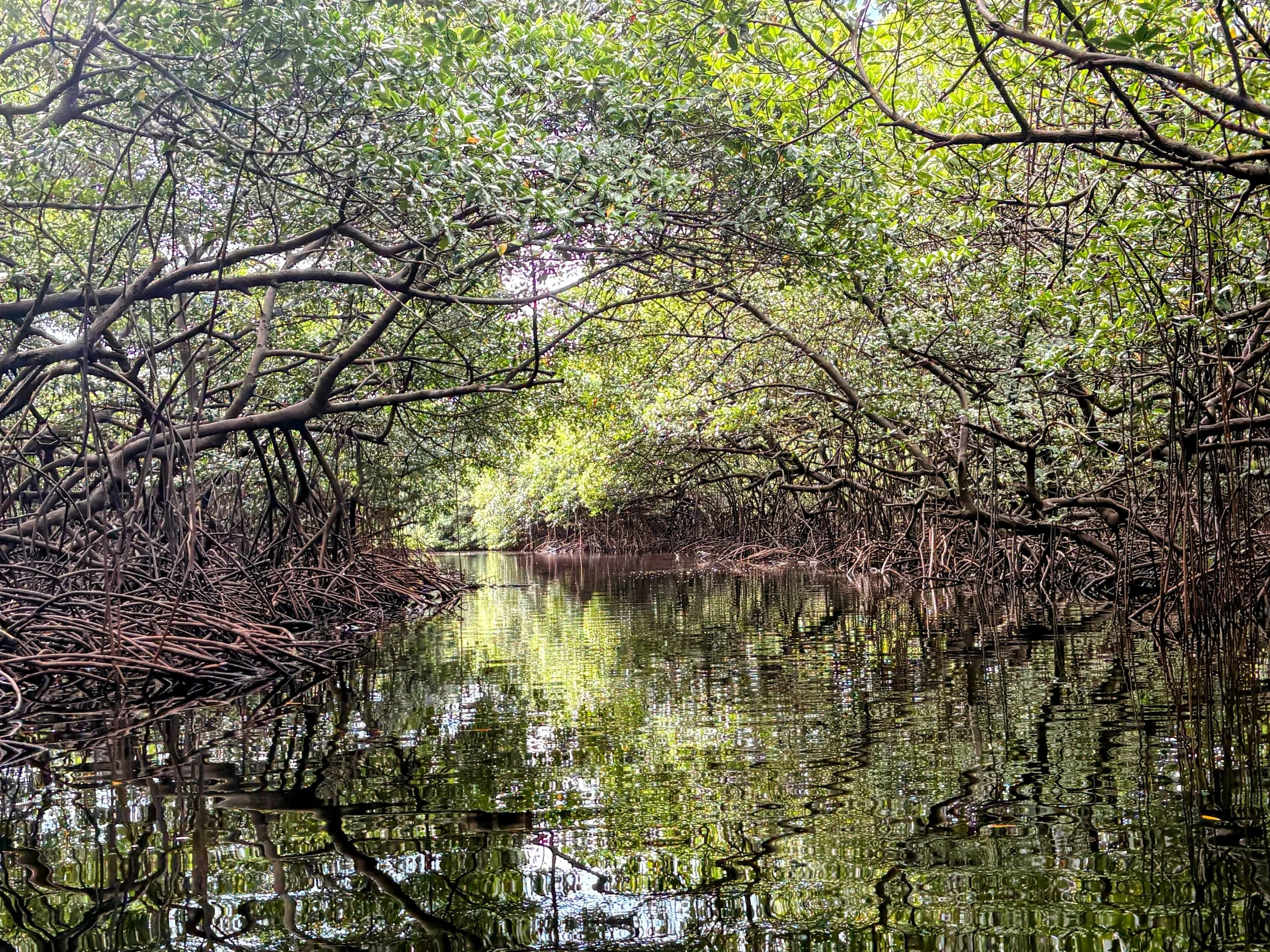
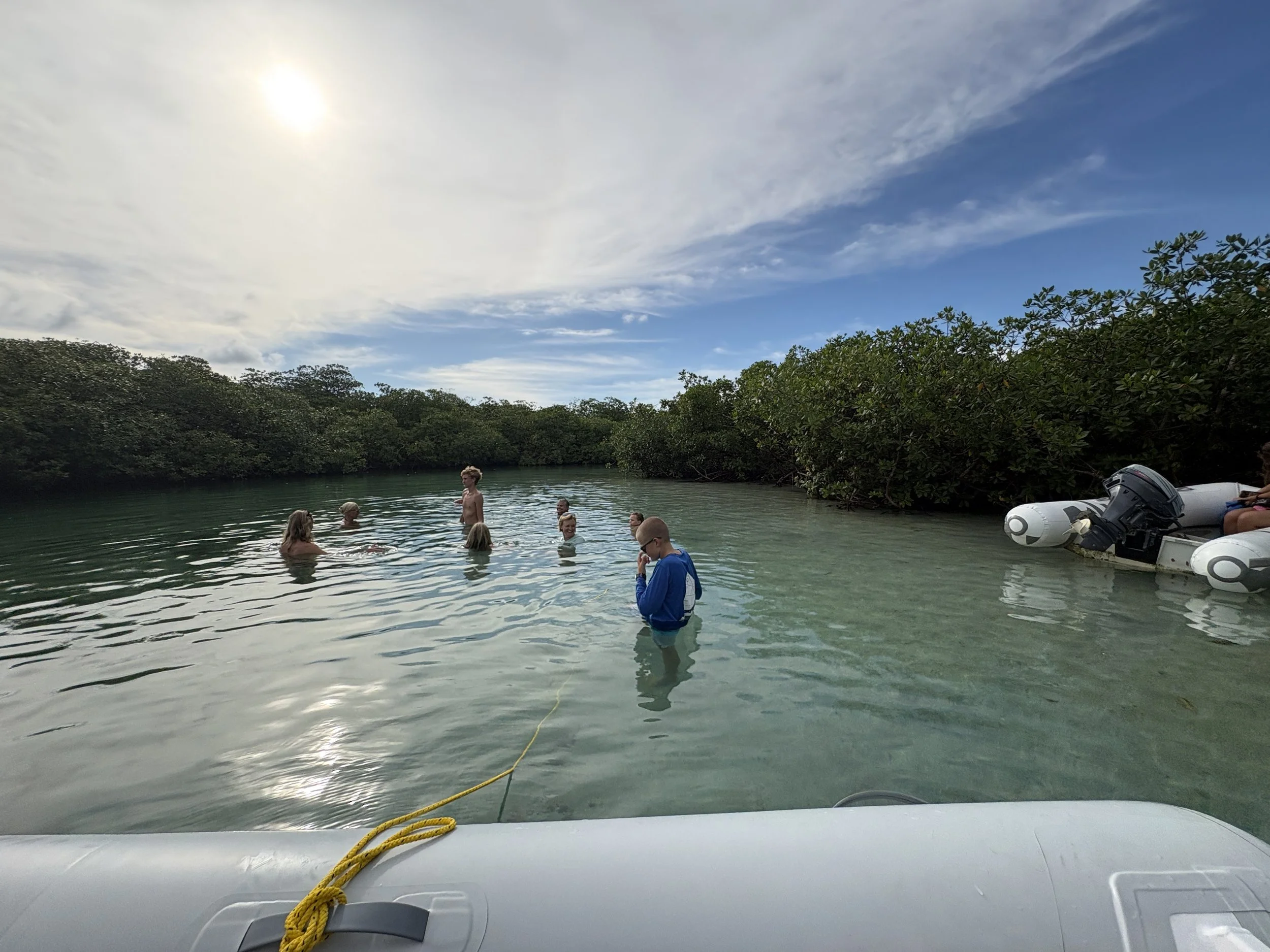
We had to duck into a marina for a few days to sort out our windlass — the motor that pulls the anchor up had stopped working — and it felt strange to be back in something resembling civilisation for a bit. We used the time to explore a couple of nearby islands, taking the dinghy over with some new friends and climbing up to a viewpoint. We also did a mangrove dinghy run, which is always a bit unnerving — proper crocodile territory — but it opens out into clear, swimmable water at the end, which made it worth it.
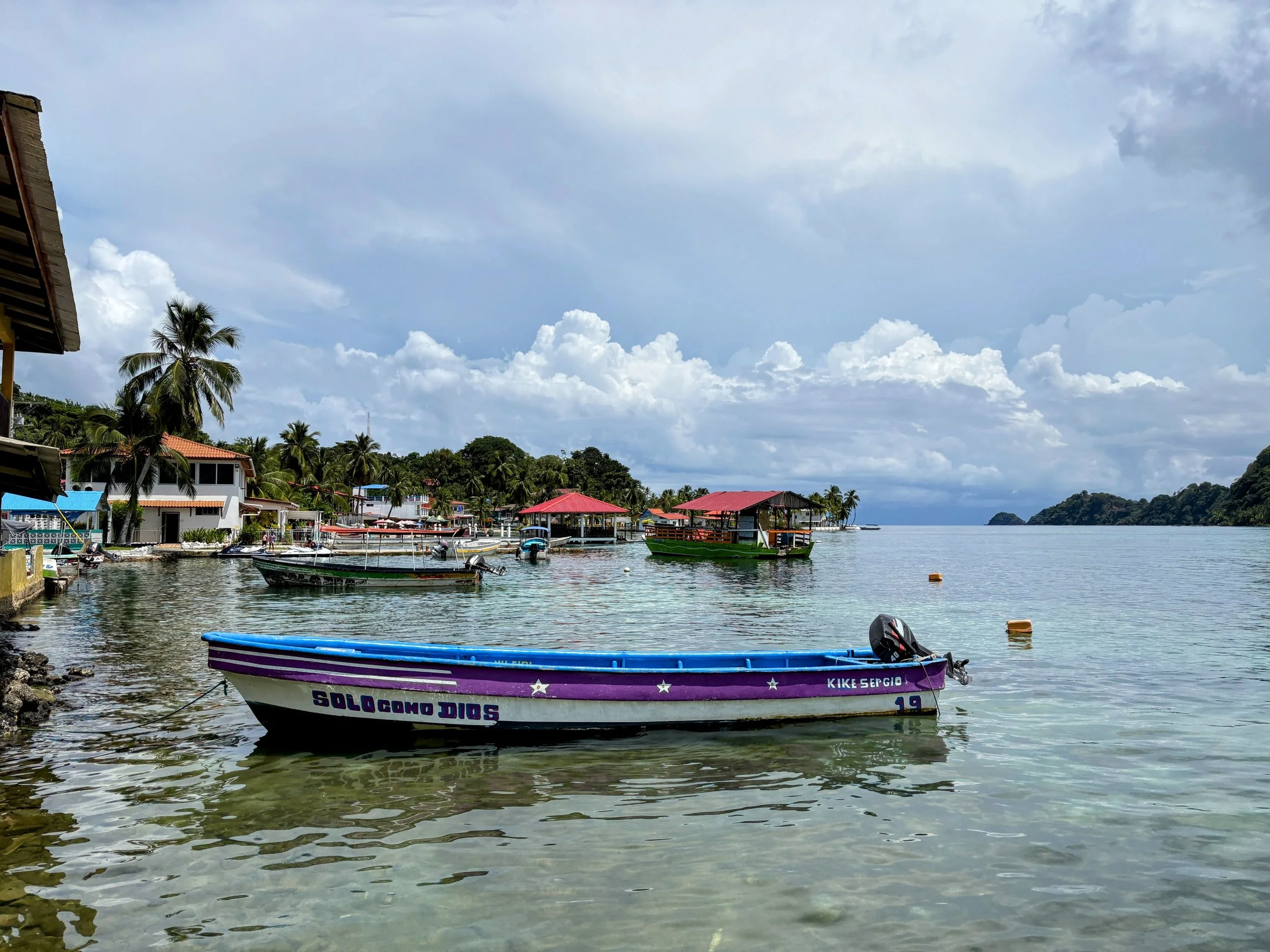
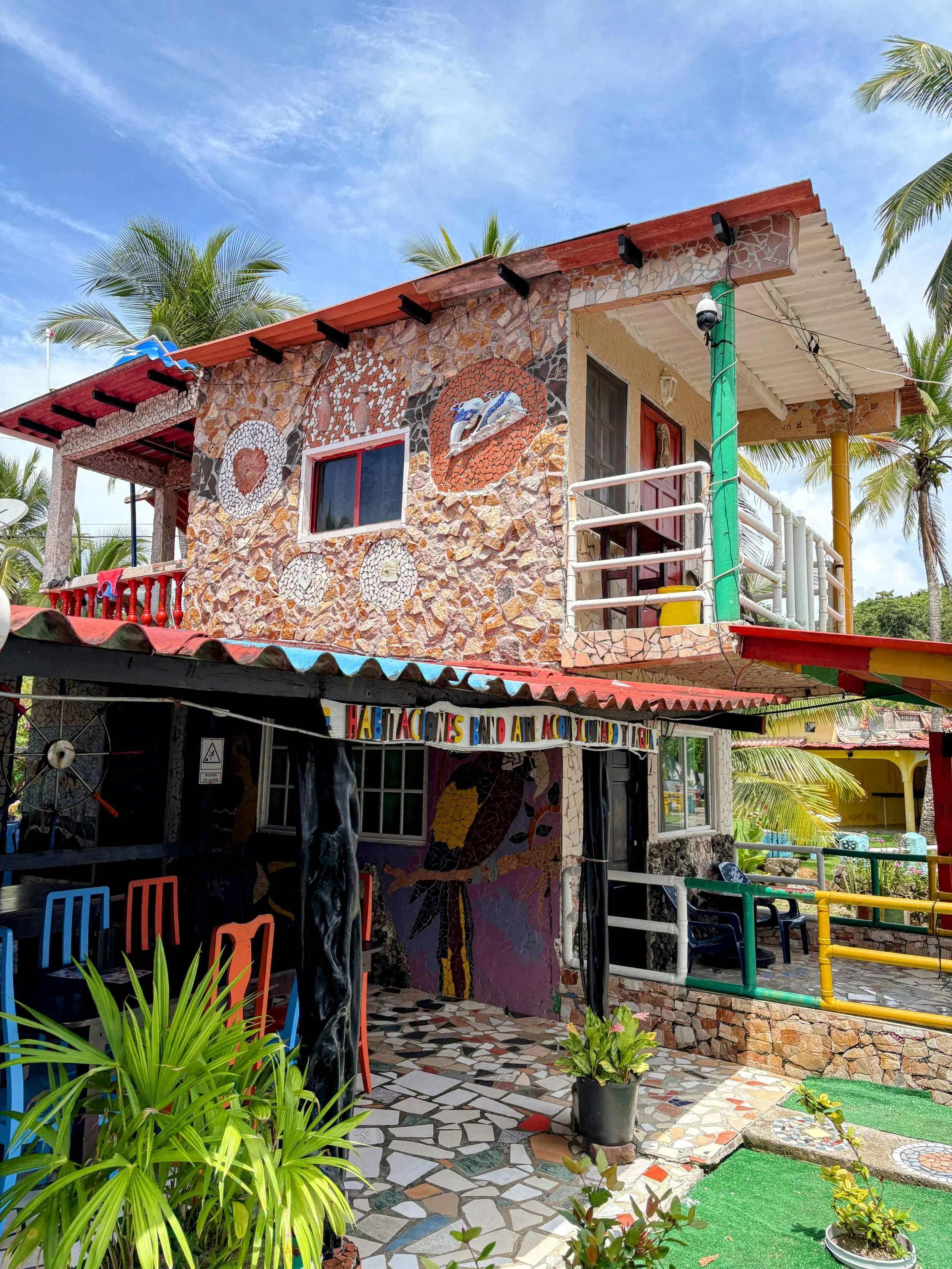
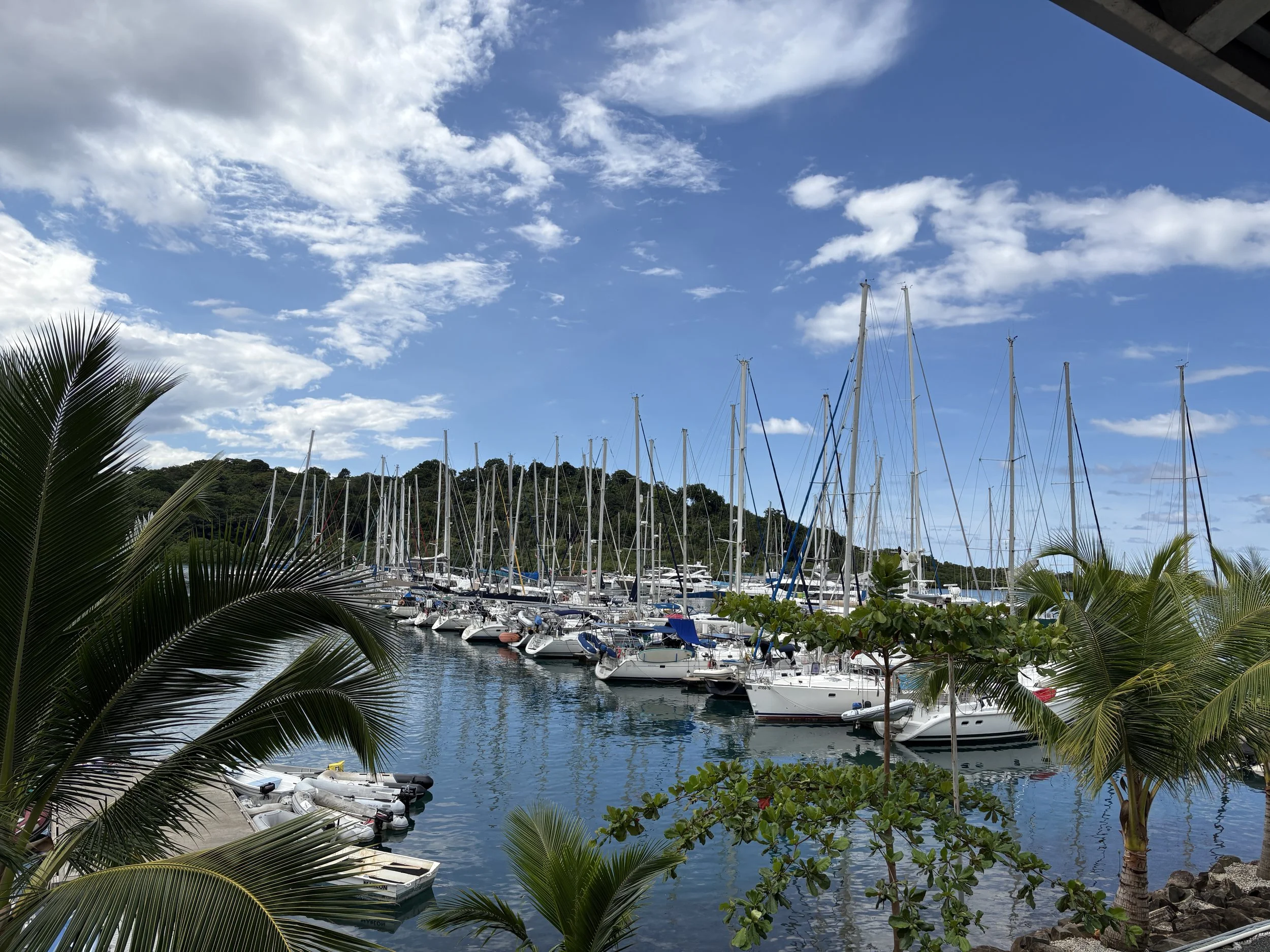
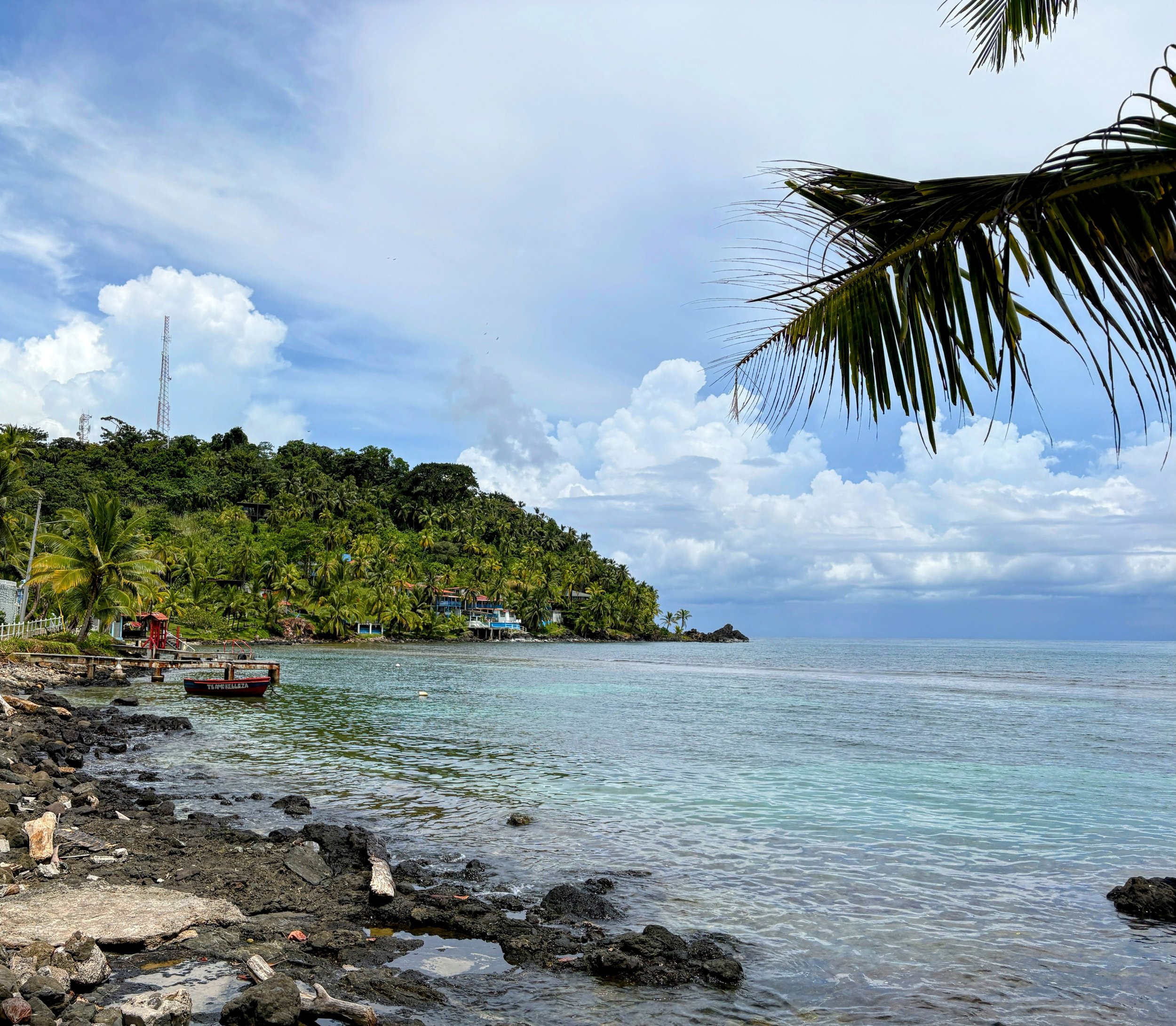
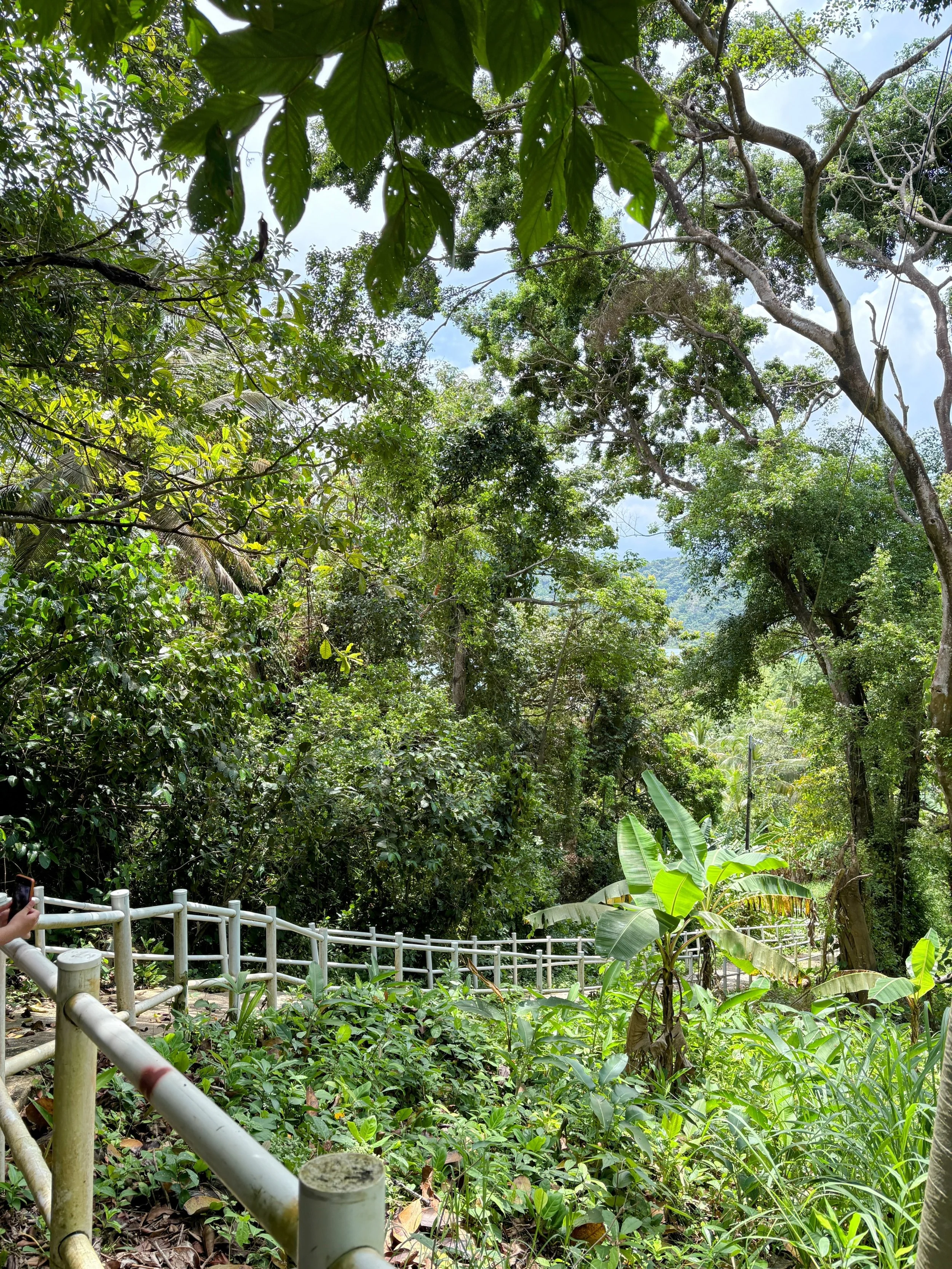
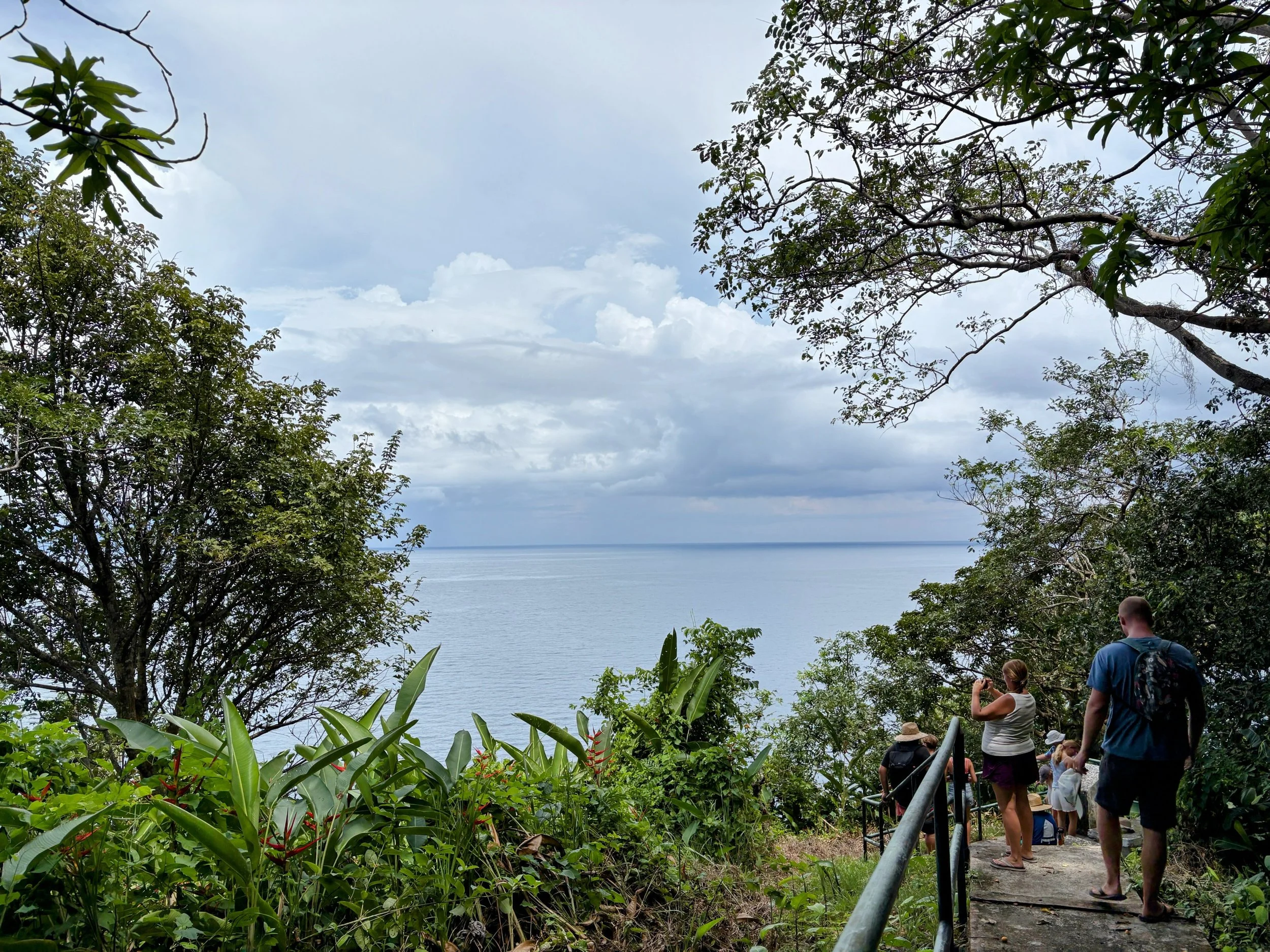
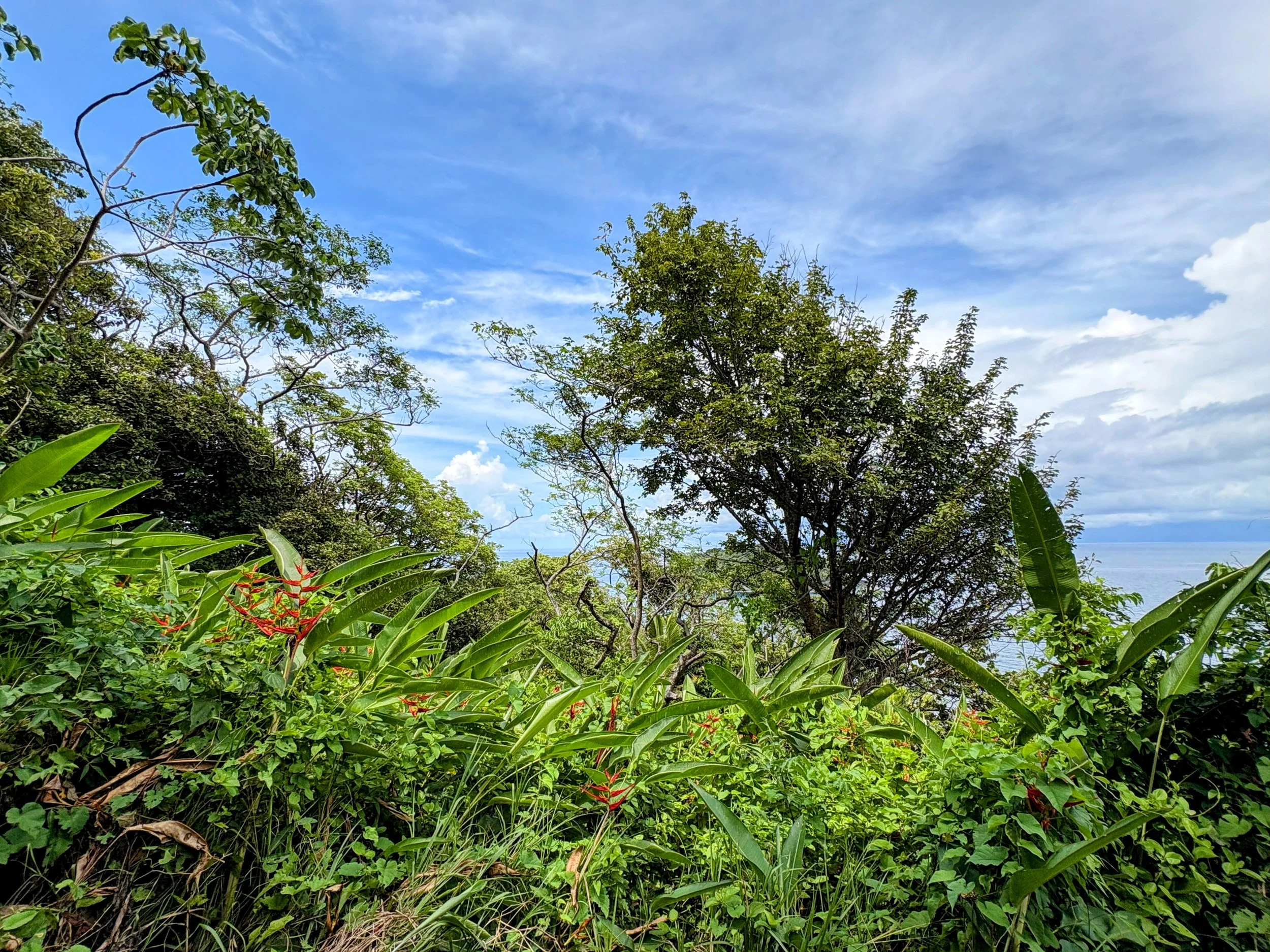
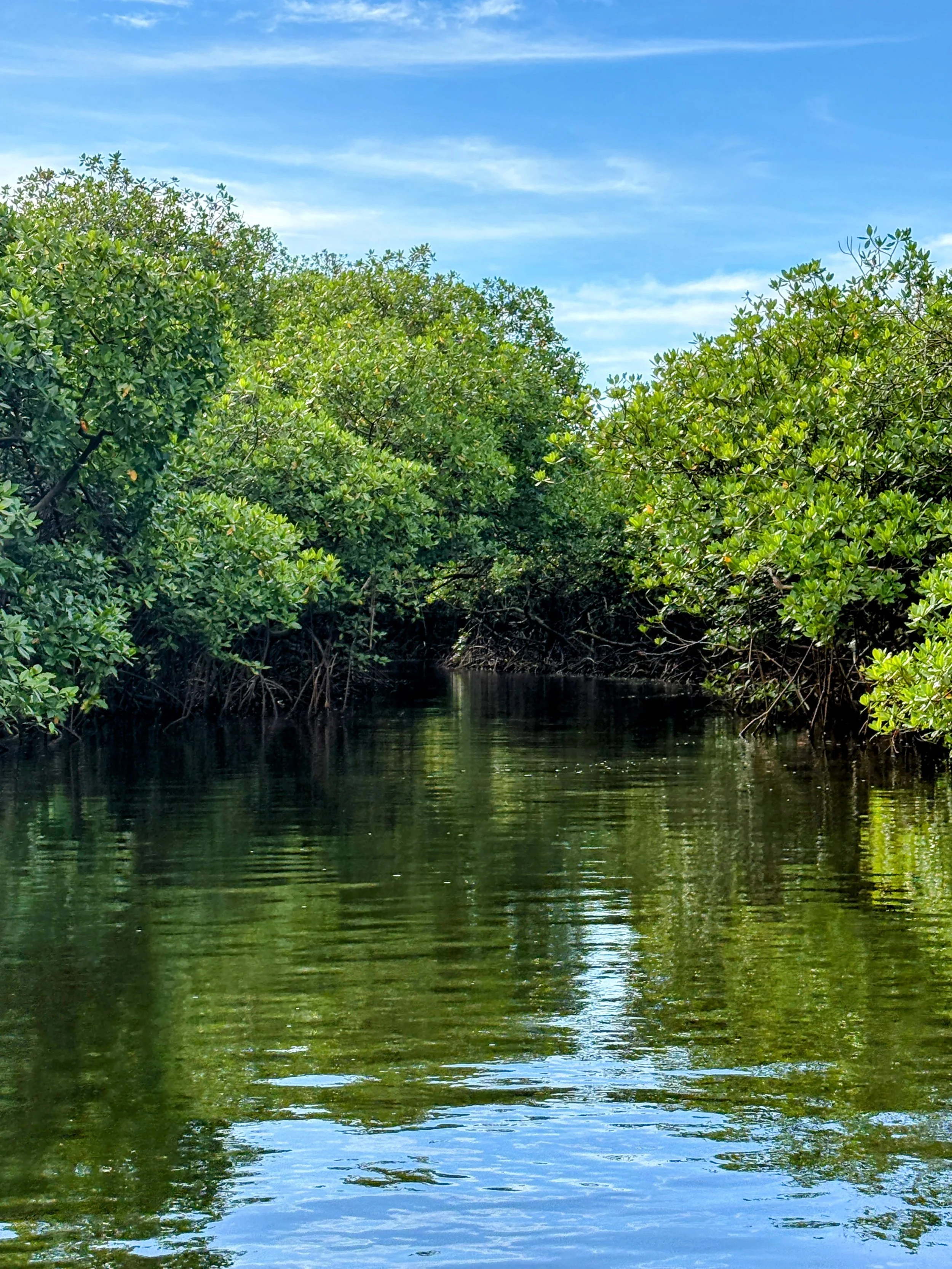
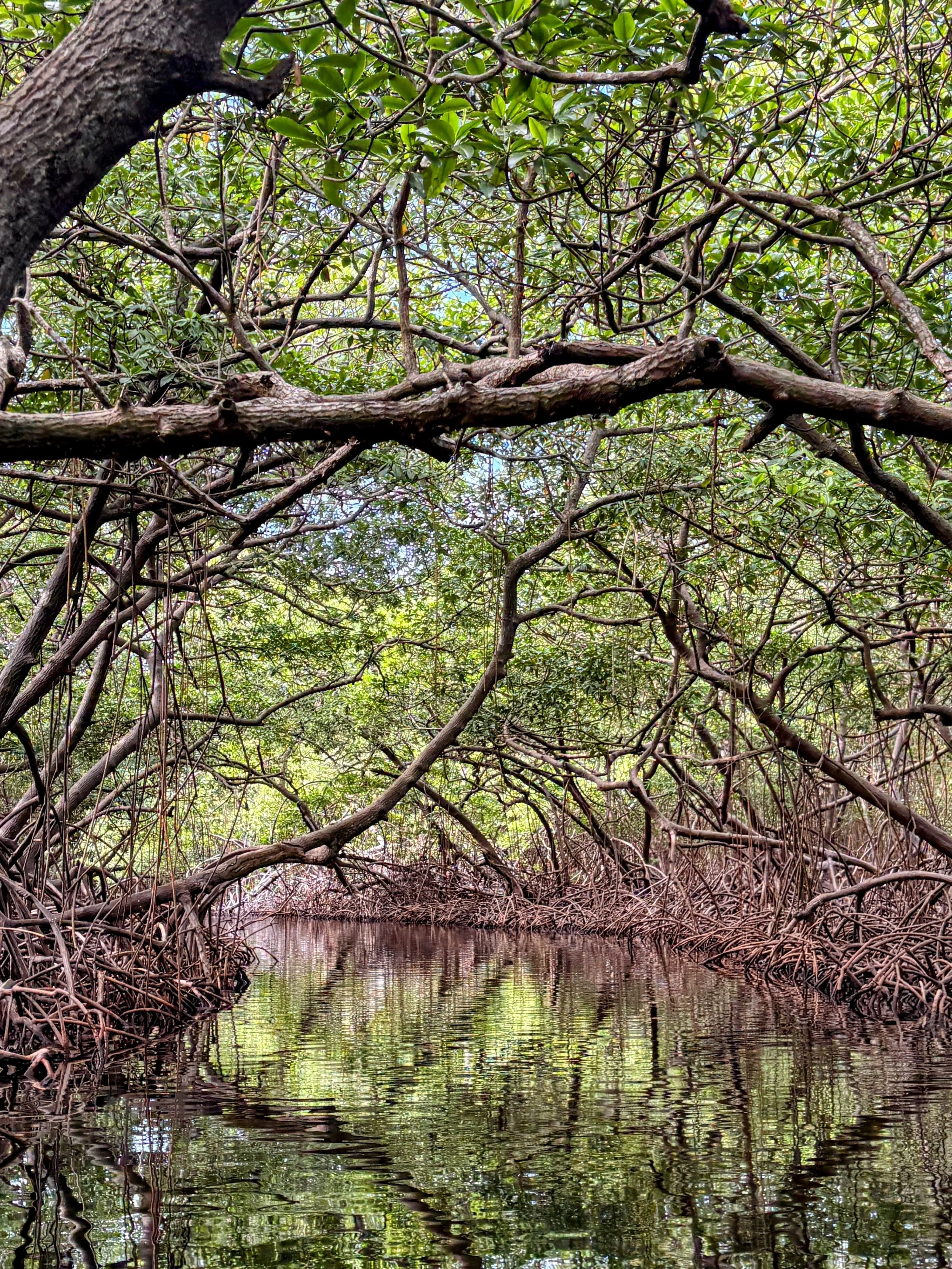
Travelling through Guna Yala also means being aware of the impact you bring with you. The Guna consider themselves quite separate from Panama, and tourism here is tightly controlled. There are no rubbish facilities, so we’ve had to get much more deliberate about what we bring onboard and how we dispose of things — the only real option is burning, unfortunately.
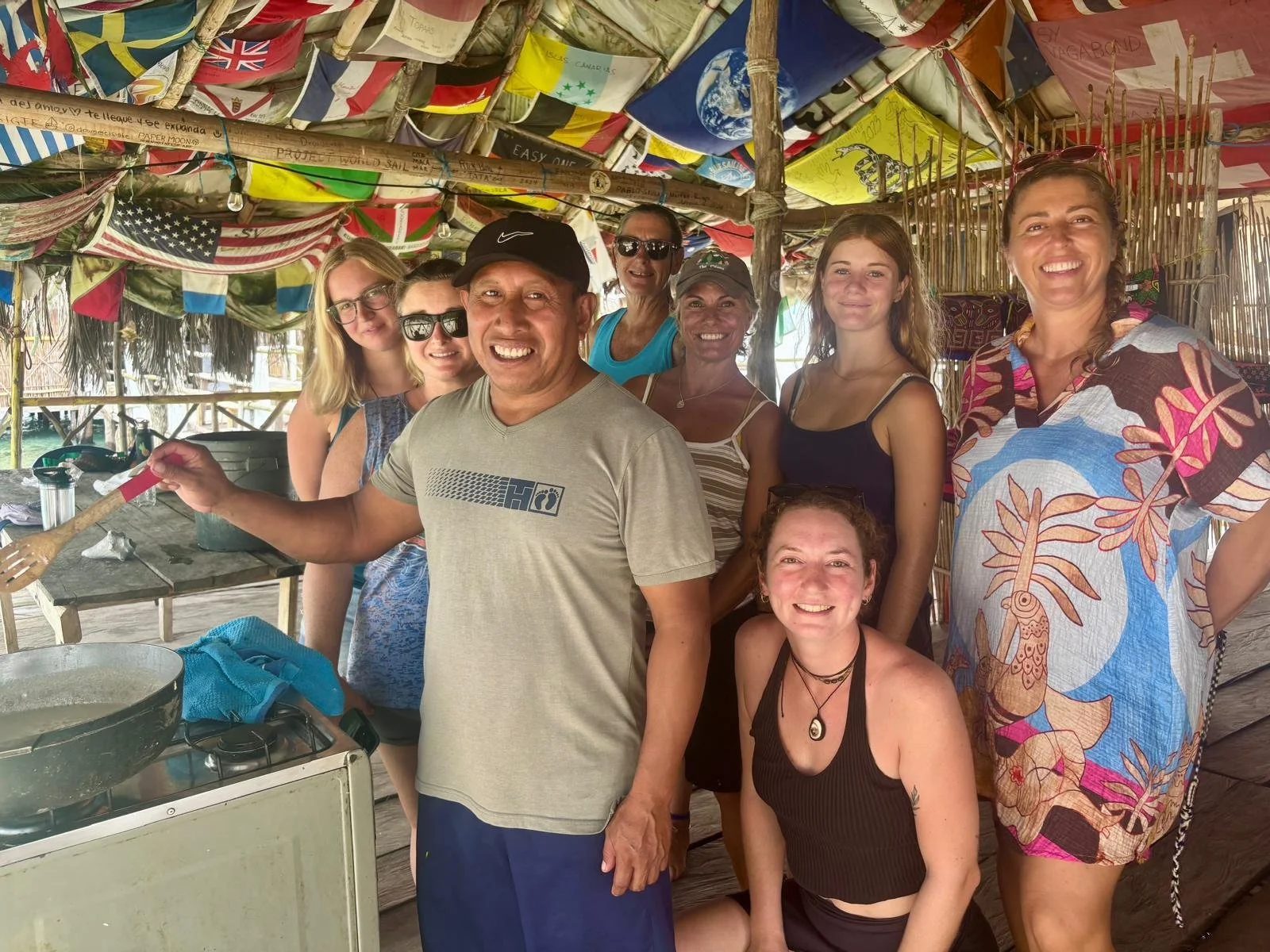
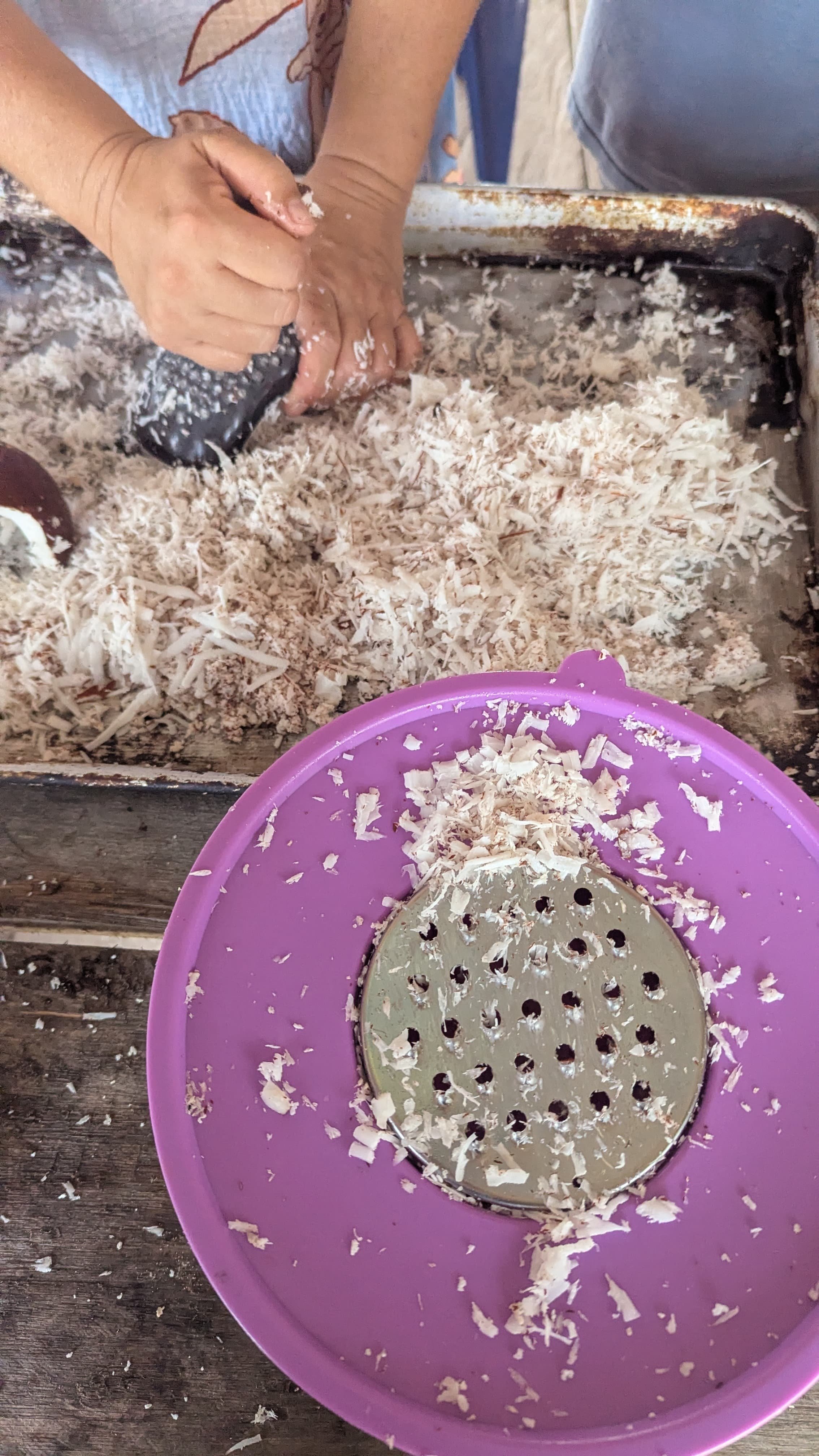
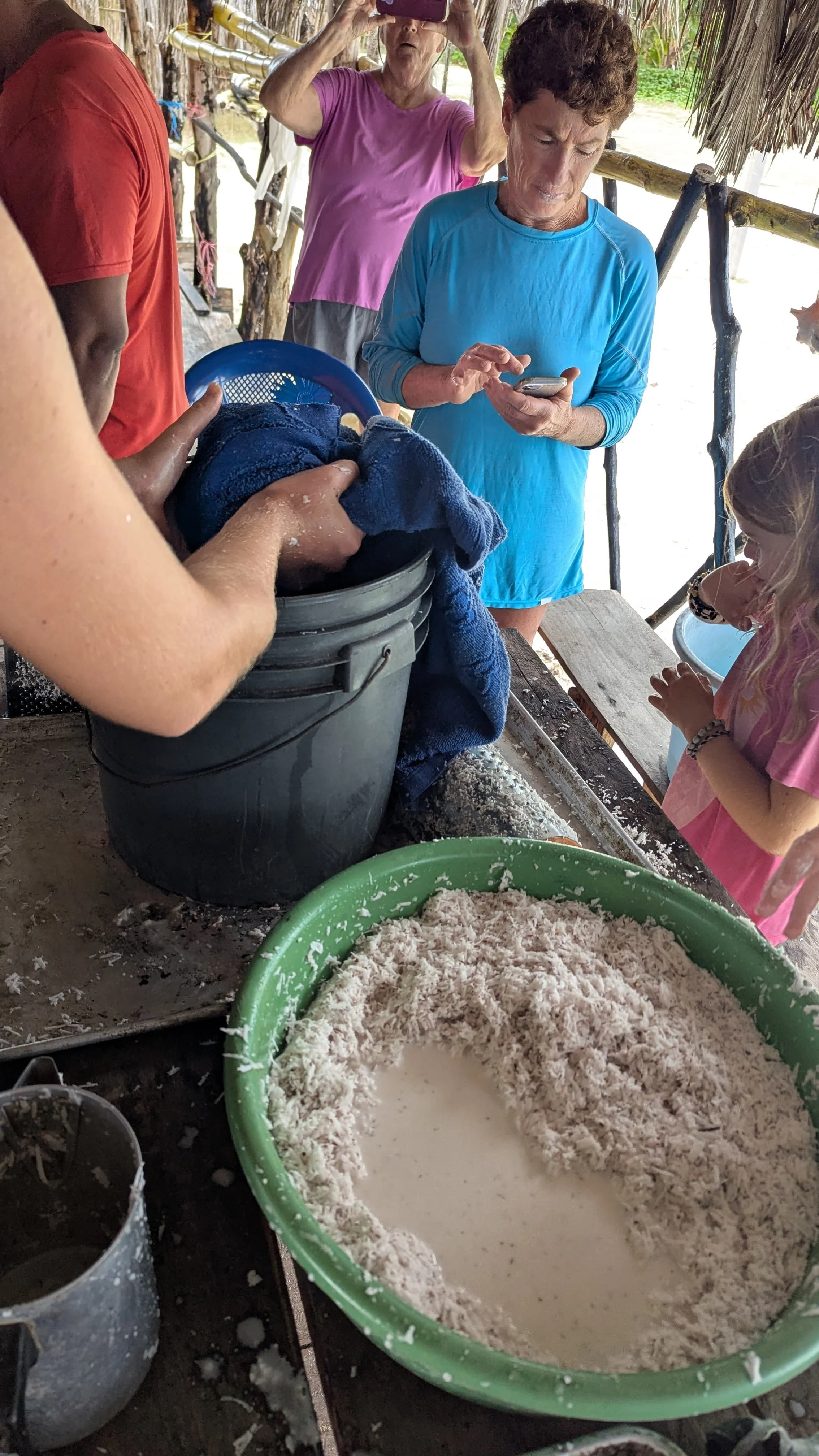
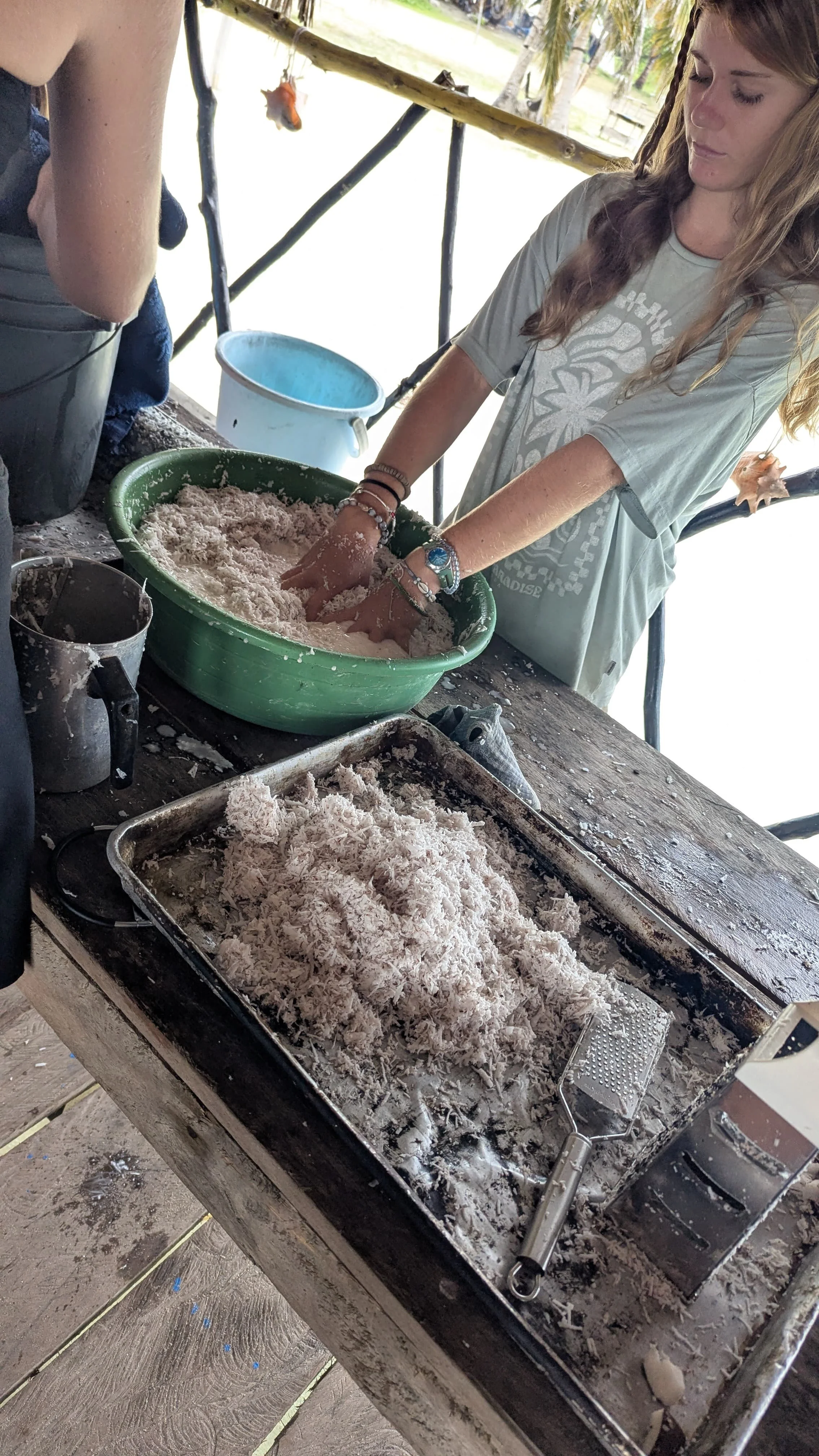
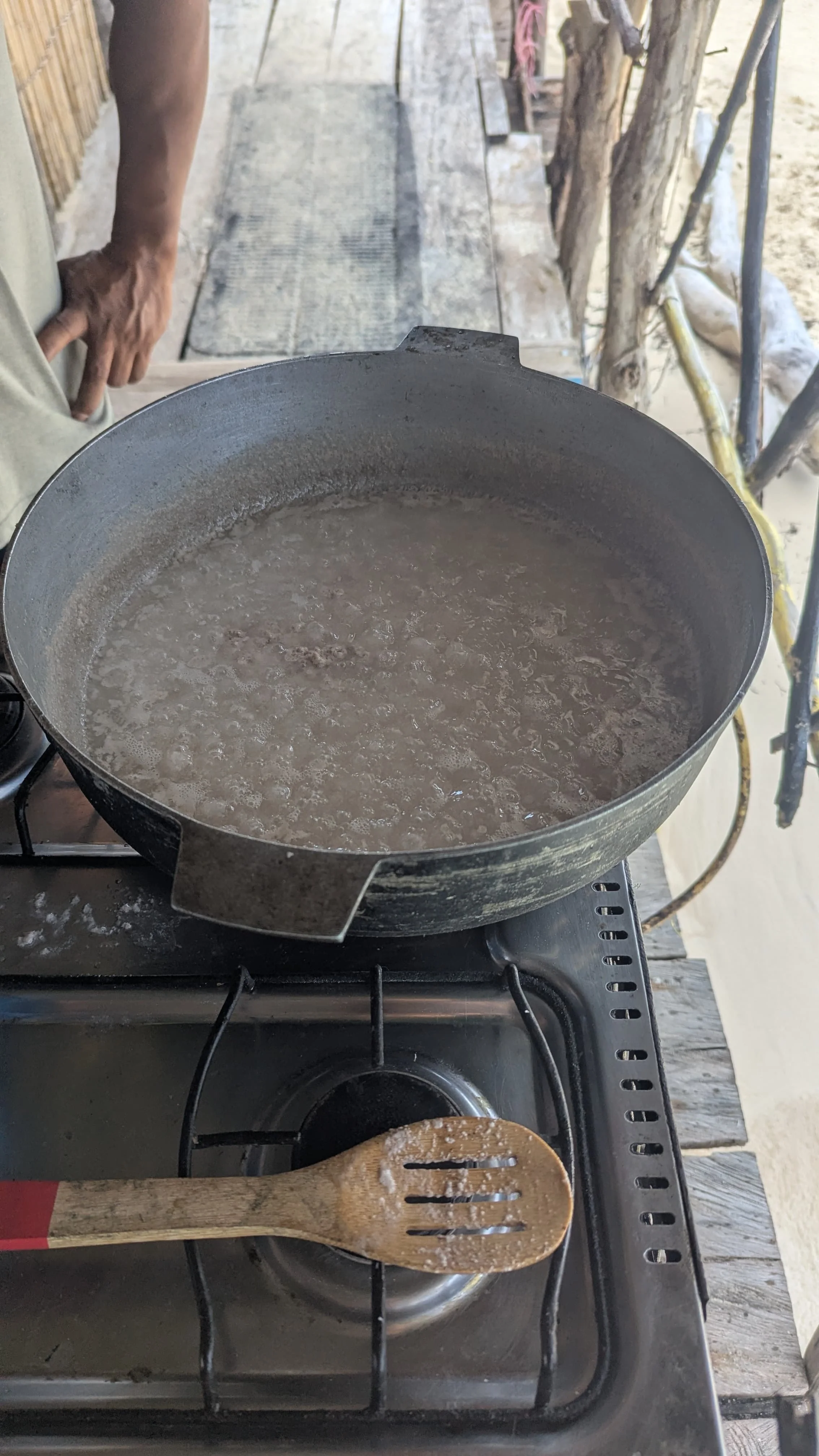
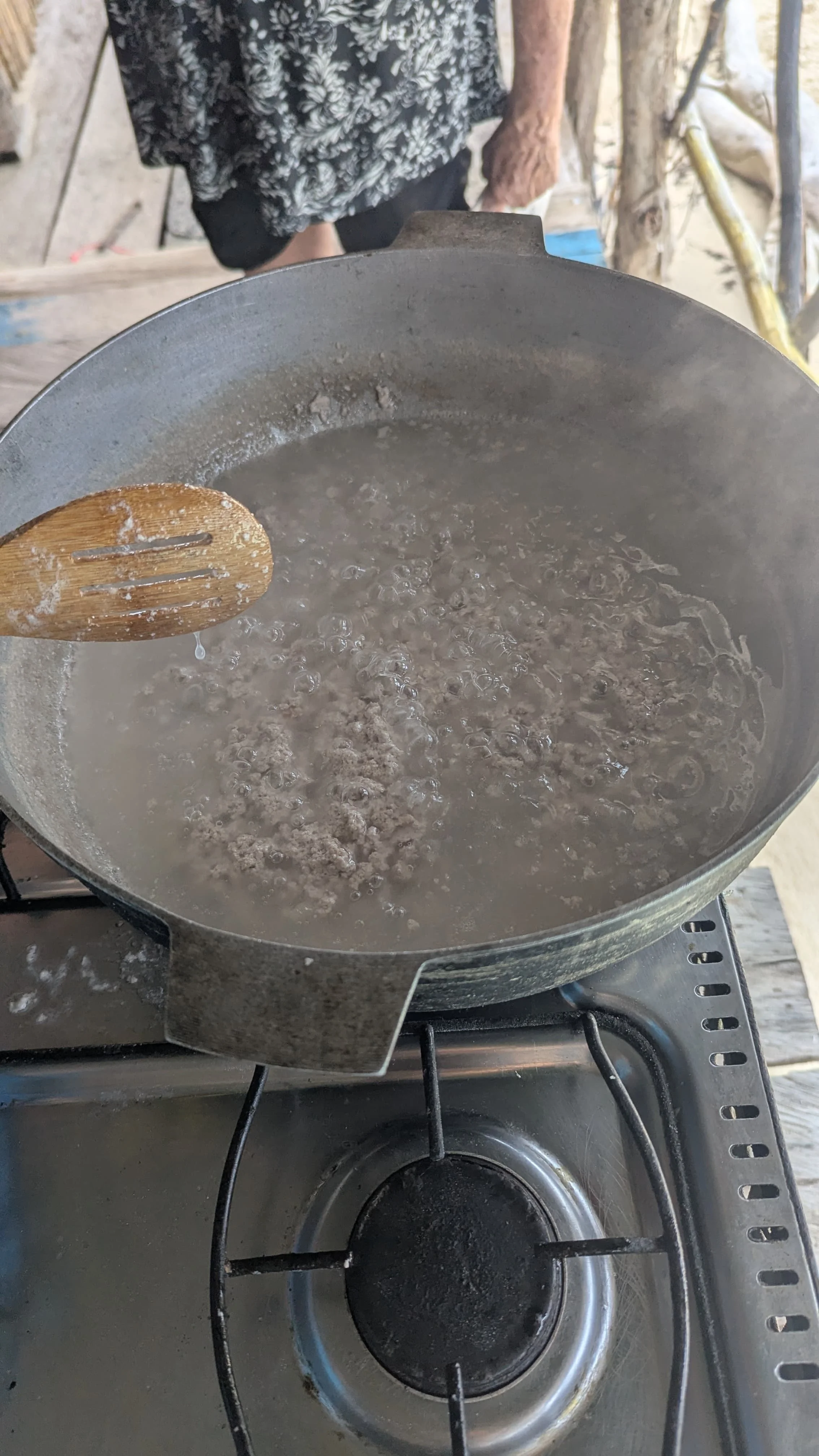
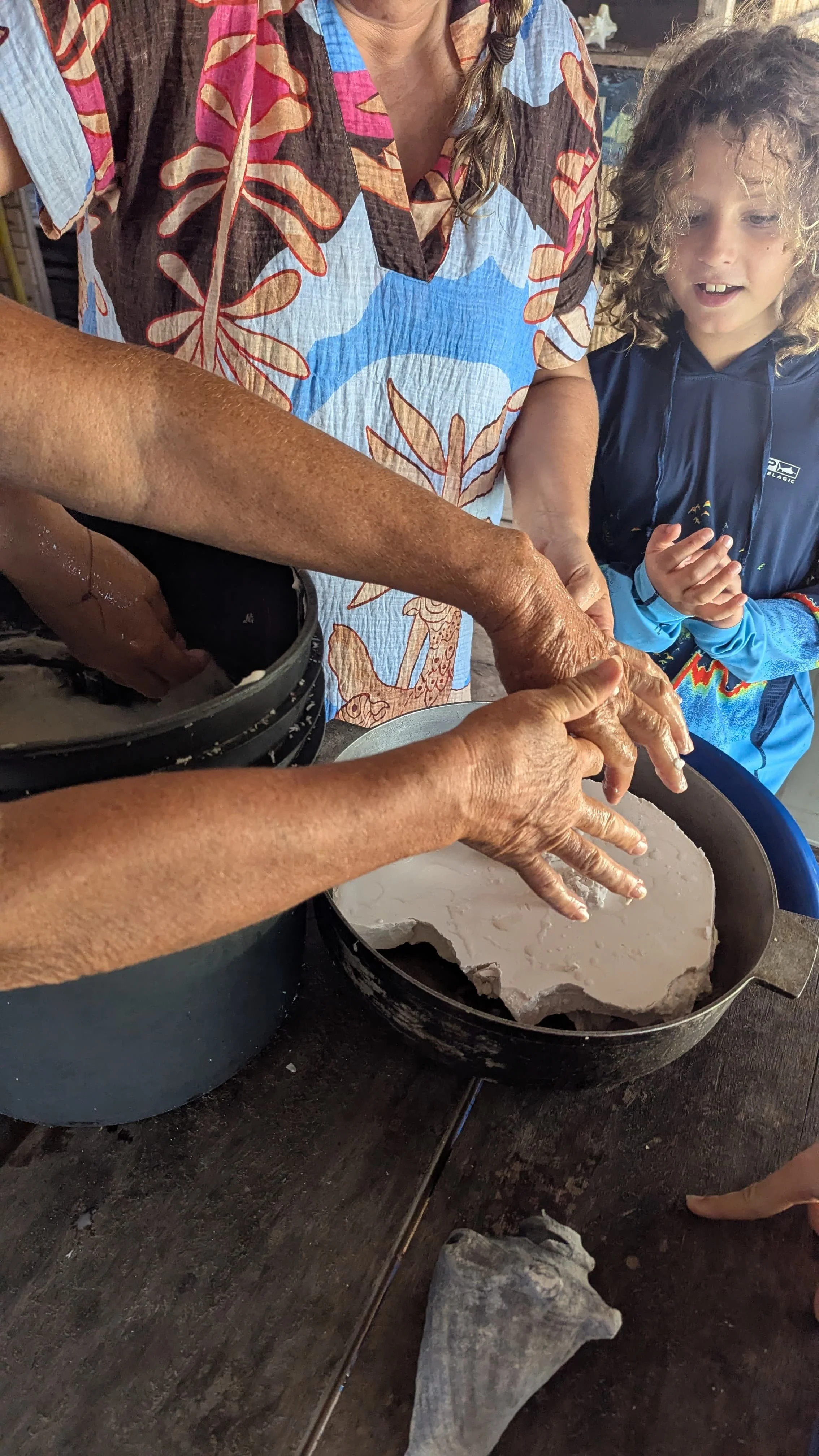
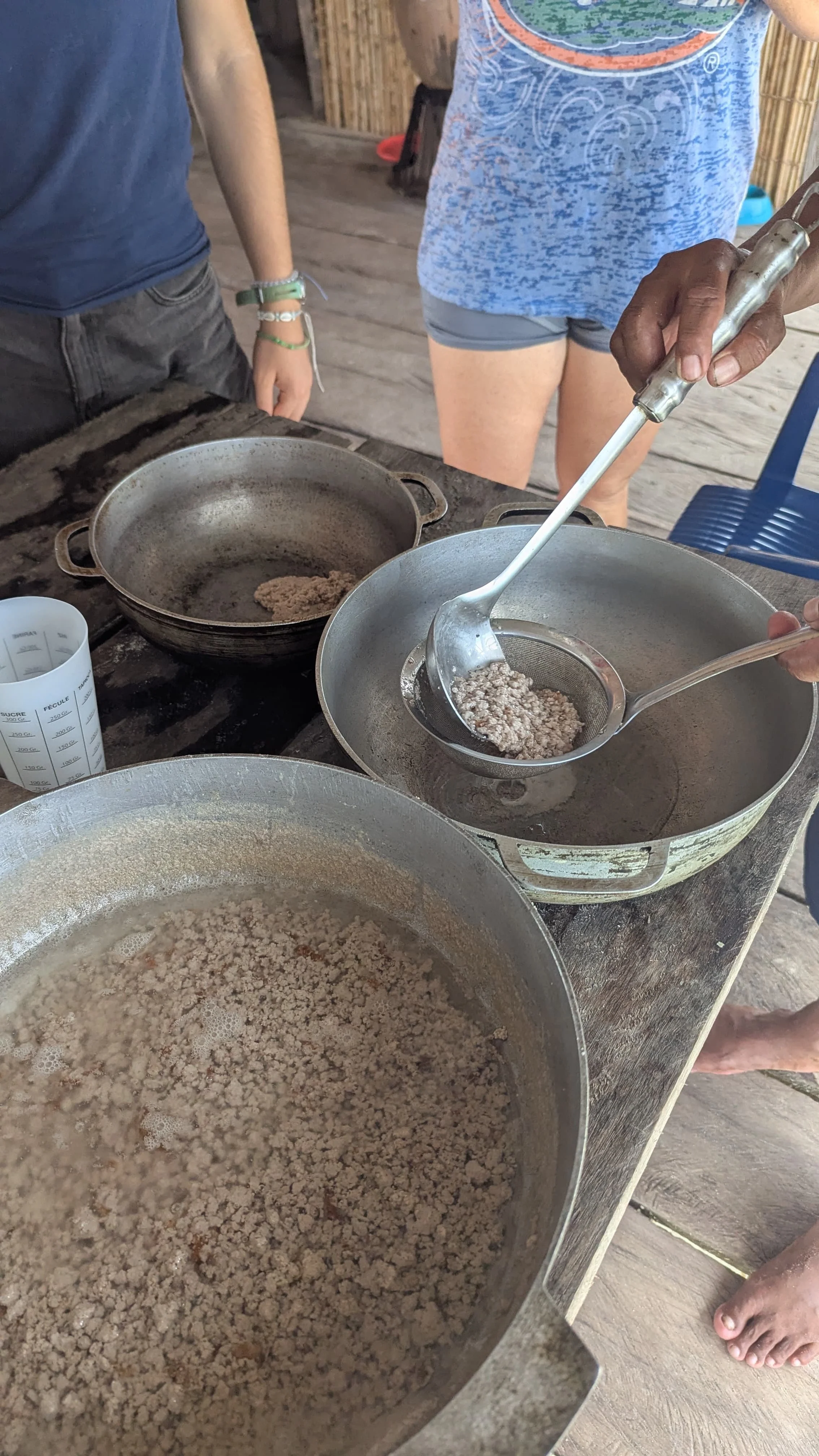
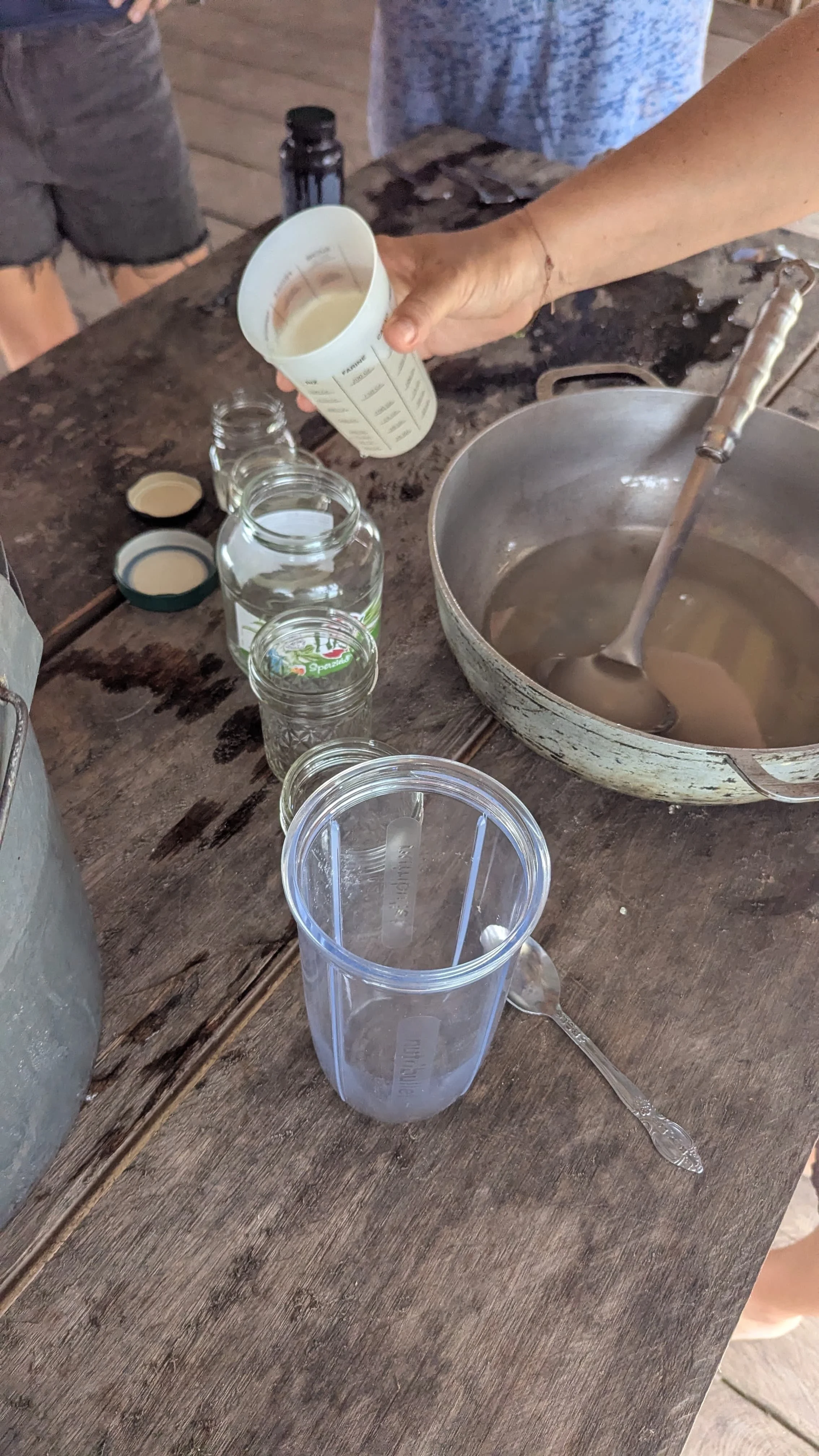
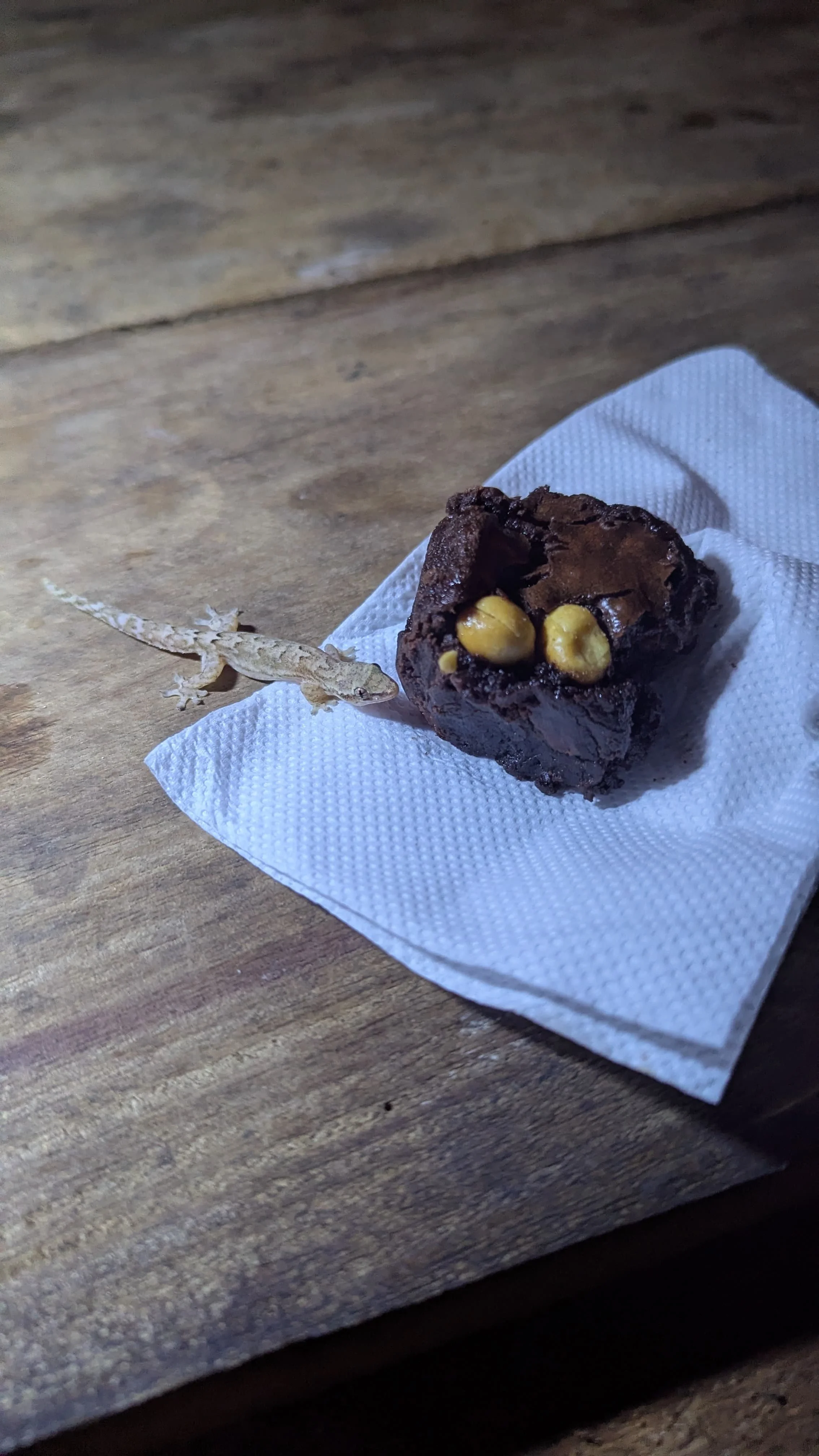
Annabelle took a morning off school to join a coconut-oil session with Ibin, the local bar owner (or rather, his family owns the island). The group started with 20 coconuts, grated them, and spent several hours over two days extracting the oil. The leftover desiccated coconut was turned into an amazing sweet treat we ate on its own and used for coconut brownies. Everyone went home with a jar of fresh coconut oil — perfect for coconut rice and just about everything else out here.
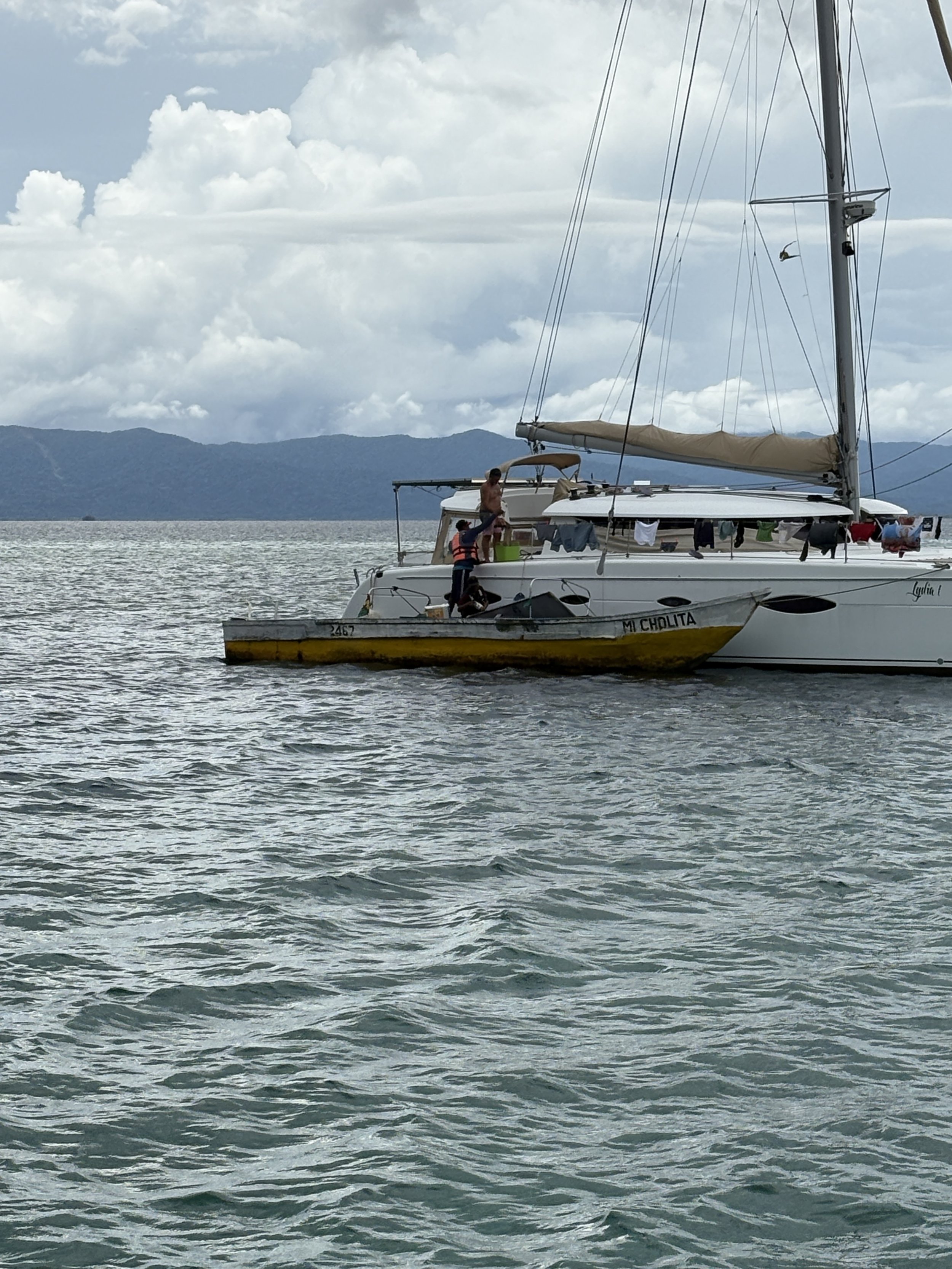
Once a week a yellow panga arrives and ties up alongside the boats, delivering orders from Panama City — essentially their version of Costco — plus Amazon parcels and other packages straight to your stern. It’s an incredible service and genuinely means you can live out here for weeks without ever setting foot on land.
There haven’t been many kid boats around until recently, but the anchorage has started to fill as everyone moves west for Christmas and New Year, gathering here before heading through the Panama Canal and into the Pacific. It’s been great reconnecting with friends we met in Grenada last year, and again in Colombia and along the way.
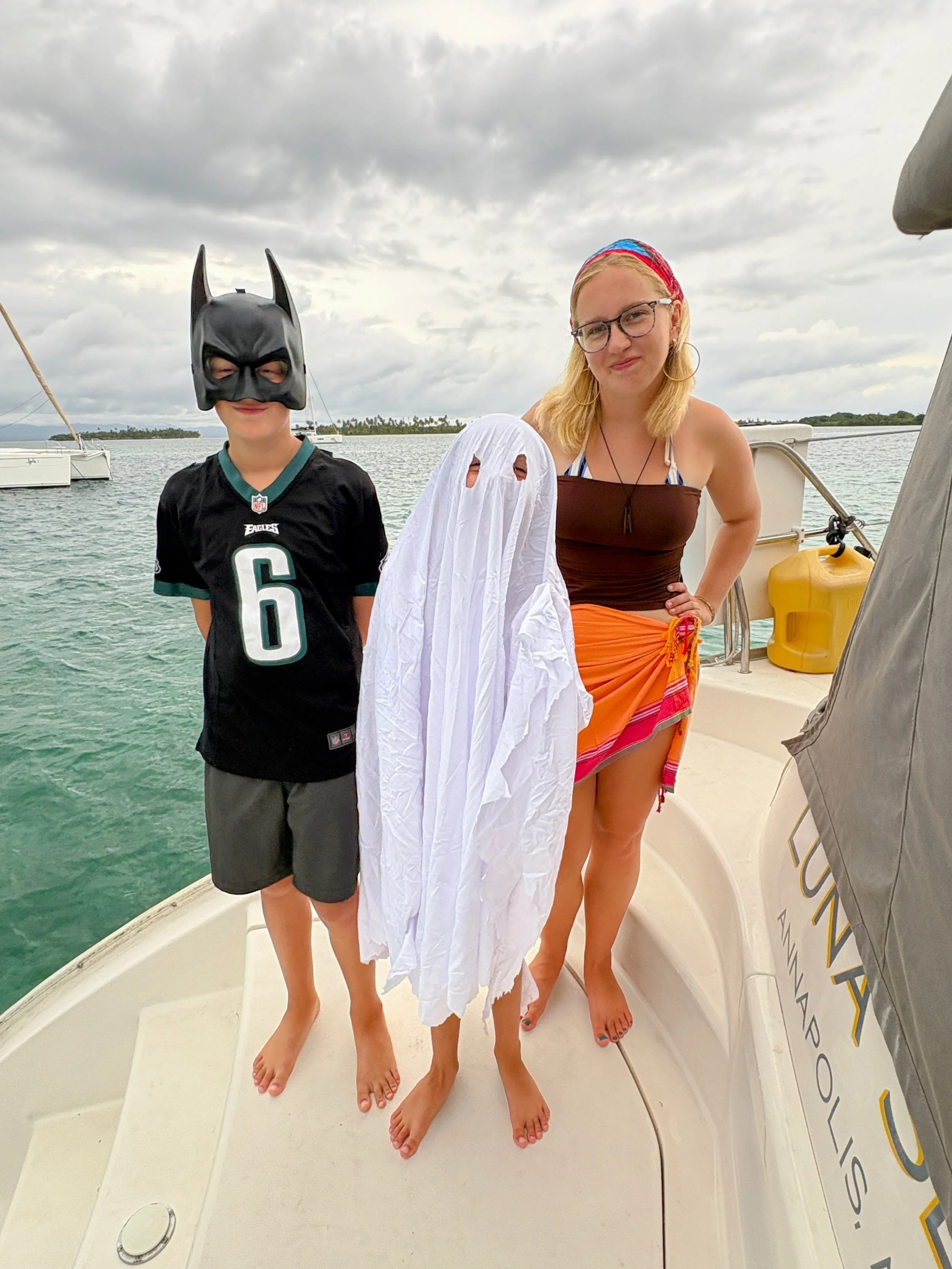
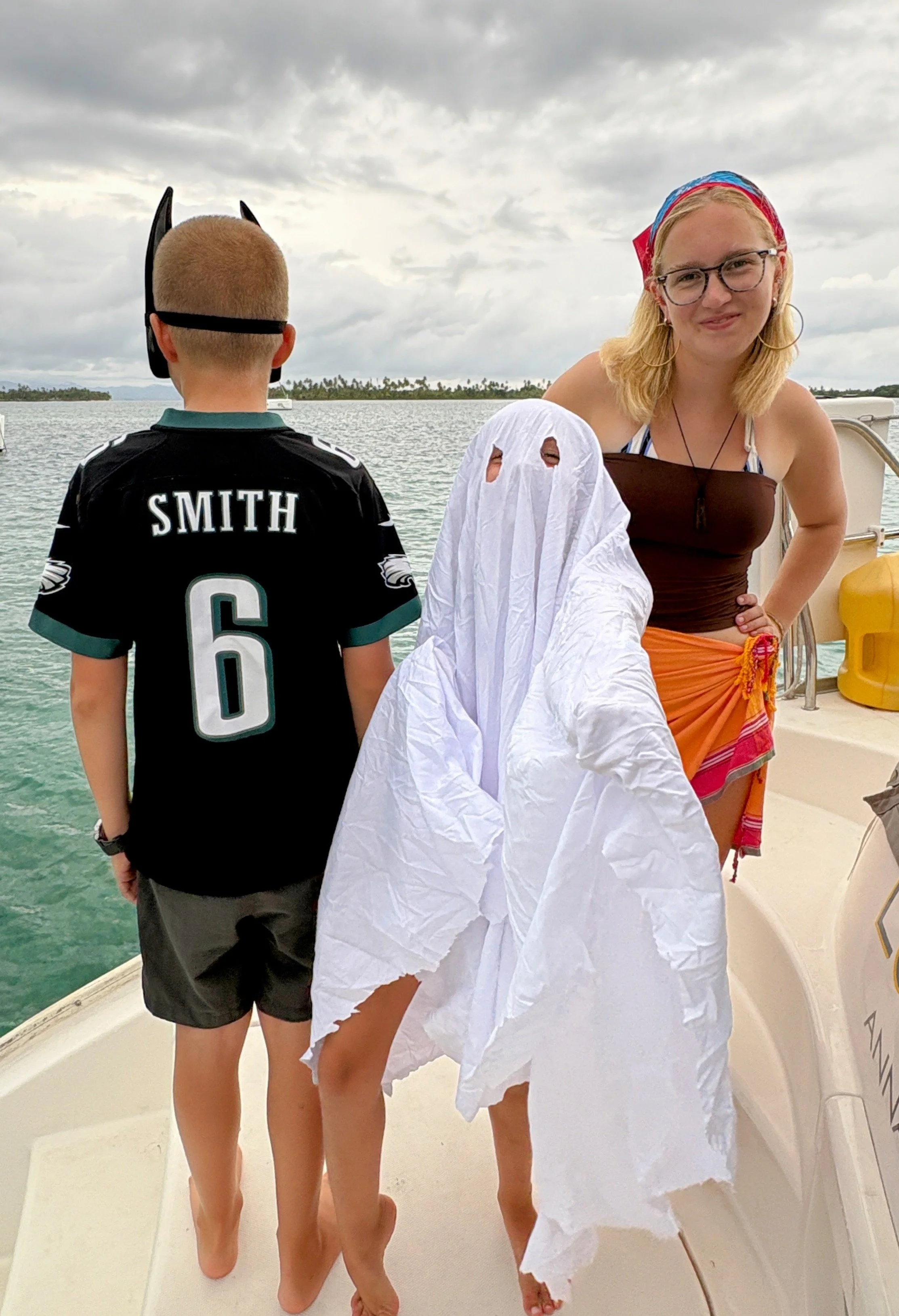
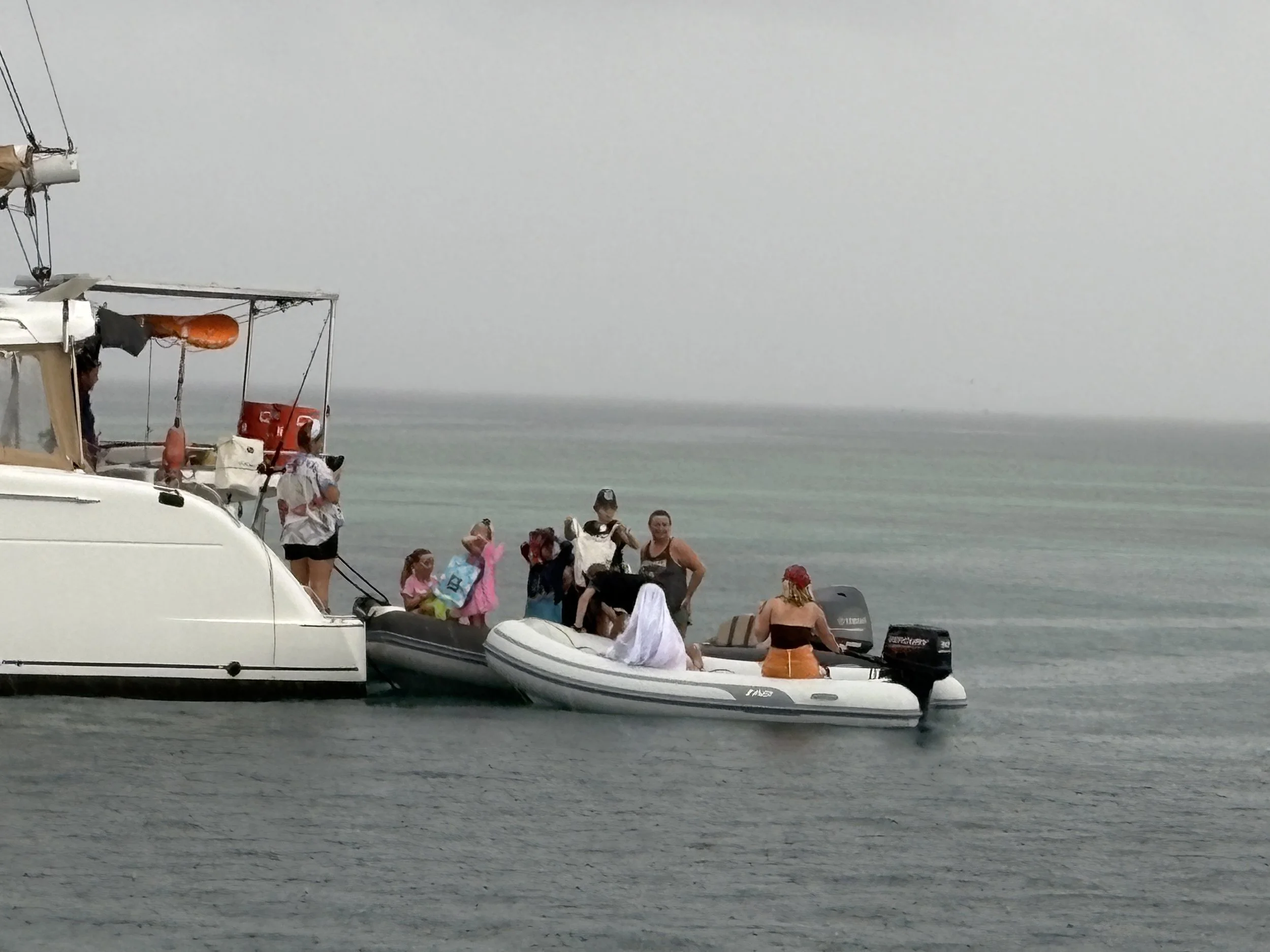
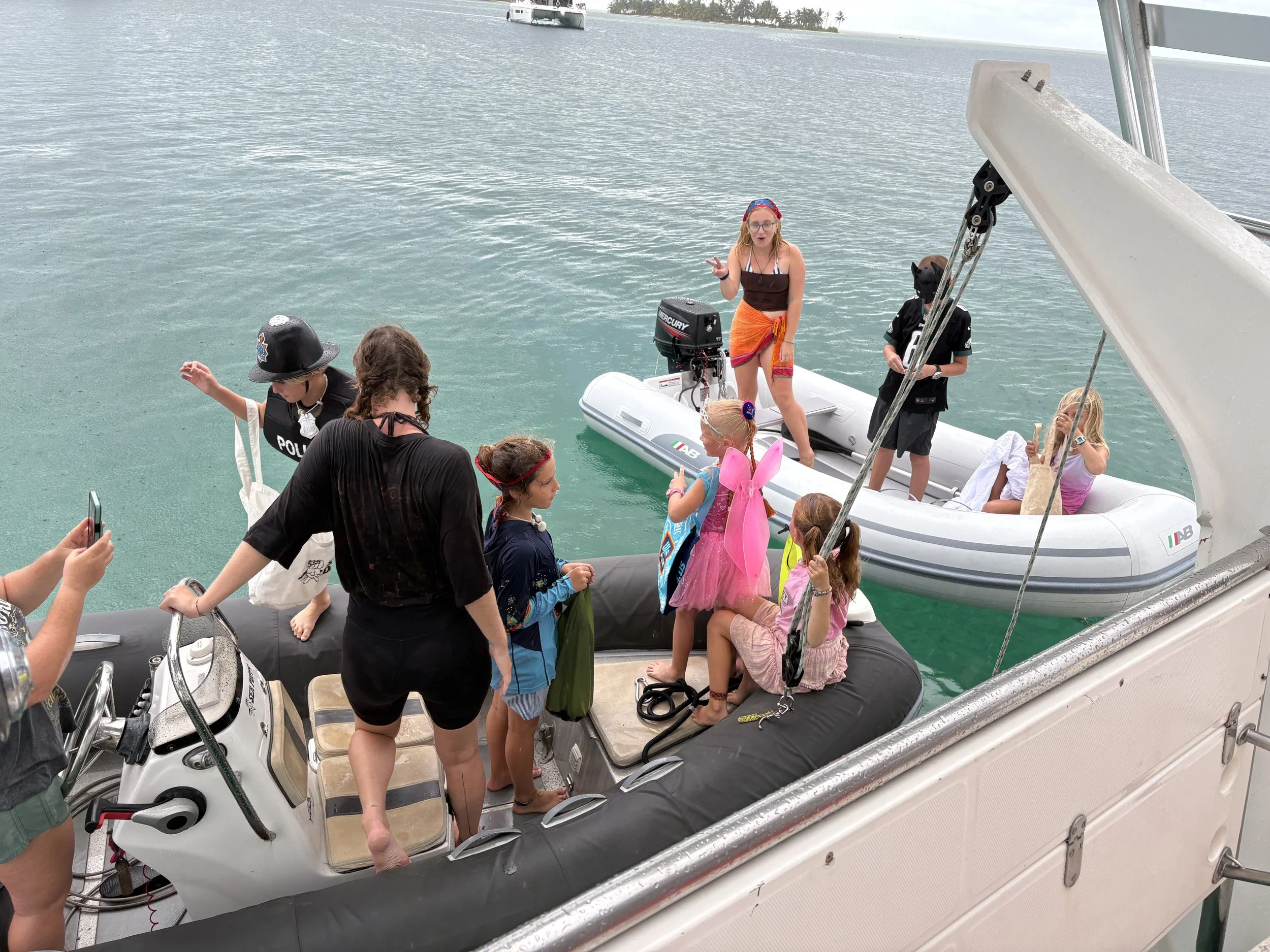
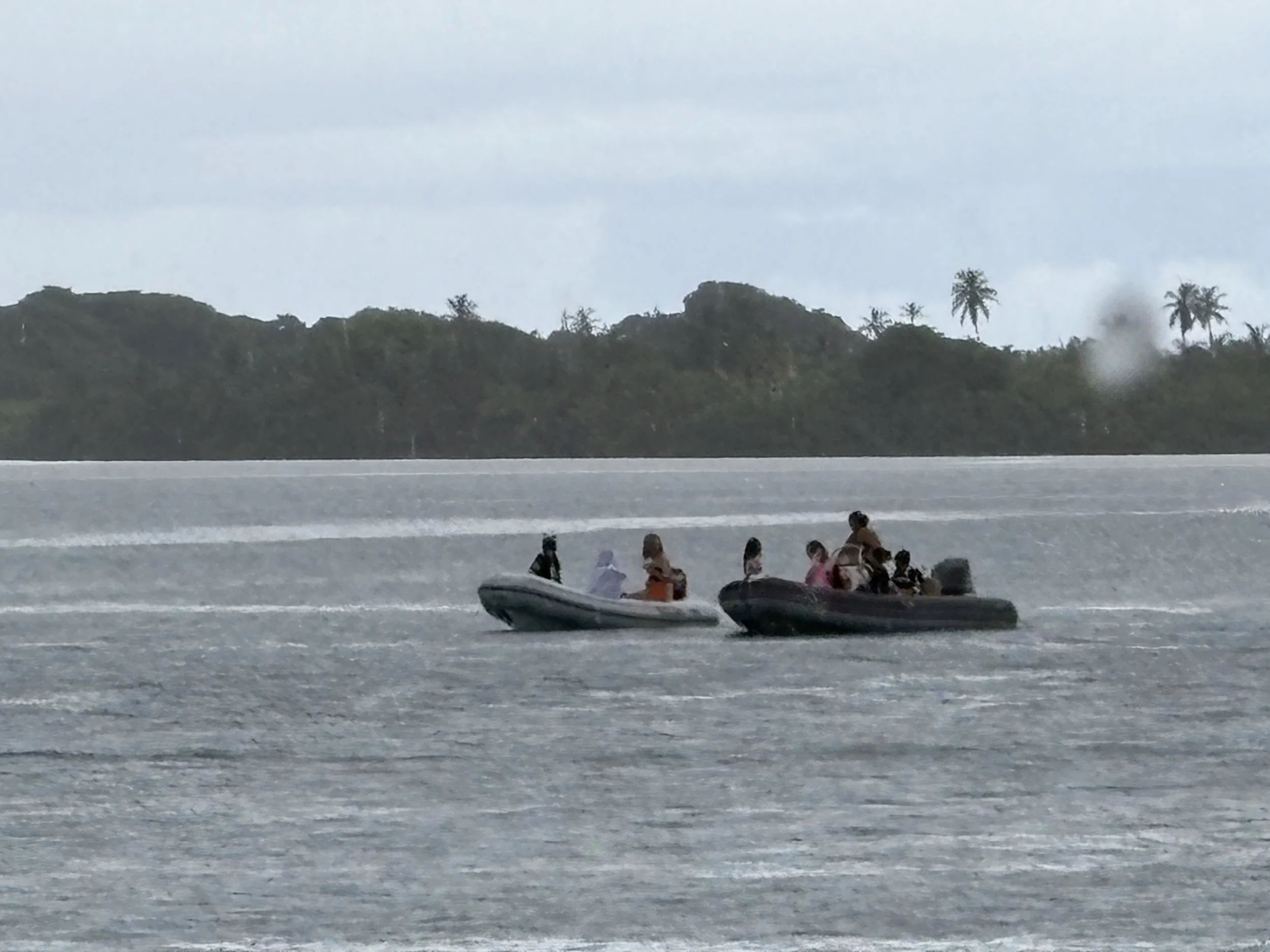
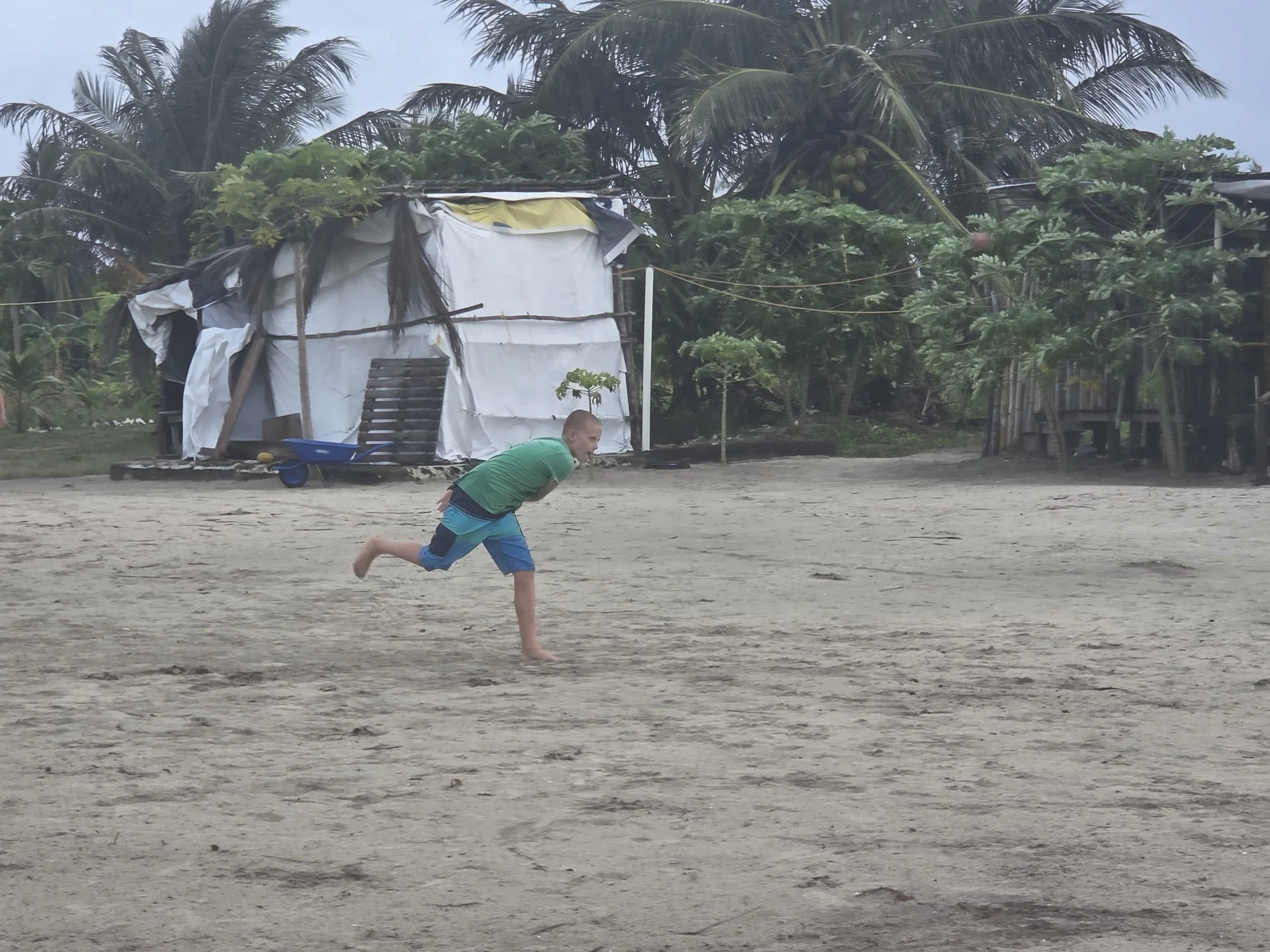
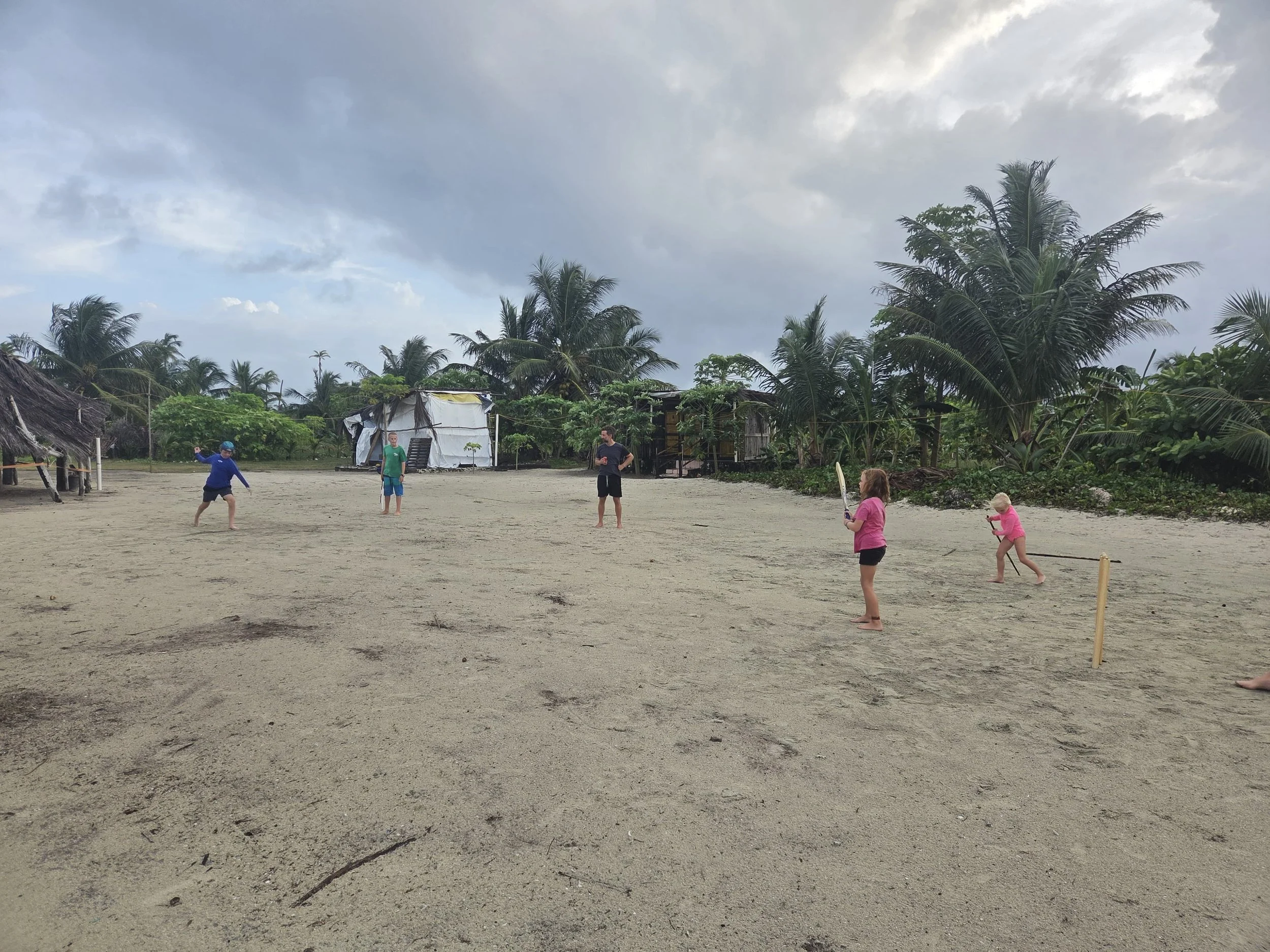
We even managed a two-dinghy Halloween trick-or-treat. The kids braved the pouring rain and made their way around the anchorage, and every boat had something small and sweet waiting for them. Since then it’s been the usual mix of sailing, paddleboarding, snorkelling, and plenty of beach-cricket chaos with the Aussie boats we’ve been hanging out with. :)

Last week we had a genuinely frightening incident. We were anchored about 100 metres from another catamaran and woke at 2 a.m. to an unusual glow. When Pete went outside, we saw their entire stern was on fire. It spread unbelievably fast. Before we could unlock and lower our dinghy to get over to them, someone else reached them. They had to jump off the bow into the water to escape the flames.
Fortunately, the first people to reach them were an emergency doctor and another physician. They got the family to the nearest island, gave immediate treatment, and travelled with them during the transfer to the local Guna hospital. From there, they were eventually moved by car to Panama City. A gas canister had exploded on the back of their boat, and the mast collapsed soon after. We spent the next two hours re-anchoring further away once things calmed down.
By 6 a.m., there was nothing left of the Boat visible on the surface. The father has burns over roughly 50% of his hands, back and feet. The mother, child and their au pair are physically okay. We think he was burned while trying to fight the fire. They lost absolutely everything except the pyjamas they were wearing.
It has really shaken us and the whole anchorage to the core, it is the one thing in reality that every boater fears more than anything; its why we spent the huge amount of money that we did on our refit in Annapolis 2 years ago, redoing someone else’s dodgy wiring. There have been a lot of nightmares on this boat for the past few weeks as we relive it……
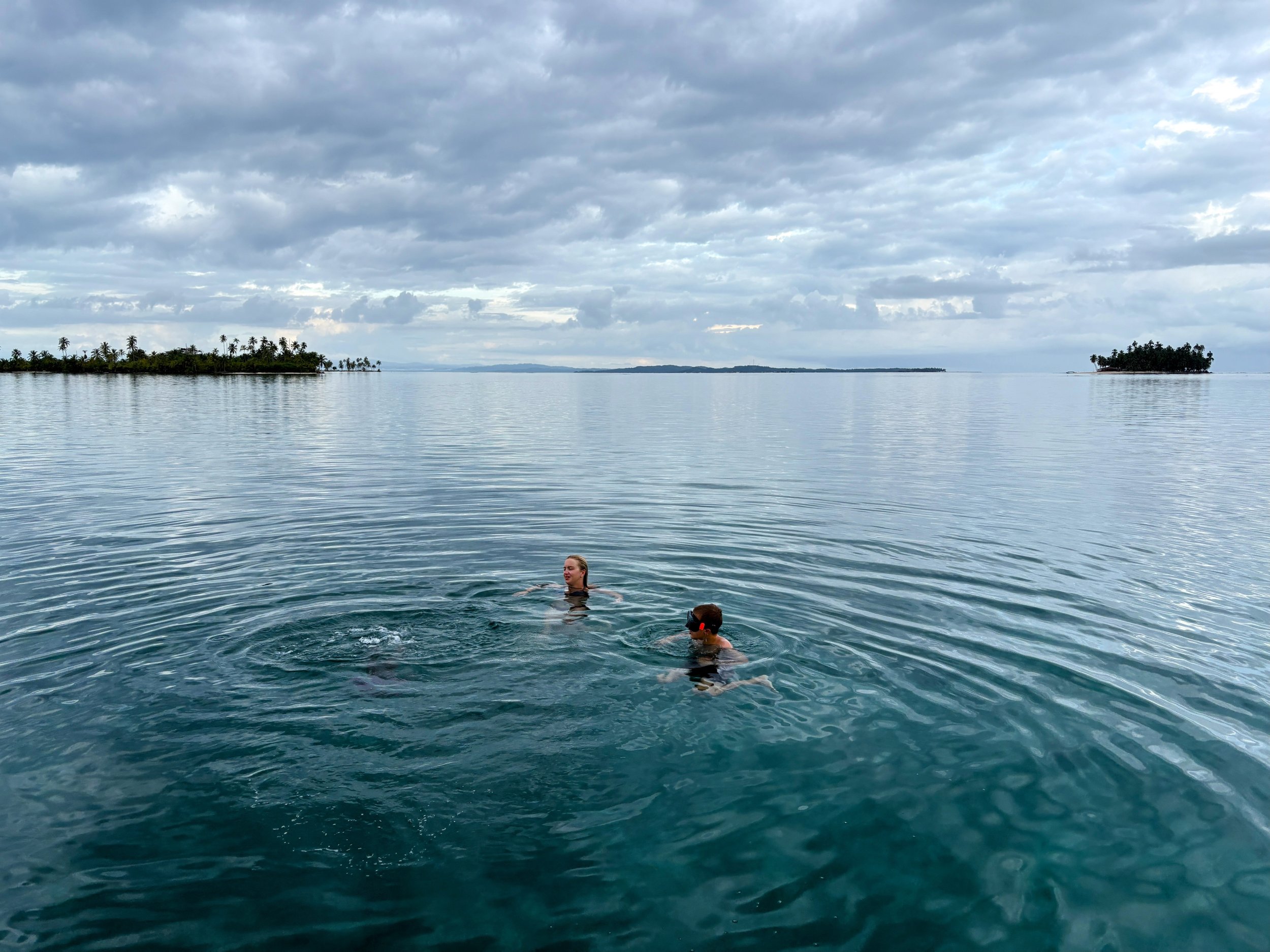
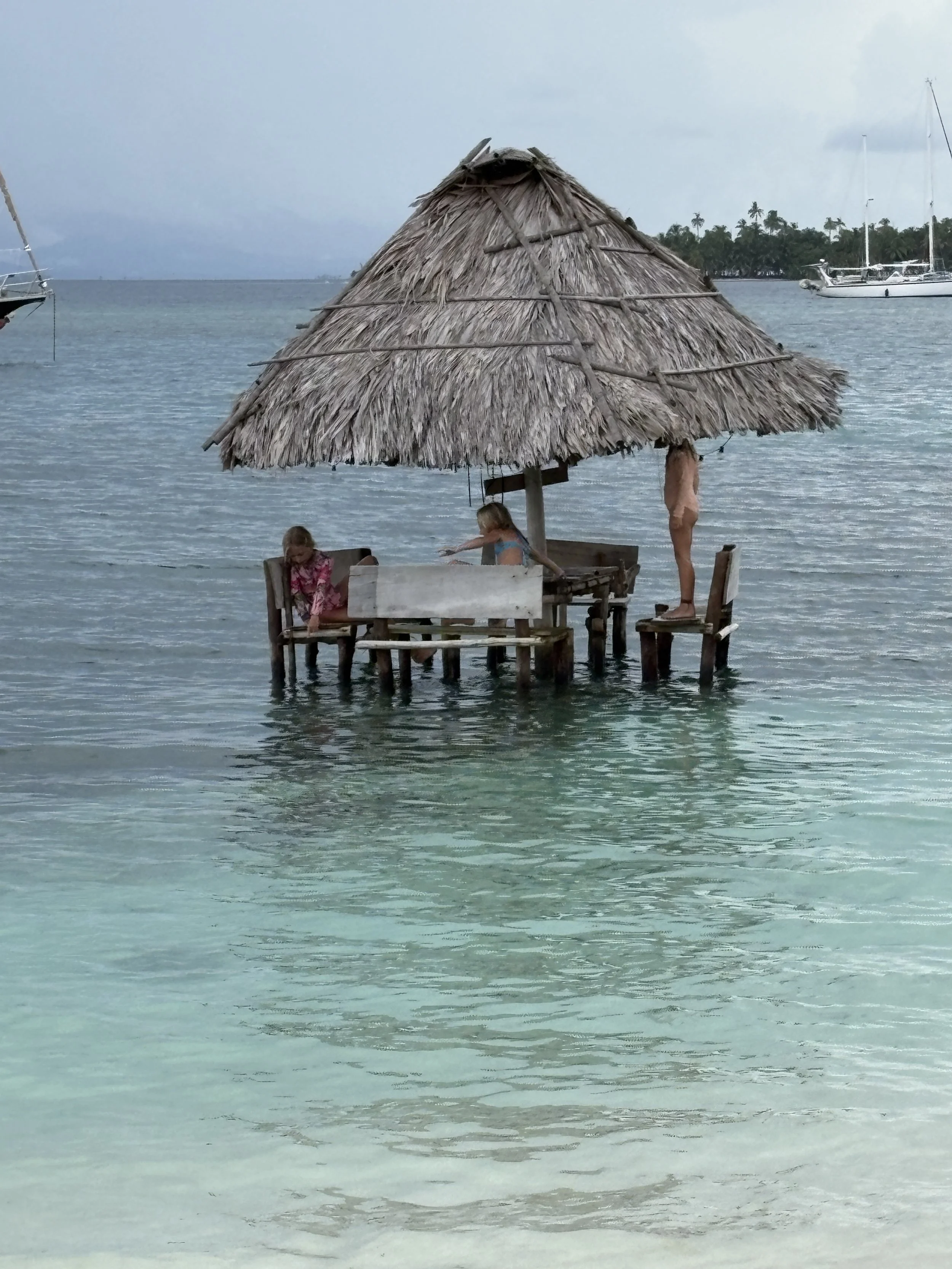
Swimming Pool Anchorage, Holland Cays, San Blas
Next week we need to head into the marina again about 50 miles away, as Pete is travelling and then we need to take Annabelle to sit her SATs in person in an international school in Colon. We will be counting the days till we can get back down here to the San Blas and continue our explorations though!